Numberblocks Treasure Hunt
- 0.00
- 0.0
- Installs
- 1.00K
- Price
- $5.99

Screenshots
Analysis by Reviewed
When I’m choosing a maths game for a young child, I want more than colourful characters: I want a reason to think, a pace that doesn’t turn practice into a chore, and a clear sense of whether the price fits how often we’ll use it. Numberblocks Treasure Hunt is an educational game from Blue Zoo, built around a pirate-themed number adventure. It costs $5.99, is rated Everyone, and suits families already looking for playful number learning rather than a general-purpose game.
What to weigh before setting sail
The key question is whether a child enjoys learning through a familiar story and characters. A child who responds well to Numberblocks may be more willing to stay with a maths activity when it feels like part of an adventure. If your child prefers open-ended building, drawing, or rapid arcade action, this more focused educational game may not hold their attention in the same way.
I’d also think about how you plan to use it. It can make sense as a short, shared activity after school or during a quiet stretch at home, with an adult nearby to ask the child how they worked something out. That turns a correct answer into a chance to hear their reasoning, rather than treating the game as a substitute for conversation or broader teaching.
A realistic place in the daily routine
For example, if a child has ten quiet minutes before dinner and asks for a screen, I’d offer this as a focused alternative to a video that simply plays in the background. I would stay close enough to notice whether the child is thinking through a puzzle or tapping quickly to move on. Afterward, I might ask them to count the forks needed at the table or find a small group of objects around the room. That little bridge from screen to everyday counting makes the session more useful without turning dinner into a lesson.
I would not make every session a test. A child can enjoy the adventure without being asked to explain every answer, and adults should be alert to frustration as well as disengagement. If a puzzle becomes a struggle, pausing is often better than insisting on one more turn. The useful question is whether the game leaves the child curious about numbers, not whether they have completed a long session.
Setting Sail on a Numerical Adventure
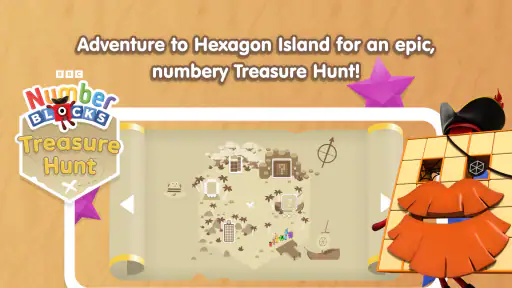
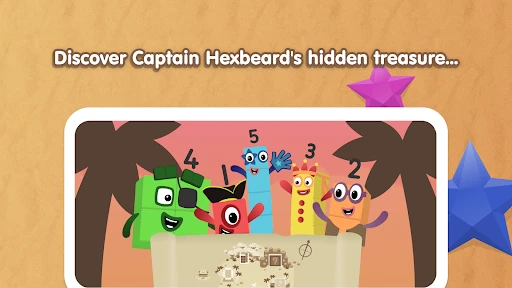
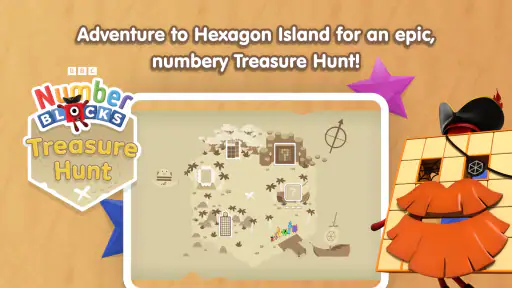
The moment you open Numberblocks Treasure Hunt, you're greeted with vibrant colors and engaging characters. The app is based on the popular educational TV show "Numberblocks," which is loved by kids and parents alike. The developers have done an incredible job in capturing the essence of the show, transforming it into an interactive experience.
Gameplay and Features
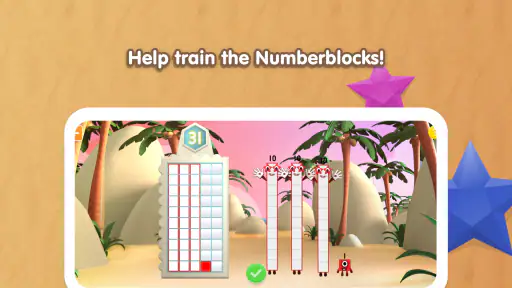
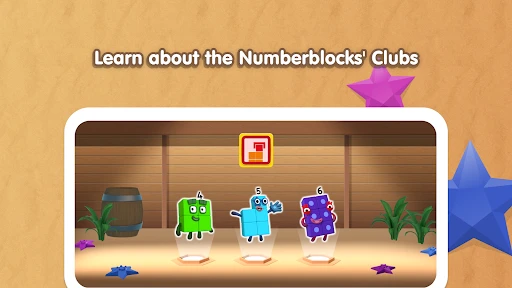
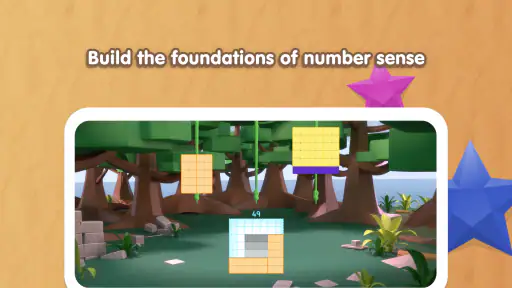
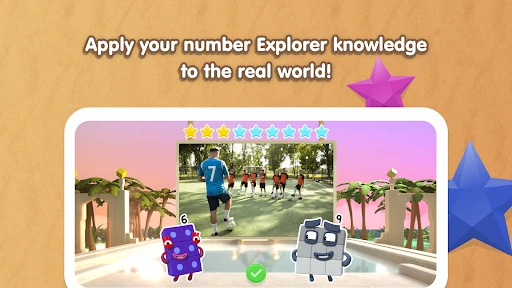
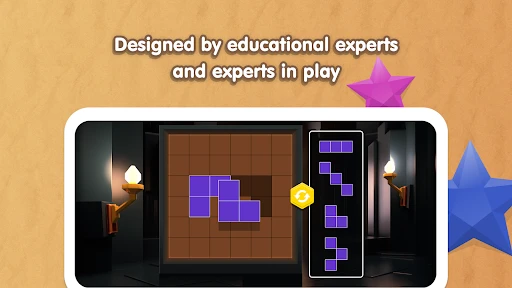
In the game, players embark on a quest to find hidden treasures by solving number puzzles. The app cleverly integrates mathematics with gameplay, ensuring that players are learning while having fun. The challenges are designed to cater to various age groups, making it suitable for young children as well as older kids who need a bit of brushing up on their math skills.
More From Our News Desk

Clash of Clans Is Won Between the Battles

Android Auto Makes the Case for Quieter Car Software

MobiOffice: Transforming Mobile Productivity with Seamless Integration

EA SPORTS FC™ Mobile Soccer: Redefining Mobile Sports Gaming

How Microsoft OneDrive Became a Mobile Productivity Giant

How Google Translate Breaks Language Barriers Effortlessly
One of the standout features of the app is its intuitive interface. Even if you're not tech-savvy, navigating through the game is a breeze. The characters guide you through each step, ensuring you never feel lost or overwhelmed. Plus, the animations are top-notch, making the learning experience visually appealing.
How to tell whether the learning is sticking
For a parent, the most helpful check is to look beyond a successful tap. Ask the child to describe what they noticed, or invite them to show the same idea with toys, snack pieces, or fingers. If they can carry the thought into a different setting, that is more meaningful than simply finishing a puzzle. If they cannot yet explain it, that is not a failure; it may just mean they need a slower explanation or a more concrete activity alongside the game.
This is also a reason to avoid treating a game session as a measurement of ability. Children may answer differently depending on mood, fatigue, or whether they understand the instructions. I’d use the activity to spark practice and conversation, then let a teacher, caregiver, or ordinary play provide the broader picture of how a child is progressing.
Where it stands out—and where it may not
Compared with a paper worksheet, the game has the advantage of wrapping number practice in a playful context; compared with a broad collection of educational activities, its narrower focus may be exactly what a child who likes Numberblocks wants, but less useful for someone seeking variety across subjects. I’d use it to invite interest in numbers, not as proof that a child has mastered a skill. Ask them to explain an answer or try a similar problem away from the screen to see whether the idea carries over.
A practical tip is to keep the first session brief and watch what the child does when a puzzle becomes tricky. If they try again or talk through the numbers, the format is doing useful work. If they rush through or lose interest, sitting together and turning the puzzle into a conversation may help; if that still doesn’t engage them, a hands-on activity with counters or a different kind of maths game may be a better fit. The game is aimed at Everyone, but that broad age rating doesn’t mean every child will be at the same stage or enjoy the same pace.
Which alternative fits a different learner?
If a child likes the Numberblocks characters but tends to learn best by moving objects around, I would pair the game with blocks or counters rather than expect the screen to do all the teaching. If they want to draw, build elaborate structures, or choose among unrelated activities, an open-ended creative app or a mixed-subject learning collection may be a better match. A worksheet can also be useful when an adult wants to see a child’s working on paper, while a screen-free counting game may suit a family trying to reduce device time.
Those options are not automatically better; they serve different purposes. The specific appeal here is a guided, character-led way into number puzzles. The trade-off is focus: a child who wants one clear activity may appreciate that, while a child who quickly needs novelty may find a broader app more satisfying. I’d choose according to what keeps this particular child engaged, rather than assuming that every educational game is interchangeable.
Why It's Worth Your Time
What sets Numberblocks Treasure Hunt apart from other educational apps is its ability to make learning feel like play. As someone who has tried numerous educational apps, I can confidently say that this one strikes the perfect balance. The app doesn’t just throw numbers at you; it weaves them into a story that keeps you hooked.
Another aspect worth mentioning is the app’s ability to track progress. Parents can easily monitor their child's learning curve and identify areas that might need more attention. This feature is a game-changer, especially for those of us who like to keep a tab on educational milestones.
Using progress information thoughtfully
Progress tracking is most useful as a prompt for what to revisit, not as a verdict on a child’s maths ability. I would look for a recurring point where the child slows down, then follow up with a simple question or a real-world example later. That is a more constructive use than asking a child to repeat a level just to improve a record. It also keeps the adult involved in interpreting what the game shows instead of leaving the child alone with a progress screen.
One practical trade-off is that tracking can make an activity feel more formal than a child expects. If the child starts worrying about getting everything right, I’d put the progress information aside and focus on a relaxed session. For families who enjoy noticing small steps over time, it can help structure a conversation; for families who want unmeasured, free play, it may be something to glance at only occasionally.
Making the purchase work for your household
Because this is a paid game rather than a free activity to sample casually, I’d decide based on the child’s existing interest in number play and the Numberblocks style. At $5.99, it is easiest to justify if it becomes a repeat activity, not just a one-time distraction. The current version is 1.1.5, and it requires Android 6.0 or later; it has over a thousand installs. Those details make it worth checking device compatibility before buying, especially if you’re choosing it for a particular family tablet.
For an everyday routine, I’d keep it as one option in a small rotation: use the game when a child wants a screen-based challenge, then connect the idea to counting objects during play or a daily task. That helps avoid relying on any single app for all maths practice. If your priority is a free resource, a broader curriculum, or learning without a screen, worksheets, physical counting objects, or another educational app may suit you better. The trade-off is that those alternatives may not offer the same character-led adventure that makes this game appealing to a Numberblocks fan.
Before you decide to install
The purchase makes the most sense when you already know the child enjoys number activities and is drawn to the show’s style. If you are unsure, consider whether they choose number puzzles voluntarily or need a very different kind of activity to stay engaged. A child who is currently tired of screens, or who needs adult-led instruction on a particular maths topic, may be better served by a shared offline activity first. This is a focused game, not a replacement for a varied learning routine.
For Android households, the minimum operating-system requirement is worth checking on the device the child will actually use, not just a parent’s phone. That small check can prevent a frustrating purchase decision. The Everyone age rating is reassuring as a broad content guide, but it does not tell you whether the puzzles match your child’s individual confidence or interests; watching a short first session is still the best way to judge that fit.
Final Thoughts
In a world where screen time is inevitable, finding an app that combines entertainment with education is like discovering gold. Numberblocks Treasure Hunt offers just that. It’s a fantastic tool for young learners to explore numbers in a fun and engaging way. The app is not only a hit with kids but also wins the hearts of parents looking for quality educational content.
So, if you're on the hunt for an app that promises both fun and learning, this might just be the treasure you've been searching for. Happy adventuring, and may your numerical journeys be as rewarding as a pirate's treasure trove!
Numberblocks Treasure Hunt Frequently Asked Questions
What devices can I use to play Numberblocks Treasure Hunt?
Numberblocks Treasure Hunt is a mobile game for Android and iOS devices, so families can choose a compatible phone or tablet. On Android, it requires version 6.0 or later. Before downloading, check that the device has enough available storage and that its operating system meets the requirement, then use the relevant app store to find the game.
What is Numberblocks Treasure Hunt?
Numberblocks Treasure Hunt is an engaging and educational mobile game designed for children, based on the popular Numberblocks TV show. The app combines fun gameplay with learning, encouraging kids to explore numbers and basic arithmetic through interactive puzzles and challenges. It's available for both Android and iOS platforms and aims to make learning numbers exciting for young minds. Its pirate adventure theme gives the number-focused play a playful setting.
Is Numberblocks Treasure Hunt suitable for all age groups?
Numberblocks Treasure Hunt is primarily targeted towards young children, particularly those in preschool and early elementary school. The game is designed to be educational and entertaining, helping kids learn fundamental math skills in a playful environment. Parents can rest assured that the content is age-appropriate and contributes positively to their child's educational development. It has an Everyone content rating, though younger players may still benefit from an adult joining them as they play.
Does Numberblocks Treasure Hunt require an internet connection?
Numberblocks Treasure Hunt can be played offline, making it a convenient option for parents who want to limit their child's screen time or manage data usage. However, certain features, such as updates or additional content downloads, may require an internet connection. It's advisable to check for updates periodically to ensure the best gaming experience.
Are there any in-app purchases in Numberblocks Treasure Hunt?
Numberblocks Treasure Hunt is a paid game priced at $5.99, rather than a free download. Parents should review the purchase details in their app store before installing it and use their device's purchase controls if children can access the store. Checking the displayed price at the time of purchase is a sensible step, as store prices can vary by region.
Pros
- Engaging educational content
- Colorful and interactive design
- Promotes basic math skills
- User-friendly interface
- No in-app purchases
Cons
- Limited replay value
- Requires internet connection
- May be too simple for older kids
- Occasional bugs
- Lacks diverse challenges

- Category
- Educational
- Version
- 1.1.5