Numberblocks: Hide and Seek
- 70.00
- 3.7
- Installs
- 50.00K
- Price
- $3.49
Screenshots
Analysis by Reviewed
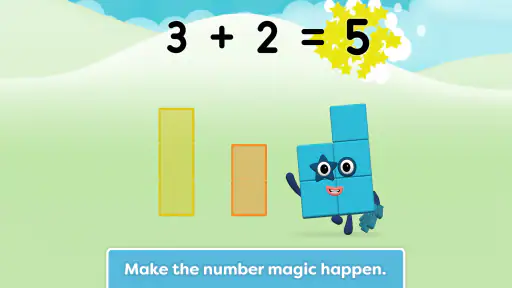
I find Numberblocks: Hide and Seek works best as a short, cheerful way to bring number play into a child’s day. Rather than feeling like a lesson on a screen, it gives young players a simple goal to follow: look for familiar characters, then explore what happens when numbers come together. That makes it an appealing choice for children who enjoy the Numberblocks world and are beginning to get curious about counting and adding.
Small goals give play a clear direction
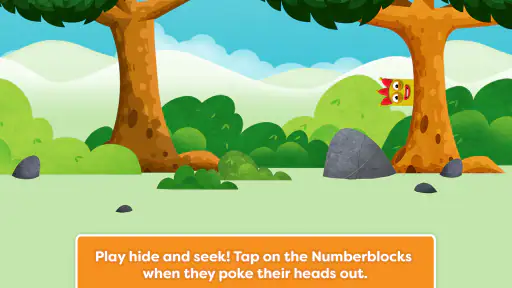
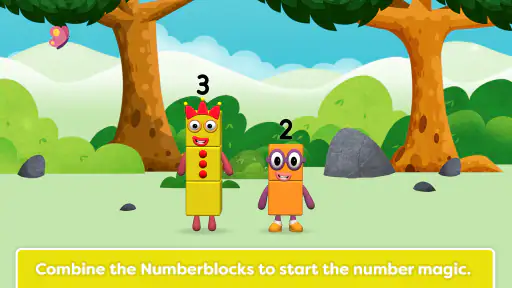
The hide-and-seek idea gives children something concrete to do right away. They can focus on spotting a character, then pay attention to the number play that follows. I like this sequence because it offers a natural prompt for an adult to join in: ask a child which Numberblock they found, or invite them to say the numbers aloud before moving on. The game can be played independently, but those little conversations make it more useful as a shared activity.
That also makes it a handy option for a brief, predictable window, such as a few minutes while a meal is being prepared. I would treat it as a focused play break rather than assume it will occupy a child for a long stretch. If a child is tired or easily frustrated, sitting alongside them and turning each discovery into a low-pressure question can help keep the experience playful rather than making it feel like a test.
Progress is easiest to notice through number talk
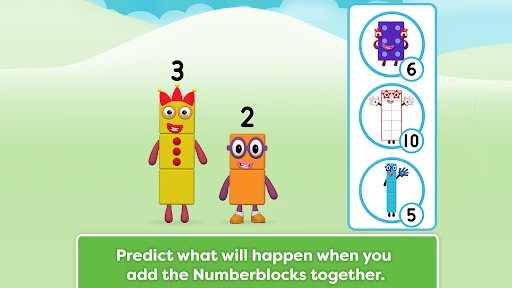
For a young learner, progress here does not need to mean racing through content. A more useful sign is whether they begin to recognize characters, count with more confidence, or anticipate what adding numbers might do. I would give a child time to explain their thinking instead of rushing to supply an answer. Even a simple “How did you work that out?” can turn a quick interaction into a small moment of reasoning.
The game is made by Blue Zoo and is listed as an educational game. It has a 3.7 average from around 580 ratings, with more than 50,000 installs. Those figures offer some context, but they do not tell me whether it will suit a particular child; their interest in the characters and comfort with early number ideas matter more. The age rating is Everyone, though younger children may still appreciate an adult nearby when they are getting used to the controls and the idea of adding.
A gentle pace suits beginners, with a limit
The gradual challenge described in play makes the game a reasonable starting point for children who are still building confidence. It is not the kind of maths activity I would choose when a child wants a deep, open-ended puzzle or a step-by-step course covering a broad range of skills. Its appeal is narrower: finding the Numberblocks and connecting that play to basic number ideas.
That focus is also a practical trade-off. Compared with paper counting games, it has animated characters and sound to hold attention; compared with a general-purpose learning app, it keeps the activity centered on one recognizable theme. But a child who is not interested in Numberblocks may get more from physical counters, blocks, or a different game built around their own interests. I would use those alternatives when the aim is hands-on practice or a wider variety of exercises.
More From Our News Desk

Clash of Clans Is Won Between the Battles

Android Auto Makes the Case for Quieter Car Software

MobiOffice: Transforming Mobile Productivity with Seamless Integration

EA SPORTS FC™ Mobile Soccer: Redefining Mobile Sports Gaming

How Microsoft OneDrive Became a Mobile Productivity Giant

How Google Translate Breaks Language Barriers Effortlessly
Gameplay That Sparks Joy
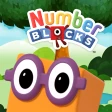
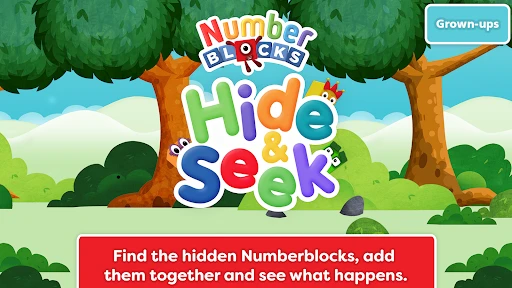
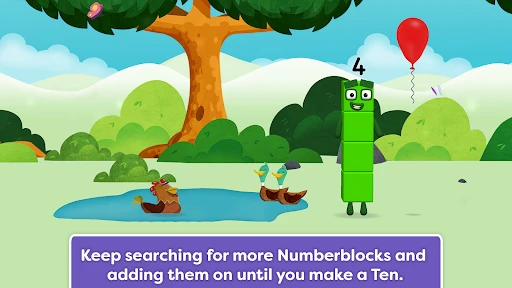
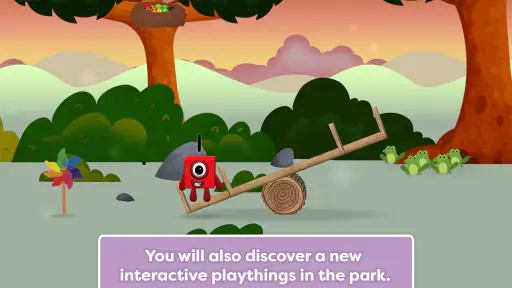
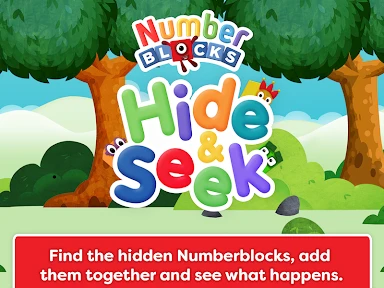
When you first open up the app, you’re greeted by a vibrant world filled with colorful characters from the popular TV show, Numberblocks. The premise is simple yet engaging: play a game of hide and seek with these adorable number characters. As you dive into this whimsical world, you’ll help your child explore numbers in a way that feels like play rather than work.
Learning Through Play
What makes this app stand out is its ability to turn learning into an adventure. It’s not just about finding the hidden Numberblocks; it’s about understanding numbers, counting, and basic arithmetic. The app cleverly integrates educational elements within the gameplay, making math feel like a natural part of the fun. Trust me, watching kids giggle as they learn is a real treat!
Each level of the game introduces new challenges and numbers to discover. This gradual increase in difficulty ensures that children are constantly learning and developing their skills without feeling overwhelmed. Plus, the app’s intuitive interface makes it easy for kids to navigate on their own, giving them a sense of independence and achievement.
Visuals and Sound That Captivate
The visuals in Numberblocks: Hide and Seek are nothing short of stunning. Bold, bright colors and charming animations capture the attention of young players. Each Numberblock character is designed with personality, making them instantly lovable and memorable.
And let’s not forget the sound. The cheerful background music and friendly voiceovers create an inviting atmosphere that encourages kids to keep exploring. There’s something magical about how the sounds and visuals come together to make math feel approachable and fun.
Encouraging Exploration and Curiosity
One of the best aspects of this app is how it encourages kids to ask questions and explore. The open-ended nature of the hide and seek game means that children can try different strategies and learn at their own pace. It’s a great way to foster curiosity and a love for learning.
Additionally, parents will appreciate the educational value packed into this app. It’s a fantastic tool for reinforcing what children are learning at school, making homework time a little less daunting and a lot more enjoyable.
Is the purchase and pace right for your family?
The game costs $3.49, so I would think of it as a small, one-time entertainment purchase rather than a free sampler. If your child already enjoys the Numberblocks characters, that focused theme may make the price worthwhile; if you are unsure whether the format will hold their interest, try a familiar counting activity first and see whether they enjoy searching and combining numbers. The current version is 1.5.0, and it runs on Android 5.1 or later.
One useful way to keep sessions purposeful is to stop after a satisfying discovery and ask the child to recreate the number idea with fingers, toys, or household objects. That checks whether the play has sparked understanding without turning screen time into a worksheet. It also makes the game easier to fit into a routine: a short turn can lead into an offline counting moment, instead of leaving a child expecting the app to provide endless new activities.
Who will get the most from it?
I would recommend it most to families with a young child who recognizes the show, likes searching games, and is starting to explore numbers. It can be a gentle companion to school or home practice, especially when an adult is willing to ask a question or celebrate a child’s own explanation. For a child who prefers quiet, tactile play, counting objects together may be a better first choice; for someone ready for broader maths challenges, a more varied learning game will likely offer better range.
There is also a retention trade-off worth keeping in mind. A familiar cast and a clear search goal can make it easy for a child to ask for another turn, but repeated play is not automatically the same as deeper learning. I would use it in short sessions and vary the follow-up: sometimes count aloud, sometimes compare two groups of objects, and sometimes simply let the child enjoy spotting characters. That keeps the app in its best role—as a playful nudge toward number curiosity, not a substitute for every kind of maths practice.
A small routine can make each session more useful
For a practical home routine, I would pair one brief turn with a question the child can answer away from the screen. After spotting a character or seeing numbers come together, invite them to find the same quantity using snack pieces, toy cars, or fingers. If they cannot reproduce it yet, there is no need to turn the moment into a correction; simply count together and let them return to the game another time. This approach makes the screen activity a starting point for noticing numbers, not a measure of whether a child has mastered them.
It also gives parents a way to judge whether the game is holding attention for the right reason. A child who talks about the characters and tries to count along is getting something different from a child who taps quickly just to make the next animation happen. I would watch for that distinction before deciding whether to extend a session. When curiosity is present, a little conversation can deepen the play; when it is not, ending on a calm note is better than insisting that every turn become a lesson.
Choosing it over other early-maths activities
Compared with a workbook or flash cards, this game offers a more animated invitation to engage, which may help a child who resists sitting down for formal practice. The trade-off is that a screen guides the experience, while counters or building blocks let an adult adapt the task instantly to a child’s questions. A broad educational app may provide more types of activity, but that variety can also make it harder to keep the focus on simple counting and combining. I see this as a themed option for a particular interest, not an all-purpose replacement for other early-learning tools.
If a child is already confident with basic additions and wants to explain strategies, compare quantities, or work through longer challenges, I would choose an activity that gives more room for those goals. If they are just beginning to connect number names with quantities, the familiar characters and search objective may be a more inviting first step. The best choice depends less on a general label like “educational” and more on what the child is ready to do and willing to return to.
Questions worth settling before a first session
Parents may wonder whether a child can manage it without help. The interface is described as easy for kids to navigate, and some children will likely be comfortable exploring independently, but I would stay nearby at first to see whether the search and number interactions make sense to them. That gives you a chance to explain a control or phrase without taking over, then step back once they understand the basic rhythm.
Another sensible question is whether the game suits a child who does not know the show. Its number-focused hide-and-seek premise can still be understandable, but the characters are a stronger hook for children who already recognize them. I would not buy it solely on the assumption that any child will enjoy a maths game; interest in searching, animated characters, and early number ideas all play a part. The $3.49 price makes it worth considering as a focused purchase when those interests line up.
For families wondering what to do when the child asks for another turn, I would decide on a simple stopping point before play begins: one short session, then an offline counting activity or another part of the routine. That boundary is useful because an engaging game can make “one more” feel natural even when the child has stopped paying attention to the numbers. If the child wants more practice than the game provides, counters, drawing, or a broader maths activity can add variety without expecting this one title to cover everything.
Finally, the listing places it in the Everyone age group, but that label is not a promise that every child will find it equally accessible. A younger player may need help understanding what to look for or how the number idea connects to the characters, while an older child may want more demanding tasks. I would use the child’s response—not the age label alone—to decide whether to sit together, leave them to explore, or move on to a different activity.
In conclusion, Numberblocks: Hide and Seek is a must-have app for any parent looking to make math fun and engaging for their child. It’s a perfect blend of education and entertainment, wrapped up in a package that’s as charming as it is effective. So why not give it a try? You might just find yourself enjoying a round of hide and seek too!
Numberblocks: Hide and Seek Frequently Asked Questions
How much does Numberblocks: Hide and Seek cost to download?
Numberblocks: Hide and Seek is a paid educational game, priced at $3.49. That makes it worth checking that the app suits your child’s interests before downloading. Its central activity is searching for hidden Numberblocks and bringing them together, so children who enjoy simple number-based play may find the price worthwhile.
What is Numberblocks: Hide and Seek, and who developed it?
Numberblocks: Hide and Seek is an educational game developed by Blue Zoo. Its short description is simply “Numberblocks,” while its main activity is summed up by the idea of finding hidden Numberblocks, adding them together, and seeing what happens. The game is aimed at making early number play approachable for young children.
What is the primary objective of Numberblocks: Hide and Seek?
In Numberblocks: Hide and Seek, the main objective is to engage children in a fun and educational experience where they can learn basic math skills. The game encourages players to find hidden Numberblocks and solve simple math puzzles, making it an entertaining way to enhance numerical understanding.
Is Numberblocks: Hide and Seek suitable for all ages?
Numberblocks: Hide and Seek is primarily designed for young children, particularly those in the preschool to early elementary age range. The game features age-appropriate puzzles and challenges that aim to teach basic math concepts. However, older children may find it too simple, as it focuses on foundational skills. Its content rating is Everyone, which makes it suitable for a broad audience, while the learning activities are especially relevant to children beginning to explore numbers.
What platforms is Numberblocks: Hide and Seek available on?
Numberblocks: Hide and Seek is available for download on both Android and iOS devices. Users can easily find it on the Google Play Store and Apple App Store. However, it’s essential to check the compatibility of the app with your device’s operating system before downloading. The Android version requires Android 5.1 or later, so checking your device’s software before installing is a sensible step.
Pros
- Engaging and educational gameplay.
- Colorful and fun graphics.
- Encourages critical thinking.
- Suitable for young kids.
- Simple user interface.
Cons
- Limited content for older kids.
- In-app purchases can add up.
- Requires internet connection.
- Not available on all devices.
- May not engage older children.
- Category
- Educational
- Version
- 1.5.0