Alphablocks: Letter Fun!
- 21.00
- 3.8
- Installs
- 10.00K
- Price
- $3.49
Screenshots
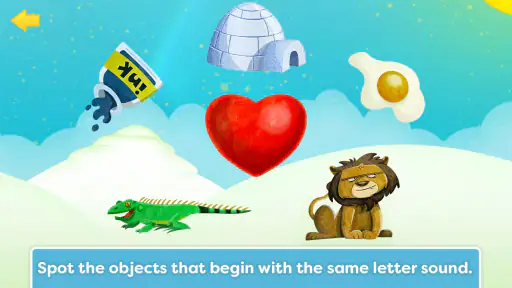
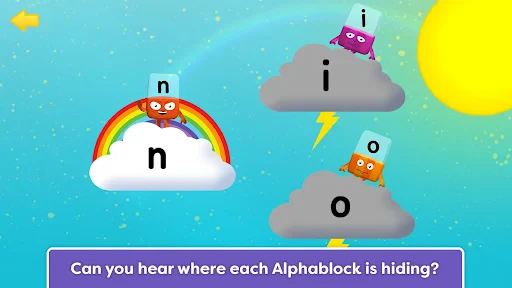
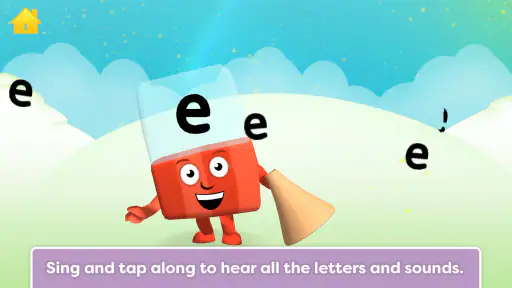
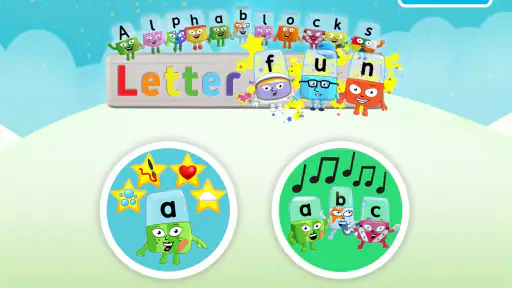
Analysis by Reviewed
I’d choose an early-reading game to make letter sounds easier to approach, not to turn practice into a test. Alphablocks: Letter Fun! is an educational game from Blue Zoo built around that first step in phonics. Its animated letter characters give an abstract subject a friendly face, which may help a young learner stay curious. I’d use it as a short, shared activity rather than a complete reading course, then connect what happens on screen to words the child sees and hears in daily life.
First-session approach: follow the child’s attention
On a first try, I would let the child explore for a little while before guiding them toward a particular letter. That gives me a chance to see whether they are drawn to the characters, the sounds, or the activity itself. A child who wants to tap quickly may need a slower pace; one who watches carefully may be ready to repeat a sound aloud. Starting with their interest makes it easier to judge whether the game is a comfortable fit without treating every moment as a lesson.
I’d also keep the first session short enough that it ends while the child is still willing to return another day. For a beginner, stopping after a small success can be more useful than trying to cover everything in one sitting. If the child becomes distracted, I would pause and name a familiar object that begins with a sound they have just heard. That simple bridge helps distinguish playful recognition from actual understanding, without making the child feel tested.
A playful route into letters and sounds
The game has a 3.8 average from around 155 ratings and has passed 10,000 installs. It costs $3.49, is rated Everyone, and its current version is 1.7.0. Those details make it a paid option for families who want a focused children’s game, rather than a free collection of unrelated learning activities. Before buying, I’d check that the device meets its Android 5.1 minimum requirement and consider whether a child is ready to spend time matching letters with sounds.
Readable characters, simple learning cues
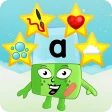
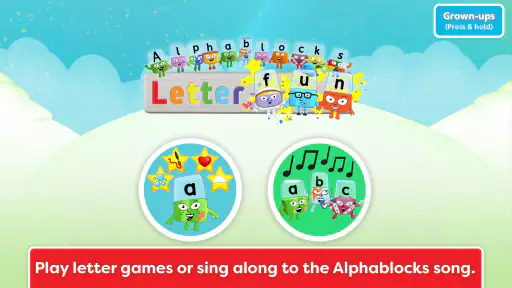
The first thing that caught my attention in Alphablocks: Letter Fun! is its vibrant and colorful interface. The app features adorable characters, each representing a different letter of the alphabet. These characters come to life in a series of interactive games and activities designed to teach children the sounds and shapes of letters. It's like having a classroom filled with animated friends eager to help your child learn!
For a child who recognizes familiar characters more readily than letter names, that visual identity can be a useful bridge. I’d sit alongside a beginner for the first session, let them explore, and notice whether they can see the important letter and follow what an activity asks. If the screen feels busy to them, a parent can slow things down by naming one sound at a time and avoiding the urge to correct every answer immediately. That small adjustment makes the game easier to approach without assuming every child reads the same visual cues in the same way.
Interaction and the sound of phonics
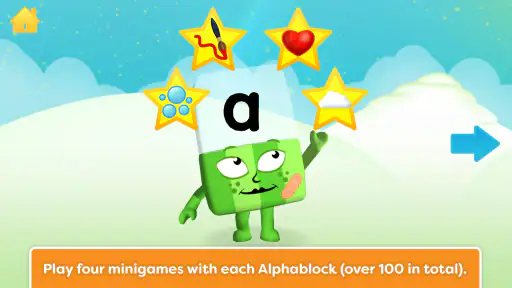
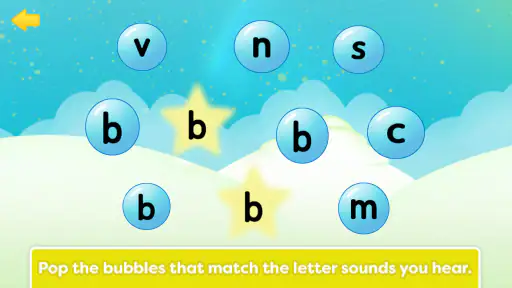
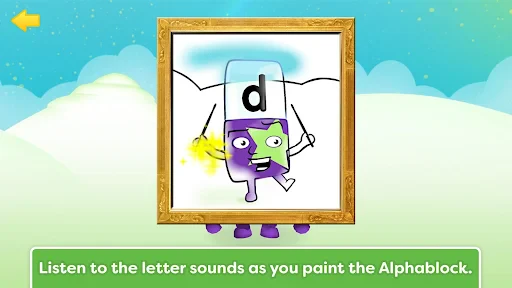
What sets this app apart is its interactive approach to learning. Kids don't just passively absorb information; they engage with it. The activities range from tracing letters to solving puzzles, and even singing along with catchy tunes. Each letter character has its own unique personality and story, which helps in making the learning process memorable and fun. Trust me, watching your child giggle while learning is a joy to behold.
More From Our News Desk

Clash of Clans Is Won Between the Battles

Android Auto Makes the Case for Quieter Car Software

MobiOffice: Transforming Mobile Productivity with Seamless Integration

EA SPORTS FC™ Mobile Soccer: Redefining Mobile Sports Gaming

How Microsoft OneDrive Became a Mobile Productivity Giant

How Google Translate Breaks Language Barriers Effortlessly
One of the standout features of Alphablocks is its emphasis on phonics. The app beautifully integrates phonetic learning with visual and auditory cues, helping kids understand the relationship between letters and sounds. This foundation is crucial for developing strong reading skills. It's like giving your child the keys to unlock the world of words, all while having a blast.
That mix of seeing, hearing, and acting on a letter gives me a practical way to vary practice: a child who loses interest in repeating sounds can shift to a hands-on activity, while a child who needs to listen again can focus on the audio. I’d keep a session brief and finish by finding one matching sound in a book, on packaging, or in a familiar name. The useful trade-off is that screen activities can make repetition more inviting, but they can’t replace conversation or the chance to hear sounds in ordinary speech.
Who benefits, and where an adult helps
Another aspect worth mentioning is the app's adaptability. It adjusts the difficulty level based on the child's progress, ensuring that they're always challenged but never overwhelmed. This personalized learning experience is perfect for keeping young minds engaged without feeling frustrated.
For a realistic routine, I’d use it after breakfast or while waiting at home for an appointment: choose a short stretch of play, then ask the child to spot a letter or sound in something nearby. That gives the activity a clear stopping point and turns it into a shared moment rather than an open-ended screen session. A caregiver can also watch for the difference between guessing from a character’s appearance and actually recognizing the sound; that’s a helpful cue for deciding whether to repeat a letter away from the device.
Compared with a basic alphabet flashcard app, the character-led presentation and varied interactions may hold a young child’s attention longer. Compared with a structured reading program, though, it is better understood as a playful supplement than a full sequence of lessons. Families looking for extensive progress reports, a broad curriculum, or practice tailored around a particular learning need may prefer a dedicated program or direct guidance from a teacher. The paid price also means it makes most sense when a child enjoys this style of learning and will return to it.
Choosing it for a particular learner
I’d consider this a good match for a child who is beginning to notice letters and enjoys lively characters, sound, and varied activities. It may also suit a caregiver who wants a concrete prompt for talking about phonics together rather than handing over a device and expecting independent instruction. A child who already reads comfortably, however, may find the focus too introductory; in that case, a book, word-building activity, or a more advanced reading program is likely to offer a better challenge.
It is also worth separating “educational” from “right for every learning style.” Some children enjoy repeating a sound when it comes with a character and a playful task; others do better with a quiet adult, a printed letter, and time to answer at their own pace. If a child has trouble with touch interaction or becomes unsettled by animated content, I would try a brief supervised session before making this their regular practice. The point is not to push through discomfort, but to see whether the format helps the child engage.
For families deciding whether the purchase is worthwhile, I’d ask two practical questions: will the child want to revisit this kind of activity, and will an adult have time to connect it to real words? If both answers are likely yes, the focused design may justify choosing it over a broader but less coherent bundle of mini-games. If the goal is simply occasional alphabet exposure, a shared story or homemade sound hunt may be enough without buying a dedicated game.
Family use and practical limits
Parents will appreciate the safe and ad-free environment that the app offers. In a digital age where it's hard to find content that's both educational and entertaining, Alphablocks strikes the perfect balance. It’s educational, fun, and entirely worry-free, making it a top choice for family-friendly apps.
Moreover, the app encourages parental involvement. It offers tips and suggestions on how to extend learning beyond the screen, turning everyday activities into educational ones. Imagine going on a grocery run and having your child point out items that start with different letters. It's learning on the go!
I’d still keep an adult nearby, especially at first, to help a child connect a sound in the game with a real word and to decide when they have had enough. Children who are sensitive to lively visuals or sound may prefer quieter, shorter sessions, with an adult ready to pause if the stimulation becomes tiring. Likewise, a child who finds touch-based tasks frustrating may need support or may do better with a shared book and spoken practice. The game can make phonics inviting, but it is not automatically the right fit for every sensory preference, motor ability, or learning pace.
Making the activity work away from the screen
A useful way to extend play is to choose just one sound from a session and notice it during an ordinary routine. At breakfast, for example, a caregiver could say the sound aloud and invite the child to listen for it in a familiar word. On a walk or in a shop, the same idea can become a low-pressure spotting game, with the adult supplying examples if the child is unsure. This keeps the connection grounded in spoken language rather than turning the outing into a quiz.
I would avoid asking a young child to identify every letter they encounter right after playing. That can make a casual activity feel like a performance, especially for a learner who needs extra time to respond. Instead, I’d model the sound, let the child join in if they want, and move on naturally. The trade-off is that this approach takes adult attention; the game may provide an engaging prompt, but the richer learning moment often comes from the conversation around it.
For shared use between caregivers, a simple handoff can help keep the experience consistent: mention which sound caught the child’s attention and use it naturally later, rather than setting a formal target. This is especially useful when one adult handles screen time and another reads with the child. It avoids treating the game as a standalone curriculum while still making its phonics focus part of a familiar routine.
A considered choice for early phonics
As an educational game from Blue Zoo, it has a clear focus: helping children connect letters with their sounds through playful interaction. I’d recommend it to families seeking a character-based introduction to phonics, especially when an adult can turn the game’s moments into real-world practice. I’d skip it if you need a comprehensive reading curriculum, a quiet or low-stimulation experience, or a format that works without touch interaction. Its appeal depends on whether the child responds to its animated approach, so a short, supervised first session is a sensible way to judge the fit.
In conclusion, Alphablocks: Letter Fun! is a charming and effective educational tool that transforms the way children learn the alphabet. With its engaging characters, interactive learning style, and focus on phonics, it’s a must-have for any parent looking to give their child a head start in literacy. So, if you're on the hunt for an app that makes learning the ABCs as easy as A-B-C, this one's definitely worth checking out!
My inclusive verdict
For accessibility in everyday use, I see a strength in the game’s combination of visual characters, sounds, and active tasks: different cues give a child more than one way to engage with letters. That does not mean the same presentation will suit everyone. A child who relies on a calmer screen, needs more time to process spoken directions, or finds precise tapping difficult may need an adult beside them or a different format altogether. I would judge the experience by the child’s comfort and participation, not simply by whether they can complete an activity.
Overall, I’d recommend trying it when a young learner is curious about letters and enjoys animated, interactive play, with a caregiver ready to keep the session brief and connect sounds to familiar words. I would choose another option for independent, comprehensive reading instruction or for a child who finds lively visual and audio cues tiring. The most useful role for this game is modest but worthwhile: it can make a first encounter with phonics more inviting, while the patient conversation around it remains essential.
Alphablocks: Letter Fun! Frequently Asked Questions
Is Alphablocks: Letter Fun! suitable for a child who is just starting to learn letters?
Alphablocks: Letter Fun! is an educational game centered on phonics letters and sounds, making it a natural option to consider for a child beginning to explore early reading. Its focus is on introducing foundational skills in a playful format. An adult can join in and encourage children to say the letters and sounds aloud as they play.
What is Alphablocks: Letter Fun!, and who developed it?
Alphablocks: Letter Fun! is an educational game developed by Blue Zoo. Its short description is simply “Alphablocks,” while its main purpose is captured by the focus on mastering phonics letters and sounds with the Alphablocks. That makes it most relevant to families looking for a playful introduction to early literacy rather than a general-purpose game.
What age group is Alphablocks: Letter Fun! suitable for?
Alphablocks: Letter Fun! is designed primarily for early learners, typically aged 3 to 7 years old. The game is ideal for children who are just beginning to understand the basics of reading and phonics. It uses engaging animations and interactive elements to make learning fun, providing a foundational understanding of letters and sounds.
Does Alphablocks: Letter Fun! require an internet connection to use?
Alphablocks: Letter Fun! can be used without an internet connection once it is downloaded. This makes it convenient for parents and children to use on the go, such as during car rides or in areas with limited connectivity. However, some features or updates may require internet access.
Is Alphablocks: Letter Fun! available on both Android and iOS?
Yes, Alphablocks: Letter Fun! is available for download on both Android and iOS platforms. Users can find the game on the Google Play Store for Android devices and the Apple App Store for iOS devices, making it accessible to a wide range of users with different devices.
Pros
- Engaging educational content
- Colorful and vibrant graphics
- Easy for children to navigate
- Interactive learning experience
- No ads to interrupt play
Cons
- Limited free content
- In-app purchases required
- Requires internet connection
- Not suitable for older kids
- May require parental guidance
- Category
- Educational
- Version
- 1.7.0