RF ONLINE NEXT
- 510.00
- 3.9
- Installs
- 1.00M
- Price
- Free

Screenshots
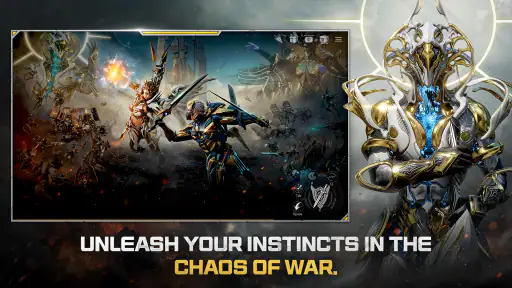
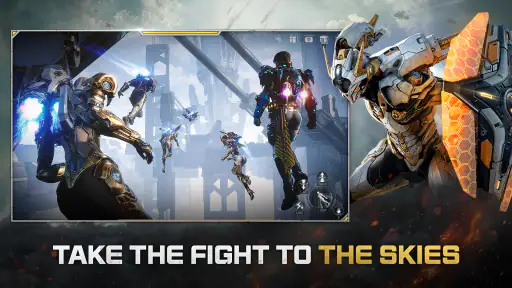
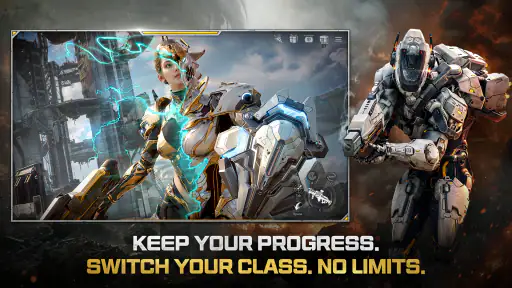
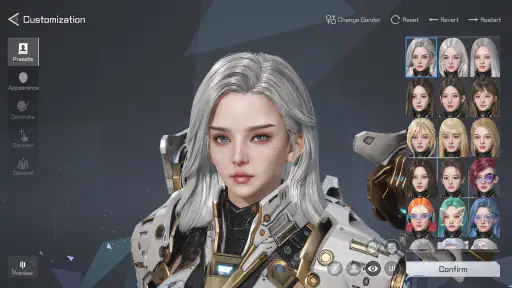
Analysis by Reviewed
RF ONLINE NEXT is the kind of role-playing game I approach with a little caution and a lot of curiosity. It presents itself as a science-fiction MMORPG from Netmarble, but the important question is not whether the setting looks impressive in screenshots. The real question is whether its long-term decisions, combat rhythm, and online structure fit the way you like to play. After spending time with it, I found a game built for players who enjoy planning a character, weighing upgrades, and returning to a persistent world rather than finishing a short campaign and moving on.
The game is free to start, which makes trying it straightforward, although optional purchases range from less than a dollar to nearly eighty dollars for an individual item. It carries a Mature 17+ rating, runs on Android 9 or later, and its current version is 1.29.8. Those details matter because this is not a lightweight pick-up-and-play fantasy game. The presentation, online focus, and mature rating point toward a more demanding experience, both in attention and in the kind of device and connection you will want to use.
Where the meaningful decisions begin
The first decision is whether you want an MMORPG at all. RF ONLINE NEXT is not best understood as a quick distraction for a few spare minutes. You can certainly make progress in shorter sessions, but its appeal grows when you have enough time to understand your character, compare possible improvements, and think about what you want to accomplish next. I enjoyed it more when I treated each session as part of a longer plan instead of expecting every login to deliver a complete, self-contained adventure.
That planning mindset affects how I view progression. In a conventional action role-playing game, I might choose the most attractive weapon or the ability that feels strongest immediately. Here, a better question is what kind of character I am trying to build and whether an upgrade supports that direction. A powerful-looking improvement is not automatically the right one if it leaves the rest of the build poorly balanced. The most useful habit is to decide on a role before spending resources, especially when a purchase or upgrade could influence several later choices.
The science-fiction setting also changes the mood of those decisions. Instead of relying on familiar medieval fantasy expectations, the game frames its world through steel, technology, and a harsher futuristic atmosphere. That gives the progression a different texture. I found myself paying more attention to equipment and presentation because they reinforce the idea that survival depends on preparation rather than heroic improvisation alone.
For a newcomer, the best way to begin is slowly. Resist the urge to spend immediately, even if the first few rewards make a paid shortcut look tempting. Play long enough to learn how combat feels, how quickly progress arrives, and which parts of the game you actually enjoy. This is particularly important in a free-to-play MMORPG, where an early purchase can solve a short-term inconvenience without necessarily improving the experience you will have after several sessions.
How I approached the early game
I found it helpful to separate three questions whenever I reached a new improvement: does this make my character more reliable, does it support the activities I prefer, and will it still matter after the next stage of progression? That simple checklist prevents the common mistake of treating every new item as an automatic upgrade. It also makes the game feel more strategic, because progress becomes a series of choices rather than a constant stream of rewards with no consequences.
You May Like

Clash of Clans Is Won Between the Battles

Android Auto Makes the Case for Quieter Car Software

MobiOffice: Transforming Mobile Productivity with Seamless Integration

EA SPORTS FC™ Mobile Soccer: Redefining Mobile Sports Gaming

How Microsoft OneDrive Became a Mobile Productivity Giant

How Google Translate Breaks Language Barriers Effortlessly
Another practical tip is to keep a small record of what you are trying to improve. It can be as simple as remembering whether you are prioritizing survival, damage, or consistency. Without that anchor, it is easy to spend resources reactively whenever a new option appears. I especially recommend this for players who enjoy experimenting, because testing several directions at once can make it difficult to tell which decision actually helped.
There is also a social decision hiding beneath the solo experience. Even when you are playing independently, an MMORPG asks you to think about the wider player environment. Your priorities may change if you want to cooperate, compete, or simply progress at your own pace. I would not choose this game expecting the same controlled experience as a single-player RPG. Its identity depends on being part of a larger online space, and that means your plans can be affected by other players and by the pace of the community.
Risk, reward, and the cost of chasing progress
The biggest risk is not simply losing a battle. It is investing time or money into a direction before you understand whether it suits you. Free entry lowers the barrier to experimentation, but optional purchases can make impatience expensive. Since individual items can cost from $0.99 to $79.99, I would advise setting a personal spending limit before the game gives you a reason to change your mind. That is not a criticism unique to this title; it is a sensible rule whenever progression and purchases exist side by side.
I also recommend treating convenience as a separate category from strength. A purchase may save time or reduce friction, but that does not necessarily mean it will make the game more enjoyable. If the part you like is learning the world and improving through play, skipping too much may remove the process that gives the progression meaning. On the other hand, if your available time is limited and you mainly want to keep up with friends, convenience may have a clearer value. The right choice depends on your reason for playing.
That trade-off becomes very real in an everyday situation. Imagine that I have a busy weekday, perhaps only enough time for a short session after work. I might be tempted to buy something that accelerates progress because I want to feel productive before going to bed. But if I do that repeatedly, I may end up measuring the game by how much time I can skip instead of by what I am actually doing. My better approach is to choose a small objective, complete it without rushing, and reserve larger spending decisions for a weekend session when I can judge the result calmly.
The reward side is strongest when preparation pays off. A character that feels more dependable because I made deliberate choices is more satisfying than one that simply became stronger through automatic rewards. I like the sense that planning ahead can reduce frustration later. However, that satisfaction requires patience. Players who want constant, obvious power increases may find the slower decision-making less exciting than a more direct action RPG.
Spending without losing control
My advice is to delay purchases until you can name the problem you are solving. “I want this because it is available” is a weak reason. “I am repeatedly running into the same obstacle, and this item addresses it without undermining the way I want to play” is much stronger. This distinction helps protect the free-to-play experience and makes any eventual purchase feel intentional rather than impulsive.
I would also avoid comparing your progress too closely with players who have different amounts of time or money. An MMORPG can make that comparison feel unavoidable, particularly when other characters appear much more advanced. The healthier approach is to compare your current performance with your own earlier results. If you are surviving longer, making better decisions, or reaching goals more efficiently, the game is rewarding you even when someone else is progressing faster.
There is a second risk: the online world may not always match your preferred pace. Some players want active competition and constant interaction, while others want a quiet solo routine. RF ONLINE NEXT is more suitable for the first group, or at least for players comfortable sharing a world with people whose goals may differ. If you dislike online pressure, persistent progression, or the possibility that the community influences your experience, a self-contained role-playing game would probably be a better fit.
Adapting instead of forcing one plan
My strongest impression is that adaptation matters more than finding one perfect setup. A plan that works during the opening hours may become less comfortable later, not because it was wrong, but because the demands of the game change. Rather than rebuilding everything whenever progress slows, I prefer to identify the specific weakness. Am I losing because I lack durability, because my damage is inconsistent, or because I am approaching the encounter without enough preparation? That diagnosis is more valuable than blindly selecting the newest improvement.
This is where the game can separate thoughtful players from impatient ones. The obvious response to difficulty is often to chase more power. Sometimes that is necessary, but sometimes the better answer is to change how you use what you already have. I found that reviewing my choices before spending resources gave me more control. It also reduced the feeling that every setback demanded a purchase.
Adaptation applies to time management as well. If I only have a short evening, I do not try to force a long progression session into it. I choose maintenance tasks, review my next goal, or make a small amount of progress that leaves me ready for a longer session later. This keeps the game from becoming a source of pressure. Players with irregular schedules should appreciate that mindset, although anyone seeking a completely casual experience may still find the MMORPG structure demanding.
The same principle helps with hardware and performance expectations. Because the game is a modern science-fiction MMORPG, I would test it on the device you intend to use before committing to long sessions or purchases. Android 9 is the minimum operating system, but compatibility on paper does not tell me how comfortable a particular device will feel during extended play. If your phone is older, heats easily, or struggles with demanding games, a cautious trial is more sensible than assuming the minimum requirement guarantees a smooth experience.
When another role-playing game is better
Compared with a traditional offline role-playing game, RF ONLINE NEXT offers a more persistent and socially influenced experience, but it also asks for more patience and tolerance for ongoing progression. An offline alternative is better if you want a tightly authored story, complete control over pacing, and no concern about purchases or other players. You can pause whenever you like and return without worrying about the broader online environment.
Compared with a simpler mobile action RPG, this game is a better choice when you want a science-fiction world and a longer-term character project. The simpler alternative wins if you want immediate combat, short sessions, and fewer decisions around progression. I would not recommend choosing RF ONLINE NEXT merely because it is free; choose it because the MMORPG format itself sounds appealing.
It also differs from a purely competitive mobile game. Competitive games often make the match the main unit of progress, while this title asks you to think about the character and the world over a longer horizon. That can be more rewarding for players who like continuity, but less satisfying for someone who wants a clean beginning and end every time they open an app.
Depth that becomes clearer over time
The game’s depth is not only in how many things it offers at once. It comes from the relationship between choices. A decision that seems minor can matter because it affects what I can comfortably attempt later. That encourages me to think in stages: establish a reliable foundation, identify a preferred direction, and only then specialize. This is a more useful approach than trying to optimize everything from the first session.
I also found that the best long-term routine is not necessarily the most intense one. A sustainable rhythm keeps the game enjoyable. I prefer setting a weekly intention, such as improving one part of my character or learning one area of the game, rather than treating every login as a race. This makes progress easier to notice and prevents the familiar MMORPG problem of turning leisure into another obligation.
Players who enjoy experimentation should leave room for mistakes. Not every decision needs to be perfect, and a build that is slightly unusual can still be enjoyable if it matches your preferences. The important thing is to understand the trade-off. Choosing a less conventional direction may make some goals harder, but it can also make the character feel more personal. I would only advise against changing direction constantly, because frequent resets can consume resources and obscure what is actually working.
The community scale gives some context for its staying power. RF ONLINE NEXT has passed one million installs and holds an average rating of 3.9 from roughly forty-six thousand ratings, with about five hundred written reviews. I read those figures as a sign of substantial interest rather than proof that every player will enjoy it. The rating suggests a mixed experience, which matches my own view: the game has a clear audience, but its online progression and monetization will not suit everyone.
Netmarble is a recognizable developer in the mobile game space, and that helps set expectations for a polished, ongoing product rather than a tiny experimental release. Still, a developer’s name cannot remove the personal questions that matter most: do you enjoy persistent progression, can you accept the free-to-play structure, and do you have the time and device for regular sessions? Those answers are more important than familiarity with the studio.
Who should play and who should skip it
I would recommend RF ONLINE NEXT to players who enjoy science-fiction settings, online worlds, character planning, and gradual improvement. It is especially appealing if you like looking ahead and making choices that may pay off later. Someone who enjoys comparing options, adjusting a build after a setback, and sharing a persistent world with other players will find more here than someone seeking a quick arcade experience.
I would skip it if I wanted a one-time story, predictable pacing, or a game that never asks me to think about spending. I would also be careful if I disliked mature themes, online interaction, or the feeling that progress continues beyond any single play session. The free price makes testing possible, but it does not change the nature of the game.
For families, the Mature 17+ rating is an important boundary. I would not treat this as a general-audience recommendation simply because it is available on a mobile device. Adults should also remember that a free download can still include paid items, so a shared device deserves sensible purchase controls and clear expectations.
My strategy verdict
After weighing the decision space, the risks, and the need to adapt, I see RF ONLINE NEXT as a game for deliberate players rather than impulse players. Its most satisfying moments come from understanding what I am building and why, then watching that plan become more reliable over time. Its weakest moments appear when I rush, compare myself with others, or treat purchases as a substitute for learning the game.
The practical verdict is simple: try it free, play long enough to understand the rhythm, and postpone spending until you know what kind of player you are inside this world. Keep your upgrades tied to a clear goal, use short sessions for focused tasks, and review setbacks before changing your entire approach. Those habits make the game more manageable and reveal whether its long-term structure is genuinely enjoyable for you.
RF ONLINE NEXT is not my recommendation for every mobile RPG fan, but it is a worthwhile choice for adults who want a persistent science-fiction MMORPG with room for planning and gradual mastery. I would give it a chance if that description matches you. If you mainly want instant action, a finished story, or a completely frictionless free experience, another role-playing game will likely serve you better.
RF ONLINE NEXT Frequently Asked Questions
Can I play RF ONLINE NEXT on Android, and what operating system does it need?
The Android version requires Android 9 or later. Before downloading, check that your device is running a compatible operating system and has enough free storage for the game and its updates. RF ONLINE NEXT is a 3D online role-playing game, so your experience may also depend on your phone or tablet’s hardware and connection quality.
What kind of game is RF ONLINE NEXT, and what does its sci-fi setting offer?
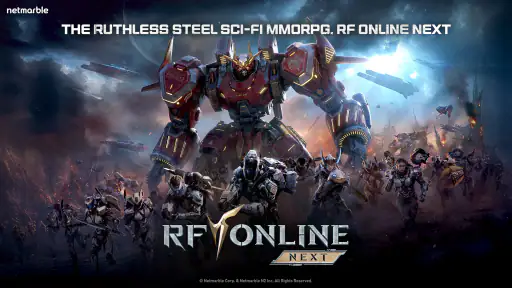
RF ONLINE NEXT is a role-playing game set in a science-fiction world, described as a ruthless steel sci-fi MMORPG. Its premise and online focus are likely to appeal to players who enjoy futuristic settings and persistent multiplayer games. If you prefer a short, self-contained story or an offline experience, consider whether an ongoing online world is the kind of game you want.
Who makes RF ONLINE NEXT, and is it a well-known game?
RF ONLINE NEXT is developed by Netmarble, a company associated with mobile games. The game has attracted more than one million installs, giving prospective players an indication of its reach. Popularity alone does not determine whether its style will suit you, though; consider whether you enjoy multiplayer role-playing games and the sci-fi premise before deciding to download.
What age group is RF ONLINE NEXT intended for?
RF ONLINE NEXT is rated Mature 17+, so it is aimed at adult players rather than younger children. Its sci-fi setting and competitive online battles may suit people who already enjoy mature-themed role-playing games and multiplayer worlds. If you are choosing a game for someone else, review the age rating and consider whether its online interactions and combat-focused gameplay are appropriate for them.
How much does RF ONLINE NEXT cost, and are there in-app purchases?
RF ONLINE NEXT is free to download, so you can try the game without paying for the initial download. It includes optional in-app purchases priced from $0.99 to $79.99 per item. These purchases are separate from the free starting experience, so it is sensible to check the purchase options and set spending limits before playing, particularly if the game will be used by a younger player.
Pros
- Large-scale battles make the world feel active and competitive.
- Multiple classes and combat roles support different playstyles.
- Auto-combat helps with routine quests and resource farming.
- Detailed character customization adds personality to your hero.
- Regular events can provide extra goals beyond the main storyline.
Cons
- Heavy grinding may be required to keep up with stronger players.
- Auto-play can make parts of the progression feel less interactive.
- PvP balance may vary between classes and equipment levels.
- The large download and updates can consume considerable storage.
- Free-to-play progress may feel slower without optional purchases.

- Category
- Role Playing
- Version
- 1.29.8