Happy Diner Story™: Cooking
- 816.00
- 4.4
- Installs
- 10.00M
- Price
- Free

Screenshots
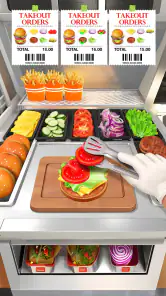
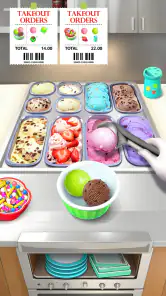
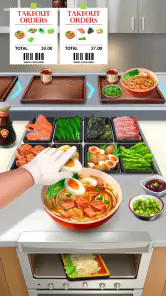
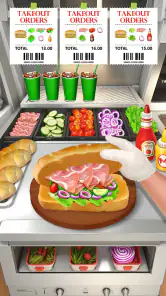

Analysis by Reviewed
What makes a cooking game worth opening during a spare moment is not just its food, but the mood it creates and how clearly it asks me to play. Happy Diner Story™: Cooking aims for a bright, busy diner rather than a realistic kitchen: orders need attention, dishes keep service moving, and the basic goal is easy to grasp. I find that directness useful when I want a game I can start without first learning a complicated set of systems.
That simplicity has a trade-off. This is a restaurant simulation built around active service, not a recipe sandbox where I can take my time experimenting. I’d pick it for a focused burst of decision-making, not for quiet, open-ended cooking. Before downloading, it helps to ask whether managing a rush sounds satisfying or stressful; that answer matters more here than a desire for detailed culinary realism.
A diner mood built for quick sessions
The setting gives the action a friendly frame: I’m tending a diner, preparing food, and trying to leave customers pleased. That familiar premise keeps the stakes light, even as several tasks compete for attention. Rather than asking me to understand a sprawling restaurant business, the game gets to the appealing part quickly: keep service going and feel the reward of handling the work well.
That makes it a natural fit for small gaps in the day, but I wouldn’t assume every short session will feel restful. When the service loop is clicking, the pace is lively; when I’m tired or distracted, the same demands can feel like another thing asking for my attention. I’d save it for a moment when I can focus on the screen instead of trying to play while doing something else.
The Thrill of the Grill
So, what’s the deal with Happy Diner Story™: Cooking? Well, it’s all about running your own diner, serving up scrumptious dishes, and keeping your customers happy. You start with a humble kitchen, but as you master recipes and rake in the tips, you can upgrade and expand your culinary empire. The game has a real knack for making you feel like a culinary maestro, racing against the clock to whip up orders left, right, and center.
Gameplay and Graphics
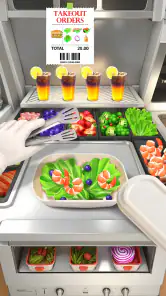
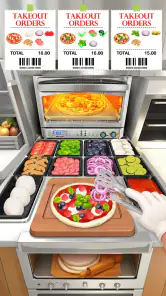
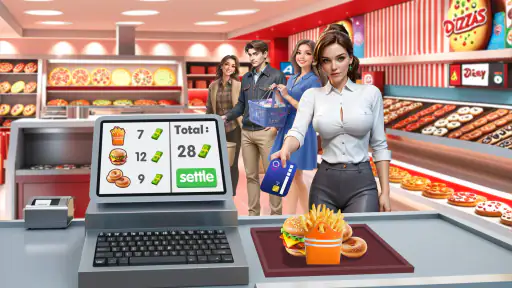
The gameplay is as smooth as butter on a hot skillet. The controls are intuitive, which means you’ll be flipping pancakes and grilling steaks in no time. What really stood out to me was the vibrant graphics. The colors pop, and every dish looks mouth-wateringly good. It’s like watching a cooking show, but you’re the star!
That bright visual style does practical work as well as setting the mood. When several things demand attention, readable food and kitchen activity matter; decorative polish would be less useful if it made the action hard to follow. My tip is to treat early rounds as a chance to learn which tasks can be handled in sequence and which need immediate attention. Building that habit makes the pressure feel more like a puzzle than a scramble.
More From Our News Desk

Weather by Xiaomi Review: Clear at a Glance, Less Clear Up Close

X Under Pressure: Can It Recover When Posting Goes Wrong?

Clash of Clans Is Won Between the Battles

Android Auto Makes the Case for Quieter Car Software

MobiOffice: Transforming Mobile Productivity with Seamless Integration

EA SPORTS FC™ Mobile Soccer: Redefining Mobile Sports Gaming
Each level brings a new challenge, with different dishes to prepare and a variety of customers to please. Trust me, seeing those happy faces and earning those big tips is a super satisfying experience. Plus, the game throws in a few curveballs with special events and limited-time challenges to keep things spicy.
Learning the kitchen’s visual language
Colorful food is more than decoration in a game about quick service: it helps me distinguish what is happening at a glance. I get more out of the rounds when I watch the whole kitchen rather than fixating on one order. A useful routine is to scan for the task most likely to hold up the rest of service, then return to the next customer. That small shift in attention can make a hectic stretch feel manageable without needing to play faster than I’m comfortable with.
There is a limit to what visual clarity can solve. A lively screen still asks me to track competing demands, and the game’s appeal depends on enjoying that attention shift. If I want to relax by looking at decorations or taking my time over each dish, I would choose a calmer cooking title. Here, the diner’s visual energy works best when I’m ready to participate in the bustle rather than simply admire it.
Sound and Fun Factor
Let’s talk about the sound for a sec. The background music is upbeat, keeping your spirits high as you tackle the lunch rush. Every sizzle and chop is right on point, adding to the immersive experience. It’s like having a little piece of the diner life right in your pocket.
The combination of cheerful visuals and kitchen sounds gives the game a consistent, friendly tone, even when the order flow gets hectic. That matters if you want something energetic without a serious or realistic atmosphere. I’d still keep the sound low or off when playing somewhere quiet; the busy-food theme is part of the fun, but it may not suit every setting.
When the rhythm helps—and when it doesn’t
The sound and pace work together to make the diner feel active instead of stern. That playful presentation can soften the pressure, but it does not remove it: I still need to pay attention to the service rhythm. In a waiting room or on a break, I’d lower the volume and play only if I can give the screen a little focus. For a quiet commute or a moment when I need to listen for announcements, a game that asks less attention would be a better companion.
One practical way to decide whether the loop suits me is to notice how I feel after a round. If the busy rhythm leaves me pleased that I handled the rush, I’m likely in the right audience. If I finish feeling hurried rather than entertained, the same cheerful music and lively kitchen won’t change that basic mismatch. I wouldn’t treat its upbeat presentation as a promise of a fully relaxing experience.
What’s really got me hooked on Happy Diner Story™: Cooking is how easy it is to pick up and play. Whether you’re waiting for the bus or just chilling on the couch, it’s the perfect game to dive into. But be warned, it’s super addictive! You’ll find yourself saying, “Just one more level,” more times than you’d like to admit.
Who Will Enjoy the Rush
For a realistic everyday use, I’d reach for it while waiting for an appointment or unwinding after dinner: one focused session gives me a small, self-contained task without needing to settle into a long story. It suits players who enjoy quick decisions, colorful food, and gradual restaurant progress. If you prefer calm decorating, open-ended cooking, or a simulation that rewards careful planning over speed, a slower alternative in the genre will probably be a better match.
Compared with cooking games built around leisurely preparation, this one puts more weight on keeping service moving and responding to changing demands. That trade-off is worth knowing before you start: the pace is the attraction when you want an active little challenge, but can become tiring if you’re looking for a quiet game to play while distracted. I’d give each round my attention rather than trying to multitask through it.
Choosing the right moment to play
A useful everyday test is to picture the game in two different situations. During a short break when I can focus, the order-handling gives me something concrete to do and a clear sense of progress. While waiting for a bus with one eye on the road or checking messages between tasks, it is less suitable: divided attention can make the pace feel more demanding than fun. I’d keep it for a settled few minutes rather than treating it as background entertainment.
It is also a better fit for players who like improvement through practice than for anyone seeking a story-led experience. The satisfaction comes from getting more comfortable with the service loop and seeing the diner develop, not from a deep narrative or an elaborate simulation of restaurant finances. If that is what I want, a management-focused game is the stronger choice. If I want a colorful cooking challenge with a simple point of entry, this one makes more sense.
Progress, Purchases, and Practical Fit
The progression gives me a reason to return, but I’d approach upgrades with a little patience. Before spending earned resources, notice which parts of your routine cause the most pressure; an improvement that helps your actual bottleneck is more useful than choosing blindly. Limited-time challenges can add variety, though they may not be appealing if you dislike events that encourage you to check in at a particular moment.
The game is free to download, with optional in-app purchases ranging from $0.99 to $99.99 per item. I’d treat purchases as optional rather than necessary to enjoy the basic restaurant loop, and decide on a spending limit before browsing them. It’s developed by Play Fortune Limited, is rated Everyone, and its current version is 1.0.64, with Android support starting at 5.1. Its 4.4 average from around 45,000 ratings and more than 10 million installs suggest a broad audience, though popularity alone can’t tell you whether its time pressure suits your taste.
Playing without losing sight of the trade-offs
For me, the most sensible way to approach progression is to separate the pleasure of playing from the urge to rush ahead. I’d first learn which parts of a service round tend to interrupt my flow, then use earned progress with that specific frustration in mind. This is more useful than treating every upgrade as equally valuable. It also helps me decide whether I’m enjoying the game itself or only chasing the next improvement.
The purchase range is worth keeping in view, especially for younger players who may be drawn to the cheerful food and approachable presentation. The Everyone rating signals a broad audience, but it does not mean every spending choice is right for every household. I’d try the free version first, set expectations about optional purchases, and keep the focus on whether the core diner routine is enjoyable before paying for anything.
Its audience size is reassuring only in a limited way. A 4.4 average from around 45,000 ratings and over 10 million installs show that many people have tried it, but neither figure predicts how I’ll respond to repeated time pressure. I’d use those numbers as context, not as a substitute for matching the game’s brisk service style to my own habits.
Wrapping Up My Order
All in all, Happy Diner Story™: Cooking serves up a delightful blend of strategy, speed, and satisfaction. It’s got that perfect mix of challenging gameplay and rewarding progression that keeps you coming back for more. If you’re a fan of cooking games or just looking for something fun and engaging, this one’s a must-try.
Its strongest quality is how neatly its diner setting, bright art, and quick service rhythm reinforce one another. My reservation is the same quality viewed from the other side: a player who wants an unhurried sandbox may find the steady push for speed less relaxing than expected. I’d choose it for compact bursts of kitchen activity, not as a substitute for a deep management sim.
So, grab your apron and get ready to cook up a storm. Whether you’re a seasoned gamer or a newbie to the cooking scene, this game has something to offer everyone. Bon appétit!
What to expect before you settle in
Someone deciding whether to install it may wonder if it is suitable for a first cooking game. I think its straightforward diner premise makes it approachable, particularly for players comfortable with quick on-screen decisions. The Everyone age rating also makes it broadly accessible, though younger players may still benefit from an adult setting clear expectations around in-app purchases. Players who dislike timed activity should know that the central appeal is active service, not leisurely kitchen exploration.
Another reasonable question is whether it can replace a more involved restaurant simulator. I wouldn’t expect that. Its strength is the compact service challenge and the feeling of improving through repeated play, while a deeper management alternative is better for people who want to plan a business at length. Likewise, a relaxed decorating game is a better choice when the goal is quiet customization rather than keeping orders moving.
As a simulation game, it keeps its focus on the enjoyable fiction of running a diner rather than the details of real restaurant work. That makes it approachable for casual players and younger audiences, while the Everyone age rating reflects its broad intended audience. The game was released on November 16, 2023, and has 816 written reviews, alongside its much larger pool of ratings. I’d recommend trying the free version first and judging the pace for yourself before deciding whether to spend anything.
Happy Diner Story™: Cooking Frequently Asked Questions
Is Happy Diner Story™: Cooking suitable for short play sessions?
Happy Diner Story™: Cooking is a mobile simulation centered on cooking and managing a diner, so it may suit players who enjoy dipping into a food-themed game between other activities. Its customer orders and restaurant tasks give play a hands-on focus. If you prefer games built around longer, uninterrupted sessions, consider whether this kind of ongoing diner management matches the way you like to play.
Does Happy Diner Story™: Cooking need a particular kind of phone or tablet?
The game runs on Android devices with version 5.1 or later, so it is worth checking your device’s operating system before installing. It is described as a mobile game for Android and iOS, and the original review notes that it can be played on a smartphone or tablet. A device that meets the minimum system requirement is the key first check for Android players.
Can children play Happy Diner Story™: Cooking safely?
Happy Diner Story™: Cooking has an Everyone content rating, and its cooking and restaurant-management theme is broadly family-friendly. The game also offers in-app purchases, so parents may want to review purchase controls on a child’s device before letting them play. The original review recommends the game for ages seven and above, but families can decide what is appropriate for their own children.
What is the current version of Happy Diner Story™: Cooking, and what device requirements should I check?
Happy Diner Story™: Cooking is currently version 1.0.64, and it requires Android 5.1 or later. Before downloading, check that your device meets this minimum operating-system requirement so you can install and run the game. The game is a mobile simulation focused on managing a diner and cooking food, making it a fit for players looking for a casual restaurant-management experience.
What is Happy Diner Story™: Cooking and how does it work?
Happy Diner Story™: Cooking is a mobile game that combines elements of time management and culinary creativity. Players are tasked with running their own diner, preparing various dishes to satisfy customer orders. It features engaging gameplay where you cook, serve, and upgrade your diner to achieve higher levels and scores. The app is designed for both Android and iOS users, providing an immersive experience with vibrant graphics and intuitive controls.
Pros
- Engaging storyline with diverse characters.
- Wide variety of dishes to cook and serve.
- Smooth gameplay with intuitive controls.
- Frequent updates with new levels and challenges.
- Offline mode available for uninterrupted play.
Cons
- In-app purchases can get expensive.
- Ads can be intrusive during gameplay.
- Limited energy slows down progression.
- Graphics could be more detailed.
- Occasional bugs cause minor disruptions.
- Category
- Simulation
- Version
- 1.0.64