Jurassic World™: The Game
- 151.71K
- 4.2
- Installs
- 100.00M
- Price
- Free
Screenshots
Analysis by Reviewed
I first came to Jurassic World™: The Game for the dinosaurs, but what kept me playing was the way collecting them connects to running a park and preparing for battles. It’s a simulation game from Ludia Inc. that gives you several reasons to check in: you can tend to your growing park, work toward new creatures, and think through which dinosaurs to bring into a fight. That mix suits me better than a game focused on one activity alone, though it also means progress can feel spread across several goals.
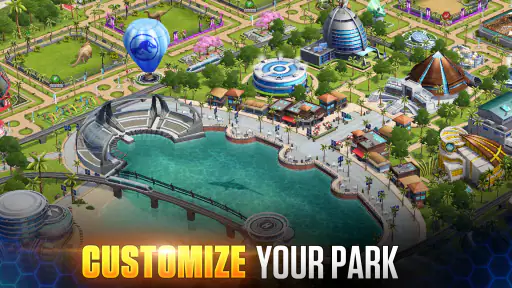
Building Your Very Own Jurassic Park
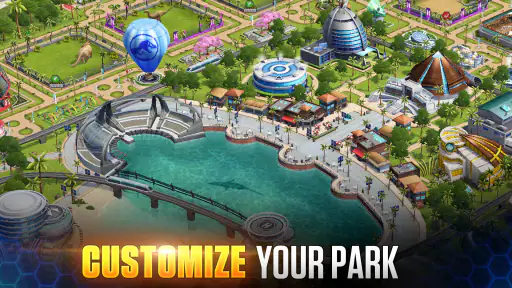
The first thing that strikes you is the breathtaking graphics. The dinosaurs are rendered with impeccable detail, making every roar and stomp feel vividly real. You start with a modest park, and your mission is to transform it into a sprawling dinosaur sanctuary. It’s like playing god, but with more teeth!
As you progress, you’ll find yourself engrossed in the art of park management. From designing the layout to ensuring the safety of your guests, it’s all part of the fun. And let me tell you, nothing is as satisfying as watching your park flourish under your careful guidance.
Reads About Jurassic World™: The Game
The appeal of balancing park and battle
The game’s central pleasure is the connection between building a dinosaur collection and putting that collection to use. The park gives the creatures a home and makes management part of the routine; battles give collecting a more immediate purpose. I like that change of pace. A quiet session can be about tending to the park, while a more focused one can be about choosing a team and thinking through a fight.
That rhythm also shapes how I’d recommend playing. Rather than treating every visit as a push to unlock something immediately, I’d pick one small aim: make progress on the park, work toward a dinosaur, or prepare for a battle. Keeping a clear goal makes the different activities feel connected instead of like a list of chores competing for attention.
The Thrill of the Battle
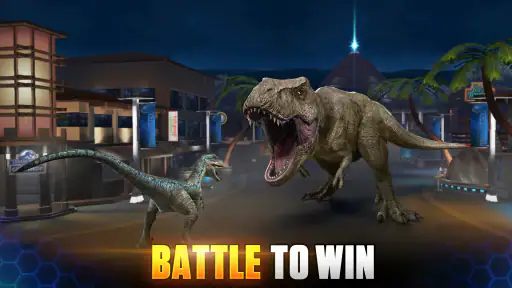
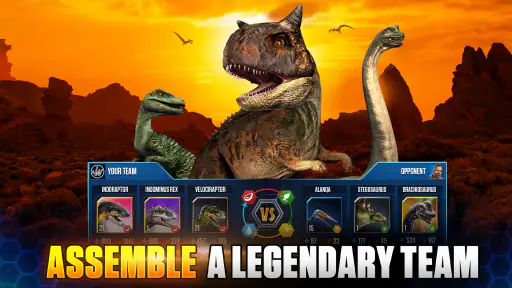
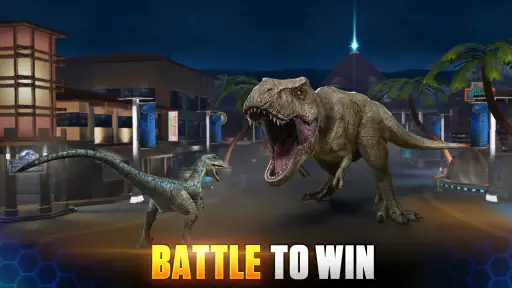
What really amps up the excitement is the battle arena. Here, you gather your dinosaur team to face off against challengers. Each dinosaur comes with its own set of strengths and weaknesses, and strategizing the perfect team is key to victory. Trust me, feeling the ground shake as your T-Rex charges into battle is an adrenaline rush like no other.
The battles aren’t just about brute force; they require a keen strategy. You’ll need to balance attack and defense, making decisions that could make or break your chances of winning. It’s this tactical depth that keeps you coming back for more.
More From Our News Desk

Clash of Clans Is Won Between the Battles

Android Auto Makes the Case for Quieter Car Software

MobiOffice: Transforming Mobile Productivity with Seamless Integration

EA SPORTS FC™ Mobile Soccer: Redefining Mobile Sports Gaming

How Microsoft OneDrive Became a Mobile Productivity Giant

How Google Translate Breaks Language Barriers Effortlessly
For me, the useful habit is to consider the team as a whole, not just reach for the dinosaur that looks strongest. A creature’s role and the balance of your choices matter when you’re deciding how to approach a fight. If I lose, I treat it as a prompt to rethink the lineup and my decisions rather than assuming that adding more power is the only answer. That makes battles feel like a small puzzle, not just a spectacle.
Collecting and Evolving Dinosaurs
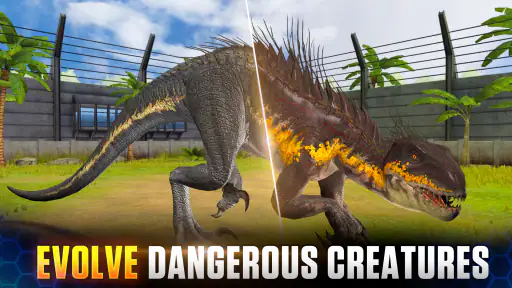
One of the most addictive aspects of the game is collecting dinosaurs. With over 200 species to discover, it’s a paleontologist’s dream come true. The thrill of hatching a new dinosaur and watching it grow never gets old. And when you evolve them? It’s like upgrading a classic car with a turbo engine.
The evolution system adds another layer of strategy. By evolving your dinosaurs, you can enhance their abilities, making them more formidable in battles. It’s a rewarding process that keeps you invested in your prehistoric pals.
A practical trade-off is deciding whether to spread attention across many creatures or develop the ones you already rely on. Collecting is exciting, but a broad roster does not automatically solve every battle problem if your regular choices are underdeveloped. I’d pay attention to which dinosaurs I actually use, then make progress on those before chasing every new addition. That approach gives each evolution a clearer purpose and helps keep the collection from becoming a distraction from the battles.
A good fit for short visits, with a long-term pull
This is easy to fit into an ordinary day if you enjoy having a continuing project on your phone. I can imagine opening it during a break, tending to the park, checking where I’m making progress, and leaving a battle for a moment when I can concentrate. The appeal is less about finishing a single, self-contained session and more about returning to a park and collection that gradually grow.
That structure won’t suit everyone. If you want a simulation game with a calm, uninterrupted building focus, the battles and collection goals may pull your attention in directions you don’t want. If you prefer a tightly focused action game, park management may feel like a detour. I’d choose this one when I want a Jurassic-themed mix of management and tactical decisions, rather than a pure city builder or a battle game with no collection layer.
Making a little progress without losing the thread
A useful way to approach the game is to decide what a satisfying visit looks like before opening it. On a busy day, that might mean checking the park and making one manageable move toward a creature you want. When I have more time, I can focus on a battle and give the team choices proper thought. This keeps a quick check-in from turning into aimless tapping, and it gives longer sessions a clearer purpose.
The distinction matters because the game’s appeal comes from several activities working together, not from every activity needing attention at once. I wouldn’t try to advance every part of the park, collection, and battle roster in a single sitting. Choosing one priority makes it easier to see what I’m working toward and less likely that the game feels like a collection of unfinished errands.
For a realistic routine, imagine opening it during a lunch break: I could take care of a park task, note which dinosaur I’m trying to develop, and save a difficult battle for later, when I can concentrate. That is a better fit than starting a fight while distracted and then feeling compelled to continue because the outcome didn’t go my way. The game works best for me when I treat it as a continuing hobby rather than something that must be completed in one sitting.
How it compares with other mobile simulations
Compared with a conventional city-building simulation, this has a more defined theme and a stronger reason to care about the creatures beyond how they look in the park. The battle layer turns collection into preparation: I’m not only filling a habitat, I’m thinking about which dinosaurs I might use. That extra purpose is a genuine strength if I enjoy both planning and collecting.
The trade-off is that it is less suited to someone who wants building to be the whole point. A dedicated park or city simulator may offer a more focused management mood, while a straightforward battle game can get to tactical choices without asking me to maintain a dinosaur collection and park along the way. Here, the blend is the identity, but it also means neither side is as isolated as it would be in a specialist game.
It also differs from a purely action-led dinosaur game. I’m not coming here for constant direct control or a fast sequence of fights; the longer pull is developing a park and making choices about a roster. If what I want is a quick burst of action with no ongoing management, I’d pick something built around that instead. If I like seeing the consequences of collection and preparation show up in battles, this game’s broader loop is more rewarding.
In-Game Purchases and Progression
Now, let’s talk about the in-game economy. The game is free-to-play, but it does offer in-app purchases. While you can enjoy the game without spending a dime, purchasing resources can speed up your progress significantly. It’s a classic trade-off between time and money.
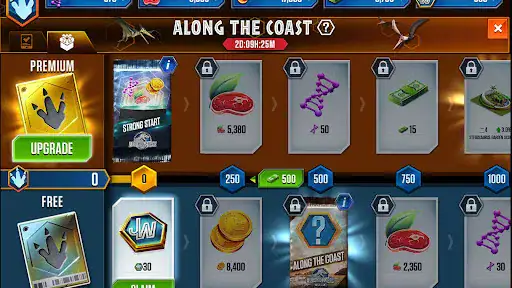
However, the game does a decent job of rewarding players who choose not to spend. Daily missions, events, and login bonuses provide plenty of opportunities to earn in-game currency. So, if you’re patient and strategic, you can build your dinosaur empire without breaking the bank.
Purchases range from $0.99 to $499.99 per item, so I’d treat optional spending with care, especially if a child is using the game. It is rated Teen, and the free-to-play setup makes it worth checking purchase controls before handing over a device. For a no-spend approach, I’d focus on the activities that give me a reason to return and avoid treating every delay as a problem that needs a paid shortcut. Patience is a real part of the experience here.
That choice is easier to manage if I think of spending as convenience, not a requirement for enjoying the central idea. I’d set a personal limit before I start, and if a particular goal is taking time, I’d decide whether I’m still enjoying the routine rather than paying simply to remove the wait. The game’s multiple strands give me other things to do while I work toward a creature or a stronger team, which can make a patient approach feel more natural.
For parents, the practical question is not just whether the game is free to install, but whether a young player can make purchases on the device. I’d check the device’s purchase controls and agree on expectations beforehand. The Teen rating is also worth considering when deciding whether the tone and play style suit the person using it; the dinosaur theme alone doesn’t answer that question.
Community and Events
What’s a game without a community? Jurassic World™: The Game boasts a vibrant community of players. Joining alliances and participating in events adds a social element that enhances the overall experience. Competing in tournaments and collaborating with other players to achieve common goals creates a sense of camaraderie.
The developers frequently update the game with new events and dinosaurs, ensuring there’s always something fresh to look forward to. It’s this commitment to keeping the game dynamic that keeps players engaged and excited.
For someone deciding whether the social side matters, I’d treat it as an option rather than the main reason to start. The park and dinosaur goals already give solo-minded players a clear reason to play, while events and alliances can add a shared objective for people who like comparing progress or working toward something with others. If competitive pressure makes a game less relaxing for you, there is no need to make every event the measure of whether your park is advancing well.
Its reach is considerable: the game has over 100 million installs and an average rating of 4.2 from around 1.9 million ratings. It was released on May 11, 2015, and version 1.87.6 supports Android 7.0 and later. Those details are useful when deciding whether it will run on an older Android device, but they don’t change the main question: do you enjoy a game that asks you to build, collect, and battle over time?
If you’re deciding whether to try it, I’d ask yourself whether you like having several connected goals and don’t mind gradual progress. The free entry makes it possible to see whether the routine appeals before spending, while the purchase options are there for people who value speed more than waiting. I would skip it if I mainly wanted a complete experience in a few short sessions or dislike games that encourage regular returns.
I’d also be cautious if I tend to chase every new collectible as soon as it appears. That instinct can pull attention away from the dinosaurs I actually bring into battles, and it may make the park feel like a backdrop to an endless checklist. Picking a favorite or a practical team to focus on gives the collecting side more shape. Conversely, if I enjoy keeping a long-running collection and don’t mind changing plans as new goals appear, that ongoing variety is part of the charm.
In the end, the strongest reason I’d recommend it is the link between raising a dinosaur collection and using it with a plan. It offers a more involved alternative to a simple park builder, but it asks for patience and a willingness to divide attention between management and battles. Jurassic World™: The Game is a thrilling mix of strategy, management, and action. Whether you’re a dinosaur enthusiast or just looking for an engaging mobile game, it delivers on all fronts. So, ready to dive into the Jurassic era and see if you have what it takes to create the ultimate dinosaur park? Trust me, it’s a wild ride you won’t want to miss.
Jurassic World™: The Game Frequently Asked Questions
Is Jurassic World™: The Game suitable for younger players?
Jurassic World™: The Game is rated Teen, so it may be a better fit for older children and teens than for very young players. Its dinosaur battles and park-management activities give the game an action element alongside its simulation gameplay. Parents can use the age rating as a guide when deciding whether its content is appropriate for their family.
How much does Jurassic World™: The Game cost, and does it include optional purchases?
The game is free to download and play, so you can try its park-building and dinosaur-battle gameplay without paying upfront. It does offer optional in-app purchases, with individual items ranging from $0.99 to $499.99. These purchases are not required to begin playing, but it is sensible to review your device’s purchase settings if children may use the game.
What is Jurassic World™: The Game about?
Jurassic World™: The Game is a simulation and strategy game where players build their own dinosaur theme park. The game involves creating habitats, hatching and evolving dinosaurs, and engaging in battles. It combines elements of park management and action-packed dinosaur encounters, providing an immersive experience for Jurassic Park fans.
Is Jurassic World™: The Game free to play?
Yes, Jurassic World™: The Game is free to download and play. However, it includes in-app purchases for players who want to enhance their gameplay experience. These purchases can range from in-game currency to special packs that offer unique dinosaurs and other benefits.
What are the system requirements for Jurassic World™: The Game?
The current Android version requires Android 7.0 or later. Before downloading, check that your device meets this minimum requirement. Jurassic World™: The Game is a dinosaur park simulation with battles, and a compatible device is needed to install and run it. The game is available for mobile devices, so confirm the version offered in your app store matches your operating system.
Pros
- Stunning graphics and animations.
- Wide variety of dinosaurs to collect.
- Engaging park-building mechanics.
- Regular updates with new content.
- Strategic battle system keeps gameplay exciting.
Cons
- Requires constant internet connection.
- Progress can be slow without in-app purchases.
- Large download size consumes storage.
- Energy system limits playtime.
- Occasional bugs and crashes reported.
- Category
- Simulation
- Version
- 1.87.6