Foundation: Galactic Frontier
- 1.87K
- 4.1
- Installs
- 1.00M
- Price
- Free

Screenshots
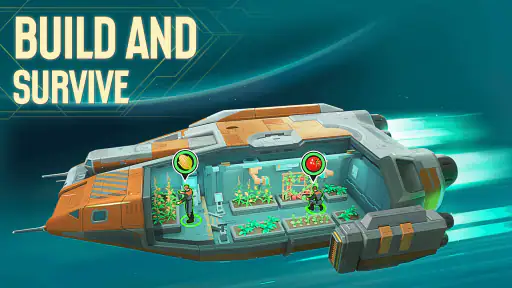
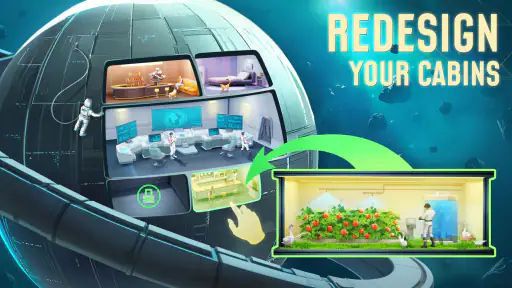
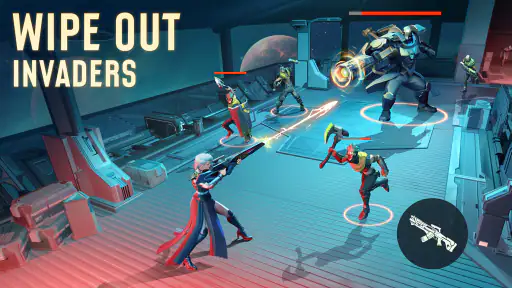

Analysis by Reviewed
Foundation: Galactic Frontier is a strategy game built around the appeal of exploring space and making choices across a sprawling sci-fi setting. What stands out to me is the promise of a galaxy-sized stage: rather than treating each session as a self-contained puzzle, it invites you to think about progress over time. That makes it most appealing when you want a game to return to between other parts of your day, not simply a quick match to finish and forget.
I’d approach it with one expectation in mind: the enjoyment of a space strategy game often comes from deciding what deserves attention now and what can wait. Foundation: Galactic Frontier is a better fit for players who like that gradual rhythm than for anyone looking for a tightly scripted, story-first adventure. Its premise is easy to grasp, but a broad setting is not a substitute for understanding the choices the game puts in front of you. The first sessions are best spent learning at a comfortable pace rather than trying to optimize everything immediately.
A galaxy-wide premise, with strategy at its center
The game is listed as a strategy title, and that is the most useful way to set expectations. Its space theme supplies the atmosphere, while the strategic appeal lies in weighing priorities and making progress within a larger fictional world. I find that combination appealing because it gives routine decisions a sense of context: even a small step can feel like part of a much bigger journey through the galaxy.
FunPlus International AG developed the game, which is free to start. That lowers the barrier to trying it, but it is worth remembering that optional in-app purchases range from $0.99 to $99.99 per item. I would treat spending as a personal limit to decide in advance, not as something to work out after getting invested. A free entry point is useful; it does not mean every route through a long-running game will feel equally comfortable without purchases.
The game has a Teen content rating, so it is aimed at a teen audience and older, rather than being presented as a young-child game. On Android, the stated minimum operating-system requirement is version 7.0. If you’re choosing a game for a shared device, those are practical details to check alongside whether the person using it enjoys strategy and science-fiction themes.
Why the scale matters more than a quick win
The phrase “galactic frontier” suggests room to explore, but I wouldn’t mistake that broad framing for a promise of unlimited freedom or a particular set of mechanics. The more useful takeaway is about mood: this is a game for people attracted to a continuing space-strategy experience. If you usually enjoy tracking a handful of goals and deciding which one matters most, that kind of setting can make the loop more engaging than a sequence of disconnected challenges.
That scale also comes with a potential cost. A galaxy-spanning game can ask for patience before its world feels familiar. Players who prefer an immediate, self-contained objective may find the bigger frame less satisfying, especially if they want to understand every system at once. I’d give the opening a little room to breathe, while being honest with yourself about whether the pace feels rewarding or merely slow.
You May Like

Clash of Clans Is Won Between the Battles

Android Auto Makes the Case for Quieter Car Software

MobiOffice: Transforming Mobile Productivity with Seamless Integration

EA SPORTS FC™ Mobile Soccer: Redefining Mobile Sports Gaming

How Microsoft OneDrive Became a Mobile Productivity Giant

How Google Translate Breaks Language Barriers Effortlessly
How to make the early sessions work for you
My practical advice is to approach each session with one question: what is the next decision I actually need to make? In a strategy game, it is easy to turn every menu, upgrade, or long-term possibility into an urgent task, even when it isn’t. Focusing on one clear objective helps keep a broad space setting from becoming a checklist. It also makes it easier to notice which parts of the game you genuinely enjoy before deciding how much time to invest.
A useful habit is to pause before spending. When an optional purchase is available, ask whether it removes a frustration you understand or merely promises faster progress toward an unclear goal. That distinction matters in games built for ongoing engagement. If you haven’t yet learned what kind of progress feels satisfying, waiting is the safer choice; you can always decide later with a better sense of your own priorities.
I’d also avoid judging the whole experience by a single short session. Strategy games can be less immediately gratifying than action games because part of the pleasure is seeing decisions connect over time. Try it in a few modest sittings, and note whether you look forward to returning. If you feel obliged to check in rather than curious about what to do next, that is a meaningful signal that the format may not suit you.
A good fit for a spare moment, with a caveat
Imagine you have a quiet stretch after dinner and want something more involved than scrolling but less demanding than a long competitive match. A space strategy game can work well there: you can make a considered choice, take stock of your progress, and stop when you’ve reached a natural pause. For this kind of use, I’d keep the goal modest rather than opening the game with an ambition to master its entire galaxy in one sitting.
The caveat is that not every strategy game is naturally suited to brief visits. If the game’s current task requires sustained attention, repeatedly dropping in and out can make the experience feel fragmented. I’d use it when I can give decisions enough thought, rather than trying to play while distracted by messages or other tasks. That small adjustment can be the difference between a relaxing routine and a string of half-finished actions.
It is also worth considering where you want to play. A phone makes a convenient home for a game you return to, but a larger screen may be preferable if you find menus or strategic overviews hard to read on a compact display. That is a personal comfort question, not a reason to assume the game demands a particular device setup. If you tend to play in short bursts on the move, check whether that style feels comfortable before making it your main strategy game.
What the audience response can—and cannot—tell you
The game has an average rating of 4.1 from around 48,000 ratings, with roughly 1,900 written reviews and more than a million installs. Those figures suggest that it has reached a substantial audience and that many players have taken time to rate it. I’d use them as a broad signal of interest, not as a guarantee that its pace, spending options, or style will match your preferences.
It was released on April 22, 2025, and the current version is 1.1.155.240733. The version number is useful when checking that you’re looking at the same release information as other players, but it doesn’t tell you by itself whether the game has changed in ways you’ll care about. For a personal decision, the more important test is whether its central rhythm—returning to a space-strategy world and choosing what to prioritize—sounds enjoyable to you.
Where it sits beside other strategy games
Compared with compact puzzle strategy games, this is a less obvious choice if you want a clean beginning and ending in every sitting. Those games are often easier to pick up for a single challenge and put away. Compared with fast competitive strategy, a galaxy-themed experience is more attractive if you want atmosphere and a continuing sense of scale than if you’re chiefly chasing quick head-to-head decisions.
That difference helps clarify who should skip it. If you want a finished campaign you can complete at your own pace, a traditional story-led game may be a better match. If you dislike ongoing progression or are wary of optional purchases, a paid game with a clear one-time scope could feel more predictable. And if you want immediate action, a real-time combat game is likely to deliver that more directly than a strategy experience built around planning.
On the other hand, players who like to return to one world, think through their next move, and watch a larger journey take shape are the natural audience. The game’s free starting point makes it reasonable to explore whether that style clicks, while its purchase range is a reason to keep a firm boundary if you decide to continue. I’d recommend trying it for the strategic mood, not because a large audience automatically makes it the right choice for you.
Who will get the most from the experience
I’d put Foundation: Galactic Frontier on the shortlist for a friend who enjoys science-fiction settings and is comfortable with progress that unfolds over repeated visits. It makes sense for someone who likes weighing priorities rather than simply reacting, and who can enjoy a broad premise without needing every detail explained immediately. The strongest use case is a regular, low-pressure strategy habit: open the game when you have time to think, decide on one next step, and leave when you’re satisfied.
I’d be more cautious about recommending it to someone who wants no optional spending, dislikes long-term progression, or expects every session to deliver a neat conclusion. That doesn’t make the game a poor choice; it means its appeal depends on the kind of commitment you enjoy. Set your own spending limit, try a few sessions before investing heavily, and notice whether the galaxy gives you reasons to return rather than simply more things to manage.
Overall, this is a promising pick for patient strategy players who want a space setting to give their decisions a larger frame. Its strongest appeal is not that it must suit everyone, but that it offers a particular kind of ongoing experience: measured, exploratory, and best enjoyed without rushing. If that sounds like your kind of game, the free entry point makes a trial sensible. If you’d rather have a concise campaign or instant action, I’d choose a different style instead.
A practical way to decide whether to keep playing
After a few sessions, I’d judge the game by how clearly I can identify a next step that matters to me. That is a more useful test than asking whether I have understood every part of a broad strategy experience. If I can close the game with a simple intention for next time, the ongoing structure is doing its job. If I leave unsure what I was trying to accomplish, I would slow down, focus on one goal, and see whether the experience becomes easier to follow.
For a busy day, that can mean treating a visit as a deliberate check-in rather than an obligation. I might open it during a quiet break, take a moment to understand the choice in front of me, and stop once I have made a decision I feel good about. I would not build a routine around checking constantly; a game should fit around my day, not turn spare moments into a string of duties.
Questions worth considering before you settle in
If you are wondering whether it is suitable for a younger player, the Teen rating is the clearest starting point: I would check that against the player’s age and your own comfort with the game’s science-fiction strategy setting. If you are asking whether it costs money to try, it is free to start, while optional purchases have a wide price range. I’d make that spending boundary clear before anyone gets attached to long-term progress.
Another practical question is whether it suits a short commute or other interrupted play. I would not assume that every task can be paused at an ideal moment; the better approach is to try a brief session when you are not rushed and see whether the decisions feel manageable on your device. If small-screen reading or frequent interruptions make it frustrating, a puzzle game designed around short rounds may be a better everyday companion.
Finally, I’d ask what kind of strategy satisfaction you want. If you like considering priorities in a continuing space setting, this may be worth exploring. If you prefer a clear campaign ending, immediate tactical action, or a game with no optional spending at all, another strategy style is likely to suit you better. That distinction is more important than the size of the audience: the right choice is the one whose pace and scope feel enjoyable in your own routine.
Foundation: Galactic Frontier Frequently Asked Questions
What kind of game is Foundation: Galactic Frontier?
Foundation: Galactic Frontier is a science-fiction strategy and management game set in the universe of Isaac Asimov’s Foundation. It combines base-building, resource management, exploration, and space-faring activities, with story and character interactions alongside strategic decisions. The experience is aimed at players who enjoy developing a settlement and expanding their influence over time; it is not simply a fast-paced action game, so expect progression to involve planning and repeated play.
Is Foundation: Galactic Frontier free to play, and does it include in-app purchases?
The game may be available to download without an upfront purchase, but free access does not necessarily mean every item or progression option is free. Mobile strategy games commonly offer optional in-app purchases, such as currencies, bundles, or time-saving features, and availability can vary by region and version. Check the listing in the official App Store or Google Play before installing, and review purchase settings if you share your device with children.
Does Foundation: Galactic Frontier require an internet connection?
Plan to have a reliable internet connection available, especially when first launching the game, downloading additional content, or using account and multiplayer-related features. Whether all activities work offline can depend on the current version and how the game handles progress synchronization. If you need to play while travelling or without mobile data, check the app-store description and recent player feedback first, and avoid assuming that installed content will remain accessible offline.
Will Foundation: Galactic Frontier run on my Android or iPhone?
Compatibility depends on your device, operating-system version, available storage, and the requirements set for the game in your region. Before downloading, open its official Google Play or App Store listing on the device you plan to use and confirm that the install option is available. Strategy games with detailed environments can also perform differently across phones and tablets, so older or lower-powered devices may experience longer loading, reduced visual quality, or less smooth performance.
Do I need to know the Foundation books or television series to enjoy the game?
Prior knowledge of Isaac Asimov’s Foundation universe is not essential to get started, although familiar names, factions, and ideas may be more meaningful to existing fans. The game presents its own interactive setting and progression, so newcomers can follow along through the material provided in-game. If you are considering it specifically for its story, keep in mind that it also includes management and strategy systems, rather than functioning as a purely narrative adaptation.
Pros
- Explore a large galaxy with varied planets and locations.
- Story missions provide a clear sense of progression.
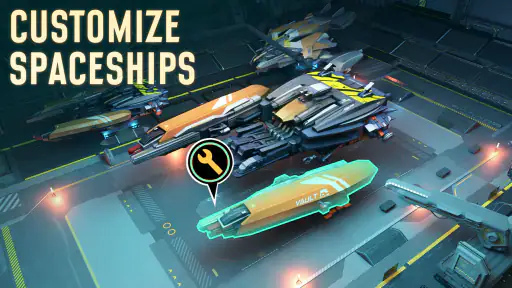
- Ship customization lets you tailor your fleet to your play style.
- A mix of combat and resource management adds variety.
- Its sci-fi setting and faction conflicts suit space-strategy fans.
Cons
- Progress may slow when upgrade materials become scarce.
- Some activities can feel repetitive after extended play.
- Combat relies on automated actions
- limiting direct control.
- Frequent timers may encourage players to check in often.
- New players may need time to understand the many systems.

- Category
- Strategy
- Version
- 1.1.155.240733