Daniel Tiger's Stop & Go Potty
- 108.00
- 4.0
- Installs
- 10.00K
- Price
- $2.99

Screenshots
Analysis by Reviewed
For a young child who is absorbed in play, noticing the need for a bathroom break can be hard; stopping is its own skill. Daniel Tiger's Stop & Go Potty is an educational game from PBS KIDS built around that everyday transition. I see its most useful role as a gentle prompt to talk about routines, not a substitute for a parent’s support or a promise that potty training will suddenly become easy.
A useful fit for a particular moment
This game makes the most sense when a child is beginning to understand the connection between body signals and taking a break from play. It can give a caregiver a concrete starting point for a conversation that might otherwise feel abstract: “What could Daniel do now?” is often easier for a young child to engage with than a direct instruction to stop. I would treat that as a small opening, not evidence that the child is ready for every part of toilet learning.
It is especially well suited to families who already enjoy Daniel Tiger and want a focused activity to accompany a new routine. If a child has no interest in the character, finds screen play frustrating, or is not ready to explore bathroom routines, the familiar branding may not be enough to hold attention. A calm picture book or a straightforward caregiver-led explanation could be a better first step in those cases.
How the game presents a potty routine
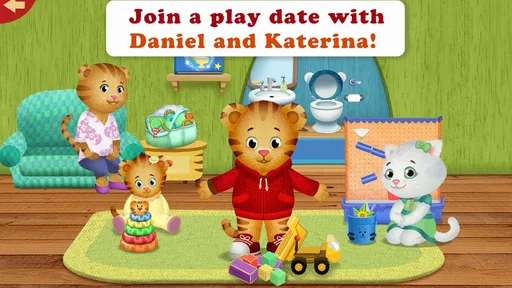
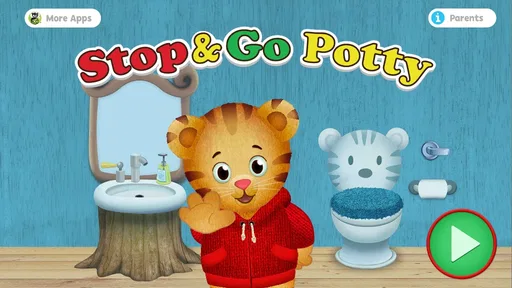
Right from the get-go, the app captures the essence of the beloved TV series with its vibrant colors and familiar characters. The moment you launch the app, you’re greeted by Daniel Tiger and his friends who are all set to embark on a potty training adventure. The app cleverly combines entertainment with education, making use of catchy songs and interactive gameplay to keep the little ones engaged.
Readability, navigation, and the central idea
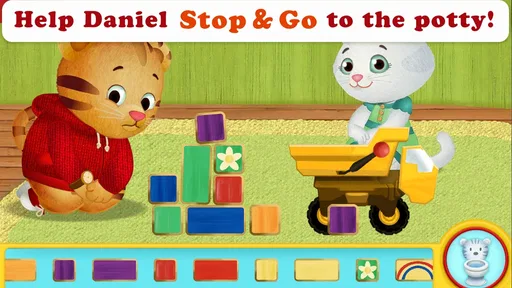
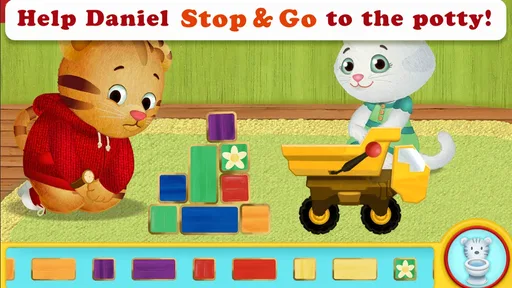
One of the standout features of the app is its engaging storylines that unfold as your child progresses. Kids can choose between different scenarios that teach them when it's time to stop their activities and go potty. This not only aids in developing a routine but also helps children recognize their body’s signals.
The central idea is easy for a caregiver to explain: pause an enjoyable activity, respond to a body cue, and move toward the bathroom. That makes the game most useful when an adult sits alongside a child and connects what happens on screen with the family’s actual routine. A short session before play begins can be a low-pressure way to introduce the subject; returning to it after a real bathroom trip can help a child talk through the steps without turning the moment into a test.
Motor and sensory considerations
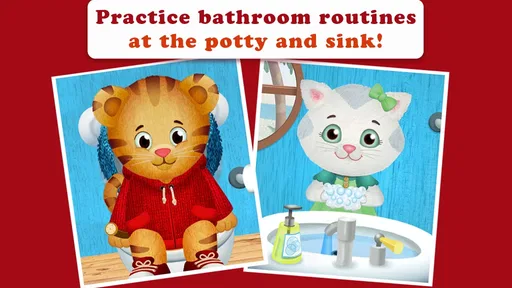
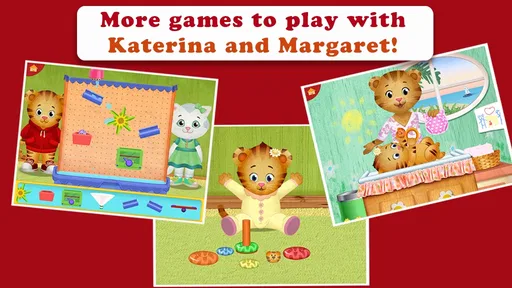
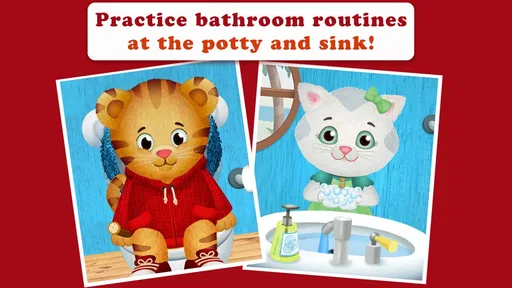
The app includes a variety of mini-games and activities that are designed to be both educational and entertaining. From helping Daniel Tiger wash his hands to flushing the potty, each task reinforces the steps involved in the potty process. It’s not just about going to the bathroom; it’s about understanding hygiene and independence.
More From Our News Desk

 Gmail
Gmail in a Busy Inbox: Who Benefits Most?
From first account to crowded workday, Gmail earns its place through dependable search and flexible sorting—but its best fit depends on how much inbox maintenance you can tolerate.

 Prime Video
Switching to Prime Video: What Changes in Your Viewing Routine
Prime Video can make a compelling second home for streaming, but switching means learning a different catalog, rental layer, and route from browsing to playback.

 Universal TV Remote Control
 Works Best as a Reliable Backup
A phone remote earns its place through quick setup and reliable habits. Here is how to get more from Universal TV Remote Control—and where its limits show.

 Weather - By Xiaomi
Weather by Xiaomi Review: Clear at a Glance, Less Clear Up Close
Xiaomi’s weather app makes everyday forecasts quick to scan, but its calm surface can leave useful details and recovery paths harder to find than they should be.

 X
X Under Pressure: Can It Recover When Posting Goes Wrong?
A resilience-focused review of X, examining setup, mistaken posts, interruptions, weak connections, and the gaps that matter when recovery needs to be dependable.

 Clash of Clans
 Is Won Between the Battles
Its raids are quick; its community is a long-term project of coordination, teaching, rivalry, and shared responsibility—with all the friction that entails.
Latest News



For a child who benefits from seeing a familiar character model a routine, those small actions may be easier to discuss than abstract instructions from an adult. Songs and colorful presentation can make the lesson inviting, but they may also be distracting for a child who is sensitive to sound or prefers quieter activities. I’d introduce it when the child is calm and stop if the music or visual activity seems to make the subject harder to focus on. The app can prompt conversation, while the child’s own pace and comfort should lead the real routine.
Encouragement without pressure
What makes this app even more special is the positive reinforcement it provides. Every time your child completes a task or makes the right decision, they receive encouragement in the form of cheers and virtual stickers. This reward system is fantastic for boosting confidence and motivating them to continue learning.
In practice, I would treat the praise as a chance to notice effort rather than a score to chase. Some children enjoy a cheerful response; others may feel uncomfortable when an activity frames a routine as a performance. A parent can keep the focus on trying, listening to the body, and asking for help, rather than expecting the child to repeat a game action perfectly. That distinction matters because toilet learning varies from child to child, and a game cannot determine when someone is ready.
Using it in real family routines
Parents will appreciate the app’s approach to potty training, as it mirrors the gentle and supportive tone of the TV series. It’s like having a little potty-training coach in your pocket, always ready to offer a word of encouragement when needed.
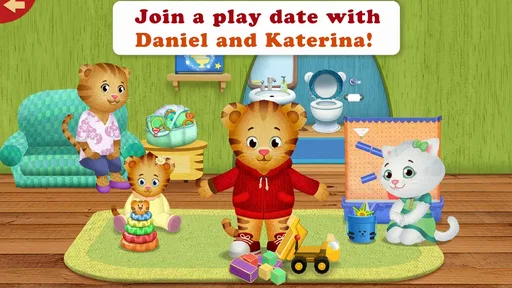
A realistic use is a quiet playtime at home: a caregiver notices a child getting absorbed in a toy, suggests trying the game together, then uses its stop-and-go idea as a friendly reminder before returning to play. It may also give a parent and child shared language for discussing a break during a busy day. I would not rely on the game as a timer or use it to interrupt a child repeatedly; a reminder works best when it fits the child’s needs and the household’s usual routine.
Making the activity work in different settings
Because the game focuses on a single routine, it can be more useful as a planned conversation than as something handed over whenever a caregiver needs to occupy a child. At home, an adult can pause between activities and relate the game’s sequence to what the family actually does. Before leaving for an outing, for example, a caregiver might use the stop-and-go idea to talk about taking a bathroom break before getting absorbed in a trip. The point is to borrow the language, not to make the screen responsible for deciding when a child needs to go.
For a child who needs more time to process a transition, it may help to introduce the game at a relaxed time rather than during an urgent bathroom moment. That gives the adult room to explain the idea and let the child respond without pressure. If the child is already upset or rushing, opening a game may add another transition instead of helping. In that situation, a brief, familiar spoken cue and practical assistance are likely to be more useful.
Where it fits among other potty-learning tools
Compared with a simple potty chart, this game offers a character-led activity and interactive practice rather than a record of real-life progress. Compared with a potty-training book, it invites the child to take part in a digital routine, but a book may be calmer and easier to revisit at bedtime or away from a screen. Neither alternative is automatically better: the choice depends on whether your child responds to Daniel Tiger, enjoys screen activities, or needs a quieter way to learn.
The game is a stronger fit for families who already know the character or want a child-friendly starting point for talking about stopping play and using the bathroom. It is less suitable as the only teaching method, for children who dislike lively screen content, or for caregivers looking for a detailed tracking tool. Pairing it with ordinary explanations and a predictable bathroom routine is more practical than expecting any app to handle the whole process.
Access, cost, and practical limits
Understanding the concerns of parents, the app includes a range of parental controls that allow customization to suit individual needs. You can set reminders for potty breaks and adjust the difficulty level to match your child’s learning pace. This personalization ensures that the app grows with your child, offering new challenges as they become more confident in their potty skills.
Moreover, the app is ad-free, which is a huge relief for parents who worry about unwanted content. Knowing that your child can explore the app safely is a significant advantage.
The game is rated Everyone and costs $2.99. Its current version is Stop & Go Potty 1.2, and it requires Android 4.4 or later. Those details make it worth checking that the intended device can run it and that a paid, focused game suits your budget before handing it to a child. Its audience is deliberately narrow: this is a potty-routine game, not a broad collection of learning activities, so a family seeking varied subjects may get more use from a general educational app.
That narrow focus is both a practical benefit and a limit. A caregiver does not need to sort through unrelated lessons to get to the topic at hand, but a child who has moved beyond this routine may not have much reason to return. I would decide whether the purchase makes sense based on the family’s immediate need and the child’s interest in the character, rather than expecting it to serve as a long-term learning library.
Who is likely to benefit
PBS KIDS released the game on March 3, 2016, and it has an average rating of 4.0 from 237 ratings, with 108 written reviews and over 10,000 installs. I would read those figures as signs of an established, focused title, not proof that it will suit every child. A familiar character and supportive tone are meaningful advantages, but readiness, sensory preferences, and adult involvement still shape whether the game helps.
To get the most from it, I’d let the child explore with a caregiver nearby, keep sessions brief, and connect one idea from the game to the next real bathroom visit. If a child is not interested, there is little value in pushing; a calm conversation, a picture book, or a simple household routine may be a better fit. The useful question is not whether the child completes every activity, but whether the game makes it easier to talk about pausing play and asking to go.
An inclusive verdict for families
I would recommend this as an optional conversation aid for a child who enjoys Daniel Tiger and responds well to bright, musical activities. Its strongest contribution is making a potentially awkward routine feel familiar enough to discuss, especially when a trusted adult joins in and adapts the idea to the child. The game’s educational purpose is clear, but that does not mean every child will find its presentation comfortable or its interaction accessible in the same way.
Families should keep the child’s own communication and movement needs in view while trying it. If a child finds it difficult to follow the screen, needs quieter material, or has a routine that calls for individualized support, the caregiver’s usual approach or guidance from a relevant professional may be more appropriate than relying on a game. I would also avoid treating successful play as a prediction of real-world progress. The value lies in offering one more way to talk, not in setting a standard the child has to meet.
In conclusion, Daniel Tiger's Stop & Go Potty is a wonderful tool for parents embarking on the often daunting potty training journey. Its combination of education, interaction, and fun makes it a standout choice in the sea of potty training apps available today. So, if you’re looking to make potty training a less stressful and more enjoyable experience for both you and your child, this app is definitely worth a try!
Daniel Tiger's Stop & Go Potty Frequently Asked Questions
What does Daniel Tiger's Stop & Go Potty help children learn?
Daniel Tiger's Stop & Go Potty is an educational game built around a simple potty-training message: stop playing and go to the bathroom when you need to go. Its familiar Daniel Tiger theme gives young children a friendly way to engage with that everyday routine. It can support conversations about potty time, though it is best used as encouragement alongside a caregiver’s guidance.
What is the main purpose of Daniel Tiger's Stop & Go Potty app?
Daniel Tiger's Stop & Go Potty app is designed to help children learn about potty training in an engaging and interactive way. Through fun games and songs, it provides guidance and encouragement, making the potty training process less intimidating for toddlers. The app uses characters from the popular PBS series to teach essential bathroom routines and hygiene.
Is Daniel Tiger's Stop & Go Potty suitable for all ages?
Daniel Tiger's Stop & Go Potty is primarily targeted towards preschool children, specifically those who are in the process of learning how to use the potty. While older children might still enjoy the familiar characters, the content is tailored to the developmental needs and interests of toddlers and young preschoolers. Its Everyone content rating makes it suitable for a broad audience, but its potty-training focus is most relevant to families with young children.
What features does the app include to assist with potty training?
The app includes a variety of features to support potty training, such as interactive games, catchy songs, and helpful tips from the characters. These elements are designed to reinforce the potty training process and make it fun. Additionally, the app offers reminders and rewards to encourage children to use the potty regularly, helping to establish positive bathroom habits.
Does the app require parental supervision while children are using it?
While Daniel Tiger's Stop & Go Potty is designed to be child-friendly and easy to navigate, parental supervision is recommended, especially for younger children. Parents can provide additional guidance and support, ensuring that the child understands the concepts being taught and can apply them in real-life situations. The app also offers a parent section with tips and resources.
Pros
- Encourages healthy potty habits.
- Interactive and engaging gameplay.
- Age-appropriate content.
- Educational and fun.
- Supports parental involvement.
Cons
- Limited replay value.
- In-app purchases.
- Requires internet for some features.
- Not customizable.
- Might be too simplistic for older kids.