Cytus II
- 5.49K
- 4.1
- Installs
- 1.00M
- Price
- $1.99

Screenshots

Analysis by Reviewed
I approach rhythm games with one practical question: do I want a focused test of timing, or a music-led experience that gives me a reason to keep coming back? Cytus II, a music game from Rayark International Limited, aims to offer both. Its combination of tap-based play, visual storytelling, and a futuristic presentation makes it a more involved choice than a simple score-chasing time-killer, though that extra structure will not suit everyone.
Choosing the right kind of rhythm game
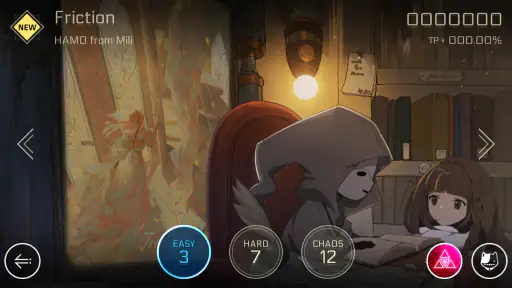
If you like learning songs by replaying them and gradually improving your timing, this is an appealing fit. The changing note patterns ask you to listen as well as react, and different difficulty levels give you room to find a comfortable starting point. I would choose it over a casual music app when I want an active challenge, but not when I just want to put on a playlist and relax without touching the screen.
The game has a 4.1 average from around 135,000 ratings, and it has passed one million installs. Those figures suggest a substantial audience, but they do not tell you whether its style will click with you. The more useful question is whether you enjoy pairing repeated practice with a story and a distinct visual mood.
Unleashing the Beat
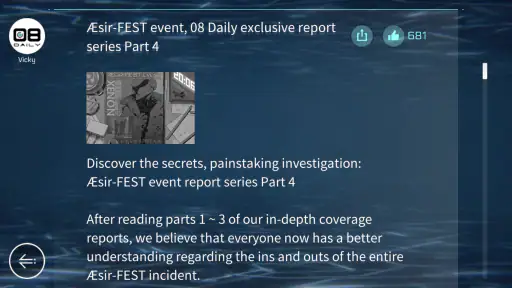
Cytus II isn't just about tapping notes; it's about feeling the music. The game offers a unique blend of rhythm-based gameplay with a compelling storyline that unfolds as you progress. It's like reading a music-infused novel where each chapter is a new song. The visual novel aspect is something I find particularly engaging, providing context and depth to the otherwise straightforward rhythm game mechanics.
Gameplay That Hits the Right Notes
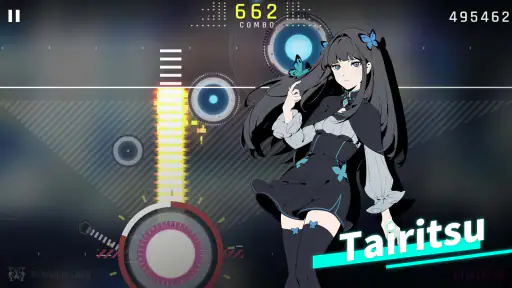
The mechanics are simple yet challenging. As you dive into the game, you’ll be greeted with an array of tracks across various genres. Whether you're into EDM, pop, or classical, there's something for everyone. The on-screen notes appear in sync with the music, requiring you to tap, hold, and slide in time with the beat. It's a test of both rhythm and reflexes, and trust me, it can get pretty intense!
One feature I absolutely adore is the calibration tool, which ensures that your taps are perfectly in sync with the music. This is crucial for a game that's all about timing. Plus, the addition of difficulty levels means you can start as a beginner and work your way up to becoming a rhythm master.
Making short sessions count
For an everyday use case, I can see myself opening it during a quiet break, choosing one track, and replaying it a few times to work on a particular section or difficulty. That is more satisfying than trying to squeeze in a long session when I have only a few minutes. If you play with sound on, headphones can help you follow the beat in a busy place; if you need to stay quiet, the timing challenge still depends on attention, so it is better suited to a calm moment than to multitasking.
More From Our News Desk

Weather by Xiaomi Review: Clear at a Glance, Less Clear Up Close

X Under Pressure: Can It Recover When Posting Goes Wrong?

Clash of Clans Is Won Between the Battles

Android Auto Makes the Case for Quieter Car Software

MobiOffice: Transforming Mobile Productivity with Seamless Integration

EA SPORTS FC™ Mobile Soccer: Redefining Mobile Sports Gaming
A useful habit is to adjust calibration before judging your accuracy, especially if the taps consistently feel early or late. Then stick with one difficulty for a few attempts instead of jumping around: it makes it easier to tell whether you are learning the pattern or simply reacting faster. That small distinction matters in a game where a tough chart can feel unfair when the timing setup is off.
A Musical Art Gallery
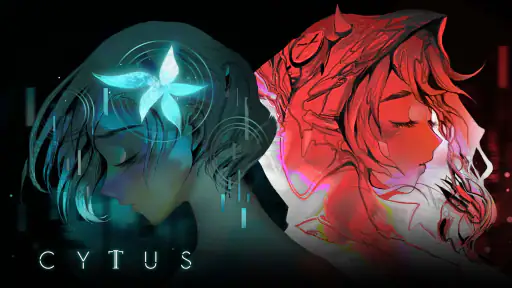
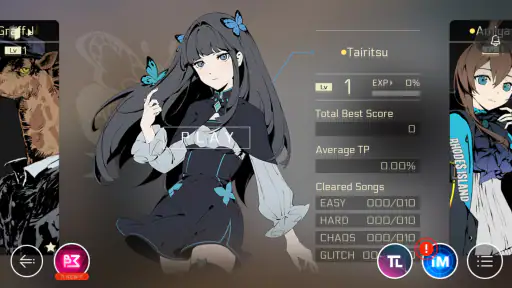
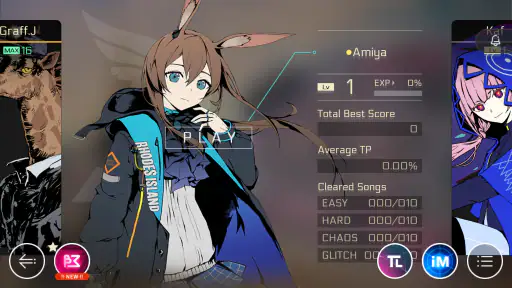
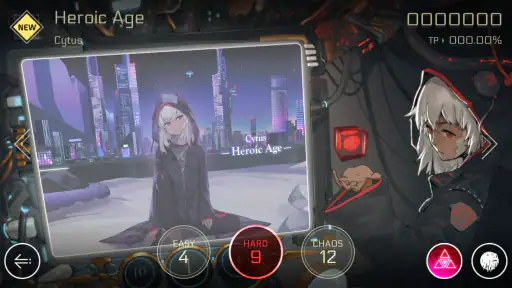
Visually, Cytus II is a treat. The game boasts stunning artwork and vibrant animations that complement its futuristic theme. Each character and stage is meticulously designed, making every session feel like a new adventure. The UI is sleek and intuitive, ensuring that you spend more time enjoying the game rather than figuring out how to play it.
Story, focus, and who should skip it
The story element changes the rhythm-game routine: progress is not only about improving a score, but also about following the narrative as it unfolds. I find that useful when I want a reason to return after finishing a track, though players who prefer an immediate song list and little reading may see the story as a detour. If your ideal music game is a quick round with no surrounding fiction, a more stripped-back rhythm title may be a better match.
It also asks for attention. Tapping, holding, and sliding while reading patterns is a poor fit for a crowded commute or any situation where you cannot look steadily at the screen. I would save demanding charts for somewhere I can sit comfortably. Beginners can ease in through lower difficulty settings, but anyone who dislikes repeating songs to improve may find the central appeal wears thin.
Soundtrack That Stays with You
Now, let’s talk about the heart of Cytus II: its music. The game features a vast library of songs, each with unique compositions that cater to different tastes. The tracks are composed by renowned artists from around the world, which adds a layer of authenticity and diversity to the experience. It’s not just a game; it’s a global musical showcase.
One thing that sets Cytus II apart from its competitors is the continuous addition of new tracks through updates. This keeps the game fresh and engaging, ensuring that players always have something new to look forward to.
What the price means in practice
The game costs $1.99 to get started, with in-app purchases ranging from $2.99 to $79.99 per item. I would treat the initial purchase as a way to try the core experience, not as a promise that every piece of music or possible add-on is included. If you are deciding whether to spend further, first play enough to learn whether you enjoy its chart style, story, and replay loop; extra content is only worthwhile if you want more of that specific experience.
That purchase structure is the main trade-off against free-to-start rhythm games: paying up front may feel less convenient, while optional purchases can make the longer-term cost less obvious. The game is rated Teen, and it requires Android 5.0 or later on Android devices. Its current version is 5.1.2, so I would check that your device meets the requirement before buying; on iOS, use the relevant store’s compatibility details.
Switching from another rhythm game
If you are used to games built around quick rounds and immediate scores, the adjustment is less about learning the basic taps than getting comfortable with Cytus II’s presentation and story-led progression. Compared with a minimalist music game, it gives more context and atmosphere; compared with a title focused mainly on competitive score-chasing, its appeal is broader than a leaderboard-style challenge. I would switch if I wanted music, visual identity, and narrative in one place, but keep a simpler alternative for a fast, no-reading session.
There is also a practical reason not to uninstall your old favorite immediately: rhythm games can feel very different depending on how their patterns match your instincts. Try a few difficulties and genres here before deciding it replaces your usual choice. A song that feels awkward at first may become enjoyable after calibration, but not every player will want to invest that practice time.
Planning a first week with the game
I would make the first few sessions exploratory rather than treating them as a test of skill. Choose a track whose sound you actually like, begin at a comfortable difficulty, and pay attention to whether the note flow feels readable on your device. If a chart seems consistently off despite careful play, revisit calibration before deciding that the game’s timing is not for you. This simple order—check the setup, then assess the chart—helps separate a fixable mismatch from a style you genuinely dislike.
For a realistic routine, imagine having a quiet ten-minute pause between errands. One track can be enough: play it once to learn its shape, then repeat it with one goal, such as handling holds more cleanly or anticipating a faster passage. I would stop when concentration starts slipping rather than pushing through tired attempts. That keeps short sessions satisfying and avoids confusing fatigue with a lack of progress.
When the format becomes a trade-off
The same blend that makes the game distinctive can slow down someone who wants instant access to every song. Story progression asks for a different kind of attention from rhythm play, and a player who is in the mood only to practice may prefer an option that puts charts first. I would also be cautious about buying additional content early: the sensible question is not simply whether more music exists, but whether the current selection and presentation have already earned more of your time.
Screen attention is another practical constraint. This is not a good choice for playing while walking, watching something else, or trying to follow a conversation. Even familiar tracks need enough focus to read their patterns. If you mostly want music during chores or a commute, a streaming app is the more useful tool; if you want your hands and ears engaged together, this game has a clearer purpose.
Final Thoughts
In the world of rhythm games, Cytus II is a standout performer. It combines engaging gameplay, a compelling storyline, breathtaking visuals, and an outstanding soundtrack to deliver an experience that's hard to put down. Whether you're a seasoned rhythm game enthusiast or a newcomer looking to tap into something new, Cytus II has something to offer.
So, if you're ready to dive into a world where music meets gaming, give Cytus II a try. Just a heads up, though - once you start, you might find it hard to stop!
My recommendation
I would recommend it to someone who wants a substantial music game rather than a disposable tapping distraction: especially a player who enjoys replaying tracks, appreciates a visual-novel element, and is happy to spend time learning patterns. I would skip it if you mainly want background listening, dislike story interruptions, or prefer a completely straightforward free option with no upfront purchase.
For me, the strongest reason to choose it is the way its music challenge and narrative sit together, while the main reason to hesitate is the extra commitment that combination asks for. Start with the entry price, get a feel for the timing and presentation, and only consider optional purchases once you know you want to keep exploring its catalogue. That is the clearest way to decide whether this particular blend is worth making room for on your phone.
Cytus II Frequently Asked Questions
Does Cytus II have a story, or is it focused only on music gameplay?
Cytus II brings a narrative together with its rhythm gameplay, rather than focusing only on tapping along to songs. The story is presented alongside the music experience, giving players another reason to continue as they progress. If you mainly want a rhythm game, the music and challenging levels remain central; if you enjoy a storyline too, that adds another layer to the experience.
Can I adjust the challenge as I improve at Cytus II?
Cytus II offers levels with differing degrees of challenge, so players can start with more manageable play and take on harder material as their timing and accuracy improve. This makes it less intimidating for newcomers while still giving experienced rhythm-game players goals to work toward. Expect the most demanding levels to require careful attention to the moving gameplay cues and the music.
Is Cytus II suitable for players who are new to rhythm games?
Cytus II is a music game built around tapping in time with its tracks, so newcomers can expect to learn through playing rather than needing prior experience. Its challenge grows as players take on more demanding levels, making it appealing to people who enjoy improving their timing and accuracy. The Teen content rating is also useful to consider when deciding whether it suits younger players.
What is Cytus II and what makes it unique?
Cytus II is a rhythm-based music game developed by Rayark Games. It's a sequel to the popular Cytus game and offers an immersive music experience with a rich storyline. What sets Cytus II apart is its unique interactive gameplay that combines visually stunning graphics, a diverse range of music tracks, and a captivating narrative that keeps players engaged. The game is known for its challenging levels and the ability to connect music with gameplay in an innovative manner.
Is Cytus II free to play, or are there in-app purchases?
Cytus II costs $1.99 to download and also offers in-app purchases priced from $2.99 to $79.99 per item. Players can buy additional character packs and music tracks to enhance their gameplay. While the base game provides content to enjoy, these optional purchases allow players to expand their experience with more stories and songs. It's worth keeping the extra purchases in mind, especially for younger players.
Pros
- Immersive music experience.
- Stunning visual graphics.
- Wide variety of music genres.
- Challenging gameplay levels.
- Regular updates with new content.
Cons
- Requires internet connection.
- In-app purchases can be costly.
- Steep learning curve for beginners.
- Some levels feel repetitive.
- Occasional app crashes reported.
- Category
- Music
- Version
- 5.1.2