Beat Rider: Neon Rush
- 14.00
- 4.1
- Installs
- 500.00K
- Price
- Free

Screenshots
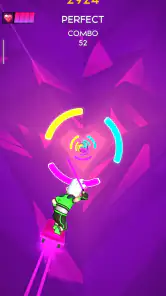
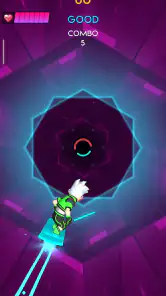
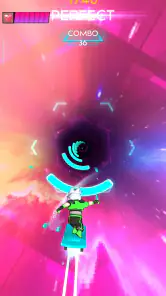
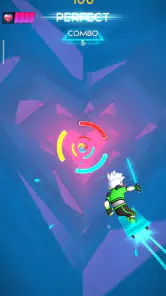
Analysis by Reviewed
When I first came across this rhythm game, I was drawn to its neon look and the promise of a hands-on music challenge. I wanted to know whether the timing would feel satisfying beyond a quick first impression, and whether the bright presentation would help me stay focused or get in the way. My overall view is that it suits short, attentive sessions best: it asks you to react to the music, rather than simply letting it play in the background.
A quick fit check before you play
Beat Rider: Neon Rush is a free music game from MayaGameStudio, released on January 22, 2025. It is rated Everyone and runs on Android 7.0 or later. Its current version is 1.1.0, and its 4.1 average from around 220 ratings, alongside over 500,000 installs, suggests that plenty of players have given it a try. Those figures can help set expectations, but they cannot tell you whether its timing feels right for your hands or whether its music suits your taste.
I would consider it for a short break when I want an active game rather than a playlist I can leave running in the background. The central appeal is having to react to music while steering a rider, so it asks for attention in a way a conventional music player or passive listening game does not. If I had only a few minutes between errands, I would treat a run as a focused burst, not assume I could make meaningful progress while distracted.
Getting Into the Groove
From the moment you launch the game, you're greeted with a neon-infused world that feels like a nightclub on steroids. The game’s interface is slick and intuitive, making it easy to navigate through the various options and levels. What immediately caught my attention was the vast library of tracks available. Whether you're into pop, rock, or electronic beats, there's something to keep your feet tapping and fingers flying.
The Gameplay Experience
The core of the game is simple yet addictive. You ride along a neon track, hitting beats in time to the music. The controls are straightforward, with swipes and taps guiding your rider through complex rhythms and patterns. It's the kind of game that’s easy to pick up but hard to master, which is part of its charm.
One of the standout features for me was the dynamic difficulty adjustment. The game adapts to your skill level, offering a challenge that feels just right. Whether you're a seasoned rhythm game veteran or a newcomer, Beat Rider: Neon Rush ensures that your experience is both fun and challenging.
Building a comfortable rhythm
For a more useful first session, I would focus on learning how the swipes and taps feel before chasing a high score. Rhythm games can make a small timing error feel like a major failure, especially when visual effects are moving at the same time as the beat. Giving yourself a quiet moment to learn the control response can make it easier to tell whether a miss came from your timing or from an unfamiliar pattern.
More From Our News Desk

Weather by Xiaomi Review: Clear at a Glance, Less Clear Up Close

X Under Pressure: Can It Recover When Posting Goes Wrong?

Clash of Clans Is Won Between the Battles

Android Auto Makes the Case for Quieter Car Software

MobiOffice: Transforming Mobile Productivity with Seamless Integration

EA SPORTS FC™ Mobile Soccer: Redefining Mobile Sports Gaming
A realistic use case is playing during a commute break or while waiting for someone, with headphones on and enough attention to follow the track. I would avoid starting a run while crossing a busy space or trying to answer messages: the appeal depends on reacting in time, and interruptions can make the experience feel harsher than it is. If a section feels difficult, taking a pause and returning with fresh attention is more sensible than repeatedly pushing through while frustrated.
Visuals and Audio
The developers have done a commendable job with the game’s aesthetics. The neon graphics are not just eye candy; they are a crucial part of the experience. As you hit beats and accumulate combos, the background comes alive with dazzling effects that add to the adrenaline rush.
The audio experience is where the game truly shines. Each track is professionally produced, with crystal-clear audio quality that makes every beat resonate. Playing with headphones is highly recommended to fully immerse yourself in the rhythm and energy of the game.
Where the trade-offs show
The energetic presentation is part of the fun, but it may not be ideal for everyone. Players who prefer calm visuals, slower play, or music they choose themselves may find the neon intensity and game-led rhythm less relaxing than a standard music app. Likewise, someone looking for a deep music library organized around personal listening habits may be better served by a music service; this is built around interactive timing, not simply picking a song and letting it play.
There is also a practical trade-off between spectacle and concentration. Bright effects can make a successful streak feel exciting, yet busy visuals may compete with the cues a player needs to read. I would try playing in a comfortable setting and pay attention to whether the effects help me stay engaged or make the beat harder to follow. That distinction matters more than whether the graphics look impressive in a quick glance.
Customization and Progression
Customization options allow you to personalize your rider and track, adding a layer of depth to the game. Unlocking new skins and tracks provides a sense of progression that keeps you coming back for more. The game also includes a leaderboard, which is a great way to measure your skills against friends and players worldwide.
Progress, pressure, and fair play
Unlocks and score comparisons give repeat sessions a purpose, but I would treat the leaderboard as motivation rather than proof of skill in a perfectly even contest. A personal best is the clearest benchmark for whether I am improving, since another player’s result may reflect different experience or play habits. If competition makes a rhythm game stressful, focusing on cleaner timing and a better run of my own is a more enjoyable way to use the progression loop.
On spending, the useful confirmed point is that the game is free to download. That does not by itself establish whether optional purchases exist or what they might involve, so I would not assume that skins, tracks, or progress require payment—or that every item is earned in the same way. Before spending, I would check any purchase prompt carefully and decide whether it offers something I actually want. Players who prefer to avoid optional spending can still make an informed choice by reviewing what the game presents before confirming anything.
What I would check for myself
A few practical questions are worth answering during your own first session: does the rhythm feel responsive on your device, are the available tracks ones you want to replay, and do the visuals remain readable when the action gets busier? Those are personal fit questions rather than details a rating can settle. The same goes for how much of the customization and progression is available through play; I would judge that from the options shown in the game instead of planning around assumptions.
That makes the game a stronger match for someone who enjoys learning patterns, repeating a run to improve, and using music as an active cue. I would be less likely to recommend it to a player who mainly wants an open-ended music experience, dislikes score pressure, or finds rapid visual movement tiring. Neither preference is wrong; they simply point toward different kinds of music entertainment.
Making the most of a short session
I would use a first play session to answer practical questions in a deliberate order. Start with a track that feels comfortable rather than treating the hardest available challenge as a test of whether the game is good. That gives you a clearer sense of the basic swipe-and-tap response. Once the controls feel familiar, try a more demanding run and notice whether the challenge comes from reading the rhythm or from keeping up with the visual movement. That distinction can tell you whether practice is likely to help.
For a commute or a waiting room, the game is most useful when you can give it your full attention for a few minutes. A useful habit is to stop after a run that felt unusually messy, rather than immediately repeating it while annoyed. Coming back with fresh focus makes it easier to tell whether you have learned a pattern. It also avoids turning a quick diversion into an obligation to chase a score.
Who will enjoy the ride—and who may not
I would recommend trying it to someone who enjoys rhythm challenges, likes bright arcade-style presentation, and gets satisfaction from improving through repetition. It is also a reasonable fit for players who want music to guide an active task instead of serving as background sound. The combination of steering and beat timing gives the music a practical role in play, which is a different kind of engagement from tapping along casually.
I would steer away from it if you want to choose your own music collection, play without reacting quickly, or use a game mainly to decompress after a tiring day. People sensitive to flashing or busy visuals should also be cautious and judge their comfort early. If the screen competes with the beat, or the score makes each miss feel irritating, a calmer music game or a regular player will probably be a better fit.
How it sits beside other music games
Compared with a traditional rhythm game built around fixed lanes or familiar note charts, the rider-on-a-track framing gives this one a more kinetic feel. That can make it appealing if you want music play to feel like movement through a space, but it may be less comfortable for someone who prefers a clean, static chart that keeps attention on note timing alone. I would choose based on which visual language helps you read a beat, not simply on which one looks more dramatic.
It also occupies a different place from music-based casual games that reward occasional taps without asking for sustained concentration. Here, the appeal described by the controls and rhythm depends on staying attentive. A conventional music service is still the better choice for discovering and listening to songs without interruption; a quieter puzzle or casual game is a better option when you want something forgiving. This one makes the most sense when you specifically want to play along with music.
What the ratings can and cannot tell you
The game has an average rating of about 4.1 from around 220 ratings, and more than 500,000 installs. I take that as a sign that it has attracted a meaningful audience, not as a guarantee that its timing, soundtrack, or visual effects will work for every player. Music preference is personal, and rhythm controls can feel very different depending on a person’s habits and device.
That is why I would use a short trial to judge the essentials instead of treating popularity as a shortcut. Does the beat remain easy to follow when the screen becomes lively? Do you want to replay a track after a miss? Does the challenge feel motivating rather than punishing? Your answers to those questions are more useful than a broad score when deciding whether to keep playing.
In conclusion, this is a captivating rhythm game that blends vivid visuals with an energetic audio experience. It challenges you to improve your scores while keeping each run focused on timing and movement. If you're looking for a rhythm game that will keep you on the edge of your seat, it is worth considering. I would put on headphones, give the controls a fair try, and see whether the music and visual pace feel exciting or distracting to you.
My trust verdict
My recommendation is measured but positive: I would try it if I wanted a free, hands-on rhythm game with a vivid style and reasons to revisit tracks. I would not choose it as a substitute for a music player or a low-pressure way to unwind, and I would make spending decisions only after checking the actual in-game choices. Its appeal is specific rather than universal, which is exactly why a brief trial focused on controls, audio, and visual comfort is the best way to decide whether its neon ride suits you.
Beat Rider: Neon Rush Frequently Asked Questions
Is Beat Rider: Neon Rush suitable for children?
Beat Rider: Neon Rush is a music game rated Everyone, so its content is intended for a broad audience. Its core appeal is rhythm-based play: you ride a sonic skateboard, slash beats, and try to keep in time with the music. Parents can still check the game themselves and decide whether its action, sound, and visual style suit their child.
Who developed Beat Rider: Neon Rush, and is it a popular game?
Beat Rider: Neon Rush was developed by MayaGameStudio. It has passed 500,000 installs and has an average rating of 4.1 from 223 ratings, with 14 written reviews. Those figures suggest that players have shown interest in the game, though ratings are only one way to judge whether its rhythm-focused gameplay and neon presentation match what you enjoy.
What is Beat Rider: Neon Rush and how does it work?
Beat Rider: Neon Rush is a rhythm-based game that combines fast-paced action with an electrifying soundtrack. Players must navigate through neon-lit tracks, synchronizing their movements with the music's beat. The game challenges your reflexes and timing, offering a thrilling experience as you progress through various levels and unlock new tracks and features.
Is Beat Rider: Neon Rush free to play or does it have in-app purchases?
Beat Rider: Neon Rush is free to download and play, but it does offer in-app purchases. These purchases can enhance your gaming experience by providing access to premium features, additional tracks, and customization options. While the game can be enjoyed without spending money, some players may choose to invest in these extras to enhance their gameplay.
What are the device requirements to run Beat Rider: Neon Rush?
Beat Rider: Neon Rush requires Android 7.0 or later. Its current version is 1.1.0, and checking that your device meets the operating-system requirement before downloading can help you avoid compatibility problems. The game’s neon visuals and rhythm action are designed around quick timing, so a device that responds reliably to your inputs can make play more comfortable.
Pros
- Visually stunning neon graphics.
- Intuitive and responsive controls.
- Varied music track selection.
- Engaging and challenging gameplay.
- Frequent updates with new content.
Cons
- Occasional in-game ads.
- Requires internet connection.
- Limited free content access.
- High battery consumption.
- Some tracks are repetitive.
- Category
- Music
- Version
- 1.1.0