zeta: AI Chat, Story, Play
- 8.49K
- 4.5
- Installs
- 5.00M
- Price
- Free

Screenshots


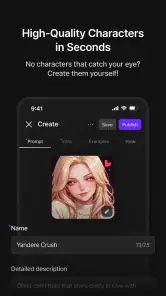

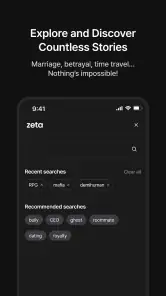
Analysis by Reviewed
The first appeal of zeta: AI Chat, Story, Play is easy to understand: it turns a spare moment into a conversation that can go somewhere. Rather than opening a conventional game with fixed objectives or scrolling through a feed, I can settle into an exchange with a character and help shape what happens next. That makes it an entertainment app for people who enjoy improvised stories, character-driven chat, and the small surprise of not knowing exactly how a scene will develop.
My first-week impression is that the format is strongest when I treat it as playful fiction, not as a replacement for a friend or a polished novel. Scatter Lab, Inc. has built an experience around chatting with characters and exploring story possibilities. The appeal is immediate, but the more useful question is whether that novelty can support a habit. For me, the answer depends on whether I enjoy returning to the same fictional thread, rather than simply sampling a new character every time I open the app.
From first chats to a repeatable routine
Why the opening sessions feel inviting
Starting a conversation is a low-effort way to get into a story. I do not need to learn a complicated control scheme or plan a long session before beginning. I can respond in my own words and see the scene continue, which gives the interaction a more personal feel than choosing among a few preset dialogue options. That flexibility is a real strength for anyone who likes to improvise, even if the result is best approached as collaborative play rather than carefully edited writing.
A practical way to try it is to give a character a clear direction early. If I want a light exchange, I can keep my replies playful; if I want a tense or dramatic scene, I can establish that tone instead of waiting for the conversation to discover it on its own. This small habit helps make the session feel more intentional. It also gives me a better basis for judging whether the character and premise are a fit, rather than blaming the whole app after one unfocused chat.
The app is free to install and sits in the entertainment category, so it is easy to test without treating it as a serious commitment. It has a 4.5 average from around 204,000 ratings, with more than 5 million installs. Those figures suggest that the chat-and-story format has broad appeal, but popularity does not guarantee that every conversation will land for every reader. I would use the first few sessions to find out whether I enjoy guiding fiction through dialogue, not as proof that I need to keep using it.
What gives it value after the novelty
For longer-term use, the strongest value is the ability to return to an ongoing fictional mood. A short exchange can work as a small creative break: I might pick up a scene during a commute, continue it later when I have more time, or use a character prompt to get past the blank-page feeling when I want to imagine a story but do not want to write one from scratch. The app is more rewarding when I bring a little intention to those visits instead of treating every opening as a search for instant entertainment.
One useful approach is to keep a mental note of the premise and tone that made a conversation enjoyable. When I return, I can steer the next replies toward that same thread instead of repeatedly restarting with unrelated ideas. This is especially helpful if a chat begins to drift: a concise reminder in my next message can re-establish the setting or relationship I want to explore. It is a simple workflow, but it makes a conversation feel more coherent and reduces the temptation to abandon it at the first uneven response.
Compared with ordinary social networks, zeta is less about keeping up with people I know and more about entering a fictional exchange. Compared with a conventional interactive story, it gives me more freedom to phrase replies, but that freedom also means the pacing and quality can feel less controlled. If I want a tightly authored plot with dependable structure, a narrative game is likely the better choice. If I want to actively shape a loose scene, chat can feel more immediate and open-ended.
Keeping the experience manageable
The maintenance burden is modest in one sense: this is not an app that asks me to organize a complicated collection or learn a deep system before I can enjoy it. The main upkeep is attention. A continuing story is easier to enjoy when I remember what I wanted from it, and frequent switching between characters can make the experience feel scattered. I get more out of a few deliberate sessions than from opening the app repeatedly without a particular mood or idea in mind.
It is also worth deciding in advance how much time I want to give a conversation. Open-ended chat can make a quick check-in stretch longer than expected because each reply invites another. I find it helps to enter with a small purpose—continue one scene, try a new premise, or simply enjoy a brief exchange—and stop when that purpose is met. That is not a feature of the app so much as a practical way to keep a flexible entertainment format from turning into unplanned screen time.
The current version is 3.50.29, and the app is listed for Android 7.0 and later. It is free, but in-app purchases range from $1.99 to $139.99 per item. That spread makes it sensible to explore the free experience before spending. I would only consider a purchase after I had found a repeatable reason to return, and after checking the item and price shown at the point of purchase. A large menu of possible spending is not itself evidence that payment will improve a particular person’s experience.
Where fatigue can set in
The same openness that makes the chat appealing can also wear thin. A conversation may not maintain the exact voice, pacing, or direction I hoped for, and free-form replies require more patience than tapping through a finished script. If I want dependable plot beats, consistent prose, or a clear ending, I may find myself doing too much steering. In that situation, a book, a scripted visual story, or a traditional game can offer a more satisfying use of the same free time.
Another possible source of fatigue is novelty chasing. Sampling character after character can feel exciting at first, but it may leave me with many beginnings and no memorable arc. I get a better sense of the app’s lasting value when I stay with a promising conversation long enough to see whether the premise continues to interest me. Conversely, there is no need to force a story that has stopped working; moving on is reasonable, especially when the experience is meant to be casual entertainment.
The age rating is Mature 17+, so I would not treat the app as suitable for younger users simply because its interface is conversational. Adults should also be comfortable with mature-oriented entertainment before choosing it. That rating is a meaningful part of the decision, not a detail to overlook when sharing a device or recommending the app to someone else.
Who should keep it installed?
I can see zeta earning lasting space for someone who likes character chat, enjoys shaping scenes through their own words, and wants an entertainment option that can fit into short or flexible sessions. It may also suit people who like creative prompts but do not always want the effort of drafting a full story themselves. The best routine is likely personal: a few purposeful returns to a story or character that genuinely holds attention, rather than a daily obligation to check in.
I would skip it if I primarily want a conventional game with clear goals, a finished narrative, or reliable progress through a designed sequence. I would also avoid expecting it to function like a real social network; its appeal is fictional interaction, not keeping in touch with people in my life. And if I am easily pulled into open-ended chats or uncomfortable with mature-rated entertainment, another form of leisure may be a better fit.
A long-term verdict based on habit, not hype
My verdict is that zeta can remain worthwhile after its initial novelty, but only for the right kind of user. Its recurring value comes from the pleasure of continuing or reshaping a conversation, not from a promise that every chat will become compelling. I would install it for an easy way to play with character-led fiction, give it time to prove that a few stories hold my interest, and keep spending optional until that pattern is clear.
That makes it a good fit for curious adults who enjoy improvisation and a weaker fit for readers who want a carefully controlled plot or players who need defined objectives. The app is free to start, while optional purchases make a cautious trial especially sensible. If I were recommending it to a friend, I would say: try a clear premise, guide the exchange toward the tone you enjoy, and judge it by whether you genuinely want to return a week later. If that urge is there, it has earned a place in your entertainment rotation; if not, the format may simply be a fun first-week experiment.
zeta: AI Chat, Story, Play Frequently Asked Questions
What is Zeta: AI Chat, Story, Play?
Zeta: AI Chat, Story, Play is an entertainment app centered on conversations with AI characters. Depending on the characters and features available in your version, you can chat, explore interactive stories, and take part in role-play scenarios. The experience is designed for creative, casual use rather than as a source of verified information, professional advice, or communication with real people.
Is Zeta: AI Chat, Story, Play free to download and use?
The app may be available to download without an upfront charge, but access to particular features can depend on the current version, account options, or in-app purchases or subscriptions. Check the app-store listing and the payment details shown in the app before confirming a purchase. Pricing, free allowances, and included features can change, so do not assume every chat or story option is unlimited.
Do I need an account or an internet connection to use Zeta?
Account requirements and available sign-in methods can vary by platform and app version, so review the setup screen and privacy information when you install it. AI conversations generally require an internet connection because requests are processed online; offline use may be limited or unavailable. A stable connection can also help conversations load and respond more reliably.
Are conversations on Zeta private, and what should I avoid sharing?
Before chatting, read Zeta’s privacy policy and the data disclosures in the relevant app store to understand what information may be collected, retained, or processed. As with other online AI services, avoid entering passwords, payment details, precise location, or sensitive personal information. AI characters are not real people, and a conversation should not be treated as confidential professional support.
Is Zeta: AI Chat, Story, Play appropriate for children?
Suitability depends on the content available in the app, its age rating, and any current parental controls or content settings. Interactive character chats and role-play can sometimes touch on mature or unexpected themes, so parents and guardians should check the store rating, review settings, and supervise younger users. Do not rely on an age rating alone to determine whether the app is appropriate for a particular child.
Pros
- Offers several AI experiences
- including chat
- storytelling
- and role-play.
- Supports creative prompts for exploring different characters and scenarios.
- Can provide an interactive alternative to passive reading.
- Useful for brainstorming story ideas and dialogue.
- Combines multiple types of AI interaction in one app.
Cons
- AI replies may be inaccurate
- inconsistent
- or repetitive.
- Role-play conversations can lose track of earlier details.
- Some features or usage may require payment or in-app purchases.
- Requires an internet connection for AI responses.
- Avoid sharing personal or sensitive information in chats.

- Category
- Entertainment
- Version
- 3.50.29