Wonder: Food Delivery
- 1.03K
- 4.5
- Installs
- 500.00K
- Price
- Free

Screenshots

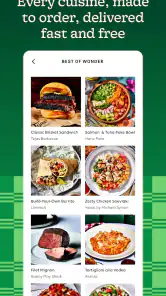
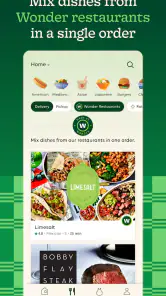
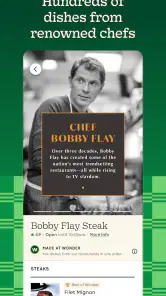
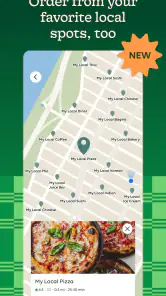
Analysis by Reviewed
I first approached Wonder: Food Delivery as the sort of app that could be exciting for a busy evening and forgettable afterward. Food delivery services often win me over quickly, then lose their place on my phone once the first few orders are finished. Wonder has a stronger chance of becoming a repeat-use tool because it focuses on bringing restaurant meals to the home without asking me to plan a full shopping trip or settle for the most obvious takeaway option.
My experience with it fits best into the rhythm of ordinary life: a late workday, an unexpectedly busy weekend, or a night when everyone wants something different. It is a free Food & Drink app from Wonder Group, Inc, aimed at an Everyone audience, and its store summary describes the central idea simply: top restaurants delivered. That simplicity is useful, but it also means the real test is not whether the app is pleasant during the first order. The real question is whether it remains convenient after the novelty wears off.
From first-order appeal to a useful routine
Why the first week feels easy
The strongest early impression is that the app is built around reducing decision friction. Instead of treating dinner as a research project, I can open it with a particular mood in mind and start browsing restaurant meals. That matters when I am hungry and do not want to compare several unrelated services, search individual restaurant websites, and then work out delivery details separately.
I also like the difference between ordering a prepared restaurant meal and using a grocery app. Grocery delivery is better when I want ingredients, planned meals, or household supplies. Wonder is more suitable when the goal is immediate comfort and minimal preparation. Traditional takeaway by phone can still work, especially for a familiar local restaurant, but it does not offer the same browsing experience or the convenience of keeping the whole order process in one place.
The first-week appeal is particularly clear for households with mixed tastes. One person may want something filling, another may prefer a lighter meal, and someone else may be choosing for a child. A delivery app is only genuinely useful when it helps with that negotiation. I found the best approach was to decide on the type of meal before opening the app, then use the available restaurant choices to narrow the decision rather than scrolling without a plan.
That small habit makes a noticeable difference. Food apps can encourage endless browsing because every menu looks tempting. I recommend setting a short limit for choosing, especially on a work night. Wonder is most helpful when it removes effort, not when it becomes another source of indecision.
A realistic evening with the app
Imagine arriving home later than expected with no energy to cook. I would open Wonder, check the restaurant options, choose a meal that suits the household, review the order carefully, and place it without switching between several services. The useful part is not only the food arriving at the door. It is the time saved from deciding what to make, checking ingredients, and cleaning up afterward.
More From Our News Desk

Clash of Clans Is Won Between the Battles

Android Auto Makes the Case for Quieter Car Software

MobiOffice: Transforming Mobile Productivity with Seamless Integration

EA SPORTS FC™ Mobile Soccer: Redefining Mobile Sports Gaming

How Microsoft OneDrive Became a Mobile Productivity Giant

How Google Translate Breaks Language Barriers Effortlessly
For this kind of situation, the app works as a pressure-release valve rather than a replacement for every meal. I would not use it as my default answer to breakfast, packed lunches, or planned weekly cooking. Its value rises when time and energy are scarce. That is also why the app may feel less impressive on a quiet day when I already have food at home.
The app has earned a 4.5 average from around 7.3 thousand ratings, which suggests that many users find the overall experience dependable enough to rate positively. I treat that as encouraging rather than decisive. Delivery quality can depend on the restaurant, the order, and the local experience, so an average cannot tell me whether every meal will suit my preferences.
What makes the choice more practical
One useful way to use Wonder is to build a small personal shortlist after the first few orders. I would remember which restaurants fit a quick solo meal, which ones work for sharing, and which choices travel well. This is more effective than assuming the most appealing menu photo will always produce the best dinner.
I also recommend checking the complete order before confirming it, particularly when ordering for several people. Delivery mistakes are more frustrating when the order contains multiple meals or custom requests. Taking a moment to verify the restaurant, items, quantities, and destination is a simple step, but it protects the convenience that made the app attractive in the first place.
Another practical insight is to use the app as a backup in a weekly routine rather than as an automatic reflex. I might reserve it for one demanding evening, an unplanned guest situation, or a weekend treat. That keeps the service feeling useful and makes it easier to notice whether it is genuinely saving time or merely making spontaneous spending easier.
What remains valuable after the novelty fades
Month-to-month value depends on repetition
After the first few uses, the question changes from “Can I order something appealing?” to “Will this continue to solve a problem for me?” In my view, Wonder has lasting value for people whose schedules change often. If dinner decisions regularly happen at the last minute, having a familiar delivery option can become a real part of the weekly routine.
The app is less compelling for someone who lives near a favorite restaurant and prefers collecting food personally. In that situation, a direct restaurant order or a short walk may be cheaper, faster, or more predictable. It is also not the best fit for someone who enjoys meal planning and already has a well-organized grocery routine. Wonder earns its place through convenience, so anyone who does not need that convenience may not open it often enough to justify keeping it installed.
Its long-term usefulness also depends on discovering a range of occasions rather than ordering the same meal repeatedly. I would use it differently for a solo lunch, a family dinner, and an evening with friends. That variety helps the app remain relevant. If I only use it for one favorite dish, the experience can become repetitive and the app starts to feel like a shortcut to a single order rather than a dependable food companion.
There is a trade-off here. More choice can make the app useful for different situations, but it can also increase the time spent browsing. My solution is to treat the restaurant list as a set of tools: quick meals, sharing meals, comfort food, and special-occasion choices. That mental grouping is more useful than trying to remember every option.
Who gets the most from it
I would recommend Wonder most strongly to people who value time over the lowest possible meal cost, households that regularly struggle to agree on dinner, and users who want restaurant food without making a separate trip. It can also suit someone moving between work, study, childcare, and home responsibilities, where cooking plans often fail because the day changes.
The app may be especially helpful for occasional hosting. When friends arrive unexpectedly, ordering through a single food-focused app can be easier than asking everyone to search independently. I would still check the menu and order details carefully, because group meals create more opportunities for omissions and mismatched preferences.
On the other hand, I would skip it if my priority were strict budgeting, maximum control over ingredients, or supporting one local restaurant directly. Cooking remains the better option for predictable costs and dietary control. Grocery delivery is better for planned meals. Direct ordering may be preferable when I already know exactly what I want from a particular restaurant.
How it compares with familiar alternatives
Compared with cooking, Wonder wins on immediate effort and loses on planning control. Compared with grocery delivery, it is designed for a ready-to-eat experience rather than a stocked kitchen. Compared with calling a restaurant, it provides a more visual way to explore choices, but a direct conversation can sometimes be better for unusual requests or detailed questions.
Compared with using several separate delivery services, the appeal is having a focused destination for restaurant meals. The limitation is that no single app can guarantee that every restaurant, dish, or local delivery experience will be the best available choice. I would keep Wonder as one useful option, not assume it must replace every other way I order food.
The app has passed half a million installs, which gives it a substantial user base without changing the personal decision each reader has to make. For me, the important point is whether the available selection and ordering experience match my regular needs. A large audience can indicate broad appeal, but it does not automatically make the service right for a household with very specific dietary, location, or budget requirements.
Keeping the routine from becoming wasteful
The main maintenance task is not technical; it is behavioral. I need to avoid opening the app simply because I am tired and then ordering before checking what is already available at home. A useful routine is to look at the kitchen first, decide whether delivery solves a real problem, and only then browse. This preserves the convenience while reducing impulse decisions.
I would also keep a short note of meals that arrived in good condition and suited the people ordering them. That avoids repeating disappointing choices and makes future orders quicker. It is a small personal system, but it turns the app from an endless catalogue into a practical shortlist.
Wonder is free to install, which makes trying it low-risk. Still, “free” does not mean every order is inexpensive. The meaningful cost is the complete meal and delivery transaction, so I judge the app by the time it saves and the satisfaction of the food, not by the absence of an app download charge.
Where fatigue begins
The first source of fatigue is menu repetition. Even a broad food app can feel narrow if I keep choosing the same familiar meals. The solution is not to order something random every time; it is to alternate between reliable choices and occasional experiments. That gives the service a chance to stay interesting without turning dinner into a gamble.
The second source is decision overload. Browsing feels enjoyable when I am curious and exhausting when I am hungry. I found that choosing a budget range, cuisine mood, or meal purpose before opening the app makes the experience calmer. If I cannot decide quickly, I take that as a sign to choose a dependable meal rather than continue scrolling.
The third issue is that delivery convenience can hide the effort involved in receiving and checking an order. When several meals arrive, I need to confirm that everything is present and suited to the people who ordered it. That is not a flaw unique to Wonder, but it is part of the real workload of delivery that polished app screens can make easy to forget.
There is also the risk of turning an occasional solution into an automatic habit. I would not want every difficult day to end with a delivery order. Wonder works best when it supports a flexible routine that includes cooking, leftovers, eating out, and direct restaurant orders. Its lasting value comes from fitting into that mix rather than taking over the entire food routine.
Device fit and everyday accessibility
The app supports devices running Android 8.0 or later, so anyone using an older Android phone should check compatibility before relying on it. For supported users, the current version is 6.17.1. Keeping an app updated is sensible for a service used for addresses, menus, and orders, but I still prefer to review an update before a time-sensitive meal rather than discover a change when I am already hungry.
The Everyone content rating makes the app broadly approachable for households, although the food choices themselves still need to be judged by the adults placing an order. Parents ordering for children should review ingredients and portions personally instead of treating the age rating as a dietary guide.
I also think about the phone experience in practical terms. A delivery app should be easy to use when I am distracted, carrying groceries, or coordinating several people. Wonder is most valuable when I can make a clear decision without turning the process into a long administrative task. If an order requires too much back-and-forth, the advantage over calling a familiar restaurant becomes smaller.
Questions I would answer before installing
If you are wondering whether it replaces grocery shopping, my answer is no. I see it as a restaurant-meal option, not a way to manage a pantry or plan a week of ingredients. If you are asking whether it replaces direct restaurant ordering, I would compare the specific restaurant and your priorities: browsing convenience favors the app, while personal familiarity or special requests may favor ordering directly.
If you are concerned about using it regularly, I would start with one clearly defined use case, such as a demanding weekday evening. After a few orders, judge whether it saves meaningful time and whether the meals are consistently satisfying. If it only encourages unplanned orders, it may be better kept as an emergency option.
If you are ordering for a group, decide the meal structure before opening the app. Agreeing on a general direction first reduces scrolling, while checking every item before submitting helps prevent avoidable mistakes. For solo orders, saving a mental shortlist of dependable choices is the fastest way to make the service feel genuinely convenient.
If you are choosing between Wonder and cooking, I would ask what matters tonight. Cooking wins when I have ingredients, time, and the desire to control the meal. Wonder wins when the scarce resource is energy. That distinction is more useful than declaring one option universally better.
My long-term verdict
After the novelty fades, Wonder: Food Delivery remains worthwhile when I use it deliberately. Its lasting strength is not that it makes every meal exciting; it is that it can remove a recurring piece of friction from busy days. The app gives restaurant delivery a clear place in my routine, especially when several people need food and nobody wants to organize cooking or a separate trip.
I would not keep it as my only food app, and I would not recommend it to someone whose main goal is the lowest cost or maximum ingredient control. Its convenience has to justify the complete order cost, and its value depends on having restaurant choices that fit the user’s actual habits. Those are important qualifications, not deal-breakers.
For me, the best long-term pattern is occasional but intentional use: one demanding evening, a flexible weekend meal, or a group order when coordination matters. Used that way, it earns lasting space because it solves a real problem without demanding much maintenance. Used automatically, it can become another source of spending, indecision, and menu fatigue.
That balance is why I would recommend giving it a fair trial to anyone who regularly needs restaurant food delivered. Try it with a specific purpose, build a small list of meals that work, and compare the result with cooking, groceries, and direct ordering. If it consistently gives back more time and ease than it costs, Wonder has a sensible place on the phone long after the first-order excitement disappears.
Wonder: Food Delivery Frequently Asked Questions
Is Wonder: Food Delivery free to download, and what devices can run it?
Wonder: Food Delivery is free to download and is intended for everyone. Before installing, check that your phone’s operating system meets the app’s minimum requirement: version 8.0. Keeping your device’s software up to date can also help with compatibility. The app is developed by Wonder Group, Inc, and its focus is ordering restaurant meals for delivery.
Who is Wonder: Food Delivery best suited for?
The app is most useful for people who want to explore restaurant meals and arrange delivery through one place. Wonder’s store summary describes it as “Top restaurants delivered,” so the main experience centers on browsing food options, choosing items, and placing an order. Whether it suits you depends on service availability at your address and the menus offered there.
What is Wonder: Food Delivery, and how does it work?
Wonder: Food Delivery is a meal-ordering app that lets you browse restaurants and food concepts available in your area, customize menu items, place an order, and follow its progress from preparation to delivery. The app is designed to bring restaurant-style meals to your home through one platform, although the available menus, delivery coverage, and estimated times depend on your location.
Which locations are supported by Wonder: Food Delivery?
Wonder’s availability is limited to selected service areas, so the app may not work in every city or neighborhood. After installing it, enter your delivery address or allow location access to check whether service is available. The restaurants, menus, delivery fees, minimum order requirements, and estimated arrival times can also change according to your exact address and current operating hours.
Can I customize meals and add special instructions to my order?
In many cases, Wonder allows you to choose options, adjust ingredients, select portion or side preferences, and include notes for the kitchen or delivery team. However, customization varies by restaurant and menu item. Before paying, carefully review the order summary to confirm your selections, allergen information, substitutions, and any additional charges, since not every request can be guaranteed.
Pros
- Wide selection of restaurants and cuisines in one app
- Real-time order tracking helps you follow delivery progress
- Multiple payment methods make checkout convenient
- Saved addresses and favorites speed up repeat orders
- Promotions and discounts can lower the total cost
Cons
- Delivery fees and service charges may increase the final price
- Estimated delivery times can vary during busy periods
- Restaurant availability depends heavily on your location
- Support response times may be slow for order problems
- Some menu items may be unavailable after placing an order
- Category
- Food & Drink
- Version
- 6.17.1