Wodfix Pro
- 516.00
- 4.7
- Installs
- 100.00K
- Price
- Free

Screenshots
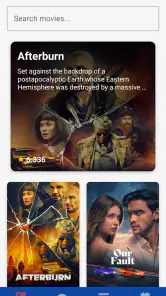
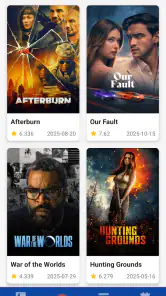
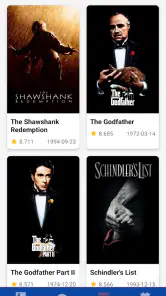
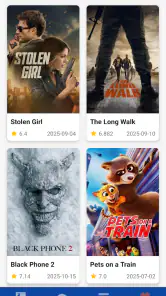
Analysis by Reviewed
Wodfix Pro caught my attention because it presents itself as a single entertainment destination for classic titles, films currently being screened, and upcoming releases. That is a useful promise for anyone who dislikes jumping between several movie apps just to discover what is worth watching next. After spending time with it, I see the appeal: it is less about replacing every service on a phone and more about creating a convenient starting point for film discovery.
The app comes from Music Radio Official, although its purpose is clearly centered on movie browsing rather than music listening. It is free to use, aimed at a Teen audience, and available on Android devices running version 7.0 or later. Its current version is 1.1.8, and its average score sits at 4.7 from roughly 1.6 thousand ratings, with more than 100 thousand installs. Those numbers suggest that the app has already found an audience, but the more important question is whether it remains useful after the first burst of curiosity.
What Wodfix Pro feels like during the first week
My first impression was that Wodfix Pro works best as a quick browsing companion. I can open it when I have a spare few minutes, scan through familiar classics, check what is attracting attention now, and then look ahead at future releases. That three-part focus gives the app a broader rhythm than a simple “what is streaming tonight?” tool. It encourages me to think about films I may want to watch later instead of forcing every session to end with an immediate choice.
The classic section is especially helpful when I want something dependable. New releases often dominate entertainment conversations, but they are not always the best answer after a long day. A collection that brings older films back into view can prevent the familiar problem of spending twenty minutes scrolling through new suggestions and then watching nothing. I found that the app’s value starts with this reduction in decision fatigue, even before I settle on a specific title.
The current-screening and upcoming focus adds a different kind of usefulness. It gives the app a sense of timing, which is valuable when I am planning a cinema visit or trying to keep track of films that have not arrived yet. I would not treat it as a complete replacement for a cinema’s own schedule or a dedicated streaming service, but it is a convenient place to begin forming a watchlist in my head.
One practical habit makes the experience better: I use the app in short sessions rather than leaving it open while deciding everything at once. On a weekday evening, I might browse upcoming films during lunch, choose one classic later in the day, and use a separate service only when I am ready to watch. This separates discovery from playback and makes Wodfix Pro feel more useful than an app judged solely by whether it starts a film.
That distinction matters because the store’s short description is simply “Wodfix Pro,” while the broader summary describes a one-stop grasp of classic, currently screening, and upcoming content. The real appeal is therefore the organization of ideas, not a promise that every entertainment need is handled inside one screen. If I expect a complete viewing platform, I may feel disappointed. If I want a compact film-discovery tool, the first week is more satisfying.
More From Our News Desk

Clash of Clans Is Won Between the Battles

Android Auto Makes the Case for Quieter Car Software

MobiOffice: Transforming Mobile Productivity with Seamless Integration

EA SPORTS FC™ Mobile Soccer: Redefining Mobile Sports Gaming

How Microsoft OneDrive Became a Mobile Productivity Giant

How Google Translate Breaks Language Barriers Effortlessly
Who gets the most from the discovery format
I think the app suits casual movie fans who enjoy being reminded of older titles and want a clearer view of what is arriving. It is also useful for households where people regularly ask, “What should we watch this weekend?” Instead of relying on one person’s memory, I can browse several time horizons and bring a few possibilities to the conversation.
It is less compelling for someone who already has a carefully maintained watchlist inside a favorite streaming platform and rarely watches anything outside that service. In that situation, adding another app may create another place to check without solving a real problem. The same applies to viewers who want detailed editorial analysis, extensive social discussion, or a strongly personalized recommendation engine. Wodfix Pro’s appeal is its broad overview, not necessarily deep customization.
Parents and guardians should also remember the Teen content rating. That does not automatically make every item appropriate for every younger viewer, so I would still preview choices before handing the phone to a child. The rating is a useful general signal, but it should not replace personal judgment about individual films.
Small workflows that make the app more useful
A simple three-pass routine worked well for me. First, I look at classics when I want a reliable choice. Second, I check currently screening material when I am considering an outing. Third, I scan upcoming entries when I want to remember a future possibility. Keeping those purposes separate prevents the app from becoming an endless scroll and gives each visit a clear reason.
Another useful approach is to treat upcoming titles as conversation prompts rather than commitments. I do not assume that every future release will become a must-watch. Instead, I note which ones match my mood, a friend’s interests, or a possible weekend plan. This reduces the disappointment that can come from building an oversized list of films that I never revisit.
I also recommend opening the app before choosing a streaming service, not after. When I start with a service’s home screen, its catalog and recommendations can narrow my thinking immediately. When I start with Wodfix Pro, I can decide whether I want an older favorite, something currently in the cinema, or a future release before I worry about where to watch it. That is a small change, but it gives the app a clearer role in my routine.
Does it keep earning space after the novelty fades?
The first-week appeal is easy to understand, but long-term value depends on whether the three content areas continue to support different habits. Classics provide evergreen browsing, current screenings support immediate plans, and upcoming releases give me a reason to return later. That combination is stronger than an app built around a single temporary list because the user’s purpose changes from day to day.
Month to month, I would keep Wodfix Pro installed if I regularly make cinema plans or enjoy revisiting older movies. The upcoming section can become a lightweight planning tool, while the classic section remains useful on quiet evenings. I do not need to use it every day for it to earn a place on my phone. A good entertainment utility can be valuable through occasional, well-timed visits.
At the same time, its recurring value depends on freshness and personal discipline. If I only open it when I am bored and expect the app to solve my entire viewing decision instantly, the experience may become repetitive. The better pattern is to give each visit a purpose: find a classic for tonight, check something currently screening, or remember what is on the horizon. Without that habit, the broad catalog can feel like another source of choice overload.
There is also a trade-off between breadth and depth. A one-stop view is convenient, but a specialized cinema app may be better for exact local showtimes, while a streaming platform may be better for playback, subscriptions, and personalized recommendations. Wodfix Pro earns its place before those services, not necessarily instead of them. I use it to shape the decision and then move elsewhere when I need the actual viewing or booking step.
That makes the app particularly suitable for people who enjoy planning films socially. I can browse before meeting friends, compare a classic with something currently screening, and discuss upcoming possibilities without opening several unrelated services. For a solo viewer who already knows exactly what to watch, the benefit is smaller. The app is most valuable during uncertainty, when I need orientation rather than a button that immediately starts a video.
The maintenance burden is low, but attention still matters
Because Wodfix Pro is free, the main cost is not a subscription decision; it is the space and attention another entertainment app occupies. I do not have to justify a recurring payment to keep it available, which makes occasional use easier. Still, I would periodically ask whether I am actually returning to its classic, current, and upcoming sections or merely keeping it installed out of habit.
The maintenance burden also comes from managing expectations. I need to remember that discovery and viewing are separate activities. If I confuse the two, I may blame the app for not replacing a streaming catalog, cinema booking tool, or personal watchlist. Once I give it a narrower job, it becomes easier to judge fairly and easier to keep organized alongside my usual alternatives.
For a phone running an older supported Android release, the minimum requirement of version 7.0 or later is reassuring in practical terms. It means the app is not limited to only the newest devices. I would still keep the application updated when possible, especially because entertainment listings and release information benefit from current maintenance. Updating is not an exciting task, but it is part of keeping a discovery app dependable over time.
My preferred maintenance routine is simple: I check it when planning a movie night, ignore it when I already have a firm choice, and remove it if several weeks pass without a useful visit. That approach prevents the app from becoming background clutter. Since it is free, reinstalling later is less psychologically difficult than maintaining an app I no longer use, although I would rather keep it available if its broad overview remains relevant to my schedule.
Where fatigue can set in
The biggest source of fatigue is the possibility of browsing without progressing. Classic, current, and upcoming content cover a lot of ground, but a wide scope can also encourage passive scrolling. If I open the app without a question in mind, I can quickly collect possibilities instead of making a decision. The cure is not more browsing; it is choosing a purpose before opening it.
Another limitation is that a broad discovery view cannot know every personal constraint. My decision may depend on where I am, who is watching, how much time I have, or which services I already use. A general film overview may point me toward an interesting title, but I still have to check practical details elsewhere. That extra step is acceptable when discovery is the hard part, but inconvenient when I need a complete plan immediately.
The app may also feel less rewarding to viewers who prefer highly tailored recommendations. A familiar streaming service can learn from viewing behavior and put a smaller set of likely choices in front of me. Wodfix Pro’s wider perspective is better for exploration, but exploration takes more effort. I would choose the usual personalized alternative when I am tired and already know the kind of film I want.
There is a similar trade-off for serious film researchers. Someone looking for extensive credits, production background, reviews, or detailed comparisons may need a dedicated film database. Wodfix Pro’s strength is the practical overview across different release stages. It should not be expected to replace every specialist resource simply because it gathers several discovery purposes together.
Finally, novelty alone will not sustain use. The first few sessions can be enjoyable because the structure feels fresh, but lasting value comes from returning with a real need. I would not recommend installing it just to add another source of entertainment suggestions. I would recommend it to someone who repeatedly moves between older films, current cinema choices, and future releases and wants one place to begin that process.
My long-term verdict
After the initial curiosity wears off, Wodfix Pro still makes sense as a lightweight film-discovery companion. Its strongest idea is not that it can do everything, but that it brings three useful moments together: remembering classics, checking what is current, and looking forward to what is next. That structure gives me more lasting value than a single list that becomes irrelevant once a release window passes.
I would keep it on my phone if I were planning regular movie nights, following cinema releases, or trying to broaden my viewing beyond whatever a streaming home screen happens to recommend. The free price makes experimentation easy, and the Teen rating gives families a general age signal, though I would still make my own choices for younger viewers. Its broad compatibility with Android devices running 7.0 or later also makes it accessible to people who are not using a recent phone.
I would skip it if I want one app to provide flawless playback, exact booking information, deep film research, and highly personal recommendations. In those cases, a dedicated alternative will usually do a better job at its specialty. Wodfix Pro works best in the gap before those services: when I know I want a film but have not yet decided which kind, which era, or which release window fits the moment.
My recommendation is to keep Wodfix Pro only if you turn its three sections into a repeatable movie-planning habit. Use classics for dependable evenings, current screenings for immediate outings, and upcoming titles for future plans. With that approach, it earns lasting space as a practical entertainment guide. Without it, the app risks becoming another attractive place to scroll when what I really need is a decision.
Wodfix Pro Frequently Asked Questions
What devices and operating systems can run Wodfix Pro?
Wodfix Pro is an entertainment app for mobile devices, and the Android version supports operating systems from version 7.0 onward. Before installing, check that your device meets that requirement and has enough available storage for the app. If you use an iPhone or iPad, confirm that a compatible iOS version is offered through its official app store before attempting to download it.
What is Wodfix Pro and what can I use it for?
Wodfix Pro is an entertainment-focused application designed to give users convenient access to video content through a mobile interface. Its store summary describes a one-stop grasp of classic, currently screening, and upcoming content. The catalog, categories, and available features may vary. Before downloading, review the official app description to understand what is offered and whether the service is legally available in your country.
Is Wodfix Pro free to download and use?
Wodfix Pro is free to download. However, a free download does not always mean every feature or piece of content is free. Some versions of entertainment apps can include advertising, optional purchases, subscriptions, or restricted access to certain sections. Check the official store listing and any in-app payment information before registering or entering card details, especially if the app is distributed outside the main app stores.
Is Wodfix Pro safe to install on Android or iPhone?
Safety depends largely on where the application is obtained. Installing from Google Play or the Apple App Store provides additional checks, while downloading an APK or an unofficial iOS profile can create privacy, malware, and account-security risks. Before installation, verify the developer name, permissions, privacy policy, and user reviews. Avoid modified packages, disable unnecessary permissions, and keep your device and security software updated.
Does Wodfix Pro require an account or an internet connection?
Many streaming and entertainment applications require an internet connection to load catalogs, authenticate users, and play videos, so performance will depend on your Wi-Fi or mobile-data quality. Wodfix Pro may also request registration, depending on the version and available services. If an account is required, use a unique password and read the privacy terms first. Check whether offline viewing is officially supported rather than relying on unofficial download tools.
Pros
- Clean interface makes browsing films and series straightforward.
- Large catalog offers plenty of entertainment choices in one place.
- Search tools help locate specific titles quickly.
- Streaming playback generally starts with minimal setup.
- Useful option for users seeking an alternative media platform.
Cons
- Content availability may vary by region or change without notice.
- Some titles may have limited information or missing subtitles.
- Video quality can depend heavily on your internet connection.
- The app may include intrusive ads or promotional interruptions.
- Privacy and licensing details should be checked before regular use.
- Category
- Entertainment
- Version
- 1.1.8