Wodfix Air
- 3.31K
- 4.8
- Installs
- 500.00K
- Price
- Free

Screenshots
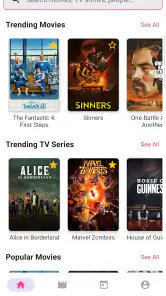

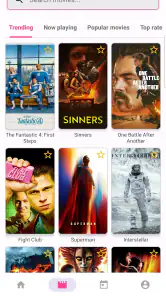
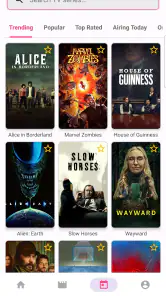
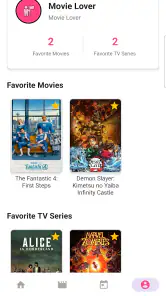
Analysis by Reviewed
Wodfix Air is an entertainment app from VuclyPro that I found most useful as a starting point for discovering online content without jumping between several places first. Its basic idea is simple: bring popular material into one browsing experience, then let me decide what deserves my attention. That makes it more of a discovery companion than a replacement for every service I already use.
I tested it with a fairly ordinary routine: a few minutes during a break, a longer browsing session in the evening, and quick searches when I knew roughly what kind of content I wanted. The experience is strongest when I treat it as a way to reduce the first step of finding something interesting. It is less convincing when I expect one app to provide a complete, perfectly organized library with the same depth as a dedicated platform.
How Wodfix Air fits into everyday entertainment
The app sits in the entertainment category and is free to install. The age guidance is Teen, so I would still use normal judgment when handing a phone to a younger user, especially because an aggregator can lead toward material from different online sources. That is an important distinction: the app’s value comes from collecting popular online content, not from turning every item into a uniform, tightly controlled catalog.
My baseline workflow was deliberately uncomplicated. I opened the app when I did not have a specific title in mind, browsed the available content, and used the most relevant item as a path toward something worth watching or exploring. When I already knew exactly where a particular program or creator lived, I usually found a dedicated service more direct. When I wanted ideas, Wodfix Air made more sense.
That difference affects how I judge it. I do not expect the same depth of controls, history, recommendations, or playback consistency that a major video platform has spent years refining. Instead, I look for whether the app helps me move from “I want something entertaining” to “this looks worth my time” with as little friction as possible.
The audience size suggests that this approach has broad appeal: Wodfix Air has passed half a million installs, and its average rating is 4.8 from about 9.3 thousand ratings. Those figures do not guarantee that it will match every person’s habits, but they do indicate that the straightforward discovery concept has connected with many users.
The first session: what I would do before building a habit
I recommend spending the first session learning the app’s browsing rhythm instead of immediately judging it against a full streaming service. Notice which areas help you discover something new, which items take you elsewhere, and whether the presentation gives you enough context before you commit time. This simple check prevents a common disappointment: assuming that an aggregator and a single-source platform should behave identically.
More From Our News Desk

Clash of Clans Is Won Between the Battles

Android Auto Makes the Case for Quieter Car Software

MobiOffice: Transforming Mobile Productivity with Seamless Integration

EA SPORTS FC™ Mobile Soccer: Redefining Mobile Sports Gaming

How Microsoft OneDrive Became a Mobile Productivity Giant

How Google Translate Breaks Language Barriers Effortlessly
I also found it useful to decide what I wanted from each visit. There are three practical modes. I could browse casually for a few minutes, use the app to locate a particular kind of content, or save the promising result mentally and continue elsewhere. Having that purpose made the interface feel more focused, because I was not waiting for it to solve every part of my entertainment routine.
For a realistic daily scenario, imagine finishing work with twenty minutes available and no plan. I would open Wodfix Air, scan the popular material, reject anything that needs too much commitment, and choose one item that fits the time I have. If the app points me toward a source that requires another step, I would make that decision immediately rather than repeatedly browsing. The time-saving benefit comes from narrowing the field, not from eliminating every transition.
Settings and habits that make browsing less wasteful
Experienced use starts with checking the available settings rather than assuming the default arrangement is ideal. I would review notification controls first. An entertainment discovery app can become distracting if every prompt interrupts the day, so I prefer alerts that support intentional browsing rather than creating a constant stream of invitations to return.
I would also inspect display and playback-related options whenever they are available on the device. Small choices such as how content opens, whether links remain in the app, and how much information appears before a selection can change the feel of a short session. I would not enable every option automatically; I would change one setting, use the app normally, and keep it only if it removes a real annoyance.
Another useful habit is to treat the home view as a launchpad, not as a complete recommendation engine. Popular content is helpful for discovering what has general attention, but it may not reflect my mood, available time, or preferred subject. I get better results when I use the popular area for one or two ideas, then become selective instead of scrolling without an endpoint.
There is a practical trade-off here. A broad collection can expose me to material I would not have found through a single familiar service, but it can also make the choice feel less personal. If you want recommendations shaped closely around a detailed viewing history, a dedicated platform may be stronger. If you want a wider first look, Wodfix Air has a clearer reason to stay installed.
Faster patterns for short sessions
My fastest pattern is the “two-pass” browse. On the first pass, I scan only enough to identify a few plausible choices. On the second, I compare those choices by time, subject, and how many steps each requires before I can actually enjoy the content. This is more effective than evaluating every item as it appears, because it keeps browsing from becoming the entertainment itself.
A second pattern is to use the app at the beginning of a session and not keep it open indefinitely. Once I have found a suitable direction, I move on to the content instead of continuing to chase a theoretically better option. This works particularly well when I have a limited break. The app’s discovery role is complete once it has produced a good-enough choice.
I also recommend creating a personal rule for uncertain items. For example, I might give a promising result one quick inspection, but I will leave it if the next step is unclear or the description does not tell me enough. That rule protects the main benefit of an aggregator: reducing wasted effort. Without it, a large selection can turn into repeated backtracking.
When sharing a device with someone else, I would keep expectations clear. One person may use the app for quick popular discoveries while another expects a carefully filtered personal library. Because the service gathers online material from a broad environment, agreeing on what counts as suitable content matters more than simply handing over the phone and assuming the label will handle every situation.
Where the app is less convenient
The main limitation is inherent in the concept. Bringing content together does not guarantee that every item will have the same presentation, availability, or route to playback. A dedicated service usually offers a more predictable relationship between its catalog, account, history, and player. Wodfix Air is better judged as a discovery layer, so I would not choose it as my only entertainment app if consistency is my top priority.
There can also be a mental cost to broad browsing. When several online sources are represented together, I may spend more time deciding than I would inside a focused catalog. The solution is not to browse harder; it is to set a stopping point. I use the app for selection, then commit to one result. That habit makes the experience feel purposeful instead of endless.
I would skip Wodfix Air if I mainly watch content from one service, need advanced account synchronization, or want a tightly curated environment with extensive controls. In those cases, the usual alternative is likely more efficient. I would also avoid treating it as a guarantee that every popular item will be available in exactly the form I expect. Aggregation improves discovery, but it cannot remove the differences between online sources.
On the other hand, I would recommend trying it if your usual problem is not a lack of content but too many places to search. It is especially suitable for casual viewers, people who like sampling popular material, and anyone who wants a lightweight way to begin an entertainment session. The free price lowers the barrier to testing that workflow, although “free” does not mean it will replace every service already on your phone.
Version, support, and what to expect from the current experience
The current version is 1.1.5, and the app runs on Android 8.0 or later. That gives it a useful reach across older compatible Android devices, though real comfort will still depend on the phone, connection, and the online destination behind each item. I would keep the app updated through the normal store process, particularly for an app whose job depends on keeping its browsing experience usable as online content changes.
VuclyPro has kept the product’s identity focused rather than trying to present it as a full media ecosystem. I appreciate that clarity. The app makes sense when I want a common entry point, but I would not expect it to provide the same specialized tools as every source it may lead me toward. Knowing that boundary is the difference between a useful installation and an app that feels disappointing because I asked it to do the wrong job.
The review count, at roughly 3.3 thousand written reviews, gives potential users more than a single headline rating to consider. I see that as a reason to try the workflow personally rather than relying only on the score. Discovery tools are highly dependent on habits: someone who enjoys browsing broadly may find immediate value, while someone who already has a precise watchlist may find the extra layer unnecessary.
My verdict after using it as a discovery tool
I see Wodfix Air as a practical front door to online entertainment, not as a universal replacement for dedicated platforms. Its strongest use is the short, uncertain session: I have time to relax, I want ideas, and I do not want to open several apps before finding a direction. The two-pass browse, a sensible notification setup, and a firm stopping rule make the experience noticeably more efficient.
My recommendation is therefore conditional but positive. Install it if you value breadth and quick discovery, especially if your current routine involves jumping between sources. Skip it if you need one consistent catalog, deep personalization, or advanced playback and account features. The key trade-off is simple: Wodfix Air can shorten the search for something interesting, but it cannot make every online source behave like one unified service.
For me, that is a worthwhile role. I would keep it available for casual discovery, use a dedicated platform when I already know what I want, and avoid endless scrolling by deciding in advance how long I am willing to browse. With that expectation, Wodfix Air feels like a useful entertainment companion from VuclyPro: free, easy to test, and most valuable when I use it deliberately rather than asking it to replace the rest of my media setup.
Wodfix Air Frequently Asked Questions
Who develops Wodfix Air, and what should I check before installing it?
Wodfix Air is an entertainment app developed by VuclyPro, intended to bring popular online content together. Before installing, make sure you have selected the correct app and review its Teen content rating so you can decide whether it is appropriate for you or anyone else who uses your device. You can also check the app’s current version and the permissions requested during installation.
Will Wodfix Air run on my device?
Wodfix Air requires Android 8.0 or later, so check your device’s operating system before downloading it. If your phone or tablet meets that requirement, you can look for Wodfix Air in the relevant app store and confirm that it is available for your device. Keeping your operating system and the app updated can help you avoid compatibility problems and get the intended experience.
What is Wodfix Air and what can I use it for?
Wodfix Air is an entertainment-focused application designed to give users access to video content through a mobile-friendly interface. Depending on the version and region, its catalog, categories, and available features may vary. Before downloading, check the official app listing carefully to confirm what type of content is offered, whether the service is supported in your country, and if it matches your viewing preferences.
Is Wodfix Air free to download and use?
Wodfix Air is free to download, but this does not always mean that every feature or piece of content is completely free. Some services include advertising, optional subscriptions, in-app purchases, or other access restrictions. We recommend reviewing the app-store description, payment details, and user terms before creating an account or entering any billing information.
Is Wodfix Air safe to install on Android or iOS?
The safest way to install Wodfix Air is through the official Google Play Store or Apple App Store, where the listing, developer information, permissions, and security checks can be reviewed. Avoid downloading modified APK files or installation packages from unknown websites, as they may contain malware or unwanted software. Also verify the requested permissions and keep your device’s operating system updated.
Pros
- Simple interface makes browsing and playback easy for new users.
- Supports convenient access to entertainment content from mobile devices.
- Lightweight design helps the app feel responsive on compatible phones.
- Useful option for users seeking an alternative media-watching platform.
- Content can be accessed without needing a complex setup process.
Cons
- Availability and content may vary depending on your region or device.
- Some streams may have inconsistent quality or buffering issues.
- The app may require frequent updates to maintain compatibility.
- Limited information about content can make choosing something difficult.
- Privacy and security details should be checked before creating an account.
- Category
- Entertainment
- Version
- 1.1.5