WinkNovel -Shorts & Dramas
- 8.00
- 1.9
- Installs
- 10.00K
- Price
- Free

Screenshots
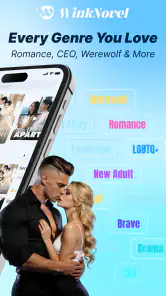
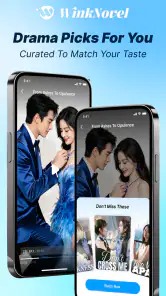
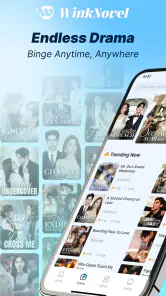
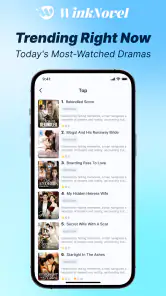
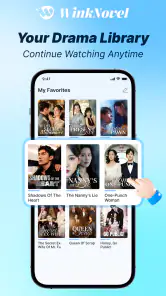
Analysis by Reviewed
I approached WinkNovel as a quick entertainment app built around short-form stories and dramas. Its central promise is easy to understand: it tries to put bite-sized narrative viewing in one place, rather than asking me to commit to a full-length series before I know whether I care about the characters. That focus makes it appealing when I have only a few spare minutes, but it also creates an important question: does the app make those short sessions feel satisfying, or does it simply encourage me to keep tapping for the next piece?
After spending time with it, my honest view is mixed. The concept is convenient, especially for people who enjoy dramatic storytelling in compact portions, yet the overall experience feels less polished than the strongest entertainment alternatives. I would treat it as something to sample rather than an automatic replacement for a familiar streaming service or a well-established reading platform.
Short dramas are the main reason to open it
The most distinctive capability here is the combination of short novels and dramas. That combination matters because it gives the same basic story habit two possible forms: I can follow a narrative visually when I want a quick, passive break, or approach it more like lightweight reading when I prefer to move at my own pace. In theory, that makes the app more flexible than a service limited to one format.
In practice, the value depends on how well the app turns short installments into a complete-feeling session. A short episode should give me a reason to continue while still delivering a small moment of progress. When that balance works, this format fits naturally into a commute, a lunch break, or the few minutes before bed. When it does not, the experience can feel like an extended preview rather than a finished piece of entertainment.
That distinction is especially important for the app’s audience. Someone looking for a long, carefully developed television drama may find the compressed structure too abrupt. Someone who likes quick emotional turns, cliffhangers, and stories that can be sampled without a major time commitment may find the format much easier to enter. I see the app as a low-commitment discovery tool first and a serious replacement for traditional entertainment second.
Why the mixed format can be useful
The idea of placing reading and viewing together is more useful than it may initially sound. My attention changes during the day. Sometimes I can watch a short scene with the sound on; at other times, reading is less disruptive. An app that supports both kinds of engagement can fit around those moments better than a single-purpose service.
There is also a practical discovery advantage. If a story catches my interest in one presentation, I can decide whether its other format suits me better. That is a more active way to choose entertainment than scrolling through unrelated recommendations. The trade-off is that a broad concept can make the product feel unfocused. The store summary describes WinkNovel as trying to be everything, and that description captures my main reservation: breadth is only helpful when the individual parts feel equally considered.
More From Our News Desk

Clash of Clans Is Won Between the Battles

Android Auto Makes the Case for Quieter Car Software

MobiOffice: Transforming Mobile Productivity with Seamless Integration

EA SPORTS FC™ Mobile Soccer: Redefining Mobile Sports Gaming

How Microsoft OneDrive Became a Mobile Productivity Giant

How Google Translate Breaks Language Barriers Effortlessly
I would not install it expecting a deep library experience comparable to a dedicated ebook reader or a major video platform. I would install it because the short-drama idea fits a particular mood: I want a story now, but I do not want to spend twenty minutes deciding what to start.
What using it feels like in everyday situations
The most realistic use case for me is a fragmented day. Imagine waiting for an appointment with roughly ten minutes available. A full episode on another service may be inconvenient, while opening a long novel can feel like too much effort. WinkNovel’s short-story approach is better suited to that gap. I can begin something quickly, watch or read for a little while, and stop without feeling that I abandoned a major commitment.
That convenience changes how I judge the app. I am less concerned with whether every session feels cinematic and more concerned with whether the app helps me find a worthwhile story without friction. A short entertainment app needs to make the first decision simple. If I have to browse endlessly, repeatedly encounter content that does not match my mood, or feel pressured to continue before understanding what I am choosing, the advantage of short episodes disappears.
My advice is to use it with a clear time boundary. Open it when you want a small story break, not when you are trying to settle in for an entire evening. That approach makes the format work in its favor and reduces the risk of turning a quick visit into aimless scrolling. It is also a useful way to judge whether the available stories suit you before spending more time with the service.
A better workflow for short sessions
I found that the best way to approach an app like this is to choose one story based on its premise and give it a focused trial instead of jumping between many titles. Short-form entertainment can make every thumbnail look urgent, but constant switching prevents any story from building momentum. Picking one, watching or reading a small portion, and then deciding whether the tone works for me is more efficient.
Another useful habit is to separate “I want drama” from “I want background entertainment.” Short dramas generally need attention because the story moves quickly and has less time to establish context. If I am cooking, commuting in a noisy place, or doing another task, a visual story may not land as well as expected. For those moments, the reading side may be more practical only if I can give it enough concentration. The app’s flexibility does not remove the need to choose the right format for the situation.
This is one of the less obvious trade-offs of the concept: having multiple formats can improve access, but it can also create another decision before the story begins. I recommend deciding whether I want to watch or read first, then browsing with that purpose. It keeps the app from becoming just another place where I spend more time selecting than enjoying.
Where it fits beside familiar alternatives
Compared with a conventional streaming service, the appeal here is speed and commitment level. A mainstream video app is usually stronger when I want production scale, a long-running series, or a broad collection of established programs. WinkNovel is more interesting when I want compact dramatic storytelling and do not want to reserve a large block of time.
Compared with a dedicated reading app, its strength is the possibility of moving between written and visual entertainment. A specialist reading platform will normally be the better choice for someone who cares about reading tools, a focused library, or a calmer literary experience. This app makes more sense for readers who are curious about dramatic presentation rather than people searching for a replacement for their main ebook collection.
It also differs from general short-video platforms. Those services are often built around rapid discovery and independent clips, while a short drama needs continuity. If I want random comedy, commentary, or endlessly changing subjects, a general video feed may be more satisfying. If I want a plot that carries from one short installment to another, WinkNovel has the more relevant idea, even though the execution has to work hard to maintain that continuity.
For me, the app’s competitive position is therefore narrow but understandable. It does not need to beat every entertainment product. It needs to make short narrative sessions easier and more rewarding than opening a larger service and searching through an overwhelming catalog. Whenever it fails at that simple job, its broad positioning becomes a weakness.
The friction I would consider before installing
The clearest warning sign is the public reception. The app currently has a 1.9 average rating from around two dozen ratings, with several written reviews. That does not tell me exactly how every person experienced it, but it is enough to lower my expectations. I would approach the installation as a trial and avoid assuming that the concept alone guarantees a smooth experience.
The app is free to download, which makes that trial easier. However, in-app purchases range from less than a dollar to nearly three hundred dollars per item. That is a very wide spread, so I would pay close attention to any purchase screen and avoid tapping through quickly. Free access can be useful for testing the format, but the presence of optional purchases means I would not treat every visible continuation or unlock as automatically worthwhile.
This is particularly important for short-form storytelling. A story can create urgency at the end of a brief installment, and that urgency may make a paid continuation feel more tempting than it would in a slower format. My practical rule would be simple: first decide whether I genuinely like the writing or drama, then decide whether continuing is worth any cost. I would not make a purchase merely because a scene ends abruptly.
The age rating is Everyone, which makes the app broadly approachable from an age-classification perspective. Still, an Everyone label is not a substitute for personal judgment about individual stories or dramatic themes. Parents deciding whether a child should use it should look at the actual material together rather than relying only on the general rating.
Device compatibility is also relatively accessible. The current version is 1.0.8 and it supports Android 7.0 or later, so people using older but still common Android devices may be able to try it. That wider compatibility is helpful, although an older operating system can still affect how comfortable any modern entertainment app feels. I would keep expectations realistic on a budget or aging phone, especially during longer browsing sessions.
What the developer’s positioning tells me
WinkNovel comes from LimaoJinquan, and the product’s identity feels ambitious because it brings together several entertainment habits instead of concentrating on a single one. That ambition is both its invitation and its challenge. A focused app can refine one experience deeply; this one has to make short dramas, novel-style storytelling, and discovery work together without making the interface feel scattered.
The app has passed ten thousand installs, so it is not an entirely unknown experiment. Even so, I would not read that figure as proof that it will suit me. Install counts show reach, not consistency, content quality, or long-term satisfaction. The low average rating is more relevant to my decision because it signals that the concept may not yet be delivering the dependable experience people expect from entertainment software.
That combination leads me to a cautious recommendation: try it if the format itself interests you, but keep another entertainment option available. If the first session feels confusing, overly interrupted, or unconvincing, there is little reason to force the habit simply because the app is free to start.
Who is most likely to enjoy it
The strongest audience is someone who likes dramatic stories in small portions and is open to switching between watching and reading. This person may have short breaks throughout the day, enjoy cliffhanger-driven entertainment, and prefer sampling a story before committing to a full-length series. For that user, the app’s central capability is genuinely relevant rather than decorative.
It may also suit people who find large streaming catalogs tiring. The attraction is not necessarily superior production or a more complete library. It is the possibility of entering a story quickly, experiencing a compact section, and moving on with the day. That is a modest benefit, but it is a real one when time and attention are limited.
I would be more hesitant to recommend it to someone who wants a polished, predictable platform with a strong reputation. The low rating makes this a poor first choice for users who dislike experimentation or who expect every session to feel finished and refined. I would also steer heavy readers toward a dedicated reading app if visual drama is not important to them, and I would steer serious television viewers toward a conventional streaming service.
For parents, the Everyone classification makes the app easier to consider, but supervision still makes sense because individual stories can differ in tone. For users concerned about spending, the free entry point is helpful only if they are comfortable treating purchase prompts carefully. The broad pricing range means I would review each transaction before confirming it rather than assuming that a small unlock is the only possible cost.
My final take on the short-story experiment
My experience with WinkNovel leaves me interested in the idea but cautious about the product. Its strongest capability is the attempt to make short novels and dramas available for quick, flexible entertainment. That is useful in real life: a few spare minutes can become a small story session instead of another round of aimless browsing.
At the same time, the app asks me to overlook too many uncertainties before I can recommend it confidently. The low public rating, the broad range of in-app purchase prices, and the ambitious “everything” approach all suggest that I should test it patiently rather than assume it will replace my usual services. The free download lowers the risk of trying it, but it does not remove the need to judge the actual experience for myself.
My recommendation is to try it only if short dramas are specifically what you want. Give one story a focused chance, choose the format that matches your surroundings, and be deliberate around purchase prompts. If you want quick narrative entertainment and enjoy discovering whether a compact story can hold your attention, the app may earn a place in your rotation. If you want a mature streaming catalog, a specialized reading environment, or a consistently polished experience, another option will probably serve you better.
WinkNovel -Shorts & Dramas Frequently Asked Questions
Who developed WinkNovel -Shorts & Dramas, and what devices can run it?
WinkNovel -Shorts & Dramas is an entertainment app developed by LimaoJinquan. It supports Android devices running version 7.0 or later, so checking your device’s operating system before downloading can help avoid compatibility issues. The app is free to download, while some purchases are offered within it. Its current version is 1.0.8.
What is WinkNovel -Shorts & Dramas?
WinkNovel -Shorts & Dramas is an entertainment app focused on short-form serialized stories and dramatic video episodes. Its content is designed for quick viewing sessions, with romance, emotional conflict, suspense, and other popular drama themes commonly presented in compact chapters. It is suitable for users who enjoy following ongoing stories without committing to full-length television episodes or movies.
Is WinkNovel -Shorts & Dramas free to download and use?
The app can generally be downloaded without an upfront purchase, but access to all content may depend on the platform’s monetization system. Some episodes or features may be available for free, while later chapters could require advertisements, in-app coins, subscriptions, or another form of payment. In-app purchase options range from $0.49 to $299.99 per item, so review the purchase details before spending.
Does WinkNovel -Shorts & Dramas require an internet connection?
An internet connection is normally needed to browse the catalog, load video episodes, synchronize viewing progress, and access account-related features. Depending on the version of the app, selected episodes may offer offline viewing after downloading them, although this is not guaranteed for every title or device. Users with limited mobile data should preferably watch over Wi-Fi and check video playback settings.
What type of content can users watch in WinkNovel -Shorts & Dramas?
The app primarily targets viewers who like short dramas and rapidly developing stories, especially relationship-focused plots, romance, family disputes, revenge narratives, and suspenseful cliffhangers. Because the catalog and availability can change, the exact selection may vary by region and update. Some stories may also include mature themes, intense arguments, or emotionally difficult situations, so users should check descriptions and ratings before watching.
Pros
- Short episodes make it easy to enjoy during quick breaks.
- Romance
- drama
- and suspense stories offer plenty of variety.
- Personalized recommendations help surface similar series quickly.
- Episodes usually load smoothly on a stable mobile connection.
- The vertical format feels natural for one-handed viewing.
Cons
- Many stories require coins or premium access to continue.
- Frequent ads can interrupt the viewing experience.
- Some plots rely on familiar clichés and predictable twists.
- Subtitles or translations may vary in quality between dramas.
- Offline viewing options may be limited for selected episodes.
- Category
- Entertainment
- Version
- 1.0.8