Whoscall - Caller ID & Block
- 4.33K
- 3.8
- Installs
- 50.00M
- Price
- Free

Screenshots
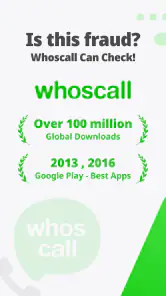
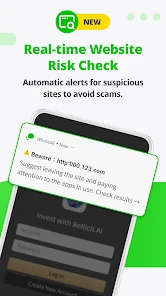
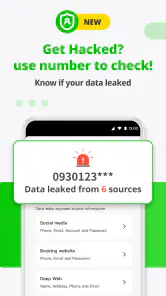

Analysis by Reviewed
I judge a caller-ID app by what it does in the brief moment before I answer, not by how long its feature list is. Whoscall - Caller ID & Block is built for that pause: it helps identify unfamiliar callers and gives you tools to deal with numbers you would rather not hear from again. I find that useful when my phone rings during work or when I am expecting a genuine call from someone whose number I have not saved.
What to expect when a call comes in
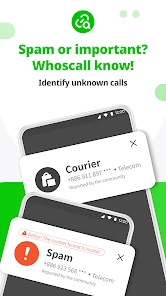
Caller identification is most valuable when it arrives in time to inform a decision, and that is the practical test I would apply here. Whoscall focuses on screening unknown calls, but I would not treat any caller label as a guarantee of who is on the other end. A flagged or unfamiliar number is a prompt to think before answering, not proof that a call is harmful or safe. If a call matters, I can let it go unanswered and decide whether to return it after checking the details I have.
For an everyday example, picture a busy afternoon when I am waiting for a delivery or a callback but do not recognize the incoming number. Caller ID can help me choose whether to pick up without interrupting what I am doing for every ring. If the same unwanted number keeps returning, blocking it offers a direct next step. That combination is more useful to me than simply seeing a number after the call has ended.
Where it fits among caller-ID options
My usual alternative is the phone’s built-in call screen and block controls. Those are convenient if I only need to silence or block a particular number, and they keep the workflow simple. Whoscall makes more sense when I want a dedicated tool aimed at identifying unknown callers as well as managing unwanted ones. It is not a replacement for common sense: a known name can still be misleading, and a legitimate caller may not be recognized.
I would also use blocking selectively. Before blocking a number that might belong to a school, clinic, delivery service, or work contact, I would consider whether I am expecting a call and whether there is another way to reach that organization. Keeping a short mental distinction between “unknown” and “unwanted” prevents the convenience of screening from turning into missed calls I actually need.
A useful workflow, with sensible limits
One practical habit is to review a number before deciding what to do, rather than immediately treating every unfamiliar call alike. If it appears repeatedly, blocking may save interruptions; if it is a one-off call tied to something I am waiting for, I can leave room for it to be legitimate. The app’s offline identification option is another useful detail for travel or weak coverage, though it does not remove the basic uncertainty that comes with an unknown number.
Because caller identification depends on the number being recognizable, I would keep expectations measured. Whoscall can help with screening, but it cannot tell me the caller’s intentions or ensure that every unwanted call will be caught. When an important call is possible, I would rather use the label as context and make the final decision myself than rely on automatic blocking as a complete filter.
More From Our News Desk

Weather by Xiaomi Review: Clear at a Glance, Less Clear Up Close

X Under Pressure: Can It Recover When Posting Goes Wrong?

Clash of Clans Is Won Between the Battles

Android Auto Makes the Case for Quieter Car Software

MobiOffice: Transforming Mobile Productivity with Seamless Integration

EA SPORTS FC™ Mobile Soccer: Redefining Mobile Sports Gaming
What Makes Whoscall Stand Out?
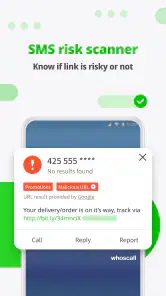
First off, Whoscall is not just your ordinary caller ID app. It takes things up a notch by not only showing you who’s calling but also letting you know if it's a call you might want to avoid. Imagine having the power to dodge those spam calls like a pro. The app provides real-time identification of the caller, which is super handy, especially when you're in the middle of something important.
Features That Make Life Easier
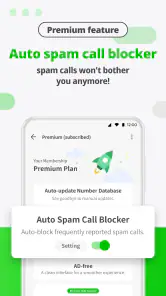
Now, let's dive into some of the features that make Whoscall a must-have. The app boasts a massive database of numbers, so chances are, it’ll recognize most of your incoming calls. Plus, it allows you to block numbers that you find annoying. So, if there's a persistent caller that's been bugging you, just block them with a few taps, and voila, peace is restored!
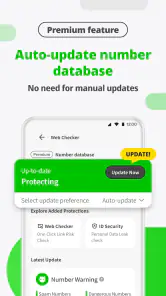
Another cool feature is the offline database. Yes, you heard that right! Even if you don’t have access to the internet, Whoscall can still identify numbers for you. This is particularly useful if you’re traveling or in an area with spotty coverage.
User Experience and Interface
As for the user interface, it's pretty straightforward. You don't need to be a tech guru to navigate through the app. Everything is laid out in a way that makes sense, and setting it up is a breeze. Plus, the app doesn't hog your phone's resources, so you won't even notice it's there until you need it.
One thing I really appreciate is the customization options. You can set up the app to notify you about specific types of calls or block them altogether. It’s like having a personal assistant screening your calls 24/7.
Checking that it works with your routine
Before relying on screening during a busy week, I would give the setup a quiet-day test. I would check how an unfamiliar call appears, then confirm that a number I want to keep can still reach me. That simple trial helps separate a settings issue from a number the app does not recognize, and it avoids learning the difference while waiting for an important callback.
I would also treat offline identification as a useful backup rather than a reason to stop thinking about connectivity altogether. It can help when service is weak, but coverage conditions and the number itself still affect what I can learn. If I regularly travel, I would test the feature before depending on it in a place where I cannot easily look up a caller another way.
Availability, support, and whether it suits your phone
Whoscall is a free communication app from Gogolook, with in-app purchases available. Its Everyone content rating makes it broadly suitable, while the app is currently at version 8.6 and requires Android 10 or later. It has an average rating of 3.8 from around 802,000 ratings, with over 50 million installs. Those figures suggest a widely used option, though they do not tell me whether its caller database will be equally helpful in every region or for every kind of call.
If you are choosing between this and a basic built-in blocker, I would start with the built-in option if your only goal is stopping one repeat caller. I would consider Whoscall when identifying unknown numbers is part of the problem too. It is less compelling if you rarely receive calls from unfamiliar people, prefer not to add a dedicated calling utility, or expect a screening app to make every decision correctly.
Speed, stability, and daily use
The app’s main job happens around an incoming call, so a smooth experience depends on it being ready when that moment arrives. I would pay attention during setup to any choices that affect call identification and notifications, then test the result with a call I can safely ignore. That small check is more useful than assuming that installing an app automatically changes how every call appears. If behavior seems inconsistent, checking the app’s settings and the phone’s own call controls is a sensible first step.
For heavier use, such as repeatedly reviewing unfamiliar numbers and adjusting blocked callers, the value comes from keeping those decisions organized rather than reacting to every ring. I would avoid blocking broad groups of callers unless I was comfortable with the chance of missing a legitimate call. A focused block list is easier to trust and easier to revise when circumstances change.
Who benefits most—and who may not
I would recommend Whoscall to someone who regularly gets calls from numbers they do not recognize and wants more context before answering. It may also suit people who travel or spend time in areas with unreliable connectivity, since the offline identification option can still be useful there. People who mainly communicate through messaging, or who receive very few unknown calls, may get enough from their phone’s existing controls and have little reason to add another app.
A more specific fit is someone who handles calls for a household or small team and wants to make calmer decisions about repeat interruptions. I would still keep the app’s role narrow: it can offer context and blocking tools, but I would not use a caller label as the sole basis for deciding whether a financial, medical, or work-related call is genuine. When the stakes are high, I would contact the organization through a number I already trust.
What to do with a suspicious or repeated call
If an unfamiliar caller leaves no clear reason for calling, I would avoid calling back just because the number appeared more than once. I would first consider whether I am expecting a delivery, appointment, or callback, and whether there is a message or other reliable way to identify the caller. If the calls are clearly unwanted, blocking is a practical response; if the situation is ambiguous, waiting for another clue can be safer than making a quick decision from a label alone.
This is also where Whoscall differs from simply silencing unknown callers. A broad silence rule can reduce interruptions, but it may also hide the very callback a person is waiting for. A dedicated identification-and-blocking approach can be more selective, provided I stay involved and review the decision instead of assuming every warning means the same thing.
Costs, expectations, and sensible trade-offs
The app is free to install, and it offers in-app purchases ranging from $0.99 to $99.99 per item. I would begin with the free experience and decide whether the core identification and blocking workflow is useful before considering any purchase. That makes sense for a utility whose value depends so much on how often unfamiliar calls reach you and how helpful its recognition is in your area.
There is a practical trade-off in adding any dedicated call-screening app: it gives you another place to manage call decisions, while the phone’s built-in controls may be enough for occasional nuisance calls. I would keep the setup as simple as possible, avoid changing several call-handling settings at once, and make sure I know how to undo a block. That way, a mistaken decision is easier to correct and less likely to cost me a call I wanted.
Availability, support, and whether it suits your phone
Whoscall is a free communication app from Gogolook, with in-app purchases available. Its Everyone content rating makes it broadly suitable, while the app is currently at version 8.6 and requires Android 10 or later. It has an average rating of 3.8 from around 802,000 ratings, with over 50 million installs. Those figures suggest a widely used option, though they do not tell me whether its caller database will be equally helpful in every region or for every kind of call.
If you are choosing between this and a basic built-in blocker, I would start with the built-in option if your only goal is stopping one repeat caller. I would consider Whoscall when identifying unknown numbers is part of the problem too. It is less compelling if you rarely receive calls from unfamiliar people, prefer not to add a dedicated calling utility, or expect a screening app to make every decision correctly.
Speed, stability, and daily use
The app’s main job happens around an incoming call, so a smooth experience depends on it being ready when that moment arrives. I would pay attention during setup to any choices that affect call identification and notifications, then test the result with a call I can safely ignore. That small check is more useful than assuming that installing an app automatically changes how every call appears. If behavior seems inconsistent, checking the app’s settings and the phone’s own call controls is a sensible first step.
For heavier use, such as repeatedly reviewing unfamiliar numbers and adjusting blocked callers, the value comes from keeping those decisions organized rather than reacting to every ring. I would avoid blocking broad groups of callers unless I was comfortable with the chance of missing a legitimate call. A focused block list is easier to trust and easier to revise when circumstances change.
Who I would recommend it to
I would recommend Whoscall to someone who regularly gets calls from numbers they do not recognize and wants more context before answering. It may also suit people who travel or spend time in areas with unreliable connectivity, since the offline identification option can still be useful there. People who mainly communicate through messaging, or who receive very few unknown calls, may get enough from their phone’s existing controls and have little reason to add another app.
Overall, I see Whoscall as a practical layer of call screening, not a promise that unwanted calls will disappear. Gogolook’s app has been available since July 24, 2010, and its current version is 8.6. My advice is to use identification as a clue, block numbers you have a clear reason to avoid, and leave room for unexpected legitimate calls. That measured approach makes the app more useful than treating every unknown caller as a threat.
Final Thoughts
In conclusion, if you're looking for a reliable way to manage your calls and keep unwanted intrusions at bay, Whoscall - Caller ID & Block is definitely worth checking out. It's efficient, user-friendly, and offers a ton of features that cater to your specific needs. So why not give it a try? You might just find that it makes your daily phone interactions a whole lot smoother.
Whether you're dodging telemarketers or just curious about who's trying to reach you, Whoscall has got you covered. It's like having a little superhero in your pocket, ready to save the day, one call at a time!
Whoscall - Caller ID & Block Frequently Asked Questions
What should I check before installing Whoscall on my phone?
Whoscall is a communication app for identifying callers and managing unwanted calls, so it is most useful if you want help screening numbers you do not recognize. Before downloading, check that your phone meets the operating-system requirement and consider whether you are comfortable granting the access needed for call identification and blocking. The app is free to download, with optional purchases available.
Is Whoscall suitable for everyone, including younger users?
Whoscall has an Everyone content rating, and its focus is practical call management: identifying unknown callers, blocking spam, and reporting scams. That rating can help families decide whether the app is appropriate, but it does not replace reviewing the app’s permissions or discussing call and message safety with younger users. Its usefulness will also depend on how often you receive calls you want to screen.
Is Whoscall free to download, and are there optional purchases?
Whoscall is free to download, so you can try its caller identification and blocking features without paying upfront. The app also offers in-app purchases, which may suit users who want access to optional extras. Before confirming any purchase, check the app’s purchase screen to see what is included and whether it fits your needs.
Which devices can run Whoscall?
Whoscall is available for Android and iOS users, but compatibility depends on your device’s operating system. On Android, it requires version 10 or later. If your phone is running an older version, check your system settings before downloading so you can avoid compatibility problems and make sure the app can be installed and used.
Who makes Whoscall, and is it a widely used app?
Whoscall is a communication app developed by Gogolook. It has an average rating of 3.8 from around 802,000 ratings, with roughly 4,300 written reviews and more than 50 million installs. Those figures suggest that it has reached a broad audience, though individual experiences with caller identification and spam blocking can vary.
Pros
- Accurate caller ID recognition
- Effective spam call blocking
- Customizable block list
- User-friendly interface
- Quick number search feature
Cons
- In-app ads can be intrusive
- Premium features require subscription
- Occasional false spam detection
- Limited offline functionality
- Privacy concerns with data sharing
- Category
- Communication
- Version
- 8.6