WebstaurantStore
- 86.00
- 4.8
- Installs
- 100.00K
- Price
- Free

Screenshots


Analysis by Reviewed
I found WebstaurantStore most useful when I treated it as a practical purchasing tool rather than a general shopping app. It is built for people who need restaurant supplies, kitchen equipment, serving items, and related products in one place, and that focus gives it a clearer purpose than a broad marketplace. The app is free, the content rating is Everyone, and the developer is WebstaurantStore.com. My overall impression is positive: it can make repeat supply shopping much more organized, although it is not the best fit for someone who only wants a quick consumer purchase with minimal browsing.
What the app does well for restaurant supply shopping
The strongest part of the experience is the way the app keeps the shopping task centered on food-service needs. Instead of making me sort through unrelated household products, it presents a catalog aimed at restaurants, cafés, catering teams, bakeries, bars, institutions, and serious home cooks. That difference matters because the usual alternatives are often broad retail apps where professional items are mixed with consumer products and search results require more filtering.
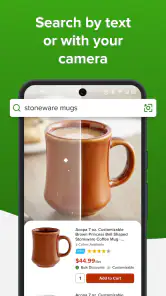
I could imagine using it during a busy prep day when a restaurant manager notices that disposable containers, replacement utensils, storage supplies, or a small piece of equipment needs to be ordered. The useful workflow is to search for the item while the need is still fresh, compare the available options, and keep the purchase task inside one dedicated shopping environment. That is more practical than writing a list and later trying to remember which supplier carried each item.
Its identity as the largest online restaurant supplier is also reflected in how specialized the shopping experience feels. I would not open it expecting the casual discovery style of a fashion marketplace or a general supermarket app. I would open it with a clear operational question: what does my kitchen need, and which product is closest to that requirement? That mindset makes the catalog easier to use.
One of the app’s biggest strengths is its usefulness for repeat purchasing. Restaurant buying is rarely about finding one exciting product; it is usually about maintaining a reliable flow of everyday necessities. A dedicated supplier app gives those purchases a logical home. I can see it being especially helpful for a small business owner who handles ordering personally and wants to check supplies away from a desktop computer.
The app has reached over one hundred thousand installs and holds a 4.8 average from around nine hundred ratings, with dozens of written reviews. Those figures suggest that the experience has found a receptive audience, but I would still interpret them alongside the app’s narrow purpose. A strong rating from restaurant-supply shoppers is more meaningful here than popularity among people who never buy commercial kitchen products.
A better fit than general marketplaces in specific situations
Compared with a broad shopping app, WebstaurantStore has a more professional starting point. A general marketplace may be convenient for a single household item, but it can make commercial sizes, pack quantities, and food-service equipment harder to evaluate. Here, the shopping context is already closer to the way a restaurant buyer thinks.
More From Our News Desk

Clash of Clans Is Won Between the Battles

Android Auto Makes the Case for Quieter Car Software

MobiOffice: Transforming Mobile Productivity with Seamless Integration

EA SPORTS FC™ Mobile Soccer: Redefining Mobile Sports Gaming

How Microsoft OneDrive Became a Mobile Productivity Giant

How Google Translate Breaks Language Barriers Effortlessly
That does not mean it replaces every alternative. A local supplier may still be better when I need personal advice, same-day pickup, or an established relationship with a sales representative. A broad marketplace may be faster for a single replacement item that is not specific to food service. The advantage of this app appears when the purchase belongs to a larger restaurant-supply workflow, not when I am simply looking for the fastest possible delivery of one ordinary product.
I also appreciate that the app is free to install, because that lowers the barrier for occasional buyers. A small café can try it without committing to another paid business tool, and a home cook can browse professional options without needing a special subscription just to inspect the catalog. The free price is particularly sensible for an app that supports purchasing rather than acting as a standalone inventory system.
Useful habits that make browsing less frustrating
My first practical tip is to search with the way the item is used in mind, not only with a vague product name. Restaurant supplies often come in several forms that look similar in a list but serve different jobs. Adding the intended use, material, or service context to a search should reduce the time spent opening unsuitable results. This is more important here than in ordinary retail because a product that looks right may still be wrong for a professional workflow.
My second tip is to decide whether the purchase is for immediate replacement or planned replenishment before browsing. If a critical item has failed, I would avoid leisurely comparison and focus on finding a suitable substitute quickly. If the order is part of a routine restock, I would use the opportunity to review quantities and standardize choices rather than adding random alternatives. The app is more valuable when it supports a repeatable process instead of becoming another place where unplanned purchases accumulate.
A third insight is that the app can help separate “restaurant-grade need” from “nice-to-have upgrade.” When I browse commercial supplies, it is easy to become interested in equipment that sounds useful but does not solve the immediate operational problem. I would keep the original task visible, especially when ordering for a small kitchen with limited storage. The specialized catalog improves access, but it also makes disciplined selection more important.
Where the experience may slow a buyer down
The same depth that makes the app useful can create friction. A professional supplier catalog is not always simple. There may be several near-identical choices, different formats, and products intended for different levels of use. Someone who is unfamiliar with restaurant purchasing could feel overwhelmed, particularly when they do not know the terminology used for commercial supplies.
This is the app’s most meaningful weakness for me: it is focused, but that focus assumes I already have a reasonably clear idea of what I need. It is not a guided kitchen-planning assistant. If I only know that I want “better storage” or “something for serving,” I may need to do more research before the app becomes efficient. A local shop or knowledgeable supplier could be better in that moment because a conversation may narrow the options faster than browsing.
I would also be cautious about using it as a substitute for checking physical fit and workflow. A product can appear suitable in a listing and still be inconvenient for a particular counter, shelf, prep area, or service routine. Before placing a business order, I would measure the available space, confirm the intended quantity, and consider how staff will actually use the item. The app can support the purchase, but it cannot make those operational decisions for me.
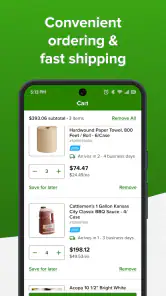
Another limitation is that mobile shopping is not always ideal for large, complicated orders. A phone is convenient for checking a forgotten item or placing a focused reorder, but a desktop browser may feel more comfortable when comparing many products, reviewing a long cart, or coordinating an extensive opening order. I would use the app for speed and mobility, while reserving larger planning sessions for a bigger screen when possible.
The current version is 1.8.11, and the app supports devices running Android 7.1 or later. That makes it accessible to many users with older Android hardware, which is useful for a small business that does not replace phones frequently. Still, device age can affect how pleasant catalog browsing feels, especially when a phone has a small display or limited performance. The minimum operating-system requirement is friendly, but the best experience will depend on the device itself.
Who will get the most value from it?
I would recommend WebstaurantStore first to independent restaurant owners, café operators, caterers, bakery teams, food trucks, and hospitality workers who regularly buy supplies. It also makes sense for schools, community kitchens, and other organizations that need food-service products rather than ordinary household replacements. For these users, the app’s specialization is the main reason to keep it installed.
It can also work well for a serious home cook who wants commercial-style tools or serving supplies. The important distinction is that this user should enjoy comparing practical options and thinking about durability, capacity, and repeated use. If the goal is simply to buy one inexpensive kitchen item with no interest in professional alternatives, a general retailer may be less effort.
I would be more hesitant to recommend it to someone who values immediate local availability above everything else. If a restaurant is already in the middle of service and needs a replacement today, an app-based order may not solve the urgent problem as effectively as a nearby supplier or store. Likewise, a buyer who depends heavily on personal product advice may prefer a sales contact who understands the kitchen’s exact setup.
For a small operation, I see a particularly useful scenario. Imagine a café owner closing after a busy weekend and noticing that several serving and storage essentials are running low. Instead of trying to remember each item during the next shift, the owner can use the dedicated app to review the needs, search within a restaurant-focused catalog, and prepare a more deliberate order. The benefit is not just convenience; it is reducing the chance that routine purchasing gets mixed with unrelated shopping.
There is also a useful division of labor for teams. One person can identify what needs replacing, another can review whether the selected item fits the kitchen, and the person responsible for purchasing can complete the order from the phone. I would not treat the app as a full team-management system, but it can serve as the shopping layer in a simple internal process. That distinction helps set realistic expectations: it supports buying, while the business still needs its own method for inventory counts, approvals, and storage planning.
Answers to the practical questions I would ask before installing it
Is it suitable for occasional buyers? Yes, as long as the purchase is genuinely related to restaurant or food-service supplies. The free installation makes it easy to try, and the Everyone age rating means it is not presented as an adults-only business tool. Occasional buyers should expect a specialized catalog rather than a simplified consumer-shopping experience.
Can it replace a local supplier? In my view, not completely. It is a useful additional purchasing channel, especially for planned orders and catalog browsing, but local suppliers can offer advantages that an app cannot reproduce, such as immediate collection, direct advice, and familiarity with a particular business. I would compare both options according to urgency and the complexity of the order.
Is it better than a general shopping app? For restaurant-specific purchasing, I think it has the clearer purpose. For unrelated household shopping or a single everyday product, the broader app may be quicker. The right choice depends less on loyalty and more on whether the item belongs to a professional kitchen workflow.
Will a new restaurant owner find it easy? They can use it, but I would not rely on it alone to learn what the business needs. New operators should first define their menu, service style, storage limits, and replacement priorities. Once those decisions are clear, the app becomes much more useful because browsing has a practical target.
Is it worth keeping installed? For anyone who orders restaurant supplies repeatedly, I think so. The value comes from having a specialized shopping destination available when a need appears. If I rarely buy food-service products, I would probably use it only when a specific requirement arises rather than treating it as a daily shopping app.
My final view after using it as a purchasing tool
WebstaurantStore succeeds because it knows what kind of shopping it is trying to support. It is not attempting to be everything for everyone; it is aimed at restaurant supply buying, and that makes its catalog more relevant than the usual general-purpose alternatives for professional kitchen needs. I found the strongest case for it in planned replenishment, equipment research, and focused orders made by people who already understand their operational requirements.
Its weaknesses are connected to the same specialization. New buyers may need more product knowledge, large orders may be easier to manage on a bigger screen, and urgent local purchases may still be better handled nearby. Those are genuine limitations, but they do not undermine the app’s central usefulness.
With a 4.8 average and more than one hundred thousand installs, it has established a solid presence among its intended audience. I would recommend the free app to restaurant and hospitality buyers who want a dedicated mobile route to supplies, while advising casual shoppers to use it only when their needs are specifically food-service related. My clear takeaway is that this is best used as a focused purchasing workspace, not as a general shopping replacement.
WebstaurantStore Frequently Asked Questions
Is the WebstaurantStore app free, and which devices can run it?
WebstaurantStore is a free shopping app from WebstaurantStore.com. It requires an operating system version 7.1 or later, so check your device’s software before downloading. The app is intended for browsing and shopping for restaurant and foodservice supplies, making it especially useful when you want to explore the catalog or manage purchasing from a mobile device.
Who develops WebstaurantStore, and is the app intended for all ages?
The app is developed by WebstaurantStore.com and is rated suitable for everyone. Its focus is commercial restaurant, foodservice, hospitality, and kitchen supplies, so the products are geared toward shopping rather than entertainment. Whether you are buying for a business or looking for supplies for home cooking or an event, consider the product details and package sizes before ordering.
What is WebstaurantStore, and what can I buy through the app?
WebstaurantStore is an online shopping platform focused on restaurant, foodservice, hospitality, and commercial kitchen supplies. From the app, you can browse equipment, cookware, smallwares, furniture, disposables, cleaning products, ingredients, and more. Product availability, pricing, shipping options, and eligibility may vary by location, so it is worth checking the complete listing before placing an order.
Is the WebstaurantStore app suitable for home users, or is it only for restaurants?
Although WebstaurantStore is designed primarily for restaurants, cafés, catering companies, hotels, schools, offices, and other businesses, home users can also shop on the platform. The catalog includes useful items for serious home cooks and event organizers. However, some products are sold in commercial quantities or require substantial storage space, so compare package sizes and dimensions carefully.
How do shipping costs and delivery times work on WebstaurantStore?
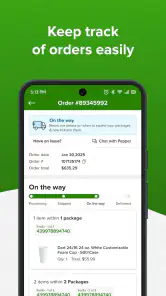
Shipping depends on the product, destination, order size, warehouse location, and selected delivery method. Some items may qualify for shipping promotions or membership-based benefits, while oversized equipment can involve additional freight charges. Before completing checkout, review the estimated delivery date, shipping fee, and any special delivery requirements, especially when ordering heavy appliances or large furniture.
Pros
- Huge selection of restaurant supplies
- equipment
- and foodservice products.
- Detailed product specifications help compare items before ordering.
- Bulk pricing can be useful for businesses and large-volume purchases.
- Many customer reviews provide practical insight into product quality.
- Online ordering makes repeat purchases quick and convenient.
Cons
- Shipping costs may be high for heavy or oversized equipment.
- Some products have limited availability or extended delivery times.
- The extensive catalog can make finding specific items overwhelming.
- Returns may be less convenient for large or commercial equipment.
- Most features are geared toward businesses rather than casual shoppers.
- Category
- Shopping
- Version
- 1.8.11