VoltDrama - Short Reels
- 14.00
- 3.3
- Installs
- 10.00K
- Price
- Free

Screenshots

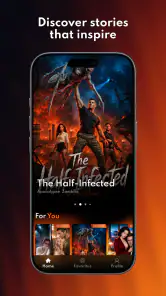
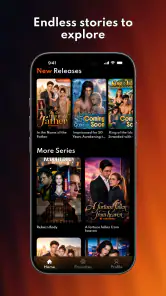
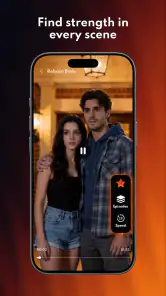



Analysis by Reviewed
Short-form drama is easy to start and surprisingly hard to get right. I opened VoltDrama - Short Reels expecting a quick entertainment app, and that is exactly the role it tries to fill: brief dramatic stories and original series designed for watching in small pockets of time. It belongs to the entertainment category, comes from Sd Spartan, and is free to install, although individual in-app purchases range from $19.99 to $199.99. That pricing makes the viewing experience worth examining carefully rather than treating the app as a simple free video player.
My overall impression is mixed but useful. The format suits people who enjoy cliffhangers, emotional twists, and episodes that can fit into a commute or a short break. At the same time, the relatively modest average rating of 3.3 from around 36 ratings suggests that the experience will not satisfy everyone. I would approach it as a niche choice for short-drama fans, not as a universal replacement for a full streaming service.
How VoltDrama feels to use across different viewing needs
Readability and navigation during quick sessions
The central appeal is immediacy. VoltDrama is built around short reels and premium original series, so the natural workflow is to open the app, choose something that catches your eye, and begin watching without committing to a long film. That makes it a good fit for people who prefer small, clearly bounded entertainment sessions. I found the concept more approachable than browsing a large traditional streaming catalog when I only had a few minutes available.
That simplicity also creates a trade-off. Short-drama apps often encourage rapid movement from one episode or story to the next, and that pace can make it harder to pause and decide what to watch thoughtfully. If you like carefully comparing genres, cast details, episode lengths, and viewing options before pressing play, a larger streaming platform may feel more informative. VoltDrama is better suited to someone who wants a direct route from discovery to viewing.
For readability, the most important practical habit is to avoid judging a series only by its first visual impression. Short-form drama depends heavily on hooks, so a dramatic thumbnail or title may tell you less about the tone than the opening moments do. I recommend sampling a story when you have enough uninterrupted time to understand its style, then saving your attention for the series that genuinely hold it. This prevents the rapid-scroll design from turning into a tiring cycle of starting and abandoning episodes.
The app is marked for Teen audiences, which is useful context for households deciding whether it belongs on a shared device. That label should be treated as a prompt for personal judgment rather than a guarantee that every story will suit every teenager. A parent or guardian who is sensitive to dramatic themes should preview content before recommending it to a younger viewer.
VoltDrama has reached over 10 thousand installs, while its current version is 2.2.0 and supports Android 7.0 or later. Those details matter for practical access: people using an older Android phone may be able to install it, but anyone on an earlier system will need a different way to watch short dramas. I would check the device requirement before spending time planning around the app.
More From Our News Desk

Clash of Clans Is Won Between the Battles

Android Auto Makes the Case for Quieter Car Software

MobiOffice: Transforming Mobile Productivity with Seamless Integration

EA SPORTS FC™ Mobile Soccer: Redefining Mobile Sports Gaming

How Microsoft OneDrive Became a Mobile Productivity Giant

How Google Translate Breaks Language Barriers Effortlessly
Motor and sensory considerations while watching
Short video can be easier for some viewers because it reduces the need to manage a long program. A person who becomes fatigued during extended viewing can choose a smaller story segment and stop naturally. The same format may also help someone who has limited concentration at a particular time of day, since the commitment is usually less intimidating than a full-length episode.
However, shorter does not automatically mean more accessible. Rapid transitions, frequent emotional peaks, and visually busy scenes can be demanding for viewers who are sensitive to motion, flashing imagery, or crowded compositions. I would not assume that every reel will be comfortable simply because it is brief. The safest approach is to begin with low expectations, watch in a calm setting, and stop if the presentation becomes uncomfortable.
Sound is another important consideration. Drama relies on dialogue, music, and changes in tone, so a noisy environment can make the experience much less enjoyable. Someone with hearing difficulties may need a quiet room or a suitable listening setup, but I would not treat that as a substitute for clear caption support. If captions are essential to your viewing, confirm that the particular content you want to watch provides the assistance you need before committing to a purchase.
For viewers with limited fine-motor control, the short-reel format can be convenient when the intended action is simply selecting a story and watching. It becomes less comfortable if the experience expects frequent tapping, quick dismissal of prompts, or precise interaction while a video is moving. My practical advice is to choose a stable viewing position and avoid operating the app one-handed while walking or travelling. The entertainment is passive once playback begins, but getting there may still require repeated touch actions.
People who rely on screen readers, enlarged text, strong contrast, or other device-level settings should test the app with their preferred configuration before paying for premium content. Android accessibility settings can improve general phone use, but they cannot guarantee that every control or piece of media will behave ideally. That is one of the most important distinctions here: the app may be usable in a particular setup without being equally comfortable for every viewer.
Situational access: where the format works best
I can see VoltDrama working well during a lunch break, while waiting for an appointment, or at home when I want a quick emotional story rather than a two-hour commitment. Imagine finishing a few errands and having ten minutes before the next task. A short reel can fill that gap without requiring the mental preparation of choosing a full series on a major platform. When the day is fragmented, that is a real advantage.
It is less suitable for situations where attention is divided. Watching while cooking, crossing a street, supervising a child, or travelling through a busy station makes it easy to miss dialogue and story details. Short episodes can create the illusion that multitasking is harmless, but dramatic plots often depend on small exchanges. I would use it when I can actually look and listen, even if the session itself is brief.
The app may also suit viewers who enjoy serialized suspense and do not mind stopping at a cliffhanger. That last point is important. The short-drama structure can make “just one more episode” tempting, especially when the story is designed around quick hooks. If you are trying to control screen time, set a stopping point before opening the app rather than relying on willpower after each episode.
For travel, I would think about the viewing environment rather than assume convenience. A phone screen is naturally portable, but glare, background noise, and unstable attention can reduce the value of a dialogue-heavy story. At home, a larger display may make scenes easier to follow, while on the move, the app is most useful when you already know you will have a quiet, seated opportunity to watch.
Another everyday use is sharing recommendations with a friend who likes melodramatic storytelling but has little patience for long seasons. I would describe the app honestly: it offers short dramas and premium original series, but the free label does not mean every part of the catalog is free. That distinction prevents an awkward surprise when a viewer reaches a locked item or considers an in-app purchase.
Where the free model and premium content create friction
The biggest barrier for me is the gap between “free to install” and the possible cost of continuing with premium material. Purchases can reach $199.99 per item, which is a serious commitment for entertainment. I would not make a purchase simply because a story ends on a cliffhanger. First, I would decide whether I am comfortable with the total value of continuing, not just the immediate emotional pull of the next installment.
This is especially important for younger users. The Teen content rating and the presence of substantial in-app purchase options mean that a family should discuss spending before handing over a device. A free download can be perfectly legitimate while still leading to paid choices inside the app. Clear personal limits, device purchase controls, and adult supervision are sensible safeguards.
Viewers who want a predictable monthly entertainment budget may prefer a conventional subscription service, where the cost is easier to understand across a broad catalog. Someone who dislikes microtransactions or premium locks should probably skip VoltDrama unless the free selection alone meets their needs. On the other hand, a viewer who only occasionally wants a short dramatic story may appreciate paying attention to individual viewing choices rather than maintaining another recurring subscription.
The rating of 3.3 is another reason to keep expectations measured. With only around 14 written reviews, it is not enough to explain every possible experience, but it does show that the app has not produced universally positive reactions. I read that as a signal to test the basic viewing flow first, pay attention to how easily I can find suitable stories, and postpone spending until I am confident the format matches my taste.
There is also a content-fit barrier. If you prefer documentaries, live events, long-form prestige drama, or a large selection of established films, this app is aimed at a different habit. Its strength is immediacy and compact storytelling, not breadth in the way a general streaming platform provides it. Choosing the wrong category will make the app feel limited even if it performs its intended job reasonably well.
Practical ways to make the experience more inclusive
I would begin by preparing the phone before opening the app. Increase text size if that helps, reduce glare, use headphones only when safe, and choose a quiet place where dialogue will not be lost. These steps do not change the app itself, but they can determine whether a short episode feels relaxing or exhausting. They are particularly useful for viewers who have fluctuating energy or sensory tolerance.
Next, I would treat discovery as a filtering task rather than endless scrolling. Pick a mood before starting—light, tense, romantic, or dramatic—then stop browsing once a promising series appears. This reduces the number of rapid visual decisions and makes the app less demanding for people who find busy catalogs tiring. It also helps prevent accidental purchases caused by tapping through content without a clear plan.
For viewers with attention challenges, a useful routine is to watch one complete short segment before deciding whether to continue. That gives enough information to judge the pacing, dialogue, and sensory intensity. If the story is not a good match, leave it rather than spending several more episodes hoping it will change. The short format makes this experiment relatively low-risk in time, provided the premium boundary is kept in mind.
For people who need captions or dependable audio clarity, I would verify those needs with the exact series rather than generalize from one successful viewing session. Media accessibility can vary from one piece of content to another. The same caution applies to users who need large controls or assistive technology: test navigation before purchasing anything, and keep the phone’s standard accessibility tools enabled if they improve comfort.
Finally, I would make the spending decision separately from the entertainment decision. Enjoying a story is not the same as deciding that its next paid segment is worthwhile. This two-step habit is my strongest recommendation for VoltDrama because it protects viewers from making a costly choice during a dramatic cliffhanger.
My inclusive verdict after using the app
I see VoltDrama as a focused entertainment app for people who genuinely enjoy bite-sized drama and want something that fits between larger commitments. Its short format can support fragmented schedules, limited viewing stamina, and quick moments of relaxation. The free installation lowers the barrier to trying it, while the Android 7.0 requirement keeps it within reach for many older devices.
Still, I would not call it an effortless choice for everyone. Sensory needs, caption dependence, motor limitations, and screen-reader workflows should be tested in practice. The Teen rating deserves attention in family settings, and the high end of the in-app purchase range makes financial boundaries essential. These are not minor details when the app is built around emotionally persuasive, continuing stories.
Compared with a usual streaming service, VoltDrama is more convenient when I want a compact narrative and less appealing when I want a broad, predictable catalog with straightforward access to everything. Compared with casual social video, it offers a stronger sense of serialized storytelling but may demand more attention and may place more emphasis on premium continuation. The right choice depends on whether short drama itself is the priority.
My recommendation is to try the free experience in a comfortable setting, assess navigation and media comfort with your own accessibility needs, and avoid purchasing until the full cost feels reasonable. Its best feature is the ability to turn a small break into a complete dramatic moment, but its biggest weakness is that convenience can lead quickly toward expensive premium decisions. If that trade-off suits you, VoltDrama can be an enjoyable specialist app. If you need guaranteed accessibility support, extensive catalog variety, or a simple all-inclusive price, a different viewing option will likely serve you better.
Developed by Sd Spartan, the app is currently listed as version 2.2.0 and remains free to download, with content intended for Teen viewers. I would recommend it selectively rather than broadly: ideal for short-drama fans who know what they want, less appropriate for anyone seeking a fully predictable, low-friction streaming experience.
VoltDrama - Short Reels Frequently Asked Questions
What devices and operating systems can run VoltDrama - Short Reels?
VoltDrama - Short Reels is an app for mobile devices, and its listed minimum operating system is Android 7.0. Before downloading, check your device’s software version and make sure it meets that requirement. Keeping your operating system and app updated can also help with compatibility and performance. The app’s current version is 2.2.0.
Who makes VoltDrama - Short Reels, and how popular is it?
VoltDrama - Short Reels is developed by Sd Spartan and is listed in the entertainment category. It has more than 10,000 installs, with an average rating of 3.3 from 36 ratings and 14 written reviews. Those figures offer a quick snapshot of its reception, but individual experiences can vary, so consider whether its short-drama format matches what you enjoy before installing.
What is VoltDrama - Short Reels, and what type of content does it offer?
VoltDrama - Short Reels is a mobile entertainment app focused on short-form dramatic videos and serialized stories. Episodes are designed to be watched quickly, often using cliffhangers to encourage viewers to continue with the next part. The app may include romance, family conflict, suspense, and other popular drama themes. The available catalog, episode length, and language options can vary depending on your region and app version.
Is VoltDrama - Short Reels free to download and use?
VoltDrama - Short Reels is free to download, but free access does not necessarily mean that every episode or feature is available at no cost. Some content may require coins, credits, advertisements, subscriptions, or individual purchases. Before watching extensively, review the pricing information shown in the app, especially if you are using a payment method connected to Google Play or the App Store.
Does VoltDrama require an internet connection to watch its short dramas?
An internet connection is normally required to browse the catalog, load video episodes, synchronize your account, and access newly released content. Depending on the version of the app, selected episodes might support temporary offline viewing, although this is not guaranteed for every title or device. If you plan to watch while traveling, check whether downloads are available and confirm how long saved episodes remain accessible.
Pros
- Quick short-form episodes fit easily into short breaks.
- Vertical video format feels natural on mobile devices.
- Frequent content updates can keep the catalog feeling fresh.
- Simple episode navigation makes casual viewing effortless.
- Dramatic cliffhangers encourage viewers to continue watching.
Cons
- Many stories rely on familiar romance and revenge plot formulas.
- Some episodes may feel too brief to develop characters fully.
- Video playback can consume significant mobile data.
- The app may require creating an account before full access.
- Content availability may vary by region or change over time.
- Category
- Entertainment
- Version
- 2.2.0