Vimo-CreativeCut
- 517.00
- 3.9
- Installs
- 1.00M
- Price
- Free

Screenshots
Analysis by Reviewed
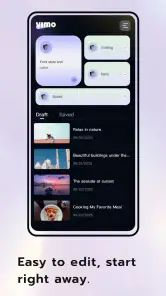
Vimo-CreativeCut is an entertainment app from Night2Night PM Services that I found easiest to understand as a quick creative editing space rather than a full professional production suite. Its main appeal is the way it lowers the effort between having a rough idea and turning that idea into something shareable. I can open it with a simple goal in mind, make a few visual decisions, and leave with a finished result without first learning a complicated timeline.
That simplicity matters most when I am editing for a normal day rather than a major project. A short clip from a walk, a small family moment, or a few photos from an evening out usually does not need the controls of a desktop editor. It needs a clear route from raw material to something that feels intentional. Vimo-CreativeCut is strongest when speed and creative confidence matter more than detailed manual control.
The app sits in the entertainment category, is free to use, and carries an Everyone age rating. It has reached over a million installs and holds an average rating of 3.9 from around two thousand ratings, which suggests that it has found a sizable audience while still leaving room for mixed experiences. It was released on September 26, 2025, and version 1.1.0 is available for devices running Android 7.0 or later.
Turning a rough idea into a finished edit
The capability that makes the difference
The most useful capability here is effortless creative editing: taking ordinary media and helping me shape it into a more presentable piece without making every decision feel technical. That is more important than it may sound. Many editing apps are capable, but their interfaces make casual users feel as if they are operating a small film studio. Vimo-CreativeCut takes a friendlier direction.
In practice, I see its value in reducing hesitation. Instead of wondering which tool to use first, I can begin with the material I already have and focus on the result I want people to feel. Do I want a quick memory, a playful social post, or a cleaner presentation of a few images? The app works best when I treat it as a creative shortcut, not as a replacement for every editing tool available on mobile.
That distinction also explains why the app feels more suitable for casual creators than for editors who already have a precise workflow. If I need exact timing, complex layers, detailed audio work, or frame-level adjustments, a more advanced editor is likely to give me better control. If I need to make something pleasant without fighting the interface, this approach is much more comfortable.
How I would use it from the first edit
I would start with a small project instead of importing everything on my phone. Selecting only the photos or clips that support one idea keeps the creative process focused. A common mistake with quick editors is giving them too much material and then judging the app when the real problem is an unfocused selection. Vimo-CreativeCut makes more sense when I decide on the mood first and choose media that matches it.
For example, after a short day trip, I might choose a handful of moments that show movement, atmosphere, and a clear ending. I would then arrange the sequence so it feels like a small story rather than a camera roll dump. The app’s value is not only in changing the appearance of the media; it is in helping me make those choices without requiring a long setup session.
I also found that restraint is especially useful with a lightweight editor. When an app makes editing approachable, it can be tempting to add something to every clip. I prefer to decide what deserves emphasis and leave the quieter moments alone. A short result with a clear rhythm usually feels more polished than one crowded with constant changes.
Another practical habit is to review the complete edit before sharing it. A transition or visual treatment that looks interesting on one clip can feel distracting when repeated throughout a sequence. I would watch the result once without editing, then make only the changes that improve the overall flow. This is a small workflow adjustment, but it helps prevent the “everything at once” look that often affects quick mobile creations.
A realistic everyday scenario
Imagine I have ten minutes before meeting friends and want to turn a few photos from the week into something worth sending in a group chat. I do not want to sit at a computer, search for a tutorial, or build a project with a dozen technical settings. I want a compact visual summary that feels more thoughtful than sending the images separately.
This is where the app makes sense. I can choose the strongest moments, shape them around one simple idea, and stop when the result communicates that idea. The finished piece does not need to look like a commercial. It only needs to have enough structure that friends can follow it and enough personality that it feels like mine.
The same workflow can help a small business owner prepare a quick visual update, a student assemble a casual project recap, or a parent create a short memory from family media. I would still check the final result carefully before publishing anything public, especially when other people appear in the source material. The app can make the editing easier, but it does not replace good judgment about what should be shared.
Where it sits beside familiar alternatives
Compared with a basic gallery editor, Vimo-CreativeCut offers a more creative path. A gallery tool is convenient for cropping, rotating, or making a quick correction, but it is usually not designed around turning several pieces of media into a coherent presentation. This app is more appealing when the goal is expression rather than simple maintenance.
Compared with a large social-media editor, it feels less tied to a particular platform or posting habit. That can be useful when I want to create something first and decide later where it belongs. On the other hand, a platform-specific editor may be the better choice when I need current publishing formats, built-in social tools, or a workflow designed around one network.
Compared with a professional mobile editor, the trade-off is clear. Vimo-CreativeCut is less intimidating and quicker to approach, while a professional tool generally rewards patience with deeper control. I would choose this app for a spontaneous personal edit and a more advanced alternative for work that depends on exact visual timing or a repeatable production process.
Small workflow choices that improve the result
One useful technique is to create a visual beginning and ending before worrying about the middle. The opening should immediately explain what the edit is about, while the final moment should feel like a natural stopping point. Even a simple sequence becomes easier to follow when those two decisions are deliberate.
I would also group media by feeling rather than by the order in which it was recorded. Camera-roll chronology is convenient, but it does not always tell the best story. A later clip may work better near the beginning if it establishes the atmosphere, while a quieter image may be more effective as the closing moment.
A third tip is to make a clean version before experimenting. I like to build the simplest readable edit first, then test creative changes one at a time. That gives me a reliable comparison and makes it easier to identify which choice genuinely improves the result. It also prevents a quick project from becoming an endless cycle of adjustments.
These habits reveal an important strength of the app: it encourages me to think like an editor without forcing me to behave like a technician. The creative decisions still belong to me, but the process feels less heavy.
The trade-offs I noticed
The same simplicity that makes the app approachable can become a limitation for experienced users. I would not choose it as my only tool for a demanding project that needs a carefully controlled structure. When every cut must land at a precise point or when several visual elements need independent treatment, a more specialized editor is likely to be more efficient despite its steeper learning curve.
There is also a difference between effortless editing and effortless creative decision-making. The app can make the mechanics feel lighter, but I still need to choose suitable media, remove weak moments, and review the finished sequence. Users expecting an automatic result that always understands their intention may find that the final quality depends heavily on their own selections.
The current version, 1.1.0, also makes me view the app as a relatively young product rather than a mature replacement for every established editing workflow. That is not a criticism by itself, but it affects how I would use it. I would keep expectations focused on fast creative work and avoid assuming that it should cover every advanced need found in long-established alternatives.
Because it is free, it is easy to try without making a financial commitment. That makes experimentation less stressful, especially for someone who is unsure whether editing is for them. At the same time, free access alone does not guarantee that the app will match every personal workflow. I would judge it by how quickly I can reach a result I actually like, not simply by the fact that I can install it without paying.
Who gets the most from it
I think the best audience is made up of people who have plenty of photos or clips but rarely turn them into anything. Beginners gain the most because the app reduces the intimidating gap between “I have media” and “I made something.” It is also a good fit for casual creators who want a faster alternative to opening a complex editor every time inspiration appears.
It may suit families, students, travelers, and social users who care more about a clear personal result than about professional production standards. Someone who wants to prepare a quick birthday memory, a compact trip recap, or a creative message can benefit from the lighter workflow. The Everyone rating also makes it a broadly approachable entertainment app for general audiences.
I would be more cautious about recommending it to a professional editor, a content team with strict delivery requirements, or anyone who already depends on highly detailed controls. Those users may save time with a specialized tool because its complexity is part of what they need. Vimo-CreativeCut is not at its best when the project requires the app to disappear completely behind a carefully engineered process.
Before installing, I would ask myself one simple question: do I want to create quickly, or do I want to control every technical detail? If the first answer is more important, this app deserves a trial. If the second answer is central, I would compare it with a deeper editor and accept the extra learning effort.
My recommendation after using it
Night2Night PM Services has made an app that is easiest to appreciate through small projects. I would not describe it as a universal editing workstation, and I do not think it needs to be one. Its identity is clearer when I use it to turn ordinary media into a concise, expressive result without spending the evening managing settings.
The strongest reason to try it is not the promise of replacing every alternative. It is the chance to make creativity feel reachable when a more complicated app would make me postpone the idea. The best results come from choosing a focused set of media, building a readable sequence, and resisting the urge to decorate every moment.
For me, Vimo-CreativeCut is worth recommending to casual Android creators who want a free, approachable way to shape everyday memories and quick social content. Its limitations matter, but they are understandable trade-offs for a lighter experience. If your priority is a fast path from rough material to a shareable edit, it is a sensible choice; if your work depends on precision and deep control, I would look elsewhere.
Pros
- Simple timeline makes quick edits easy for beginners.
- Includes creative templates for social media-ready videos.
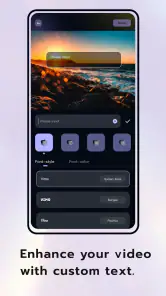
- Supports adding music
- text
- stickers
- and transition effects.
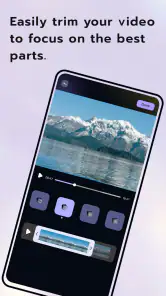
- Useful tools for trimming
- cropping
- and adjusting video speed.
- Convenient for creating short videos directly on a phone.
Cons
- Some advanced editing features may require a paid subscription.
- Export options can be limited depending on the selected project settings.
- Template-based edits may feel repetitive for experienced creators.
- Large projects can use considerable storage and battery power.
- Some effects or assets may require an internet connection.

- Category
- Entertainment
- Version
- 1.1.0