Ualett
- 1.28K
- 4.6
- Installs
- 100.00K
- Price
- Free

Screenshots
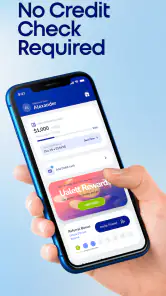


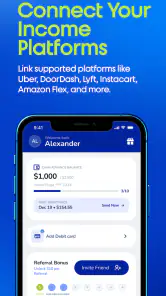

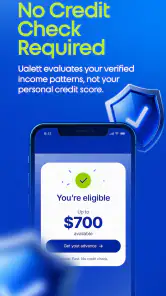

Analysis by Reviewed
When I look at a finance app for gig work, I judge it by a simple question: does it make an irregular workday easier to manage, or does it add another layer of confusion? After spending time with Ualett, I found that its appeal is strongest for people whose income comes from flexible, on-demand work rather than a fixed monthly paycheck. It is a free finance app from Cabicash Solutions, Inc., built around the needs of gig workers and available for everyone by age rating.
That focus matters. A traditional banking app usually assumes that money arrives on a predictable schedule, while a gig worker may be moving between deliveries, rides, freelance jobs, short contracts, and household expenses. Ualett feels more relevant to that rhythm. I would not describe it as a complete replacement for every financial service, but I can see why it has attracted a 4.6 average from around 7,600 ratings and more than 100,000 installs.
How Ualett fits into a shared household
The most useful way to think about this app is as a personal tool that can sit inside a shared household without becoming a shared account. That distinction is important. A driver, courier, or independent worker may need a private place to follow work-related money while still discussing rent, groceries, fuel, or childcare with other people at home.
For example, imagine one person in a household completing delivery shifts during the week while another person handles most recurring bills. Ualett can be part of the worker’s own routine: checking what is available, keeping an eye on money connected with work, and deciding what can safely be contributed to the household. The app does not need to become the family’s central financial dashboard for it to be useful.
I prefer this separation because shared-device use can quickly blur personal and household information. If several people use the same phone or tablet, I would treat the app as belonging to the individual who created the account. I would not hand the device around casually or assume that another household member should be able to open the account just because they help manage the budget.
That makes Ualett a better fit for coordination than for joint control. A couple might agree that the gig worker checks the app after each work period and then reports a safe amount for household spending. That workflow keeps the conversation practical without pretending that everyone needs direct access to the same financial screen.
Why gig income needs a different routine
Irregular income creates a timing problem that ordinary budgeting apps do not always solve well. A person may earn money on several different days, spend on fuel before the next job, and still need to reserve money for personal obligations. The important habit is not merely opening the app; it is checking money before making a commitment.
I found that the app makes more sense when used at specific points in the day rather than constantly. A worker could check before starting a shift, after finishing a block of jobs, and before transferring money into the household budget. That small routine helps separate money that is available now from money that is expected later.
One non-obvious trade-off is that convenience can encourage overconfidence. Seeing accessible funds may make a user feel comfortable spending immediately, even though fuel, taxes, repairs, or a slow workday still need to be considered. I would use Ualett as one part of a money routine, not as permission to treat every visible balance as disposable income.
Setting boundaries during setup
My advice is to set personal boundaries before inviting anyone else into the process. Decide who owns the account, which phone will normally be used, and what information is appropriate to discuss with a partner, parent, roommate, or trusted helper. These decisions are especially important when a household shares devices.
The app is free, which lowers the barrier to trying it, but free does not mean that the account should be treated casually. Finance apps involve personal information and money decisions, so I would avoid saving access details where another person can easily see them. I would also keep the app updated; the current version is 2.73.0 and requires Android 8.0 or later.
That operating-system requirement is reasonable for many Android phones, but it can still matter in a household with an older spare device. Before planning to use Ualett on a shared or backup phone, I would check whether that device can run it comfortably. If it cannot, the practical solution is to use the supported personal phone rather than trying to force the app into a setup it was not designed for.
I would also avoid creating a second account simply to make household sharing easier. Duplicate accounts can make it harder to understand which account reflects the real work routine. A cleaner approach is one clearly owned account, one usual device, and a separate conversation at home about what the worker can contribute.
Coordinating money without handing over control
Ualett works best in a household when coordination happens through agreed routines. A useful example is a weekly check-in: the gig worker reviews recent activity, keeps an amount aside for work costs, and tells the household what can be used for shared expenses. The other person does not need to inspect every detail to participate in the plan.
This approach is particularly helpful when income changes from week to week. Instead of promising a fixed contribution that may become stressful, the worker can communicate after looking at the current situation. The household can then prioritize essentials and postpone flexible purchases when work has been lighter.
There is also a privacy benefit. Not every personal transaction needs to become a family discussion. A shared budget should focus on shared responsibilities, while personal spending remains personal unless both people have agreed otherwise. I would be cautious about using screenshots or leaving the account open on a communal device, because coordination should not require exposing more information than necessary.
For roommates, the same principle applies. Ualett may help one roommate manage gig income, but it should not be mistaken for a rent-splitting system or a shared ledger. I would use a separate, mutually agreed method for household bills and keep the app focused on the worker’s own financial activity.
What to expect from the app’s focus
The store summary describes Ualett as built for gig workers, and that is the lens through which I would evaluate it. Someone earning through flexible work is likely to understand its purpose quickly. Someone looking for a broad personal-finance suite, investment research, detailed family budgeting, or a full replacement for a conventional bank may find the focus too narrow.
This is where Ualett differs from the usual alternatives. A standard banking app is generally centered on accounts and transactions, while a budgeting app may emphasize categories, goals, and long-term planning. Ualett’s identity is more closely tied to the working pattern of independent earners. That can make it feel more direct for the right person, but less suitable for someone whose main need is household accounting.
I would also avoid comparing it purely by the number of tools on screen. For a gig worker, a simpler workflow can be more valuable than a crowded dashboard. The real question is whether the app helps you make better decisions between earning, accessing, and spending. If you need extensive reports or a detailed shared budget, another finance app may be the better companion.
Age, trust, and responsible use
Ualett carries an Everyone content rating, but that should not be confused with financial independence for every age group. A young person may be able to view an app with that rating, yet still need an adult’s guidance when money, work income, or account security is involved.
In a family setting, I would explain the difference between using an app and understanding a financial decision. An older child or teenager might help with a device or learn how gig income works, but that does not automatically mean they should access another person’s account. The account holder should remain clear about who can see information and who can make decisions.
Trust is also relevant between adults. Sharing a passcode because someone is helping with bills may seem harmless, but it removes an important boundary. I would rather agree on what needs to be communicated than give unrestricted access. If a household needs joint visibility, it should choose a service designed for that purpose instead of stretching a personal finance app beyond its role.
Another practical point is conversation around expected income. Gig work can look more profitable before expenses are counted. When coordinating with family, I would talk about usable money after fuel, maintenance, taxes, and other work costs rather than quoting the most optimistic amount earned during a busy period.
A realistic day with Ualett
Consider a courier who starts the afternoon with limited fuel, completes several orders, and returns home needing to decide whether to pay a household bill immediately. I would open Ualett as part of that decision, but I would not stop at the first balance I see. I would ask what money is genuinely available, what must remain connected to work, and what expenses are due before the next opportunity to earn.
At home, the courier could tell a partner, “I can cover part of the grocery budget today, but I need to keep enough for tomorrow’s driving.” That is a more useful conversation than simply announcing the day’s gross earnings. The app supports the check, while the household agreement supplies the judgment.
The same routine can help a freelancer who receives money at uneven times. Before moving money toward rent, the freelancer can review the current position and compare it with upcoming obligations. If the balance is tight, the correct decision may be to wait, reduce optional spending, or keep working rather than assume that access equals security.
This is one of the strongest ways to use Ualett: as a pause before spending. The app becomes valuable not because it removes every financial problem, but because it gives the worker a dedicated moment to make a more informed choice.
Where the experience may feel limited
The gig-worker focus is also the main limitation. If your household needs a shared budget with multiple contributors, detailed bill assignments, or a complete view of several financial products, Ualett may not cover the whole job. You may need another app or a simple household system alongside it.
I would also be careful if you expect the app to replace financial planning. Irregular workers still need a separate method for tracking taxes, annual costs, emergency savings, and business expenses. Ualett can fit into that system, but I would not rely on one app to answer every question about self-employment.
Shared-device households should pay attention to account boundaries as well. The Everyone rating makes the app broadly accessible, but accessibility is not the same as suitability for unrestricted family use. If privacy is difficult to maintain on the available device, I would choose a more private setup before making the app part of a household routine.
People who prefer a traditional bank interface may also need time to adjust. Ualett’s value comes from its relevance to gig work, so it may not feel like the most natural choice for someone with a regular salary and straightforward monthly expenses. In that case, a conventional banking app or a dedicated budgeting tool could be more useful.
My household verdict
I recommend Ualett to gig workers who want a finance app shaped around flexible income and who are willing to pair it with sensible personal boundaries. Its free price makes experimenting easy, and its established presence, with over 100,000 installs and around 1,300 reviews, suggests that it has reached a meaningful audience.
My recommendation comes with a clear condition: use it as the worker’s financial workspace, not as an improvised family account. Keep access personal, discuss shared commitments openly, and leave room for expenses that do not appear in the excitement of a strong workday. That approach makes the app more useful and reduces the chance of confusing short-term availability with long-term stability.
The best reason to choose Ualett is its specific fit for gig-work routines, not the promise of replacing every other financial tool. I would choose it for a delivery worker, driver, or independent earner who needs a practical checkpoint between earning and spending. I would look elsewhere for a household that mainly needs joint budgeting, detailed financial planning, or broad banking features.
After using it in that context, my view is positive but measured. Ualett can support better coordination at home when one person’s income changes from day to day, provided everyone respects account ownership and privacy. For the right worker, that focused role is exactly what makes it worth trying.
Pros
- Fast access to earned wages between regular paydays.
- Simple mobile experience designed for quick cash advances.
- Can help cover unexpected expenses without a traditional loan.
- Transparent repayment is easier to track in the app.
- Useful for workers with limited access to conventional credit.
Cons
- Eligibility and advance limits may vary by employer and income.
- Fees can make small advances expensive if used frequently.
- Repayment may be deducted automatically from your linked account.
- Not available in every region or for every type of worker.
- Frequent borrowing could make it harder to manage future paychecks.

- Category
- Finance
- Version
- 2.73.0