TREAT: Play & impact REAL dogs
- 19.62K
- 4.8
- Installs
- 1.00M
- Price
- Free

Screenshots



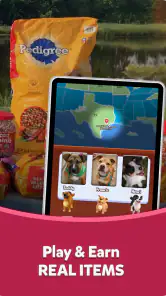
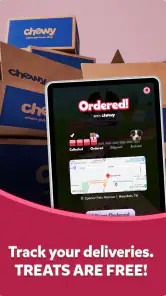
Analysis by Reviewed
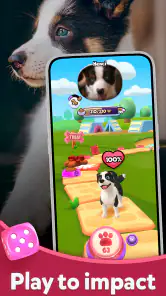
I usually approach entertainment apps with low expectations: a few minutes of distraction, a familiar loop, and perhaps a notification I forget to open. TREAT feels different because the entertainment is tied to shelter dogs rather than being the entire point. I can play, send real goodies, and follow the moment when dogs connected with the app find homes. That gives the experience an emotional reason to return, not just another streak or collection to maintain.
My overall view is positive, but with an important qualification. This is best understood as a small, feel-good habit for animal lovers, not as a replacement for donating, volunteering, fostering, or adopting. The app’s appeal comes from making support approachable. It lowers the effort needed to feel involved, while still keeping the dogs and their stories at the center. If you want a light entertainment app with a charitable purpose, it is easy to recommend. If you expect a deep game, detailed shelter information, or complete control over where every contribution goes, you may find the experience too limited.
How the play-and-help idea works in everyday use
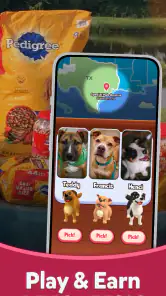
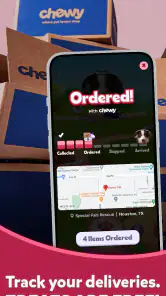
TREAT sits in the entertainment category, although calling it only an entertainment app misses the most interesting part. The basic appeal is the connection between playful interaction and tangible goodies for shelter dogs. I found that combination more motivating than an ordinary casual app because each visit has a human and animal context behind it. Even a short session can feel like a small check-in with a wider rescue effort.
The app is free to install, which makes trying it straightforward. It is rated for Everyone, so the concept is accessible to a broad household audience, including people who want something gentle to use with children. I would still encourage an adult to explain the difference between playing inside the app and making a larger real-world commitment to animal welfare. The cheerful presentation can make the process feel simple, but shelter work itself is complex and depends on more than digital participation.
One of the strongest parts of the experience is the sense of continuity. The idea is not limited to sending something once and moving on. You can return, see what is happening, and eventually know when dogs have found homes. That outcome gives the app a more satisfying arc than most casual entertainment products. Instead of endlessly refreshing an invented feed, I am checking for a meaningful real-life update.
That design also changes how I use it. I do not open it expecting a long gaming session. I use it during small gaps: while waiting for an appointment, taking a break from work, or looking for a calmer activity before bed. The short-session nature suits the app’s purpose. It is easier to build a modest habit around a few minutes than to reserve a full evening for it.
The emotional feedback is the real strength
Many apps use points, badges, or virtual rewards to create a reason to return. TREAT has a more memorable feedback loop because the result is associated with real dogs and eventual homes. That does not make every interaction profound, but it does make the activity feel less disposable. I am more likely to remember a dog whose progress I followed than a digital item earned in a conventional casual game.
The adoption element is especially important. Knowing that dogs can move from shelter life into homes gives the experience a natural sense of progress. It also prevents the app from feeling like a static gallery of sad images. The story can change, and the change is the kind of update users actually want to see.
There is a useful emotional balance here. The app invites compassion without requiring the user to begin with a major decision. Someone who is not ready to adopt can still engage with shelter dogs. Someone who already has pets can use it as a small way to keep rescue work in mind. Someone considering adoption can gain a more personal connection to the idea before contacting a shelter directly.
My practical tip is to treat the app as a prompt for action rather than proof that you have completed an act of charity. After using it, you might share the adoption progress with a family member, discuss responsible pet ownership with a child, or research local shelters. The app works best when it starts a conversation or reinforces an existing concern for animals.
Where it fits beside ordinary entertainment apps
Compared with a standard casual game, TREAT offers less emphasis on mastery and more on purpose. A conventional game is usually the better choice if you want complex strategy, a long campaign, competitive ranking, or precise control over difficulty. TREAT’s value is not in demanding dexterity or teaching a complicated system. Its value is in making a small amount of screen time feel connected to shelter dogs.
Compared with social media, the experience is more focused. There is less pressure to perform, post, or keep up with an endless stream of unrelated content. That focus can be refreshing, especially for people who want a positive activity without the arguments and distractions that often come with social platforms. On the other hand, social media may be more effective when your goal is to spread an urgent adoption appeal widely or organize local help.
Compared with a direct donation, the app is more approachable but less direct in the way the user experiences the contribution. A donation platform is usually preferable when you want to choose a specific organization, give a precise amount, or support a particular need. TREAT is a better fit for someone who wants an interactive entry point and a visible connection to dogs, rather than a purely transactional payment process.
That distinction matters because the app’s free access can create an impression that every form of support is equivalent. It is not. Digital participation can be worthwhile, but it should not be confused with the financial, practical, and long-term responsibilities involved in adoption or sustained shelter support.
Small habits that make the experience more useful
I found three ways to get more from the app than simply opening it once. First, use it at a predictable moment, such as a daily break, so the adoption updates become part of a routine rather than a forgotten novelty. Second, use the progress as a conversation starter with children: ask what a dog might need in a home, why patience matters, and why adopting is a serious responsibility. Third, when you see that a dog has found a home, pause on that update instead of immediately moving to the next activity. The emotional payoff comes from noticing the change.
A fourth useful approach is to separate curiosity from commitment. If the app makes you want a dog, wait before acting on that feeling. Consider housing, time, costs, training, and the animal’s needs. TREAT can make shelter dogs more visible and relatable, but it cannot evaluate whether your household is prepared for adoption. That decision still belongs in careful conversations with a shelter and the people who live with you.
Families should also decide how they want to handle in-app purchases before handing over a device. The app itself is free, but purchases are available from $1.99 to $309.99 per item. That is a wide range, and it makes parental controls and a clear household rule sensible. I would not let a child explore payment screens without supervision. The charitable theme may make spending feel automatically virtuous, but responsible budgeting still matters.
The meaningful limitations I noticed
The biggest limitation is that the experience depends heavily on emotional interest in dogs. If you are indifferent to shelter animals, the central motivation may disappear quickly. The playful layer alone is unlikely to satisfy someone looking for a substantial game. This is a purpose-driven app first and an entertainment product second.
There is also a possible gap between emotional engagement and practical transparency from the user’s point of view. Seeing dogs, sending goodies, and receiving adoption-related updates feels rewarding, but people who want detailed control over support may prefer dealing directly with a shelter or established donation service. The app is convenient precisely because it simplifies the process; that simplicity may feel insufficient to users who want to investigate every aspect of how help is delivered.
The purchase range is another point of friction. Free access is welcoming, but optional spending can complicate the otherwise uncomplicated message. I recommend deciding in advance whether you intend to spend anything. If you do, set a limit and regard it as entertainment spending with an animal-welfare connection, not as a substitute for a carefully chosen donation.
Another limitation is emotional dependence on updates. The most satisfying moment is learning that dogs have found homes, but users should not expect every visit to deliver a dramatic development. Shelter journeys take time, and a responsible app cannot turn every story into an instant happy ending. If you need constant novelty, the pace may feel slow. I see that less as a flaw in the idea than as a reminder that real adoption stories do not follow game-like timing.
Device compatibility is reasonably broad for an older phone: the current version is 20.7.3 and works on Android 7.0 or later. That helps people who do not own a recent handset, although the experience of any media-rich app can still vary with a device’s age and available storage. I would check the operating system before recommending it to someone using a particularly old phone.
Who should install it, and who should skip it
I think TREAT is a strong match for dog lovers who want a low-pressure daily activity, families looking for a compassionate screen-time option, and people curious about shelter animals but not ready to adopt. It also suits users who enjoy seeing a small action connected to a later real-world outcome. The adoption updates make it more rewarding for patient users than for people who only want instant prizes.
It is especially suitable for someone who has recently adopted a dog and wants to keep rescue work visible in everyday life. It can also work for a person living somewhere that makes volunteering difficult. Digital participation does not replace local involvement, but it can help maintain interest until a practical opportunity appears.
I would skip it if your main goal is a deep game with demanding mechanics. I would also choose a direct shelter, rescue, or donation channel if you need precise financial control or want to support a specific local program. And if you are easily affected by animal-related stories, consider whether regular shelter updates will be comforting or emotionally heavy. The app’s hopeful direction helps, but the subject still involves vulnerable animals and uncertain outcomes.
For parents, I would describe it as a guided conversation tool as much as an entertainment app. It can help children understand that animals in shelters are individuals who need stable homes, patience, and care. However, adults should supervise spending and make sure children do not interpret the experience as a promise that adopting a dog is easy or immediate.
What the numbers suggest about its place in the market
The app has built a substantial audience, with more than a million installs and an average rating of 4.8 from around 62 thousand ratings. Those figures suggest that the concept resonates with many people, although popularity does not remove the limitations I described. A large audience is encouraging for a community-centered product because it means the adoption stories are not being presented to an empty room.
TREAT was released on October 8, 2020, and comes from the developer Treat. Its continued presence makes sense because the underlying idea is not tied to a short-lived trend. Shelter dogs finding homes remains a meaningful subject, and the app’s simple format is easy to understand without a long learning period.
The age rating of Everyone also reinforces its broad approach. I would still judge it by the needs of the individual user rather than assuming that a universal rating means every family will use it in exactly the same way. A young child may need help understanding purchases and adoption responsibilities, while an adult may want more direct information than the app is designed to provide.
My final recommendation
After using it as an entertainment app, I see TREAT’s clearest achievement in its framing: it gives people a friendly reason to spend a little time thinking about shelter dogs, then connects that attention with real goodies and adoption progress. That is more meaningful than a purely virtual reward, even if it is not the same as hands-on rescue work or a direct donation.
My recommendation is to try it if you want gentle, purpose-led entertainment and understand what it can and cannot do. Keep expectations realistic, supervise purchases, and use the adoption updates as encouragement to learn more rather than as a substitute for responsible action. The free entry point makes experimentation easy, while the Everyone rating makes it suitable for shared family use with sensible guidance.
For me, the app succeeds when I open it for a short break and leave with a stronger awareness that a dog’s situation can change. It is not the right choice for serious gamers, users demanding detailed donation controls, or anyone looking for a complete adoption service. But for dog lovers who want a small, repeatable way to combine play with compassion, TREAT: Play & impact REAL dogs offers a thoughtful alternative to ordinary entertainment apps.
Pros
- Turns casual play into support for real dogs in need.
- Short activities make it easy to participate during spare moments.
- Offers a feel-good way to combine entertainment with animal welfare.
- Impact-focused concept may encourage more consistent engagement.
- Suitable for dog lovers who cannot currently own a pet.
Cons
- The real-world impact may be difficult to verify inside the app.
- Some features or rewards may depend on an active internet connection.
- Play options could feel repetitive after extended use.
- Users may receive frequent reminders or engagement notifications.
- Availability and benefits may vary by country or participating partners.

- Category
- Entertainment
- Version
- 20.7.3