The Fresh Market
- 559.00
- 3.9
- Installs
- 100.00K
- Price
- Free

Screenshots

Analysis by Reviewed
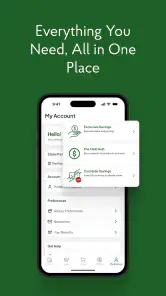
When I use a grocery app, I want it to do more than place a store logo on my phone. The useful test is whether it helps me make a better shopping decision before I leave home, and whether the reward side feels connected to the trip rather than added as decoration. That is where The Fresh Market makes the most sense: it brings discovery, rewards, and shopping into one Food & Drink app from The Fresh Market.
The app is free and aimed at Everyone, so it is easy to approach as a regular shopping companion rather than a specialist tool. It has been available since January 17, 2020, and its current version is 16.0.8. With more than 100,000 installs and a 3.9 average from about 1,200 ratings, it has found a practical audience, although the score also suggests that the experience will not feel equally smooth for every shopper.
Why the rewards-and-shopping connection matters
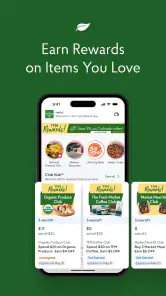
The most important capability here is the way the app combines shopping discovery with rewards. In a normal grocery routine, those jobs are often split between a store website, a paper flyer, a loyalty card, and a separate list in a notes app. The Fresh Market tries to make the store relationship more continuous: I can look for ideas, keep the shopping trip in mind, and use the same app as part of the rewards process.
That sounds simple, but the effect is more useful than it first appears. A discovery feature can influence what I buy, while rewards can influence when I buy it. Used together, they turn the app from a passive catalog into a planning aid. I am not opening it only after reaching the checkout; I can use it earlier, when deciding whether a store visit is worthwhile and what I should pay attention to once I arrive.
I would not describe this as a replacement for every grocery tool. Its value depends on shopping at The Fresh Market often enough for the rewards and store-focused information to matter. If I usually compare several supermarkets, buy mostly through a delivery marketplace, or prefer a universal list app, the dedicated store connection may feel less important. The app is strongest when the store is already part of my routine.
Discovery is more useful when it leads to a decision
Many shopping apps present information without helping me act on it. The Fresh Market has a clearer purpose because discovery is tied to an actual visit. I can browse with a question in mind: What should I pick up for the weekend? Is there a reason to stop at the store today? Which part of my usual trip deserves attention?
That makes the app particularly suitable for shoppers who enjoy changing their meals or looking for seasonal inspiration. It can also help when I am tired of buying the same items repeatedly. Instead of opening a general recipe platform and then translating the result into a store trip, I can begin with the retailer I already intend to use.
More From Our News Desk

Clash of Clans Is Won Between the Battles

Android Auto Makes the Case for Quieter Car Software

MobiOffice: Transforming Mobile Productivity with Seamless Integration

EA SPORTS FC™ Mobile Soccer: Redefining Mobile Sports Gaming

How Microsoft OneDrive Became a Mobile Productivity Giant

How Google Translate Breaks Language Barriers Effortlessly
There is a trade-off, though. Store-centered discovery is naturally narrower than a large recipe service or a broad grocery comparison app. I would choose The Fresh Market for focused browsing around this retailer, not for an all-purpose meal-planning system. That distinction matters because the app’s usefulness grows with commitment to the store, while a general tool remains useful regardless of where I shop.
How I would use it before and during a shopping trip
My preferred workflow starts before I put on my shoes. I open the app when I am deciding whether the next trip should be a quick restock or a more deliberate shop. I look through the discovery side first, then turn that browsing into a short mental plan. The important habit is not to treat every interesting item as something I must buy. I use the app to narrow my attention, not to create an oversized basket.
Next, I check the rewards area as part of the same preparation. This is where the app can save effort compared with relying on memory. Instead of trying to remember a loyalty offer from a previous visit, I can make rewards part of the pre-shopping routine. I find that this works best when I check before leaving rather than while standing in an aisle, because a calm review makes it easier to decide what is genuinely relevant.
At the store, the app becomes a reference point rather than a full-time companion. I do not want to stare at my phone through the entire shop. I use it briefly to confirm what caught my attention earlier and to keep the rewards purpose in view. That short, intentional use is better than repeatedly reopening it without a plan.
A practical example would be a Friday evening shop. I have a loose idea of what I need, but I also want something different for a weekend meal. I browse discovery at home, note the direction I want to explore, and check the rewards section before going out. At the store, I am less likely to wander aimlessly because I have already chosen a starting point. The app has not done the whole planning job for me, but it has reduced the number of decisions I need to make in the aisles.
A small routine that makes the app more effective
I recommend separating discovery from checkout behavior. First, use the app when you have time to browse. Second, decide which ideas are realistic for this trip. Third, review rewards immediately before shopping. This three-step rhythm prevents a common problem with loyalty apps: opening them only at the last moment and discovering that the information is harder to use when you are already distracted.
Another useful approach is to treat rewards as a prompt for evaluation rather than a command to spend. A reward is only helpful if it matches something I would reasonably buy. If I chase every offer simply because it appears in the app, the convenience disappears and the shop becomes less controlled. The best result comes from using the reward layer to support an existing plan.
I also prefer keeping the app’s role clearly defined. It can support store discovery and loyalty behavior, but I would still use a separate note, list, or memory system for household quantities if I need detailed inventory management. That is not a criticism of the app so much as a realistic boundary: a store app and a dedicated grocery organizer solve different problems.
The everyday situation where it earns a place
The Fresh Market is most convincing for a regular customer who visits the same retailer and wants a little more structure around those visits. Imagine someone who shops once or twice during a busy week, enjoys finding new food, and does not want to manage a complicated rewards system. For that person, the app can act as a lightweight bridge between inspiration and action.
It is also helpful for a shopper who tends to remember rewards too late. The pre-trip check gives the loyalty side a natural place in the routine. Rather than depending on a physical card or a vague memory of what was available, the shopper has a dedicated point of reference. The benefit is not dramatic every time, but it can make repeated visits feel more deliberate.
Families may find the discovery function useful when one person chooses meals and another does the shopping. The person planning at home can use the app to decide what kind of trip is needed, then communicate a smaller and clearer plan. I would still write down exact quantities separately if the shop is large, but the app can reduce the uncertainty around what to look for.
For an occasional visitor, the calculation is different. If I only enter The Fresh Market when I happen to be nearby, rewards may not justify building a habit around a dedicated app. A broad grocery app, a retailer website, or a simple phone note could be more convenient in that case. The Fresh Market has a stronger case when repeated visits make the discovery and rewards cycle feel familiar.
Where the experience can create friction
The first limitation is focus. This is not a neutral shopping assistant that treats every supermarket equally. Its purpose is tied to The Fresh Market, which is exactly why it can feel relevant to loyal customers and less useful to everyone else. I would skip it if my main goal were to compare prices across several retailers or combine products from different stores in one master plan.
The second limitation is that combining several functions can make an app feel busier than a single-purpose tool. Discovery, rewards, and shopping information each compete for attention. I prefer to enter with a specific task, because browsing without a goal can become distracting. The app works better as a guided stop in my routine than as something I leave open throughout the day.
The average rating of 3.9, based on roughly 1,200 ratings, is a useful signal to keep expectations realistic. It indicates that many people find value in the app, but it is not a guarantee of a flawless experience. Store apps can feel especially sensitive to account state, location, timing, and the exact shopping task, so I would judge it by whether it simplifies my own visits rather than assuming every feature will fit every user.
There is also a behavioral trade-off. Rewards can encourage better planning, but they can just as easily encourage unnecessary purchases if I let the offer lead the trip. I get the most from the app when I decide what I need first and use the rewards layer as a secondary check. That order protects the grocery budget and keeps discovery enjoyable instead of turning it into pressure.
Finally, I would not expect the app to replace every function found in a specialist meal planner, a universal loyalty wallet, or a detailed inventory manager. Those alternatives may be better for recipe depth, cross-store comparison, or household stock control. The Fresh Market’s advantage is concentration: it keeps the experience centered on one retailer and makes that relationship easier to revisit.
Who benefits most from installing it
The clearest audience is a frequent The Fresh Market shopper who wants a simple way to connect browsing with loyalty. That person gains from having discovery and rewards in the same place, especially when a normal trip can become repetitive or unplanned. The app is also a reasonable fit for someone who likes trying new food but wants the ideas anchored to a store they already use.
It can suit a busy shopper who has only a few minutes to prepare before leaving home. A quick look at discovery followed by a rewards check can provide direction without requiring a long planning session. In my experience, that is the strongest everyday argument for it: not that it transforms grocery shopping, but that it removes a little uncertainty at the moment when a trip is being formed.
I would be more cautious if I rarely shop at this retailer, need a single list covering several supermarkets, or want advanced meal planning. In those cases, the dedicated focus may feel restrictive. A general grocery organizer or a broader loyalty solution would probably serve better, even if it lacks the store-specific connection that makes this app appealing to regular customers.
The app is free, and its Everyone age rating makes it approachable for a household where more than one person may participate in planning. It supports Android devices running version 7.0 or later, which gives it a broad technical reach for Android users. That does not automatically make it the right choice, but it lowers the barrier to trying it if The Fresh Market is already part of your shopping life.
After using it as a focused shopping companion, my view is positive but measured. I like the central idea: discover something relevant, check the rewards side, and let both influence a real store visit. The Fresh Market does not need to become a complete grocery operating system to be useful. Its real strength is turning a retailer visit into a more intentional routine.
I would recommend installing it if you regularly shop at The Fresh Market and want store-specific discovery and rewards without juggling several places. I would skip it if your shopping is mostly cross-store comparison or detailed inventory management. For the right user, the app is a practical free addition; for everyone else, its narrow focus may be more noticeable than its convenience.
The Fresh Market Frequently Asked Questions
Which devices can run The Fresh Market app?
The Fresh Market is a Food & Drink app for mobile devices, with a minimum operating-system requirement of version 7.0. Before downloading, check that your phone or tablet meets this requirement and has enough available storage. Keeping your device’s operating system and the app updated can also help you access the current version and use its features smoothly.
Who publishes The Fresh Market app, and what can I expect from it?
The app is published by The Fresh Market, and its store summary is “Discover • Earn Rewards • Shop.” It is intended for shoppers who want to explore what The Fresh Market offers and use the app as part of their shopping routine. Its current version is 16.0.8, and it is rated for Everyone, making it suitable for a broad audience.
What is The Fresh Market app used for?
The Fresh Market app is designed to make shopping at The Fresh Market more convenient. Depending on your location and the available version, it may help you browse products, discover weekly promotions, view recipes, create shopping lists, find nearby stores, and access digital offers. It is especially useful for planning a grocery trip before visiting a store, although available features can vary by region and app updates.
Can I use The Fresh Market app to find weekly deals and coupons?
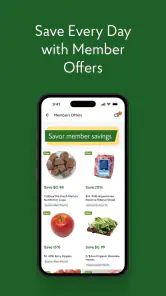
Yes, one of the most useful reasons to install The Fresh Market app is to check current promotions, weekly savings, and available digital offers. After signing in or creating an account, some discounts may be connected to your customer profile or loyalty information. Offers can have expiration dates, product restrictions, or store limitations, so it is important to read the conditions before relying on a coupon at checkout.
Does The Fresh Market app support online grocery ordering or delivery?
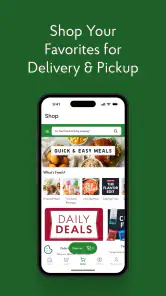
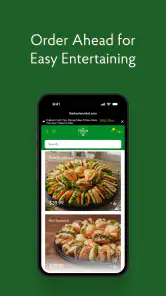
The availability of online ordering, pickup, or delivery depends on your location and the services currently supported by The Fresh Market. In some areas, the app may connect shoppers with digital grocery services or provide ordering options, while other locations may only offer store information, promotions, recipes, and shopping tools. Enter your ZIP code or select a nearby store to see which services are available.
Pros
- Fresh produce and quality ingredients are easy to find.
- Prepared meals offer a convenient option for busy shoppers.
- Stores often provide a pleasant
- well-organized shopping environment.
- Specialty foods add variety beyond standard supermarket selections.
- Seasonal products can make meal planning more interesting.
Cons
- Prices may be higher than at conventional grocery stores.
- Store availability is limited in some regions.
- Some popular prepared foods may sell out quickly.
- The app may offer limited usefulness without a nearby store.
- Specialty items can have inconsistent stock between locations.
- Category
- Food & Drink
- Version
- 16.0.8