Tao Group Hospitality Rewards
- 94.00
- 4.6
- Installs
- 100.00K
- Price
- Free

Screenshots
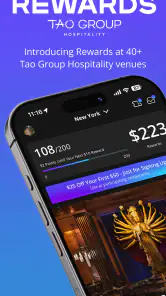

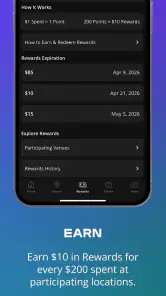
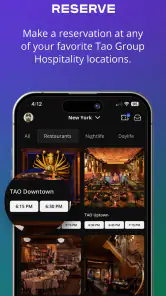
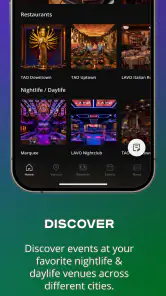
Analysis by Reviewed
I approached Tao Group Hospitality Rewards as the sort of app that can look useful immediately, especially if I already visit venues connected with Tao Group Hospitality. Its promise is simple: make dining and nightlife visits more rewarding instead of treating each one as a separate transaction. After living with it beyond the initial setup, my opinion is that its value depends less on how exciting the app feels on day one and more on whether Tao Group venues are already part of your routine.
This is a free Food & Drink app from Tao Group Hospitality, aimed at an Everyone audience. It has passed the early novelty test for me because the idea is easy to understand: use one place to engage with the group’s rewards program, then return when I am planning another meal, drink, or night out. The store summary, “Eat. Drink. Earn. Repeat.” captures the basic cycle, but the practical question is whether that cycle fits naturally into my habits.
How Tao Group Hospitality Rewards holds up after the first visit
The first-week appeal is strongest for regular Tao Group guests
The first thing I like is the focused purpose. This is not trying to be a general restaurant directory, a recipe app, a delivery marketplace, and a loyalty program all at once. Its identity is Tao Group Rewards, so I can approach it with a specific reason for opening it: I want to make my visits to participating Tao Group Hospitality venues more worthwhile.
That narrow focus can be a real advantage. When I use a broad dining app, rewards are often mixed with reservations, reviews, menus, delivery offers, and unrelated recommendations. A dedicated rewards experience feels easier to understand. I do not need to browse a large catalog of food content to remember why I installed it. The app’s role is connected to the relationship between me and the hospitality group.
The first week is also when the psychological benefit is most noticeable. A normal restaurant visit ends when the bill is paid. A rewards app gives that visit a second layer: I can think about progress, future benefits, or the next reason to return. Even when the reward is not the main reason I choose a venue, seeing the visit as part of an ongoing relationship makes the experience feel less disposable.
That does not mean I would install it without a connection to Tao Group venues. If I rarely visit them, the app has little to do between occasions. It is not a general-purpose tool for discovering every restaurant in a city, and it should not replace a booking service, map app, or dining guide when those are what I actually need.
What I would do before relying on it during a night out
My practical advice is to set up and inspect the rewards experience before arriving at a busy venue. Nightlife is a poor time to learn a new loyalty workflow. I prefer to open the app while I have a few quiet minutes, understand where the rewards information lives, and make sure I know what action is expected from me during or after a visit.
More From Our News Desk

Clash of Clans Is Won Between the Battles

Android Auto Makes the Case for Quieter Car Software

MobiOffice: Transforming Mobile Productivity with Seamless Integration

EA SPORTS FC™ Mobile Soccer: Redefining Mobile Sports Gaming

How Microsoft OneDrive Became a Mobile Productivity Giant

How Google Translate Breaks Language Barriers Effortlessly
This is one of the less obvious trade-offs with a hospitality rewards app: convenience depends on preparation. The app may be free, but my attention is still a resource. If I wait until I am seated, ordering, or moving through a crowded entrance, even a straightforward process can feel like an interruption. A short setup session at home makes the app feel much lighter later.
I would also treat the app as a companion to the visit rather than the reason for choosing the venue. Loyalty tools work best when they reinforce a decision I already want to make. They work less well when they push me toward spending money or visiting somewhere solely because I do not want to lose momentum. That distinction matters if I am trying to keep nights out within a budget.
The everyday scenario where it makes the most sense
Imagine I meet friends for dinner at a Tao Group venue, then return a few weeks later for drinks or another meal. In that situation, the app has a natural place in my routine. I can check it before the next outing, remember that I am part of the rewards program, and keep the visit connected to previous activity rather than starting from zero each time.
The same pattern can apply to someone who travels to a city regularly for work or visits the same entertainment area several times a year. The app becomes a small piece of trip planning: not the only tool I use, but a reminder to check whether my next Tao Group visit should be linked to my rewards account.
For a one-time tourist who chooses a venue once and never returns, the benefit is weaker. The first-week appeal is still understandable, but lasting value requires repeat behavior. That is the central test I kept coming back to while reviewing it.
How it compares with ordinary alternatives
Compared with carrying a physical loyalty card, a dedicated app is easier to keep available because it lives on the phone I already bring to dinner. Compared with relying on email receipts or manually remembering visits, it gives the rewards relationship a clearer home. Those are meaningful improvements, particularly for people who dislike collecting cards or searching old messages.
On the other hand, a general payment wallet or a venue’s own booking channel may be more useful for someone whose main need is speed at checkout or reservation management. A broad dining app can also be better for comparing restaurants across different groups. Tao Group Hospitality Rewards is more specialized: its strength is continuity within the Tao Group ecosystem, not breadth across the entire Food & Drink category.
What remains useful from month to month
Recurring value depends on the shape of my social life
After the first month, the novelty of having a new rewards app on my phone naturally fades. That is not a flaw unique to this product; loyalty apps have to earn their place repeatedly. For me, the deciding factor is whether I continue visiting relevant Tao Group venues often enough for the app to remain part of my planning.
If my dining and nightlife habits are stable, the application has a reasonable chance of becoming a quiet utility. I may not open it every day, but I can remember to check it before a planned visit. That kind of occasional usefulness is perfectly acceptable. Not every good app needs daily engagement, especially one tied to real-world occasions.
The important distinction is between useful infrequency and dead weight. An app that I open before each relevant outing can justify its space even if weeks pass between sessions. An app that I install for a single visit and never remember afterward is not delivering recurring value, regardless of how attractive the initial rewards idea seems.
A sensible routine for keeping the benefit visible
I would build the app into an existing habit rather than create a separate reminder system around it. For example, before confirming a dinner plan at a Tao Group venue, I would check the rewards account at the same time I check the reservation details, meeting time, or transportation. This keeps the app connected to a decision I am already making.
Another useful habit is reviewing the account after a visit instead of assuming everything is complete. That small check helps me notice whether the visit has been recognized and whether there is a next step I need to remember. The wider lesson is that loyalty programs reward users who pay attention at the right moment, not users who simply install the app and forget it.
I would avoid opening it randomly just to see whether something has changed. That creates unnecessary app fatigue. The better approach is event-based use: open it when I am considering a Tao Group visit, when I am preparing for one, and when I have just finished one. This keeps the relationship practical rather than turning it into another feed to monitor.
Who gets the best long-term return
The strongest audience is someone who already enjoys Tao Group Hospitality venues and expects to return. That includes people whose regular social plans involve dining, drinks, or entertainment at the group’s locations. For them, the rewards app can add a layer of continuity without demanding much daily attention.
It may also suit a person who is organized about memberships and likes keeping benefits in one place. The free price removes the financial risk of trying it, while the Everyone content rating makes it broadly accessible as an app. Still, free does not automatically mean worthwhile for every phone. The app earns its space through actual relevance, not through the absence of a purchase cost.
I would be more cautious if I prefer independent restaurants, change cities frequently, or choose venues based almost entirely on whichever booking app has the widest selection. In those cases, a group-specific rewards program may feel too narrow. The same is true for someone who dislikes loyalty schemes on principle and would rather make dining decisions without tracking any continuing relationship.
Why the app is not a substitute for broader planning tools
I would not use this app as my only source for deciding where to eat or go out. A rewards account can support a visit, but it does not replace the broader comparison work I might need: checking opening details, coordinating with friends, finding transportation, or comparing unrelated venues. Those jobs belong to other tools.
This limitation is actually helpful to understand because it prevents disappointment. Tao Group Hospitality Rewards is best viewed as a narrow layer around Tao Group visits. Expecting it to function like a universal city guide would make it seem incomplete, while judging it as a loyalty companion gives it a fairer test.
Maintenance, friction, and the reasons interest can fade
The maintenance burden is low, but attention still matters
There is no reason for me to keep a rewards app open constantly. Its maintenance burden is mainly behavioral: remembering to use it at the appropriate point in the visit. That is lighter than managing a full budgeting or reservation system, but it is not zero. If I forget the app during several outings, its value becomes invisible even if the program itself remains useful.
I also pay attention to whether the app remains comfortable on my device over time. The current version is 2.100.10 and it supports Android 7.0 or later. That makes the compatibility range practical for many Android users, including people who do not replace their phones frequently. Keeping the app updated is still sensible, particularly for a service tied to account access and real-world transactions.
The developer, Tao Group Hospitality, has a clear reason to maintain the experience: the app represents an ongoing connection with guests rather than a one-off download. From my perspective, that makes reliability more important than visual novelty. I would rather have a calm, dependable rewards workflow than constant redesigns that make me relearn where everything is.
Where the experience can become tiring
The first source of fatigue is repetition. If every visit asks me to think about the app, confirm something, or check progress without giving me a meaningful reason to return, the process can start to feel like homework. Loyalty programs should reduce friction around repeat visits, not make the visit feel like an administrative task.
The second is fragmented attention. Dining and nightlife are social experiences, and I do not want to spend much of them looking at my phone. Any rewards action that requires too much concentration at the table works against the reason I am there. My preferred workflow is quick preparation before the visit and a short check afterward, leaving the middle of the occasion mostly alone.
The third is changing relevance. My favorite venues, neighborhoods, and spending patterns can shift. An app that was valuable during a period of frequent Tao Group visits may become unnecessary later. That is not a failure; it is a reminder to review the apps on my phone honestly. If I have not used the rewards account across several relevant opportunities, I would consider removing it and reinstalling it when my habits change.
How I would avoid letting rewards influence bad spending decisions
The most important personal rule is simple: I would never visit a venue or spend beyond my plan merely to preserve momentum in a rewards program. The benefit should follow a choice I already feel good about. If the app encourages me to add an unnecessary night out, the convenience has turned into pressure.
I would also compare the real value of returning with the alternatives available to me. A reward can be attractive, but it may not outweigh the cost of transportation, food, drinks, or time if I was not planning the outing anyway. This is where a little restraint improves the experience. The app can help me make a repeat visit more rewarding, but it should not make the decision for me.
Privacy and phone-space expectations
Because this is a rewards app connected to hospitality visits, I would read its on-screen account and permission explanations carefully during setup rather than approving everything automatically. I want to understand what information I am entering and which parts of the experience are optional. That is good practice for any loyalty service, especially one I may use around purchases and reservations.
Its relatively focused purpose also makes the storage decision easy for me. If I visit Tao Group venues regularly, the app has a clear job. If I do not, I would rather keep my phone uncluttered and use broader tools only when I actually need them. The app does not need to become a permanent fixture for everyone; it needs to be available for the people whose habits make it relevant.
My long-term verdict on whether it earns a place
A strong specialist rather than an essential dining app
My final judgment is positive but conditional. Tao Group Hospitality Rewards earns lasting space on my phone when Tao Group Hospitality venues are already part of my social calendar. In that situation, the app gives repeat visits a sense of continuity, keeps the rewards relationship accessible, and avoids the clutter of a broader platform that tries to cover every kind of dining need.
Its average rating is 4.6 from around 400 ratings, and it has more than 100K installs, which suggests that the concept has found an audience beyond a handful of early users. I do not treat those figures as a guarantee of a perfect experience, but they do make the app feel established enough to try, particularly because it is free.
The stronger argument is practical rather than numerical: the app fits a repeat-visitor pattern. I can see myself keeping it installed through a period of regular Tao Group outings, checking it around planned visits, and ignoring it between occasions. That is a healthy role for a loyalty app. It does not need to dominate my screen to be useful.
When I would recommend it to a friend
I would recommend it to a friend who already visits Tao Group venues and wants a simple way to participate in Tao Group Rewards. I would explain that the best results come from setting it up before a busy outing, checking it as part of normal visit planning, and resisting the temptation to treat rewards as a reason to overspend.
I would not recommend it as a general dining companion for someone who wants restaurant discovery across many independent businesses. I would also hesitate for a person who visits Tao Group venues only once, dislikes loyalty programs, or does not want another account-based service to remember. In those cases, a general booking, map, or payment tool may offer more everyday value.
The lasting-space test
For me, the lasting-space test is whether I can describe exactly when I will open an app. With this one, the answer is clear: before a Tao Group visit, during the occasional account check, and after an outing when I want to confirm that the rewards relationship is up to date. That clarity is its biggest strength.
The app is not a universal answer to dining plans, and its usefulness naturally rises and falls with my visits. But when the underlying habit is there, it turns repeat dining and nightlife into something more connected without demanding daily attention. If Tao Group venues are already part of your routine, this is a sensible free companion; if they are not, the rewards concept alone probably will not justify keeping it installed.
Tao Group Hospitality Rewards Frequently Asked Questions
What devices and operating systems can run Tao Group Hospitality Rewards?
Tao Group Hospitality Rewards is a Food & Drink app from Tao Group Hospitality. It supports devices running Android 7.0 or later, making it worth checking your phone’s operating-system version before downloading. The app is intended to help members engage with Tao Group experiences and rewards, so you will also want a working internet connection to access account and offer information.
What is Tao Group Hospitality Rewards?
Tao Group Hospitality Rewards is a loyalty program connected with Tao Group Hospitality venues, including restaurants, nightlife locations, and entertainment experiences. After joining, members may receive points, special offers, event-related benefits, or other rewards depending on the current program rules and participating venue. The app or membership area is designed to help users view available benefits and engage with Tao Group experiences.
How do I earn rewards with Tao Group Hospitality Rewards?
Rewards are generally earned through eligible purchases, visits, reservations, or promotional activities at participating Tao Group Hospitality locations. The exact earning process can vary by venue, event, membership level, and promotion. Before making a purchase, it is worth checking the app’s current terms to confirm whether your reservation or transaction qualifies and whether points must be claimed or linked to your account.
Where can I use my Tao Group Hospitality Rewards benefits?
Benefits are normally limited to participating Tao Group Hospitality restaurants, clubs, lounges, and other approved experiences. Availability may depend on the city, venue, date, event, and specific reward conditions. Some offers may exclude holidays, special events, ticketed performances, or peak periods. Always open the reward details before visiting, because the participating locations and redemption restrictions may change.
Do Tao Group Hospitality Rewards expire?
Rewards, points, promotional credits, and membership benefits may have expiration dates or other usage limits. The applicable period can differ between standard rewards and limited-time promotions, so users should not assume that an unused benefit remains available indefinitely. Check the account, reward description, and official terms regularly, particularly before booking a table or attending an event.
Pros
- Rewards can make visits to participating Tao Group venues more worthwhile.
- Useful for tracking loyalty benefits across multiple Tao Group locations.
- Encourages repeat visits through member-focused offers and perks.
- A convenient digital alternative to carrying physical membership details.
- May provide access to exclusive promotions not advertised publicly.
Cons
- Benefits may vary significantly by venue
- city
- and current promotion.
- Rewards can have expiration dates or usage restrictions.
- Not every Tao Group property may participate in the program.
- Some offers may require advance reservations or minimum spending.
- The app may be less useful for users who rarely visit Tao Group venues.
- Category
- Food & Drink
- Version
- 2.100.10