Shudder: Horror & Thrillers
- 6.74K
- 3.2
- Installs
- 1.00M
- Price
- Free

Screenshots
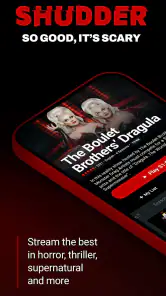
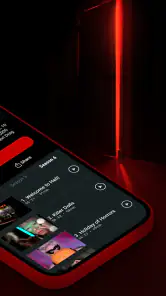
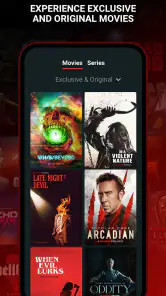
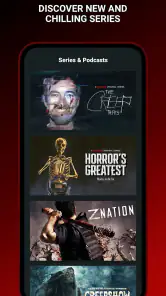
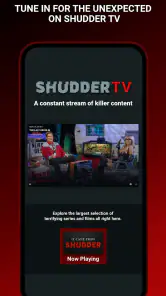
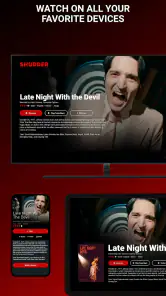
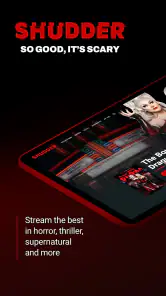

Analysis by Reviewed
Shudder: Horror & Thrillers is the kind of entertainment app I would recommend to someone who wants horror to be the main event rather than an occasional category hidden inside a larger streaming service. Developed by AMC Global Media Inc., it focuses its identity on horror films and related thrillers, and that narrow purpose makes the first few sessions feel pleasantly direct. I can open it with a particular mood in mind—something unsettling, strange, violent, supernatural, or simply different—and spend less time wandering through unrelated genres.
The app is free to install, but it includes purchases ranging from around seven dollars to around one hundred dollars per item. Its audience is rated Teen, and it runs on devices using Android 7.0 or later. Those details matter because this is not an app I would hand to a child, and the viewing experience is clearly aimed at older teenagers and adults who already know what kind of material they want to explore.
After the initial novelty wears off, the important question is whether a horror-focused service deserves a permanent place on a phone. My answer is cautiously positive. It works best as a deliberate destination for horror fans, especially people who are tired of general streaming apps burying unusual films under familiar blockbusters. It is less convincing for someone who watches only a horror movie every few months and expects one subscription to replace every other entertainment service.
What the first week feels like
During the first week, the strongest advantage is focus. General entertainment apps often make me cross between comedy, drama, reality shows, and popular films before I even decide what to watch. Here, the atmosphere is much more consistent. Even when I do not recognize a title, the surrounding selection keeps me within the mood I opened the app to find.
That focus also changes how I browse. Instead of asking whether a film is famous, I start asking whether it sounds like the right kind of unsettling experience for that evening. Horror audiences are unusually varied: one person may want a slow, uncomfortable story, while another wants a fast creature feature. A specialized catalog makes those differences easier to explore than a broad service that treats horror as one small shelf.
I found the app most useful when I approached it with a simple plan. For example, I might decide to watch an international horror film, spend an evening with a thriller, or look for something unusual rather than defaulting to a familiar franchise. This prevents endless scrolling. The app becomes more satisfying when I treat it as a curated hunting ground instead of a vending machine that must instantly provide a perfect choice.
A realistic everyday use case is a quiet Friday night after work. I do not necessarily want to commit to a long series, and I may not want the loudest mainstream release available elsewhere. Shudder gives that evening a clear direction: open the app, browse within a horror-first environment, and choose a film that matches my tolerance for tension. For a couple or a group of friends, that can also make the selection process easier because everyone starts with the same broad expectation.
The first-week appeal is not only about quantity. It is about reducing the mental effort involved in finding something that feels appropriate. When I use a general service, I often judge a horror title against the entire platform. In a horror-focused app, the surrounding context tells me that the unusual, niche, or unsettling choice is part of the point.
Who gets the most from the focused catalog
This app suits viewers who actively seek horror rather than merely accepting it when it appears in a recommendation row. It is particularly appealing if you enjoy moving beyond the most visible studio releases, comparing different styles of suspense, and giving unfamiliar films a fair chance. People who like discussing what worked, what failed, and why a film created a particular feeling will probably get more from the catalog than viewers who want passive background entertainment.
It can also be useful for someone building a regular movie-night habit. A dedicated horror service removes the need to search several unrelated apps before finding a suitable title. That does not guarantee that every selection will be good for you, but it makes the search more purposeful.
I would be more hesitant to recommend it to a household with widely different tastes. If one person wants children’s animation, another wants sports, and a third wants prestige drama, a horror-only service will not solve the household’s broader entertainment needs. It is also not the best fit for someone who wants a single app containing every major new release across all genres. The specialization is the strength, but it is also the boundary.
Why the value changes after the first month
After the first month, the question changes from “What can I watch tonight?” to “Will I keep returning?” That is where a specialized service needs to prove more than a strong first impression. Horror fans can move through familiar-looking recommendations quickly, especially if they already know the major titles in the genre. Lasting value depends on discovering films that would not otherwise reach my watchlist.
My advice is to avoid judging the service by one browsing session. A horror catalog is naturally uneven from one viewer’s perspective. Some titles will feel perfectly timed for my mood, while others may seem too slow, too graphic, too familiar, or simply outside my taste. The useful habit is to treat each visit as a small exploration rather than expecting the entire catalog to appeal equally.
One practical approach is to rotate the type of horror I seek. I might spend one visit on psychological tension, another on supernatural stories, and another on thrillers that rely less on traditional monsters. This makes the app feel less repetitive and helps reveal whether my interest is in horror as a broad category or only in one narrow style. If I always choose the same kind of film, the service may feel exhausted sooner than it really is.
The app’s long-term value also depends on how often I watch. For a viewer who watches horror weekly, a focused catalog can justify regular attention because it becomes a dependable source of themed viewing. For someone who watches once a month, the free installation may make it easy to keep around and revisit when the mood returns, but the paid side deserves more careful consideration. I would not commit simply because the first few selections were enjoyable.
The average rating sits at about 3.2 from roughly seventeen thousand ratings, while the app has collected around six thousand seven hundred written reviews. I see those figures as a reminder to keep expectations realistic. A dedicated horror app can be exactly right for one viewer and frustrating for another, depending on catalog preferences, device experience, and tolerance for the service’s limitations.
How it compares with ordinary streaming choices
Compared with a broad streaming platform, Shudder has a clearer personality. A general service may offer more variety in total, but that variety often creates noise. I spend more time filtering out content I do not want, and horror may be represented mainly by the most recognizable titles. Here, the narrower identity makes browsing feel more intentional.
Compared with free, ad-supported video services, the trade-off is different. Free alternatives can be attractive when cost is the only priority, but their selections may feel less focused and the viewing experience may be shaped more heavily by advertising. Shudder is more appealing when I value a dedicated horror environment over having the widest possible mixture of content.
Compared with buying or renting individual films, the app can be more convenient for exploration. I do not have to decide that every unfamiliar title deserves a separate purchase before trying something new. On the other hand, if I already know exactly which films I want and only watch a few each year, individual rentals or purchases may be more economical and less demanding than maintaining another entertainment service.
The important comparison is therefore not “Which app has the most films?” It is “Which way of watching matches my habits?” Shudder makes sense when discovery inside horror is part of the enjoyment. It makes less sense when I want certainty, mainstream availability, or a full household entertainment package.
The maintenance burden of keeping it useful
Maintaining value in this app is mostly a matter of managing attention. I need to keep track of what I have already tried, remember which kinds of horror still interest me, and avoid allowing the service to become a place I open only to scroll. That may sound minor, but a specialized catalog can lose its appeal when browsing becomes a repeated routine without a clear purpose.
I recommend creating a personal shortlist outside the app or using whatever saving and organization options are available during normal use, rather than trusting myself to remember every title that catches my eye. The benefit is practical: when I have only an hour in the evening, I can choose from a prepared group instead of starting from the beginning each time.
Another useful habit is to decide whether the app is serving discovery or dependable comfort viewing. If I want discovery, I should give unfamiliar titles a chance and accept that not every experiment will succeed. If I want comfort viewing, I should identify the styles and filmmakers that consistently work for me. Mixing those goals without noticing can create disappointment, because discovery naturally includes more misses.
The app is free to install, which lowers the barrier to trying it, but the presence of in-app purchases means I would pay attention before committing money. I would first establish whether I am returning often enough to justify the expense and whether the available viewing choices match my preferences. A free download is not the same as a free long-term entertainment habit, so I would treat the payment decision separately from the installation decision.
Device compatibility is another basic maintenance point. Since Android 7.0 or later is required, I would check an older phone or tablet before planning to use it as a dedicated viewing device. On a current device, that requirement is unlikely to be a major obstacle, but people keeping an older handset for media should verify compatibility first.
Small decisions that improve the experience
I would not open the app without an idea of my evening’s mood. “Something scary” is too broad, while “a tense thriller that does not rely on supernatural elements” gives browsing a useful direction. This simple distinction reduces fatigue and makes the app’s narrow focus feel like an advantage.
I would also avoid judging a film solely by its opening minutes. Horror often depends on atmosphere, pacing, and delayed information, so a title that seems quiet at first may be deliberately building tension. That does not mean every slow film deserves patience, but giving myself a reasonable trial period produces a fairer assessment than abandoning everything that does not start loudly.
For group viewing, I would agree on boundaries before browsing: how graphic the film can be, whether subtitles are acceptable, and whether the group wants fear, suspense, or dark humor. This is a surprisingly effective way to prevent the app’s range from becoming an argument. The service can supply the theme, but the group still needs to define the evening.
Where the novelty starts to fade
The main source of fatigue is the risk of repetition. Even when the catalog contains different films, horror can begin to feel similar if I keep choosing the same premise, tone, or visual style. A service cannot solve that by itself. I have to vary my choices, and I also have to accept that some experiments will not be enjoyable.
Another point of friction is expectation management. The store summary presents the app as a home for horror films from around the world and beyond the grave, but that broad promise should not be interpreted as a guarantee that every subgenre or every personal favorite will be equally represented at the moment I open the app. A themed service still requires patience and browsing.
The Teen content rating is worth taking seriously. Horror can differ greatly in intensity, and a teenager who is comfortable with suspense may still be unprepared for more disturbing material. I would use personal judgment rather than assuming that the age label tells me exactly how frightening or graphic a particular selection will feel.
The app’s overall rating of about 3.2 also suggests that the experience is not universally smooth for users. I would not use that number as a final verdict, because entertainment apps are judged through very personal expectations, but I would take it as a reason to test the app on my own device and with my own viewing habits before making it central to my routine.
There is also the ordinary fatigue of adding another service to a crowded digital life. If I already maintain several streaming subscriptions, Shudder has to earn its place through frequent, distinctive use. Otherwise, it may become an app I keep installed because I like the idea of horror discovery more than I actually practice it.
When I would choose something else
I would choose a broader streaming platform when the evening involves several genres or when other people in the household need more flexible options. I would choose a rental store or individual purchase when I have a precise title in mind and do not want to browse. I would choose a free alternative when keeping costs at zero matters more than having a carefully focused horror destination.
I would also look elsewhere if my priority were the newest mainstream releases, a large collection of non-horror television, or a service that works as the only entertainment subscription in the home. Shudder is not weakened by those facts; they simply define the kind of viewer it serves best.
Does it earn a lasting place?
For me, Shudder earns lasting space when I use it as a specialist tool rather than expecting it to replace every other way I watch movies. Its strongest quality is the confidence of its focus. I know why I am opening it, and that makes discovery more enjoyable than searching through a general catalog where horror competes with everything else.
The long-term verdict depends on frequency. A committed horror fan who watches regularly, enjoys unfamiliar films, and is willing to explore beyond one favorite subgenre has a clear reason to return. A casual viewer may enjoy the first week but lose interest once the obvious choices are gone. In that case, keeping the app installed can still be sensible because it is free to install, but paying for continued access deserves a personal calculation based on actual use.
AMC Global Media Inc. has positioned this as an entertainment app with a very specific audience, and that specificity is more meaningful than a promise to serve everyone. I appreciate that I can approach it with a mood, a theme, or a willingness to take a chance. I also appreciate that its limitations are easy to understand: it is not a universal library, and its value rises or falls with my appetite for horror.
With over one million installs, it has clearly reached a substantial audience, but popularity alone would not persuade me to keep using it. What matters is whether it changes my viewing behavior in a useful way. When it helps me find films I would have skipped on a general service, it feels worthwhile. When I open it out of habit and find myself scrolling without interest, it has stopped earning that attention.
My recommendation is therefore straightforward: try it if horror is one of your main entertainment interests, especially if you enjoy discovery and themed movie nights. Give it a fair test across more than one style of film, then judge the recurring value rather than the excitement of installation day. If you want a broad, all-purpose streaming home, choose a general service instead. If you want a dedicated place for horror and thrillers, Shudder: Horror & Thrillers has a convincing reason to remain on your device—provided your viewing habit is strong enough to keep the focus feeling fresh.
Pros
- Extensive catalog focused on horror
- thrillers
- and cult cinema
- Includes exclusive movies
- original series
- and curated collections
- Regularly adds new titles and seasonal horror content
- Supports offline downloads for watching without an internet connection
- Available on phones
- tablets
- and many compatible streaming devices
Cons
- Content availability varies by country and licensing agreements
- Some older titles have limited video quality or outdated subtitles
- Requires a paid subscription after the trial period ends
- The catalog may feel smaller outside dedicated horror genres
- Offline downloads can expire or become unavailable when licenses change

- Category
- Entertainment
- Version
- Varies with device