Rental Calculator BallparkDeal
- 5.00
- 4.1
- Installs
- 10.00K
- Price
- Free

Screenshots

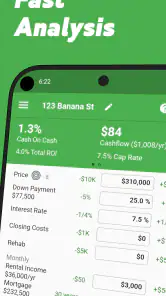
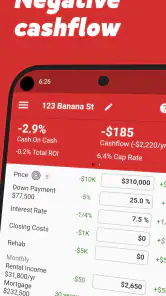

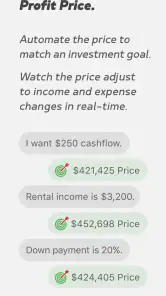
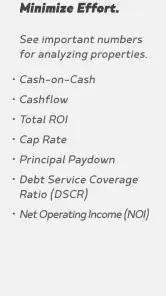
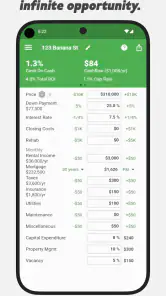
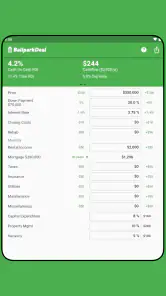
Analysis by Reviewed
I like rental analysis tools that help me make a quick, disciplined decision before I open a spreadsheet. Rental Calculator BallparkDeal is built for that first pass. It is a free finance app from BallparkDeal, LLC, aimed at real estate investors and agents who want to test whether a rental property deserves a closer look. After using it, I see its main value less as a complete investment platform and more as a practical screening calculator: enter the deal assumptions, review the result, adjust the numbers, and decide whether deeper research is worthwhile.
That distinction matters. A calculator can make an early conversation clearer, but it cannot replace checking leases, taxes, insurance, financing terms, repairs, local rules, or the physical condition of a property. I found this app most useful when I treated its output as a starting point rather than a final verdict. Used that way, it can reduce guesswork during property searches and help me compare opportunities using the same basic assumptions.
How I use the calculator for a reliable first pass
My usual workflow starts before I touch the calculator. I collect the asking price, expected rent, recurring expenses, estimated vacancy, financing assumptions, and any immediate repair costs. The reason is simple: a fast calculator is only as useful as the numbers I feed it. If I enter optimistic rent and forget maintenance, the result may look attractive while describing a property that would be difficult to own.
Once I have a rough set of figures, I use the app to establish a baseline. I do not try to perfect every assumption on the first attempt. Instead, I enter a reasonable central estimate, note the result, and then revisit the assumptions that have the greatest effect on the deal. This creates a repeatable habit: every property gets evaluated through the same initial lens instead of being judged by whichever number happens to sound most appealing.
This is particularly handy when I am looking at several listings in a short period. The app gives me a focused place to work through the rental math without building a new spreadsheet for every address. For an agent discussing investment potential with a client, that kind of quick comparison can also make the conversation more concrete. Rather than saying a property “seems promising,” I can explain which assumptions support the idea and which ones need verification.
A realistic example would be a small rental that appears affordable because the monthly rent is strong compared with the asking price. I would first enter the expected rent and ordinary operating costs, then account for financing and likely vacancy. If the result changes dramatically when I add a modest repair reserve, that is useful information even if the app does not tell me whether to buy. The lesson is that the deal depends on a fragile assumption, so I would investigate the roof, plumbing, heating system, and local maintenance history before spending more time on an offer.
I also recommend saving the original assumptions outside the app in a simple note. That is not glamorous, but it helps me remember why a result looked good or bad. If a lender later provides a different interest rate, or a property manager gives a more realistic rent estimate, I can return to the same baseline and change one factor at a time. This is more informative than changing everything at once and losing track of what drove the result.
More From Our News Desk

Clash of Clans Is Won Between the Battles

Android Auto Makes the Case for Quieter Car Software

MobiOffice: Transforming Mobile Productivity with Seamless Integration

EA SPORTS FC™ Mobile Soccer: Redefining Mobile Sports Gaming

How Microsoft OneDrive Became a Mobile Productivity Giant

How Google Translate Breaks Language Barriers Effortlessly
The app’s audience is clear from its design purpose: people who need rental-property analysis rather than household budgeting. I would not choose it for tracking personal spending, splitting bills, planning a vacation budget, or monitoring a bank account. Its usefulness begins when the question becomes, “Does this property deserve a closer investment review?”
Settings and assumptions I would check before trusting a result
The most important “setting” in a rental calculator is often not a switch inside the interface but the assumption behind every field. I pay special attention to whether a cost is monthly or annual, whether a percentage is applied to rent or to another amount, and whether an expense is being counted once or repeatedly. A small misunderstanding in any of those areas can distort the comparison between properties.
I separate fixed expenses from variable ones whenever possible. Property taxes, insurance, association charges, and loan payments usually behave differently from vacancy, repairs, utilities, and management costs. When I review a result, I ask which expenses would remain if the property were empty for a month and which would rise as the property became older or more heavily occupied. This produces a more realistic mental picture than focusing only on gross rent.
Another useful check is the financing assumption. A property can look appealing with one loan structure and ordinary with another. I therefore run the same property through more than one plausible financing scenario instead of treating a single payment as permanent truth. If the deal only works under unusually favorable borrowing terms, I regard it as sensitive and mark it for extra caution.
Taxes and insurance deserve a similar treatment. They are easy to underestimate when I am working from a listing or a quick conversation. I prefer to use figures tied to the actual property whenever I can, then compare them with a conservative estimate. If the app produces a strong result only when those costs are kept unusually low, I would not call the property strong yet.
Vacancy is another assumption that can quietly change the picture. Even a property with dependable demand may experience turnover, delayed repairs, or a gap between tenants. I use a realistic allowance rather than assuming uninterrupted rent. The exact percentage is less important than maintaining the habit consistently across every property I compare.
Because the app is free to install and use, it is easy to experiment without committing money at the start. However, in-app purchases are listed at $19.99 per item, so I would review any purchase prompt carefully before confirming it. I would first decide whether the basic workflow already covers my screening needs and whether an optional item addresses a specific problem I actually have. A purchase makes more sense when it saves repeated work in my own process, not simply because it appears while I am exploring the app.
The app is suitable for Everyone, which makes it approachable for a broad audience, but that should not be confused with professional investment advice. A new investor can use it to learn how assumptions affect a rental, while an experienced investor can use it as a quick filter. Neither should treat the result as a substitute for legal, tax, lending, or property-condition advice.
Faster patterns that improve repeat analysis
After using a calculator like this repeatedly, I find that speed comes from preparation rather than rushing through fields. I keep a short checklist of figures I want for every property: purchase price, realistic rent, recurring operating expenses, financing terms, vacancy allowance, and immediate capital work. With that list beside me, I can move through a new deal more consistently and notice missing information sooner.
One of my favorite habits is the one-variable test. I enter a baseline, then change only rent, only expenses, or only financing. This shows me what actually controls the outcome. If a small rent adjustment changes everything, the property may depend on an uncertain market estimate. If expenses barely affect the result but financing does, I know to spend more time comparing loan terms. The app becomes more useful when I use it to expose sensitivity rather than merely produce a flattering number.
I also use a conservative, expected, and optimistic scenario mentally or in separate calculations. The conservative version includes more vacancy and repairs; the expected version reflects the information I currently trust; the optimistic version shows what might happen if operations go unusually well. I do not use the optimistic result to justify a purchase. Its purpose is to show whether even a favorable outcome would be compelling, while the conservative result tells me how much room the deal has for ordinary problems.
For agents, a repeatable pattern can make property discussions more honest. I would avoid presenting one number as a promise. Instead, I would explain that the result changes with rent, operating costs, and financing, then show which assumptions need confirmation. That approach is more useful to a client than a confident conclusion based on incomplete listing information.
For an investor reviewing a growing list of properties, I would add a simple naming habit outside the app. I might label each note with the property, date of the estimate, and scenario used. The app handles the calculation, while the note preserves context. This prevents a common mistake: comparing a fresh conservative estimate for one property with an old optimistic estimate for another.
Another practical pattern is to use the calculator before arranging a viewing, then again after seeing the property. The first pass tells me whether the listing deserves attention. The second pass includes observations such as worn finishes, unusual layout issues, deferred maintenance, or features that could affect rent. This two-stage workflow keeps me from spending equal time on every listing and helps connect numerical assumptions with the actual building.
The app’s current version is 5.0.15, and it runs on operating systems from version 10 onward. That makes compatibility worth checking before I rely on it during a busy property search, especially if I use an older phone or tablet. Once installed on a compatible device, its focused purpose is an advantage: I can open it for a deal screen without navigating through the broader features of a full property-management suite.
Where a quick calculator reaches its limits
The biggest limitation is the same thing that makes the app approachable: it is designed for a ballpark analysis, not a complete investment model. A rental purchase may involve renovation timing, reserve planning, refinancing, selling costs, depreciation, tax treatment, changing insurance, and local compliance. I would not expect a quick mobile calculation to capture every one of those issues, and I would not make a final purchase decision from it alone.
This is where a spreadsheet or dedicated real estate analysis platform can be better. A spreadsheet gives me complete control over formulas, multiple years, detailed cash-flow timing, and custom scenario tables. A more specialized platform may be preferable when I need portfolio reporting, property-level records, loan schedules, or collaboration with a partner. Those alternatives take more setup, but they are more appropriate once a property moves beyond initial screening.
There is also a risk of false precision. A result may display neatly even when the rent estimate is uncertain or the repair budget is only a guess. I remind myself that a clean number does not mean the underlying information is clean. The app is strongest when I use it to ask better questions: What evidence supports this rent? Which expense is missing? How long could the property remain empty? What happens if the loan terms change?
New investors should be especially careful with expenses that are easy to overlook. Maintenance is not always a predictable monthly bill, and major replacements do not arrive in a convenient pattern. A property can appear profitable during ordinary months while still requiring a substantial reserve for occasional work. I would use the calculator to test the effect of those costs, then verify the property and local market independently.
Experienced investors may find the app too narrow if they want a full acquisition model. Its value for them is speed. It can help reject weak opportunities before they consume time, but it may not replace the tools they already use for underwriting, portfolio management, or reporting. In that situation, I would keep it as a first filter rather than expecting it to become the central system for every investment decision.
The small public footprint also shapes my expectations. The app has an average rating of 4.1 from around thirteen ratings, with five written reviews, and it has passed ten thousand installs. Those figures suggest a modest user base rather than the broad feedback history of a major finance platform. I would therefore judge it by whether its workflow fits my needs, not by assuming that a limited review history proves it will suit every investor.
Who should use it, and who should choose something else?
I would recommend Rental Calculator BallparkDeal to a beginner who wants a straightforward way to practice rental-property assumptions, an agent who needs a quick screening aid, or an investor who wants a lightweight second opinion while browsing listings. It is especially useful for comparing several early-stage opportunities when I do not yet need a detailed, multi-year model.
I would also suggest it to someone who tends to make decisions from gross rent alone. A structured calculator encourages a more complete conversation about costs and financing. Even when the result is only approximate, the process can reveal that a seemingly attractive property depends on assumptions that deserve scrutiny.
I would skip it as a primary tool if I manage a large portfolio, need detailed tax projections, require shared records with partners, or want automated property data. In those cases, a spreadsheet or specialized real estate platform is likely a better foundation. I would also skip relying on it if I am unwilling to verify the figures I enter. No calculator can correct assumptions that are deliberately too optimistic or simply incomplete.
The free price lowers the barrier to trying it, while the optional $19.99-per-item purchases mean I would approach the paid elements selectively. I would not pay merely to make a quick screen feel more official. I would consider an optional purchase only after identifying a repeat task that the item genuinely improves for my workflow.
My verdict after building a repeatable habit
Rental Calculator BallparkDeal succeeds when I use it for what its name suggests: a fast, practical estimate of whether a rental property deserves deeper attention. I like its focused role in the early stage, where speed and consistency matter more than a massive feature set. The strongest way to use it is to establish a baseline, test the assumptions that matter most, and record the context so the result remains understandable later.
My main advice is to avoid treating the first output as an answer. Run a sensible scenario, then challenge it with less favorable rent, higher expenses, vacancy, repairs, or different financing. If the property still looks reasonable after those tests, it has earned more research. If it collapses immediately, the app has already saved time by showing that the opportunity needs better numbers or should be set aside.
Developed by BallparkDeal, LLC, the app occupies a useful middle ground between mental arithmetic and a full investment spreadsheet. It is free, rated for Everyone, and available for compatible devices running operating system 10 or later. I would not call it a complete underwriting system, but I would keep it available for property searches, early agent conversations, and quick comparisons.
In my experience, the real advantage is not any single result. It is the habit the app can encourage: use the same assumptions across deals, change one factor at a time, and investigate the numbers that make the biggest difference. That repeatable discipline is more valuable than a fast answer that has never been challenged. If you understand that boundary, this is a useful finance app for rental-property screening; if you need detailed long-term modeling, move to a more powerful alternative once a deal becomes serious.
Rental Calculator BallparkDeal Frequently Asked Questions
Who develops Rental Calculator BallparkDeal, and what kind of app is it?
Rental Calculator BallparkDeal is a finance app developed by BallparkDeal, LLC. Its purpose is to help real estate investors and agents assess rental-property numbers with a calculator. If you are looking for a tool to organize an initial deal analysis, it may be a useful place to start; it is focused on rental-property calculations rather than being a general budgeting app.
Is Rental Calculator BallparkDeal free to download, and are there in-app purchases?
The app is free to download, and it also offers in-app purchases priced at $19.99 per item. Before purchasing anything, check the purchase details shown in the app so you understand what the item includes and whether it is relevant to your needs. You can begin by considering the free app itself and decide whether any optional purchase makes sense for your analysis.
What is Rental Calculator BallparkDeal used for?
Rental Calculator BallparkDeal is designed to help users estimate the financial side of a rental property deal. It can be useful for reviewing expected rent, operating expenses, financing costs, cash flow, and potential returns in one place. The app is best treated as a planning and comparison tool rather than a substitute for professional financial, tax, or real-estate advice.
Is Rental Calculator BallparkDeal suitable for beginners?
Yes, the calculator can be useful for beginners who want a clearer starting point when evaluating rental properties. You generally enter information such as purchase price, down payment, loan details, rent, vacancy, repairs, taxes, insurance, and other expenses. However, new investors should understand each input before relying on the result, because inaccurate estimates can make an apparently profitable property look better than it really is.
What information do I need before using the calculator?
To get a meaningful estimate, prepare the property’s asking price, expected monthly rent, financing terms, down payment, interest rate, loan duration, property taxes, insurance, maintenance costs, management fees, utilities, and an allowance for vacancy. You may also want to include closing costs, renovation expenses, and reserves. The more realistic and complete your figures are, the more useful the calculation will be.
Pros
- Quickly estimates rental property returns and deal potential.
- Simple interface suitable for beginners and experienced investors.
- Useful for comparing multiple properties during initial screening.
- Helps organize key figures before making an offer.
- Ballpark calculations support faster investment decisions.
Cons
- Results depend heavily on the accuracy of your entered assumptions.
- It may not include every local tax
- fee
- or financing condition.
- Estimated returns should not replace professional financial advice.
- Advanced investors may find the analysis tools too limited.
- Market changes can make older calculations less reliable over time.
- Category
- Finance
- Version
- 5.0.15