ReelRush: Short Drama & Reels
- 0.00
- 0.0
- Installs
- 10.00K
- Price
- Free

Screenshots

Analysis by Reviewed
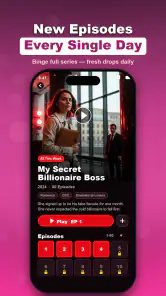
I tried ReelRush: Short Drama & Reels as a lightweight entertainment app for those moments when I want a story quickly rather than a full-length film. Its basic appeal is easy to understand: a large collection of short dramas, free access, and fresh episodes intended for regular viewing. That makes it a natural fit for short breaks, but the real question is whether the format feels convenient enough to become part of a daily routine.
ReelRush is developed by Hami Liti and sits in the entertainment category. It is free to use, rated for Everyone, and supports devices running Android 7.0 or later. The app has reached over 10 thousand installs, which suggests that it is still a relatively small product rather than a deeply established streaming service. I would approach it as an early-stage short-drama option: interesting for casual viewers, but not something I would automatically choose over a mature platform for a carefully planned movie night.
How ReelRush feels in everyday use
The strongest part of the concept is the short-episode structure. I can open an app like this while waiting for a bus, taking a lunch break, or winding down before bed without committing to a long program. A short drama also gives me a clearer stopping point than a traditional streaming episode. If I only have a few minutes, I can watch one installment and leave without feeling that I have abandoned a complicated viewing session.
That convenience changes the way I choose content. With a conventional streaming service, I often spend more time browsing than watching because films and series require a bigger decision. ReelRush is better suited to impulse viewing. I can decide based on the mood I want right now: something romantic, tense, emotional, or simply easy to follow. The short format lowers the cost of trying a story, although it also means I need to accept that plots may move quickly and character development may be more compressed.
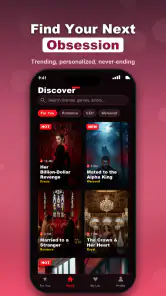
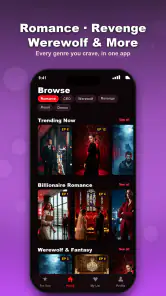
The app’s promise of thousands of short dramas gives it a discovery-first identity. I would not install it expecting the same library depth, presentation, or long-form viewing experience associated with a major subscription service. Instead, I see it as a companion for people who enjoy sampling stories in small pieces. Its main strength is reducing the time between opening the app and starting something watchable.
New episodes every day can also encourage a useful habit. Rather than finishing everything in one sitting, I can return to a story during several small breaks. That works particularly well for serialized drama, where the next episode becomes a simple reason to come back. At the same time, daily additions can make the library feel busy, so I would personally keep track of the titles I am following instead of relying entirely on the home screen to remember them for me.
A practical routine for short breaks
My preferred way to use ReelRush would be to choose one drama during a quiet part of the day and reserve it for short sessions. For example, I might watch an episode during a coffee break, stop before opening another title, and return later when I have the same amount of free time. This avoids turning the app into an endless scrolling tool and makes the daily-episode idea more useful.
There is another small trade-off here. Short dramas are convenient when my attention is limited, but they can be frustrating when I want a complete emotional arc immediately. If a story ends on a cliffhanger, I may need to wait for the next installment or spend longer browsing for another finished option. That is not a flaw unique to ReelRush, but it matters more in an app built around frequent, brief viewing.
I would also use it differently depending on my connection and surroundings. In a quiet room, I can focus on dialogue and follow the plot. In a noisy public place, quick scenes may be easier to watch than a film, but spoken details can still be missed. I would not assume that a short runtime automatically makes every episode suitable for distracted viewing. The format saves time; it does not remove the need for attention.
What the current release tells me
The current version is 1.0.2, while the app is listed as released on July 24, 2026. That combination makes me view ReelRush as a product in an early phase of its life. The version number indicates that the developer has already moved beyond the first release, but I would still expect the experience to evolve as Hami Liti refines navigation, content organization, and the general rhythm of daily use.
I would not read that early version status as a reason to dismiss the app. In fact, it can be appealing to users who want to explore a focused service before it becomes more crowded. My caution is simply that a young short-drama platform may feel less predictable than a long-running streaming app. The quality of discovery, the consistency of the catalog, and the smoothness of returning to an unfinished story are the areas I would pay closest attention to over time.
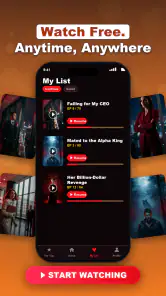
Because the app is free, the barrier to testing it is low. I can install it, watch a few episodes, and decide whether the format suits me without first choosing a subscription. That is especially helpful for people who have never tried short dramas and are unsure whether compressed storytelling will hold their attention. The free model also makes ReelRush more suitable as a secondary entertainment app than as a replacement for every other service I use.
For families, the Everyone rating makes the app easier to consider in a shared-device environment. Still, I would treat an age label as a general guide rather than a substitute for checking what an individual drama contains. Different stories can have different tones, themes, and emotional intensity. A parent choosing content for a younger viewer should still look at the actual title and watch along when appropriate.
How existing viewers may experience the update path
Someone who started using ReelRush around its initial release may see version 1.0.2 as a sign that the app is being maintained rather than left untouched. That matters for a catalog built around frequent viewing: users need confidence that the product will continue to receive attention as the library grows. Even without assuming specific technical changes, I would expect early improvements to have the greatest effect on everyday friction, such as finding a series again or deciding what to watch next.
For a new user, the same version number is less important than the first few minutes with the app. I would judge it by how quickly I understand its content structure, whether the short episodes feel easy to sample, and whether returning to a story feels natural. For an existing user, the more important question is whether the app becomes more dependable with repeated use. A service can have plenty of titles and still feel tiring if browsing is harder than watching.
My advice to current users would be to form a simple personal system. Keep a mental shortlist of dramas that genuinely interest you, avoid opening several series at once, and use the daily release rhythm as a reason to return rather than as pressure to consume everything. This is a non-obvious advantage of short-form television: a small, deliberate queue can feel more manageable than a huge streaming library.
Where ReelRush may still feel limited
The biggest limitation is the same feature that makes the app attractive: short episodes can make stories feel hurried. Viewers who prefer slow character work, detailed world-building, or long scenes may find the format less satisfying. If I want a carefully paced crime series or a film with a substantial visual atmosphere, I would choose a conventional streaming service instead.
Another possible friction point is discovery. A promise of a very large catalog sounds useful, but quantity alone does not tell me how easy it is to find a drama that matches my mood. I would want clear organization and a reliable way to return to ongoing stories. If browsing turns into repeated swiping through similar thumbnails, the app’s time-saving purpose becomes weaker. This is why I would evaluate the library not only by how much it contains, but by how quickly I can make a good choice.
The free approach is appealing, but it may not suit viewers who want a fully controlled, premium-style experience. People who care about a specific franchise, a particular actor, polished long-form production, or a stable collection of familiar favorites will probably be better served elsewhere. ReelRush is more convincing when I treat it as an accessible stream of short stories rather than as a universal replacement for paid entertainment platforms.
I would also be cautious about making it the only app on a device used for long viewing sessions. Short-form services are excellent at filling spare minutes, but they can encourage unplanned browsing. My best experience would come from opening the app with a purpose: continue one drama, sample one new title, or watch during a defined break. That approach preserves the convenience without allowing the endless catalog to dictate my time.
Who should install it, and who should skip it
I would recommend ReelRush to viewers who enjoy serialized drama but rarely have enough uninterrupted time for a full episode. It is also a good experiment for anyone curious about short-form storytelling, especially because the app is free and supports older Android devices from version 7.0 onward. Casual viewers, commuters, and people who like checking in on a story throughout the day are the most natural audience.
I would be less enthusiastic about it for someone who wants prestige television, extensive controls, or a single destination for movies and long series. It is also not my first suggestion for a viewer who dislikes cliffhangers or wants to finish a complete narrative in one sitting. In those cases, a standard streaming service with longer episodes and more established catalog tools would likely feel more satisfying.
For a household with different tastes, the app could work as a quick entertainment option rather than a shared main library. One person might enjoy a few dramatic episodes before dinner, while another still prefers a full movie. The Everyone rating makes it broadly approachable, but the actual choice of drama remains important. I would not hand over the device and assume every title is equally suitable simply because the app carries that general content label.
What I would watch as ReelRush develops
The next stage of the app will be defined less by its basic idea and more by how well it supports repeat viewing. I would watch for improvements that make ongoing dramas easier to resume, help new viewers distinguish one story from another, and keep daily additions from overwhelming the browsing experience. Those are the details that determine whether an app becomes a habit or remains something I open once out of curiosity.
I would also pay attention to consistency. A large short-drama catalog is only valuable if the viewing experience feels dependable across different titles. As ReelRush grows beyond its early release phase, the balance between fresh episodes and easy navigation will matter more than simply adding more choices. A focused service can remain pleasant when it helps me decide quickly; it becomes tiring when every visit starts with the same search.
My current view is positive but measured. ReelRush has a clear purpose, a free entry point, and a format that fits real gaps in the day. Its early version and modest install base make me see it as a developing entertainment app rather than a finished rival to the biggest streaming names. I like the idea of using it for one short drama at a time, especially when I want something more engaging than casual clips but less demanding than a movie.
In the end, I would recommend giving ReelRush: Short Drama & Reels a try if your viewing time comes in small pieces and you enjoy stories that unfold episode by episode. Go in expecting quick, accessible drama rather than a complete premium television replacement. If the app’s browsing and return-to-story experience fit your routine, its daily short-form approach can be genuinely convenient. If you need long episodes, carefully curated prestige content, or a polished all-in-one streaming library, another option will probably be the better match.
Pros
- Short episodes make it easy to watch during quick breaks.
- Vertical video format feels natural on mobile devices.
- Frequent story updates can keep viewers coming back.
- Dramatic plots are simple to follow without much commitment.
- Personalized recommendations help surface similar series quickly.
Cons
- Many episodes may end on cliffhangers to encourage continued viewing.
- Some content may require coins
- subscriptions
- or rewarded ads.
- The fast-paced storytelling can feel predictable or repetitive.
- Video streaming may consume significant mobile data.
- Content availability can vary by region and language.

- Category
- Entertainment
- Version
- 1.0.2