Popkon - Trending Short Dramas
- 107.00
- 4.0
- Installs
- 100.00K
- Price
- Free

Screenshots
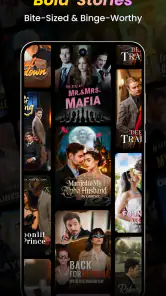

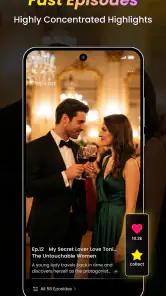
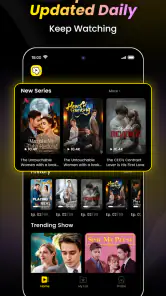

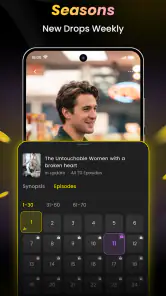
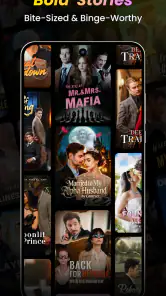

Analysis by Reviewed
I spent time with Popkon - Trending Short Dramas as an entertainment app and came away with a fairly clear impression: it is built for people who want emotional stories in small portions, not for viewers looking for long, carefully paced television episodes. Its store summary, “Bite-size Drama, Big Emotions,” is a concise description of the basic appeal, while the short description simply identifies it as “Popkon.” In practice, that makes the app easiest to understand as a quick-drama destination for spare moments.
That format matters when considering accessibility. Short episodes can be easier to fit around work, commuting, caregiving, or limited attention, but brief content is not automatically easy for everyone to use. Readability, touch accuracy, sensory load, captions or dialogue clarity, and the surrounding interface all affect whether an app feels genuinely welcoming. I found Popkon most appealing when I treated it as a focused entertainment break rather than a complete replacement for conventional streaming services.
How Popkon works for different viewers and situations
Readability and navigation during quick viewing sessions
The first strength of a short-drama app is that it lowers the commitment required to begin watching. I do not have to reserve a full evening or remember a complicated plot across a long sitting. That can help people who find extended menus, lengthy episodes, or large content libraries tiring. Popkon’s identity is direct: open it when I want a compact dramatic story and move on when my break is over.
That simplicity is useful for viewers with limited concentration, people who are new to short-form drama, and anyone who prefers making one small entertainment choice at a time. It also suits a familiar everyday situation: I might have ten minutes before an appointment, watch part of a dramatic story, and stop without feeling that I abandoned a major viewing plan. The short format makes the app more forgiving than a traditional series when my schedule is unpredictable.
At the same time, short drama depends on quick visual and narrative recognition. If titles, episode labels, character information, or controls are presented in a crowded way, a user with low vision or reading difficulties may need more effort before the story even begins. I would judge the experience less by the number of available clips and more by how easily I can identify what I was watching, where to continue, and which item is the next sensible choice.
My practical advice is to use the app in a calm, deliberate setup at first. Explore the interface before starting a story, note how continuation works, and avoid tapping rapidly through menus. That small adjustment can make a difference for users who need larger visual targets, extra time, or a predictable route through the app. It is also a good way to discover whether the presentation feels comfortable on a particular phone rather than assuming every screen size will feel the same.
Popkon is available as a free app, which removes the initial financial barrier for someone who wants to test the format. However, optional purchases range from under a dollar to well over two hundred dollars per item. That wide range makes it important to slow down around any purchase prompt, especially for users who rely on screen magnification, voice control, or assistance from another person. A clear personal rule helps: watch first, understand the cost of the specific option, and only then decide whether it is worth paying for.
More From Our News Desk

Clash of Clans Is Won Between the Battles

Android Auto Makes the Case for Quieter Car Software

MobiOffice: Transforming Mobile Productivity with Seamless Integration

EA SPORTS FC™ Mobile Soccer: Redefining Mobile Sports Gaming

How Microsoft OneDrive Became a Mobile Productivity Giant

How Google Translate Breaks Language Barriers Effortlessly
Motor, visual, and sensory considerations
Short-form viewing can reduce physical strain compared with long sessions, but operating the app may still require repeated taps, swipes, or precise selections. Someone with tremors, reduced dexterity, joint pain, or one-handed phone use may find rapid controls uncomfortable if the interface expects quick reactions. I would not choose Popkon on the assumption that its short episodes automatically make it suitable for every motor ability.
A useful workflow is to place the phone where it can be viewed without constant repositioning, then use slower, intentional touches rather than trying to keep up with a dramatic scene while navigating. If a user depends on system-level switch access, voice commands, or other assistive input, the important question is whether the app’s basic controls respond reliably through that setup. The answer can vary by device and operating system, so testing one free viewing session is more sensible than making a broad assumption.
Visual comfort is equally important. Dramatic video often relies on close-ups, quick changes in expression, text overlays, and strong contrast between scenes. Those choices may help communicate emotion, but they can also be tiring for viewers sensitive to motion, flashing transitions, dense text, or rapidly changing imagery. I would keep the phone at a comfortable brightness, avoid watching in a dark room with the screen turned up aggressively, and pause whenever the presentation starts to feel physically unpleasant.
For viewers with hearing loss, dialogue clarity and any available text support can determine whether the emotional story remains understandable. I would check the playback screen carefully for caption or subtitle controls rather than assuming they are available in every piece of content. If spoken lines are the main way a scene communicates its meaning, watching in a noisy place may reduce the experience considerably. Earphones can improve privacy, but they are not always the best choice for people who need to hear their surroundings or who find in-ear audio uncomfortable.
Users who are sensitive to sound should also think about context before pressing play. A dramatic app may be fine in a quiet room but less comfortable in a crowded bus, shared office, or waiting area if audio levels change unexpectedly or emotional scenes become distracting. I prefer starting with the device volume low and adjusting gradually. That is a simple habit, but it protects hearing comfort and makes the app less disruptive around other people.
Situational access beyond the living room
Popkon’s strongest accessibility argument is situational rather than technical. Its short-drama focus fits fragmented time. A parent waiting outside school, a worker taking a brief break, or a traveler with a few minutes before boarding can engage with a story without committing to a full-length episode. For people whose attention is interrupted often, a compact narrative can feel more manageable than a conventional streaming service that expects uninterrupted viewing.
That benefit has limits. A short episode is not necessarily easy to follow when the viewer is constantly interrupted. If I watch while cooking, crossing a busy area, supervising a child, or doing anything that requires attention away from the screen, I may miss a key expression or line. The app is better for a protected pause than for multitasking. I would never treat it as background entertainment when safety, communication, or another person’s care depends on my attention.
It can also work well for users who dislike large entertainment catalogs. Traditional streaming platforms often place viewers in front of rows of films and series, followed by decisions about seasons, episode lengths, and viewing order. Popkon’s short-drama identity narrows the purpose. That can reduce decision fatigue, especially for someone who wants a quick emotional diversion rather than a research project before watching.
On the other hand, viewers who need highly controlled playback may prefer a more established streaming alternative. A conventional service may offer a more familiar approach to profiles, language options, playback settings, and long-form continuity, depending on the title and plan. Popkon is the better fit when immediacy and compact stories matter more than a broad set of viewing controls.
The app also suits social viewing in small doses, but I would be selective. Showing a short scene to a friend is easier than asking them to sit through a full episode, and the emotional hook can make conversation start quickly. Still, different viewers may need different volume levels, text sizes, or pacing. A shared screen is not automatically inclusive; checking whether everyone can comfortably see and hear the content is part of making the experience work.
What may still create barriers
The most important remaining barrier is that “short” can conceal a demanding presentation style. A story compressed into small installments may move quickly, introduce relationships with little preparation, or expect the viewer to recognize visual cues immediately. That can disadvantage anyone who needs more processing time, has difficulty reading fast text, or watches with the sound reduced. I found the format engaging when I was attentive, but I would not describe it as effortless for every viewer.
Another concern is purchase pressure. The free entry point is helpful, yet the presence of in-app items from $0.99 to $224.99 means families and users managing strict budgets should approach the app carefully. This is particularly relevant when a person shares a device, uses a simplified payment arrangement, or needs another person to help with purchases. I recommend reviewing the device’s purchase protections before handing the phone to a child or anyone who may tap through a prompt without fully understanding the amount.
The Teen content rating is also worth taking seriously. It makes Popkon a poor choice for assuming that every story is suitable for young children, even if the clips look brief or colorful. Parents and caregivers should decide whether the app fits the individual child rather than relying on the short duration as a sign of gentler content. For supervised use, it is sensible to preview material and establish clear rules about viewing and purchases.
There is also a difference between technical compatibility and comfortable access. The current version is 1.3.4 and supports devices running Android 7.0 or later, so an older phone may be able to install it while still offering a less comfortable screen, slower interaction, or weaker audio experience. A compatible operating system does not guarantee that every accessibility setting will behave ideally. I would test the app on the actual phone the person will use, not on a newer device belonging to someone else.
Because Popkon comes from WhiteLightHolography and has built an average rating of 4.0 from around 2.4 thousand ratings, with more than 100 thousand installs, it has enough public use to be more than an untested curiosity. Those figures suggest a real audience, but they do not settle the accessibility question for an individual user. Ratings usually blend opinions about story quality, performance, and entertainment value; they cannot replace a personal check of text clarity, control size, audio comfort, and purchase flow.
Who should choose it, and who should skip it
I would recommend Popkon to someone who enjoys emotionally direct stories, prefers short viewing sessions, and wants entertainment that can fit around an uneven day. It is especially appealing if long episodes feel like a burden or if choosing among huge streaming libraries is exhausting. The free price makes experimenting straightforward, provided the user pays attention to optional purchases and the Teen rating.
I would be more cautious for viewers who need extensive accessibility customization, guaranteed caption support across all content, very slow pacing, or a completely distraction-free interface. A standard streaming platform may be a better option when the priority is dependable long-form playback, carefully managed profiles, or a wider range of viewing controls. Popkon is not a universal replacement; it is a focused alternative built around compact drama.
For a user with motor or sensory needs, I would suggest a short trial with three checks. First, confirm that the main navigation can be completed without rushed taps. Second, watch a scene at a comfortable volume and brightness while checking whether text and dialogue remain understandable. Third, open the purchase area only far enough to understand how options are presented, then leave without buying anything unless the cost and purpose are clear. These checks reveal more than a general rating ever could.
For caregivers, I would add two safeguards: treat the Teen label as meaningful and protect purchases before sharing the device. For someone watching in public, I would use a quiet, low-volume setup and avoid starting a scene when attention may be needed elsewhere. These are small changes, but they turn the app from a casual download into a more considered part of a daily routine.
My inclusive verdict
Popkon succeeds most clearly as a compact entertainment app that respects short pockets of time. I like that its central idea is easy to understand and that a viewer can sample the experience without paying upfront. The format can support people who find long episodes tiring, who have irregular schedules, or who simply want a quick dramatic lift between larger tasks.
Its inclusive value is more conditional than automatic. Short episodes help with time and commitment, but they do not solve fast reading, hearing, vision, motor-control, sensory, or content-suitability concerns on their own. The wide range of optional purchase prices adds another reason to use deliberate settings and supervision. I would describe the app as accessible in concept for many everyday situations, while leaving the final decision to a hands-on test of the actual device and the viewer’s needs.
After using it, my honest recommendation is simple: try Popkon if bite-sized drama sounds more attractive than a traditional streaming session, and begin with a quiet, free viewing test. Keep it if the navigation feels readable, the playback is comfortable, and the story pace works for you. Skip it in favor of a more established alternative if you need extensive controls, slower storytelling, or tightly managed family viewing. For the right person, the best feature is the low commitment of each viewing session; for everyone else, that same compressed style may be the reason it falls short.
Popkon - Trending Short Dramas Frequently Asked Questions
Who develops Popkon, and what is its age rating?
Popkon - Trending Short Dramas is developed by WhiteLightHolography and is rated Teen. That rating is worth checking before installing, especially if the app will be used by a younger viewer. Short dramatic series can include themes that are more suitable for teens than for children, so parents and guardians may want to review the app and its content together.
What should I check before installing Popkon on my device?
Check that your device meets the app’s operating-system requirement and that you are downloading the official version. Popkon is an entertainment app, and its current version is 1.3.4. Keeping the app and your device software up to date can help with compatibility. It is also sensible to review the permissions requested during installation and decide whether they suit your preferences.
What is Popkon - Trending Short Dramas?
Popkon - Trending Short Dramas is a mobile entertainment app focused on short-form dramatic video content. It is designed for viewers who enjoy quick episodes, serialized stories, romance, suspense, and other dramatic themes that can be watched in short sessions. The app’s catalog, episode length, and available shows may vary depending on your region and the current content lineup.
Is Popkon - Trending Short Dramas free to download and use?
The app is free to download, but that does not necessarily mean every episode or feature is free. Some content can require in-app purchases, subscriptions, virtual credits, advertisements, or other access conditions. Before watching a complete series, review the pricing details shown inside the app and check whether recurring billing applies to any selected subscription.
Do I need to create an account to watch dramas on Popkon?
An account may be required for certain functions, such as saving viewing progress, receiving personalized recommendations, synchronizing access across devices, or purchasing premium content. Some versions may allow limited browsing before registration, while full playback can depend on sign-in status. Users should review the requested permissions and privacy information before providing personal details.
Pros
- Short episodes make it easy to watch during quick breaks.
- Frequent updates keep the drama catalog feeling fresh.
- Vertical video format is convenient for one-handed viewing.
- Emotional cliffhangers encourage continued watching.
- Personalized recommendations help surface dramas quickly.
Cons
- Many stories rely on familiar plots and dramatic clichés.
- Some episodes may feel rushed because of their brief runtime.
- The free viewing experience can include frequent advertisements.
- Premium access may be needed to unlock later episodes.
- Video quality and subtitle accuracy can vary between dramas.
- Category
- Entertainment
- Version
- 1.3.4