Paris Baguette
- 905.00
- 4.7
- Installs
- 100.00K
- Price
- Free
Screenshots
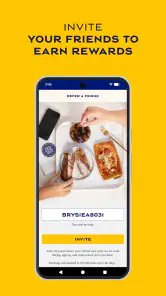
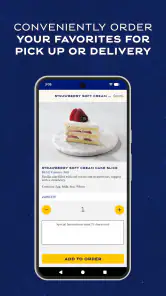
Analysis by Reviewed
I tend to use restaurant apps for one simple reason: I want the visit to be easier than opening a browser, searching for a location, and starting over when I am already hungry. Paris Baguette’s mobile app takes that practical route for customers of the bakery-café brand, bringing its rewards experience and mobile ordering tools into one place. After spending time with it, I see it as a useful companion for regular customers rather than a must-have app for someone who visits only once.
Paris Baguette is a free Food & Drink app from Paris Baguette America. It is rated for Everyone, works on operating systems from version 11 onward, and the current release is 3.5. The app has built a strong audience, with an average rating of 4.7 from around 6.9 thousand ratings and more than 100 thousand installs. Those figures suggest that the experience is generally landing well, although the real value depends heavily on whether there is a convenient Paris Baguette location near you.
How the current app fits into an everyday bakery visit
The first thing I noticed is that this is not trying to be a broad restaurant marketplace. It is designed around one brand, its cafés, its menu, and its rewards relationship with customers. That narrow focus is helpful when I already know where I want to eat. I do not have to sort through unrelated restaurants or compare delivery services before finding the bakery I had in mind.
For a normal morning, the app makes the most sense when I plan ahead. I can use it before leaving home, check the available Paris Baguette experience in my area, and make decisions before standing in line. That is especially useful when I want breakfast on the way to work or need to pick up several pastries for a meeting. Instead of making a rushed choice at the counter, I can think through the order while I have a little more time.
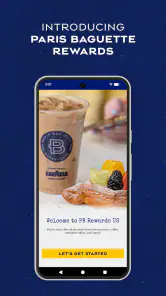
The rewards side gives the app a second purpose. A customer who visits occasionally may be satisfied with simply finding a store, but a regular customer has more reason to keep the app installed. It creates a place to return to after each visit and makes the brand feel less like a series of disconnected transactions. I would not install it purely because every restaurant needs an app; I would install it because I already buy from Paris Baguette often enough for a dedicated rewards account to be worthwhile.
That distinction matters. The app cannot make an inconvenient location convenient, and it does not replace the bakery itself. If I am choosing between several nearby cafés, a general restaurant app may offer a wider comparison. Paris Baguette’s advantage begins once I have decided that this is the bakery I want.
What the newer mobile experience changes
The app presents itself as a newer rewards and mobile experience, and its version history places the current product in an established phase rather than at the beginning of its life. It was released on January 7, 2019, and the current version is 3.5. That combination tells me the product has had time to move beyond a basic first release and develop into a more focused companion for repeat customers.
More From Our News Desk

Clash of Clans Is Won Between the Battles

Android Auto Makes the Case for Quieter Car Software

MobiOffice: Transforming Mobile Productivity with Seamless Integration

EA SPORTS FC™ Mobile Soccer: Redefining Mobile Sports Gaming

How Microsoft OneDrive Became a Mobile Productivity Giant

How Google Translate Breaks Language Barriers Effortlessly
I would be careful, however, about treating a version number as proof that every part of the experience has been redesigned. A newer app experience can still contain familiar patterns: account screens, store selection, menu browsing, rewards information, and checkout steps. What matters in daily use is not the label “new,” but whether those steps feel clear and dependable when I am trying to order quickly.
From my perspective, the meaningful evolution is the way the app brings loyalty and ordering into the same routine. In an older, less connected setup, I might have used one channel to look up a store and another to manage rewards. A unified app gives me a more obvious reason to return. It also makes the brand relationship visible before I reach the counter, which is useful when I am trying to remember whether I have already signed in, selected a location, or completed an order.
There is a trade-off in that tighter integration. When one app handles several tasks, a problem in account access or location selection can affect the entire visit. A website or in-person order may be a better fallback if I am in a hurry and the app is asking me to repeat information. The convenience is real, but it depends on the journey working from start to finish.
A practical workflow for busy mornings
My preferred way to use the app is to prepare the order before I am physically at the bakery. I first decide which location makes sense for the route I am already taking. Then I review the available choices, build the order slowly, and check the final details before submitting it. This sounds simple, but it avoids a common mistake with food apps: selecting items quickly while distracted and only noticing the problem after arriving.
For a family or office pickup, I would use a slightly different workflow. I would make a written list first, group similar items mentally, and then enter the order in one session. That reduces the chance of forgetting a pastry or creating multiple separate orders. It also gives me a chance to check whether the selected location is the one closest to the destination rather than the one that appeared first.
A less obvious benefit is that planning in the app can make the counter interaction shorter even when I do not rely on it for every part of the purchase. I can use it to decide what I want, then adjust in person if the situation calls for it. I would not assume that every item or option is always available, because bakery selections can vary by location and time. The app is best treated as a planning aid, not a guarantee that every display item will be waiting exactly as expected.
I also recommend checking the order summary carefully before confirming. Dedicated restaurant apps often make it easy to move through familiar screens on autopilot. A quick review of the location, quantity, and pickup plan is more valuable than saving a few seconds. If I am ordering for someone with a particular preference, I would confirm the details directly with the store rather than relying on an app screen to answer a question it may not cover.
Rewards are most useful when they become a habit
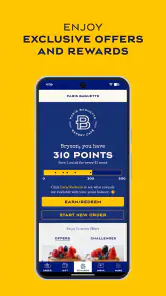
The rewards function is the part most likely to justify keeping this app on my phone. The benefit is not just having another digital card; it is being able to connect visits with an account while I am already handling the order. For a person who buys coffee, bread, or pastries from Paris Baguette regularly, that small reduction in friction can add up in convenience even before considering any reward value.
I would approach rewards with a practical mindset. I would sign in before I am standing in a busy café, make sure the account is ready, and check the relevant reward information before placing an order. That workflow prevents the awkward situation where I complete a purchase and only afterward wonder whether I used the correct account or missed a step.
Another useful habit is to treat the rewards area as a planning tool rather than a reason to buy more than I intended. If I am already visiting, I can use the app to keep the loyalty process organized. If I am tempted to add unnecessary items solely to chase a benefit, the app has stopped serving me and started influencing the purchase. In my view, the best rewards app is one that quietly records normal behavior, not one that pressures me into changing it.
There is also a useful distinction between a reward account and a payment shortcut. I would not assume that having the app means every payment or redemption situation will be automatic. I would read the screen at checkout and follow the instructions shown for that visit. When a reward matters, I prefer to verify its status before ordering instead of treating the app as a silent background system.
Where it compares well with ordinary alternatives
Compared with visiting the bakery without an app, the main improvement is preparation. I can make choices away from the counter and give more attention to the order. That is valuable during a crowded morning, especially when I am buying for more than one person. The app also gives regular customers a dedicated place for rewards instead of asking them to remember a physical card or search through old messages.
Compared with a general delivery or restaurant marketplace, the dedicated app feels more relevant when I want Paris Baguette specifically. A marketplace may be better for comparing different restaurants, delivery options, or broader local availability. Paris Baguette’s app is better when the brand, the bakery selection, and the loyalty relationship are already the deciding factors.
Compared with the mobile browser, a dedicated app can be more comfortable for repeated visits because I do not have to begin from a search result each time. The benefit is less dramatic for a first-time customer. Someone who is only checking a menu or looking for a nearby bakery may prefer not to create another account or install another app. I would choose the app for repeat use, not as a universal replacement for the web.
Compared with ordering entirely in person, the app introduces more control but also more responsibility. I have to select the correct location, understand the order flow, and notice any changes before confirming. In person, I can ask a staff member immediately. That makes the counter the better option when I have a detailed question, need personal guidance, or am dealing with an unusual request.
Who will get the most from it
The strongest audience is a regular Paris Baguette customer who has a nearby location and values a faster, more organized visit. It is also a good fit for people who often buy breakfast on a schedule, parents coordinating several items, and office workers picking up food for a group. In each case, the app earns its place by reducing repeated decisions.
I can also see it helping someone who dislikes making choices under pressure. Browsing before arriving gives that person time to compare the available bakery items and decide without a line behind them. For a planned pickup, the app can turn a spontaneous stop into a predictable part of the morning routine.
On the other hand, I would skip it if I rarely visit Paris Baguette, do not have a participating location along my normal routes, or prefer to ask questions face to face. I would also avoid depending on it for a time-critical purchase until I had used the ordering flow successfully at least once. A new user should learn the app during a relaxed visit, not five minutes before an important meeting.
Small friction points that affect real use
The biggest limitation is the app’s narrow usefulness. It is not a general food discovery tool, and that is intentional. Once I leave the Paris Baguette ecosystem, it offers little help with other cafés or restaurants. People who keep their phones carefully organized may not want a separate app for every chain they visit.
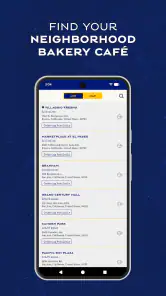
Location selection deserves particular attention. Choosing the wrong bakery can undermine the whole benefit of mobile ordering, especially when several branches are within the same area. I would verify the store name and route before confirming rather than trusting the first convenient result. This is one of those small steps that feels unnecessary until it prevents a wasted trip.
Account friction can also matter more than expected. Rewards are useful only when the account is accessible at the moment of purchase. If I change phones, forget credentials, or encounter a sign-in problem, the experience becomes less convenient than simply ordering at the counter. I would keep the login details available and avoid waiting until checkout to discover that I need to recover access.
The app is also not a substitute for direct communication about special needs. If an ingredient question, allergy concern, customization, or availability issue affects the order, I would contact the location or speak with staff. A polished ordering interface can show choices clearly, but it cannot replace a conversation when the decision has health or personal consequences.
What I would watch as the product continues
Because the app has progressed from its 2019 release to version 3.5, I would judge future updates by how well they remove small interruptions from the repeat-customer journey. The most meaningful improvements would be clearer store selection, dependable account access, and a checkout process that makes rewards status easy to understand before payment or pickup.
I would also watch how consistently the app reflects the in-store experience. Bakery customers care about what is actually available at the selected location, not just what looks attractive in a menu. Better alignment between the app and the café would make planning more trustworthy, particularly for early-morning orders and larger pickups.
Another area worth watching is balance. The app should make loyalty convenient without turning every visit into a sales prompt. I prefer rewards information that is visible when I need it and quiet when I do not. If future changes preserve that balance, the app can remain useful without becoming intrusive.
Current users should not feel compelled to change their routine simply because the app has a newer version. If the existing workflow is reliable, the sensible approach is to update when prompted, review the account and store settings, and test the next order with enough time to correct a mistake. Product evolution is valuable when it improves the visit, not merely when it changes the interface.
My recommendation after using it
I recommend Paris Baguette to people who already enjoy the bakery and expect to return. The free price removes the main barrier to trying it, and the combination of ordering preparation with rewards gives it a clear purpose. Its 4.7 average rating and broad install base support the impression that many customers find it worthwhile, while the individual experience will still depend on local store availability and how often the user visits.
I would not recommend installing it just to browse casually or replace every restaurant app on the phone. For a one-time visit, ordering directly may be quicker. For a regular customer, though, the dedicated experience is more useful: I can plan a pickup, keep the loyalty side organized, and avoid making every bakery visit from scratch.
My final view is that this is a practical brand app rather than an exciting standalone product, and that is a compliment. It does not need to entertain me; it needs to make a familiar purchase smoother. Use it when Paris Baguette is already part of your routine, but keep the counter or direct staff conversation as your fallback for unusual orders and urgent questions. That is where the app feels most dependable: as a quiet helper for repeat visits, not as a replacement for the bakery experience itself.
Paris Baguette Frequently Asked Questions
Do I need to create an account to use the Paris Baguette app?
An account can be useful if you want to manage rewards, access promotions, or keep track of orders through the Paris Baguette app. Some browsing or store-finder features may be available without signing in, while placing an order or using account-linked benefits may require registration. The app is centered on the PB Rewards and mobile app experience, so creating an account may help you get more from its features.
What is the Paris Baguette app used for?
The Paris Baguette app is designed to make ordering from the bakery more convenient. Depending on your location, you can browse available breads, pastries, cakes, sandwiches, beverages, and seasonal items, then place an order for pickup or other supported services. It may also help you find nearby stores, check opening hours, view promotions, and manage rewards or loyalty benefits.
Can I order cakes, pastries, and drinks through the Paris Baguette app?
In supported locations, the app lets you explore and order a selection of Paris Baguette products, including cakes, freshly baked pastries, sandwiches, coffee, and other drinks. Product availability can vary by store, date, and time, especially for limited-edition items or custom cakes. Before downloading, check whether your local branch supports mobile ordering and which products are available.
Does Paris Baguette offer delivery, pickup, or cake pre-ordering?
Paris Baguette commonly supports store pickup, while delivery and advance ordering depend on the country, city, and individual bakery. The app may show available pickup times and allow users to schedule cakes or larger orders ahead of time. However, customization options, minimum order requirements, and delivery fees can differ, so review the details shown for your selected location.
Does the Paris Baguette app include a loyalty program or special offers?
Many versions of the Paris Baguette app include loyalty features, promotional offers, or rewards connected to your account. These benefits may include points, birthday rewards, coupons, or discounts on selected products, although the exact program depends on your market. Registration may be required, and some rewards can have expiration dates, purchase restrictions, or participating-store limitations.
Pros
- Wide variety of pastries
- cakes
- sandwiches
- and drinks
- Attractive presentation makes items suitable for gifts or celebrations
- Convenient locations in many cities for quick visits
- Seasonal products add variety throughout the year
- Café seating is available at many locations
Cons
- Prices can be higher than those at local independent bakeries
- Quality and freshness may vary between individual locations
- Popular items can sell out during busy periods
- Nutritional information may be limited for some products
- Store hours and available menu items differ by location
- Category
- Food & Drink
- Version
- 3.5