Pango Comics: cartoon for kids
- 2.00
- 3.1
- Installs
- 5.00K
- Price
- $5.99

Screenshots

Analysis by Reviewed
I’d approach Pango Comics: cartoon for kids as a shared reading activity first and a screen-time distraction second. The idea is appealing for families who want a young child to explore illustrated stories, but the best way to judge whether it fits is to sit alongside them for the first few minutes. That gives you a chance to see how they respond to the comic format, whether the interactions make sense to them, and whether they want to keep following the story.
What to expect from a comics app for young readers
This is a comics app from Studio Pango - Kids Fun preschool learning games, aimed at children and rated for Everyone. Its focus is story-based rather than a broad library of general reading material. That distinction matters: if your child enjoys looking at pictures, following a character, and discovering what happens next, the format can be a gentle bridge toward spending more time with stories.
I would not treat it as a replacement for a paper book, a parent reading aloud, or a full reading course. A comic can invite a child to look closely and make connections between pictures and events, but it does not automatically teach independent reading. The useful question is whether the experience encourages your child to stay with a story and talk about it afterward. For a first-time user, that is a more realistic measure of success than expecting a sudden leap in reading ability.
The app is a paid download at $5.99, so I’d consider the purchase in terms of how often your child is likely to return to it, not just whether the premise sounds appealing. It has over five thousand installs and an average rating of 3.1 from around forty ratings, which is a modest reception rather than a clear sign that every family will love it. I’d use that as a reason to set expectations carefully: the format may suit a child who likes picture-led stories, while a child who wants fast, game-like rewards may lose interest.
Make the first session calm and purposeful
For a smoother start, I’d choose a moment when your child is not already tired or rushing off to another activity. Sit together, open a comic, and let the child look at the page before explaining anything. A few quiet seconds can show whether they naturally scan the pictures, notice a character, or ask what is happening. That first reaction tells you more about fit than trying to demonstrate every possible interaction at once.
Keep the first visit short enough that the child can finish with a sense of success. Rather than turning the app into a test, invite them to point out something they notice or guess what a character might do next. If they seem unsure where to tap, show one example and then give them a chance to try. This small hand-off is useful: it helps you see whether the controls are understandable without taking over the whole experience.
A practical first goal is simply to follow one story together and have your child retell one moment in their own words. They might describe a picture, remember a character’s action, or make up what could happen afterward. That is a meaningful outcome even if they are not reading the text independently. It also gives you a natural stopping point, which is helpful when you want screen time to feel deliberate rather than endless.
More From Our News Desk

Clash of Clans Is Won Between the Battles

Android Auto Makes the Case for Quieter Car Software

MobiOffice: Transforming Mobile Productivity with Seamless Integration

EA SPORTS FC™ Mobile Soccer: Redefining Mobile Sports Gaming

How Microsoft OneDrive Became a Mobile Productivity Giant

How Google Translate Breaks Language Barriers Effortlessly
What a successful interaction looks like
The interactive element can make a comic feel more inviting than a page that only asks a young child to sit still and listen. Still, I’d treat tapping as a way into the story, not the whole point of it. If a child taps quickly through the pages without noticing what is happening, slow down and ask them to choose one detail to look at. If they are absorbed in the pictures, let them lead and ask an occasional open question instead of narrating every action for them.
One useful routine is to ask the child to predict what might happen before moving on, then compare the guess with the next part of the story. This turns a short reading session into a simple exercise in attention and imagination without making it feel like homework. Another is to pause after a scene and ask which character they noticed most. These prompts work best when they feel like conversation, not a quiz with a right answer.
For a child who is not yet comfortable reading alone, a caregiver can supply the spoken words and let the child handle the looking and interacting. For an early reader, you can take turns: the adult reads one part, the child tries a familiar word or describes the image. That flexibility is a real advantage over content that assumes every user has the same reading level. It also means the app can be useful even when a child’s reading skills are still developing.
Common points of confusion and trade-offs
It is easy to assume that “interactive” means a child will understand every action without help. I would not make that assumption. A young user may tap repeatedly, overlook a detail, or need an adult to show how to move through a story. The first session is a good time to observe rather than promise complete independence. If your child gets frustrated, try guiding one action and then let them decide whether they want to continue.
Another possible mismatch is between a parent’s expectation of an educational tool and a child’s expectation of a game. The stories can encourage attention, discussion, and imaginative thinking, but I would not buy it on the assumption that it provides a structured lesson or tracks reading progress. If your main goal is phonics practice, graded reading, or a clearly sequenced curriculum, a dedicated learning app or library program is likely a better match.
Families may also wonder whether a comic app can replace a bedtime book. I see it as a different option, not a direct substitute. The screen can be handy when a child wants to explore a story independently or when an adult wants to share a quick reading moment, while a printed book may be easier for a quiet, screen-free routine. You can decide based on the situation: use the app for a short, interactive change of pace and keep paper books for the moments when you want a more traditional read-aloud.
Unveiling the Colorful World of Pango
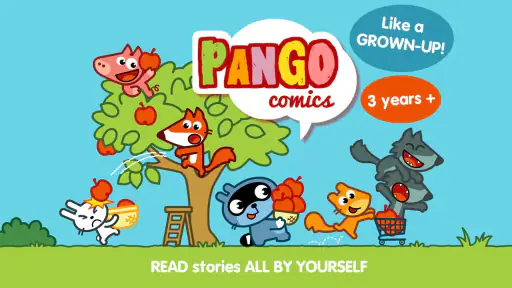
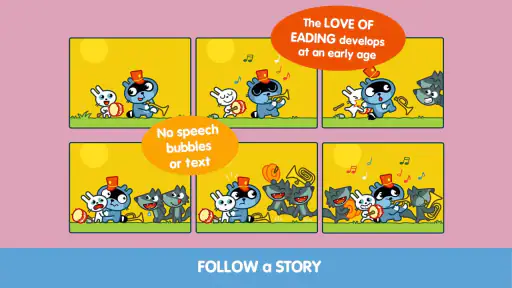
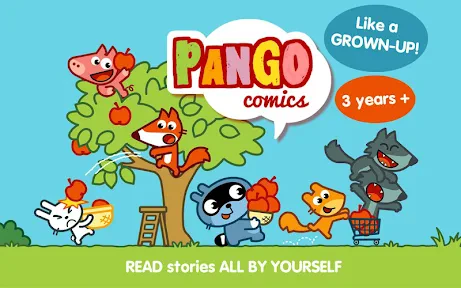
First things first, let’s talk about the concept. Pango Comics: cartoon for kids is a brilliant app that brings the magic of storytelling to life through interactive comics. Designed for children, it offers a playful combination of reading and gaming. The app is packed with vibrant illustrations and simple storylines that not only entertain but also educate.
Interactive Storytelling
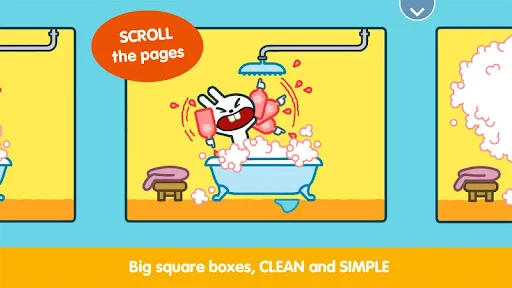
Imagine your little one flipping through pages where they can tap and interact with the characters. That's the beauty of this app! Each comic strip is designed to be interactive, allowing kids to engage with the story in ways traditional books simply can’t. Whether it's helping Pango the raccoon solve a puzzle or guiding him through a fun adventure, the interactivity keeps the young users hooked.
User-Friendly Interface
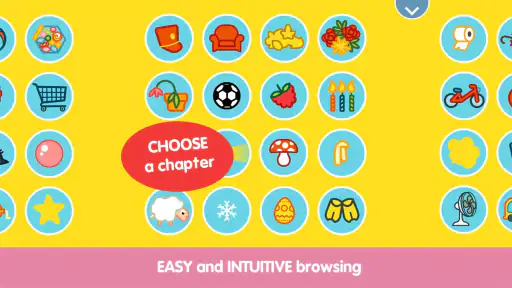
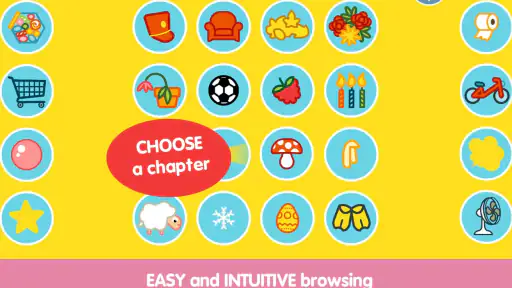
One of the things I really appreciate about this app is its user-friendly interface. Kids can easily navigate through the comics without any hassle. The intuitive design ensures that even the youngest of users can enjoy the app independently, which is a huge plus for busy parents. Plus, the app’s navigation is smooth, with no annoying ads popping up, ensuring an uninterrupted experience.
Educational Value
Now, let’s talk about the educational aspect. The app subtly incorporates educational elements into the stories, such as problem-solving and moral lessons. It’s like sneaking veggies into your kid’s favorite dish—they won’t even realize they’re learning! The stories encourage critical thinking and creativity, making it a valuable tool for early development.
Content Variety
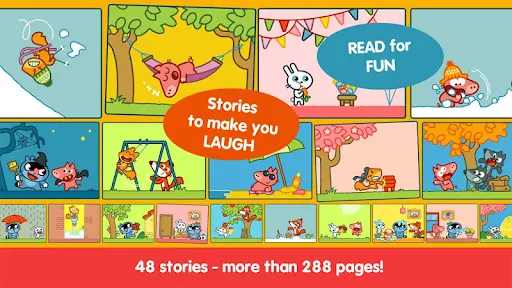
With a wide range of stories, Pango Comics: cartoon for kids ensures that there's always something new to explore. From adventurous quests to everyday tales, the variety keeps the content fresh and exciting. It’s perfect for kids who love to explore and discover new things.
When another reading option may suit better
Compared with a standard e-book reader, this experience puts more emphasis on illustrated comic storytelling and interaction than on presenting plain text for sustained reading. That can be a plus for a child who responds to visual cues, but a child who wants longer passages or a large choice of unrelated books may be happier with a children’s digital library. Likewise, a simple story video asks less of a child, while a paper comic avoids the screen; this app sits between those options by asking the child to engage with a story on the device.
For a realistic everyday use, I can see it fitting into a short wait at home while a caregiver prepares a meal. The adult can open a story, let the child explore a page, and check in with a question about what is happening. That is more manageable than handing over a device with no plan, especially for a child who might otherwise jump between activities. It is less suitable if you need a long, dependable distraction or if your child tends to become upset when a screen session ends; decide on a stopping point before starting.
There is also a useful trade-off in sharing the device. Letting a child explore alone can build confidence, but sitting nearby makes it easier to turn images into conversation and catch confusion early. I would begin together, then step back for a moment once the child understands the basic rhythm. If they can move through a page and stay interested in the story, you have a good reason to try a later session more independently. If they only want to tap randomly, staying alongside them or choosing a different format may be more enjoyable.
Choosing the right moment to continue
The app is most promising for a child who likes cartoons, responds to colorful illustrations, and enjoys being involved in a story rather than only watching one. It may also suit a caregiver looking for a shared activity that does not require elaborate preparation: you can use a page as a prompt for talk, prediction, or make-believe. The Everyone age rating makes it broadly suitable in content terms, but it does not mean every child will find the format or level of interaction engaging. A child’s temperament and reading interests still matter.
I would skip it if you are looking primarily for a free option, a comprehensive book collection, formal literacy instruction, or a substitute for adult attention. Since it costs $5.99, families who are unsure can first think about whether their child already enjoys comic-style stories and whether they will use a paid app more than once. The developer, Studio Pango - Kids Fun preschool learning games, has a preschool-focused name, but I would still judge this particular app by your child’s response rather than assuming the label guarantees a fit.
One question parents often have is whether they need to read along. I’d say the first session is better with an adult nearby, especially for a very young child, but the goal can be gradual independence rather than constant assistance. Another is whether it offers enough challenge for an early reader: that depends on whether the child enjoys following the pictures and story, because this is not the same as a structured reading course. If a child asks for more demanding text, pair the comic with books that match their current reading level.
It is also worth asking how to keep the experience from becoming passive screen time. I’d use a simple pattern: look, interact, talk about one detail, and stop when the story reaches a natural pause. That small routine gives the child a role beyond tapping and makes the session easier to end. If the app does not hold their attention in that way, there is no need to force it; a read-aloud, a drawing activity, or another story format may be a better use of that moment.
A measured recommendation for first-time families
Since the app was released on April 27, 2016, it has been available for years, but the age of an app alone does not tell me whether it will suit a particular child today. The average rating of 3.1 from around forty ratings is another reason I’d keep my recommendation measured rather than treating it as an obvious choice. I’d focus on the child’s interest in the comic format and the value your family places on a short, interactive story experience.
Before making it part of a routine, try one calm session and notice three things: whether the child can follow the page, whether interaction supports rather than interrupts the story, and whether they want to talk about what happened afterward. Those observations help answer the practical questions more clearly than a broad promise of educational benefit. If all three go well, it may earn a place as an occasional shared reading activity; if not, you have a clear reason to choose a book or another kind of children’s app instead.
In conclusion, if you're looking for an app that combines fun, education, and creativity, Pango Comics: cartoon for kids is definitely worth checking out. It’s a wonderful way to introduce your child to the joy of reading and storytelling. So, why not give it a try and watch your little one’s imagination soar?
Pango Comics: cartoon for kids Frequently Asked Questions
How much does Pango Comics cost to download?
Pango Comics is a paid app priced at $5.99. Consider whether that upfront cost suits your family before downloading, particularly if you are comparing it with free reading apps. The app is a comics experience for children, with the reading-focused premise captured in its tagline, “Dive into the MAGIC of reading.”
Who develops Pango Comics?
Pango Comics is developed by Studio Pango - Kids Fun preschool learning games. The studio’s name points to a focus on playful experiences for young children, which fits the app’s child-oriented comics format. If you are choosing an app for a child, you may also want to look at its age suitability and the way its stories support reading time.
What age group is Pango Comics suitable for?
Pango Comics is primarily designed for young children, particularly in the age range of 3 to 7 years old. The content is crafted to be engaging and educational, catering to early childhood development. Parents can rest assured that the cartoon material is appropriate and safe for their kids, offering both entertainment and learning opportunities. Its content rating is Everyone, so families can consider that alongside a child’s reading level and interests.
Does Pango Comics offer educational content?
Yes, Pango Comics integrates educational elements within its entertaining storylines. The app encourages children to develop cognitive skills such as problem-solving, critical thinking, and creativity. Each comic episode is designed to teach children values like friendship, empathy, and teamwork, making learning fun and interactive. Its reading-centered approach can also make story time feel inviting for children who are beginning to explore comics.
Is Pango Comics available offline?
Pango Comics allows for offline access after the comics have been downloaded, making it a convenient option for parents who want to entertain their kids without continuous internet access. This feature ensures that children can enjoy their favorite stories anywhere, whether on a road trip or in places with limited connectivity. Download the comics ahead of time so they are ready when an internet connection is unavailable.
Pros
- Engaging and colorful graphics.
- User-friendly interface for kids.
- Wide variety of stories available.
- Regular updates with new content.
- Supports offline reading.
Cons
- Limited interactive features.
- Requires subscription for full access.
- No parental control settings.
- Content might be too simple for older kids.
- Some stories may be repetitive.

- Category
- Comics
- Version
- Varies with device