NOLA.com
- 651.00
- 3.9
- Installs
- 100.00K
- Price
- Free

Screenshots


Analysis by Reviewed
I installed NOLA.com to see whether it works as a practical way to keep up with New Orleans-area news rather than simply treating it as another headline feed. My overall impression is that it makes the most sense for readers who care about local context, nearby developments, and a publication focused on the region. It is a free News & Magazines app from Georges Media, the developer associated with NOLA and The Advocate, and its purpose is much narrower than a general national news reader.
That narrow focus is also the main reason to consider it. If your daily news routine starts with New Orleans rather than the wider country, a dedicated local app can reduce the effort of finding relevant stories. If you mainly want international coverage, broad political reporting, or a single place for several publications, a general news app may be a better fit. I would decide based less on the app’s download count or store score and more on how often local information affects your day.
How I judged its usefulness as a local news app
For me, the first test was simple: could I open the app and quickly understand what was happening around the New Orleans area? That is a different requirement from asking whether it has the largest range of stories. A local publication app earns its place when it helps readers follow nearby events without making them search through unrelated national headlines.
NOLA.com has been available since February 2011, so it is not a brand-new experiment. Its current version is 4.1.0, and it requires Android 8.0 or later. Those details matter if you are using an older phone or keeping an older device for a family member. On a supported Android phone, the basic decision is straightforward: do you want a regional news destination, or do you want a broader aggregator?
The app is rated Teen, which is worth remembering for households where younger users share a device. That rating does not tell me how every individual story will feel, but it is a useful reminder that news can cover serious events and mature subjects. I would be comfortable recommending it to an adult reader who wants local reporting, while still suggesting that parents make their own judgment for younger users.
The store rating sits at an average of 3.9 from around 2,100 ratings, with more than 600 written reviews. I read that as a mixed but usable signal rather than a reason to dismiss the app. News applications often receive criticism when readers dislike an update, encounter a loading problem, or disagree with coverage, so a score should be considered alongside your own needs. The app has also passed over 100,000 installs, which shows that it has a meaningful audience without suggesting that it will suit everyone.
The daily situations where it makes the most sense
The strongest use case is a quick local check during a busy day. Imagine leaving home and wanting to know whether a developing situation could affect your route, your neighborhood, or plans later that evening. I would open a regional news app before scrolling through a general social feed because the local focus gives the check a clear purpose. It is easier to decide what deserves attention when the subject is already tied to the place where you live or work.
More From Our News Desk

Clash of Clans Is Won Between the Battles

Android Auto Makes the Case for Quieter Car Software

MobiOffice: Transforming Mobile Productivity with Seamless Integration

EA SPORTS FC™ Mobile Soccer: Redefining Mobile Sports Gaming

How Microsoft OneDrive Became a Mobile Productivity Giant

How Google Translate Breaks Language Barriers Effortlessly
It can also be useful for people who have moved away from New Orleans but still follow the area. A dedicated local source keeps the region visible without requiring you to build a complicated collection of searches. Former residents, family members, students, and people with business or community connections may find that focus more valuable than a broad stream filled with stories from everywhere else.
A third use is routine rather than urgent. I would check it at the start of the day for a local overview, then return later only when a story affects my plans. That approach is better than leaving any news app open constantly. It limits the temptation to refresh endlessly while still giving the app a defined role in my day.
What the local focus does better than a general reader
General news aggregators are good at variety. They can place national, international, business, entertainment, and local headlines in one stream. The trade-off is that local coverage may become one small part of a much larger mix. NOLA.com reverses that priority. Its value comes from making New Orleans-area news the starting point instead of an optional section.
That distinction is important when you already know what kind of information you need. If I am trying to understand a local issue, a dedicated publication app feels more direct than searching a broad platform and sorting through results. I am not choosing it because it replaces every other news source; I am choosing it because its regional identity gives the reading experience a clear boundary.
There is also a practical attention benefit. A focused app can make a short visit more intentional. I can look for local developments, read what seems relevant, and leave. A general feed often encourages a longer session because every swipe introduces another subject. For readers who want local awareness without turning news into a constant background activity, that difference is meaningful.
My advice is to use the app as a first stop, not automatically as your only source. For an important story, especially one involving public safety or a fast-changing situation, I would compare the report with official local information and another reputable outlet. That is not a criticism unique to NOLA.com; it is a sensible habit for any single-publication news app.
Small habits that make the app more useful
The first habit I recommend is separating “quick scan” reading from “deep read” reading. On a commute or short break, I would scan headlines and note which subjects deserve time later. When I have more attention, I would return to those stories instead of trying to read everything in one sitting. This prevents a local news app from becoming another source of information overload.
The second is to judge stories by relevance, not only by urgency. A headline about an event far from your neighborhood may still matter if it affects the wider region, while a dramatic headline may have little practical effect on your day. I found that the app works best when I actively ask, “Does this change something I need to know?” That question makes a focused local feed more useful than passively consuming every item.
The third is to keep expectations realistic when switching from a general aggregator. A regional app will naturally feel narrower. That is a benefit when you want local coverage and a limitation when you want variety. I would not install NOLA.com expecting it to replace a national news app, magazine reader, or personalized multi-source dashboard. I would install it to give New Orleans-area reporting a dedicated place in my routine.
Finally, I would check the Android requirement before trying to use it on an older phone. Android 8.0 is the minimum operating system listed for the current app. If your device cannot meet that requirement, the problem is not something a setting inside the app will solve. In that situation, a mobile website or another compatible news option may be more practical.
Where it wins, where another category fits better, and what switching involves
Why I would choose it over a broad news aggregator
I would choose NOLA.com when local relevance is the deciding factor. A broad aggregator may offer more topics, but that abundance can hide the stories I actually care about. Here, the publication’s identity is immediately useful: the app is built around the New Orleans area, and the developer is Georges Media, known for NOLA and The Advocate.
That makes it especially suitable for readers who want a regional news habit rather than an algorithmic one. Instead of teaching a general platform what I might like, I begin with a clear geographic focus. The benefit is simplicity. The cost is that I give up some breadth and may still need another source for news outside the region.
It is also a sensible companion app for someone who already uses a national reader. I would not see those two categories as competitors in every situation. One can provide the local layer while the other covers wider events. If you care about both, keeping the roles separate may be less confusing than expecting one application to do everything equally well.
When a different type of news app may be the better choice
I would lean toward a general aggregator if I wanted one stream combining several regions, publications, and subjects. That category is better for readers whose interests change constantly or who follow national and international developments more closely than local ones. NOLA.com’s regional focus would feel restrictive in that routine.
I would also consider a publication with a different editorial focus if my main interest were a specialized subject such as technology, finance, sports from many leagues, or international affairs. A local news app can mention those subjects when they connect to the area, but it should not be judged as a specialist publication outside its core purpose.
Social platforms may feel faster for breaking chatter, but I would not treat speed alone as a reason to replace a news source. Social feeds can be useful for discovering what people are discussing, yet they also require more effort to separate firsthand information, opinion, repetition, and rumor. I prefer using a publication app for a more deliberate read and social channels only as an additional way to notice emerging topics.
There is another trade-off for readers who dislike in-app purchases. NOLA.com is free to download, but in-app purchases are listed from $19.99 to $149.99 per item. That does not automatically make the app poor value, but it does mean I would pay attention to any purchase prompt and decide carefully whether the offered access is worthwhile for my reading habits. Someone looking for an entirely uncomplicated free experience may prefer an option with fewer paid pathways.
The real cost of changing your news routine
Switching to a dedicated local app is not difficult technically, but it does change how you organize information. If you currently get everything from one broad feed, adding NOLA.com creates one more place to check. I would avoid opening it randomly throughout the day. A scheduled morning or evening visit is enough for most people and keeps the app from competing with every other notification on the phone.
The bigger cost is attention. A local source may introduce stories that are more relevant to your life, which can be helpful, but it can also make news feel closer and more emotionally demanding. I would decide in advance how much time I want to spend reading and stop when I have the context I need. That boundary is particularly useful if local breaking news tends to pull you into repeated refreshing.
There is also a learning period. At first, I would spend a few sessions working out which sections and story types deserve priority. After that, the app becomes easier to use because I know what I am looking for. The best workflow is not to chase every headline; it is to establish a small personal routine around local awareness.
For someone already satisfied with a browser shortcut to NOLA.com, the app needs to offer enough convenience to justify another installation. I would compare how quickly each method opens, how comfortable the reading experience feels, and whether the app makes returning to local coverage easier. If the browser already does exactly what you need, switching may not produce a dramatic improvement. The app is more compelling for readers who prefer a dedicated mobile destination.
My recommendation after weighing the trade-offs
I recommend NOLA.com to Android users who want New Orleans-area news to have a central place in their day. It is free to install, supports a focused local routine, and comes from Georges Media rather than an anonymous feed assembled from unrelated sources. Its long availability and substantial install base also make it a reasonable option to try if regional reporting is important to you.
I would not recommend it as the only news app for someone who wants broad national and international coverage. I would also pause before installing it on an unsupported older device or recommending it to a reader who strongly dislikes apps that include in-app purchase options. In those cases, a compatible browser-based approach or a broader free news reader may fit better.
My preferred setup would be simple: use NOLA.com for the local picture, use another trusted source when a story needs confirmation or wider context, and keep a fixed reading schedule so the app remains useful rather than distracting. That combination respects what this app does well without asking it to become something it was not designed to be.
In the end, I see NOLA.com as a focused decision rather than a universal news solution. Choose it when geography matters more than endless variety. Skip it when your priority is one all-purpose feed covering the entire world. For readers who want a direct way to follow the New Orleans area on Android, the regional focus is the reason to install it, and the limits of that focus are clear enough to plan around.
NOLA.com Frequently Asked Questions
Is NOLA.com available for my phone or tablet?
NOLA.com is a mobile news app for Android and iOS, designed to bring New Orleans-area coverage to a phone or tablet. The Android version requires Android 8.0 or later, so check your device’s operating system before downloading. The app is listed as free to install, though some content or features may involve in-app purchases or subscription access.
What is NOLA.com, and what can I use the app for?
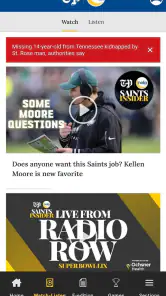
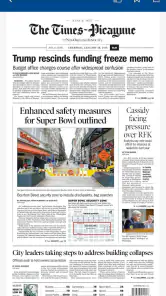
NOLA.com is a news app focused on New Orleans, Louisiana, and the surrounding Gulf South region. It provides access to local reporting, breaking news, weather updates, sports coverage, entertainment, food, culture, and community stories. During testing, the app was most useful for quickly checking regional headlines and browsing articles by topic, although the available content and features may vary depending on your device and app version.
Is the NOLA.com app free to download and use?
The NOLA.com app can generally be downloaded without an upfront charge, allowing users to install it and explore available content. However, some articles or premium features may be limited by a digital subscription or account requirement. Access policies can change, so users should review the current information shown in the app store and inside the application before subscribing. Any subscription terms, renewal details, and pricing should be checked carefully before payment. In-app purchases are listed from $19.99 to $149.99 per item, so check the details shown before making a purchase.
Does NOLA.com require a subscription to read all articles?
Not necessarily. The app may offer a selection of free articles, while other stories can be restricted to subscribers or users who have reached a reading limit. The exact access model may depend on the current subscription plan and regional publishing policies. If you read NOLA.com frequently, a subscription may provide broader access and additional benefits, but occasional readers should first confirm which content is available without payment.
What type of news and local information is available on NOLA.com?
NOLA.com covers a broad range of topics relevant to New Orleans and nearby communities. Users can typically find local and state news, investigations, politics, crime, weather, traffic, sports, Mardi Gras, festivals, restaurants, recipes, arts, entertainment, and cultural coverage. Its strongest advantage is the local focus, making it more useful for residents, visitors, and people who want regular updates about the New Orleans area than for readers seeking only national news.
Pros
- Fast access to breaking news across New Orleans and Louisiana.
- Strong coverage of local politics
- crime
- sports
- and community events.
- Useful weather updates for hurricane and severe-weather awareness.
- Articles include photos
- videos
- and local context.
- Clean mobile layout makes browsing current stories straightforward.
Cons
- Many articles may require a subscription after a limited number of views.
- Advertising can make some screens feel crowded.
- Some content is focused heavily on the New Orleans area.
- Breaking-news notifications may feel frequent for some users.
- App performance and loading times can vary with slower connections.
- Category
- News & Magazines
- Version
- 4.1.0