Moescape - Character AI & Art
- 570.00
- 4.4
- Installs
- 500.00K
- Price
- Free

Screenshots
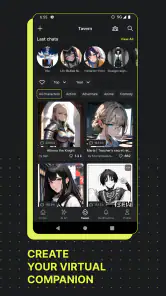
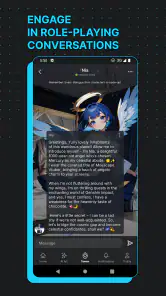
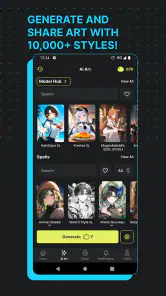
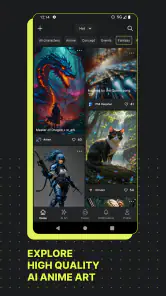
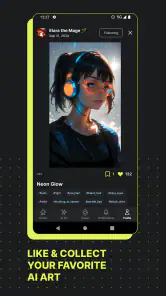
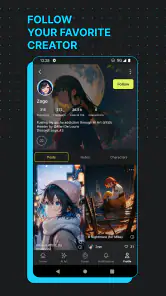
Analysis by Reviewed
I approached Moescape as an entertainment app for people who enjoy anime-inspired characters, conversational roleplay, and AI-assisted visual creation. Its appeal is easy to understand: instead of treating an AI character as a simple question-and-answer tool, it encourages a more imaginative session where the conversation, character identity, and generated media can all belong to the same creative idea. I found that combination more interesting than a standard chatbot, but it also means the quality of the experience depends heavily on how clearly I set up a scene and how patiently I recover when something does not go as planned.
Developed by Moescape, the app is free to install and is aimed at Teen users. It sits in the entertainment category, with a 4.4 average from around 9.5 thousand ratings and more than 500 thousand installs. Those figures suggest that it has already found an audience beyond a small experiment, while the Teen rating is a useful reminder that this is not a tool I would hand to a young child without supervision. The current version is 1.23.0, and it requires Android 10 or later.
Getting past the first points of friction
The first mistake I made was treating the app like a conventional messaging service. I opened a character, typed a broad prompt, and expected the conversation to immediately understand the tone, setting, and relationship I had in mind. The result was less consistent than I wanted. That is not necessarily a failure of the app; roleplay systems need direction. A character can respond more usefully when I establish the situation instead of asking it to invent every important detail at once.
A better starting method is to define three things in plain language: who the character is, where the scene takes place, and what I want to happen next. For example, I might establish a quiet train ride, describe the character as reserved but observant, and ask for an opening exchange rather than requesting an entire story. This gives the conversation a manageable entry point. I also get more control when I introduce one change at a time instead of repeatedly rewriting the whole premise.
Users who come mainly for AI anime roleplay should expect some experimentation. Character behavior can drift if a session becomes long or if my instructions conflict with earlier messages. I found it more effective to restate a key detail briefly when needed than to send a long correction filled with several new rules. Short reminders such as “keep the scene indoors” or “answer in a calm, understated voice” are easier to follow than a paragraph that changes the setting, personality, and plot simultaneously.
The visual side creates a similar learning curve. A vague request can produce something attractive but not especially close to the image in my head. I had better results when I separated the subject from the style and the composition: first describe the character, then the clothing and expression, then the lighting or environment. This is one of the less obvious trade-offs in the app. The more creative freedom I leave open, the more surprising the result may be; the more constraints I add, the more predictable it becomes, but also the more likely the prompt is to feel restrictive.
Another point that can confuse newcomers is the difference between a conversation problem and a generation problem. If a reply feels out of character, improving the scene instructions may help. If an image or video request does not complete properly, repeating the same prompt without changing anything may not solve the underlying issue. I learned to pause, check the connection, and retry with a shorter request rather than immediately assuming the character or prompt was broken.
More From Our News Desk

Clash of Clans Is Won Between the Battles

Android Auto Makes the Case for Quieter Car Software

MobiOffice: Transforming Mobile Productivity with Seamless Integration

EA SPORTS FC™ Mobile Soccer: Redefining Mobile Sports Gaming

How Microsoft OneDrive Became a Mobile Productivity Giant

How Google Translate Breaks Language Barriers Effortlessly
Simple checks before blaming the app
Before using the creative tools seriously, I would make sure the device is running Android 10 or newer and that the app has finished updating to version 1.23.0 when that version is available. A partially completed update or an older installation can create confusing behavior, especially when a feature appears to open but does not finish loading. I also prefer testing on a stable connection, because conversational text and media generation do not always place the same demands on a network.
My next check is storage. I do not assume that every failed image or video request means the service is unavailable. A device that is nearly full can make saving or opening media unreliable, even if the request itself was processed. Clearing a little space, closing other demanding apps, and reopening Moescape is a sensible first step. It is basic advice, but it prevents wasting time rewriting a prompt that was never the real problem.
When the interface behaves strangely, I use a clean sequence: close the app, reopen it, test a short text exchange, and only then try media generation. That order matters because it tells me whether the issue is with the whole app or with a particular creative action. A short text test is also less frustrating than beginning with a complex visual request. If text works but media does not, I focus my troubleshooting on the request, connection, or device resources rather than discarding the entire app.
It is also worth checking the account state before starting a long project. I would not build an elaborate roleplay session around an untested login or assume that a draft will be recoverable after closing the app. My practical habit is to begin with a small conversation, confirm that the intended character responds normally, and then develop the scene. That approach is especially useful for anyone using the app during a commute, between classes, or in another situation where a failed session would be inconvenient.
The free entry point makes this testing process less risky, but in-app purchases range from $4.99 to $359.99 per item. I would treat that range as a reason to learn the basic workflow before spending anything. A paid option can make sense for someone who uses the creative tools frequently, yet it is not a substitute for a clear prompt or a reliable setup. I would also involve the account holder before making purchases on a shared device, particularly because the app carries a Teen content rating.
Recovering a roleplay or creative session
When a roleplay begins to wander, my first recovery technique is to summarize the current state in a few lines. I mention the location, the characters present, the immediate goal, and the tone I want to preserve. Then I ask for the next reply only. This works better for me than demanding a complete reset, because a reset can remove details I actually liked. It is a practical way to steer the session without throwing away its strongest moments.
I also avoid correcting every small inconsistency. If the character uses a slightly different adjective or forgets a minor object, I continue unless that detail affects the story. Constant correction can make the exchange feel more like editing a machine than enjoying a scene. I reserve stronger interventions for important elements, such as a character suddenly changing personality or the setting moving somewhere I did not request.
For longer projects, I keep a compact “scene card” outside the app. Mine would contain the character’s core traits, the current setting, important boundaries for the story, and the next intended beat. This is not a special feature of Moescape; it is a workflow that gives me control when a conversation becomes complicated. If I need to restart, I can paste a concise version of that card and regain direction much faster than trying to reconstruct the entire exchange from memory.
The same idea helps with image and video prompts. I save the wording of prompts that produce a useful character appearance, then change only one variable at a time. For instance, I might keep the character description and composition stable while testing a different mood or background. This makes the results easier to compare and reduces the common frustration of not knowing which change caused an improvement or a disappointing result.
One limitation I noticed is that creative control can feel uneven. The app is enjoyable when I welcome interpretation, but less satisfying when I need exact continuity across multiple outputs. A character’s appearance, pose, or mood may require repeated guidance rather than appearing perfectly consistent from the beginning. For casual entertainment that flexibility is acceptable. For a tightly planned comic, production asset, or professional visual workflow, I would prefer a specialized tool built around repeatable controls.
When the problem is outside Moescape
Not every weak result is an app defect. Sometimes my prompt is simply trying to do too much. Asking for a specific character, a complex action, several relationships, a precise camera angle, and a particular emotional progression in one request gives the system too many priorities. Breaking that request into stages usually produces a more usable experience. I start with the character and setting, then add action or mood after the foundation is established.
Device performance can matter as well. If the phone is warm, overloaded, or switching between unstable networks, media-heavy tasks may feel less dependable than ordinary text. I would close background apps, move to a stronger connection, and try a smaller request before concluding that the service is at fault. These steps are not glamorous, but they are the difference between a quick recovery and an evening spent repeating failed attempts.
Expectations are another source of disappointment. Moescape is best understood as a creative entertainment companion, not as a guaranteed source of factual answers or a replacement for a professional writing, art, or counseling service. I would not use an AI character to make important personal decisions, and I would avoid treating an invented response as expert guidance. The roleplay framing is valuable precisely because it supports imagination; it should not be confused with authority.
Privacy and audience awareness deserve practical attention too. I would avoid placing sensitive personal information into a fictional conversation, even when the exchange feels private and friendly. I would also remember that a Teen rating does not mean every theme will suit every family or every user. Parents and guardians should decide whether the app’s conversational and visual possibilities fit the person using the device.
Compared with a normal chatbot, Moescape feels more focused on character-led entertainment and anime-oriented creativity. Compared with a dedicated image generator, it offers a more conversational route into an idea, but I would not choose it when precise visual production is my only goal. Compared with watching anime or reading a finished story, it is more interactive but also less polished and less predictable. That comparison helped me place the app correctly: it is strongest as a participatory sandbox, not as a replacement for every other entertainment format.
Who will enjoy it most
I think the best audience is someone who likes inventing scenes, chatting with fictional personalities, and turning a conversation into a visual concept. It suits the person who wants a creative break after work, a way to explore a character idea before writing, or an interactive prompt for a short story. It can also be useful for artists who want to test moods, costumes, or settings quickly before deciding which ideas deserve more careful development elsewhere.
A realistic everyday use case would be a short evening session after finishing routine tasks. I might open a character, establish a ten-minute scene, ask for a few exchanges, and then generate an image based on the strongest moment. The value is not that the app completes a finished production for me. The value is that it lowers the effort needed to move from a vague idea to something I can react to, revise, or simply enjoy.
I would be more cautious about recommending it to someone who wants exact continuity, guaranteed outputs, or a purely practical assistant. Users who dislike experimenting with prompts may find the creative freedom tiring rather than entertaining. I would also suggest skipping it if the purchase range feels uncomfortable, if a shared device makes account control complicated, or if the Teen rating does not match the intended audience.
For me, the strongest hidden advantage is the ability to use conversation as a planning tool for visual work. I can discover what a character should look like by talking through the scene first, then turn that discovery into a prompt. The main weakness is the reverse side of that flexibility: the app may need active direction, and I have to accept that not every output will preserve every detail. That balance should guide expectations before installation.
My practical verdict
Moescape - Character AI & Art is a worthwhile free entertainment app for people who want more than a static gallery or a conventional chatbot. I enjoyed it most when I treated each session as collaborative improvisation: give the character a clear starting point, keep corrections focused, and use the visual tools to explore the ideas that emerge. The anime-oriented presentation gives the experience a recognizable identity without requiring me to start with advanced creative skills.
My recommendation comes with a condition: begin slowly. Test a short conversation, check that the device and connection are behaving normally, save useful prompt wording, and only then attempt a larger roleplay or media project. If a session goes off course, summarize the scene instead of endlessly adding instructions. Those habits make the app feel much more manageable and also reveal quickly whether its open-ended style matches the way you like to create.
The free price is a good reason to try it, while the in-app purchase range calls for restraint and adult oversight where appropriate. With around 570 written reviews and a substantial installed audience, it is clearly not an obscure experiment, but popularity does not remove the need to judge the experience personally. I would recommend it to imaginative Teen and adult users who enjoy interactive anime-style storytelling and can tolerate occasional inconsistency. I would choose a more specialized alternative for professional-grade image control, strict continuity, or dependable factual assistance.
In short, I see Moescape as a playful creative companion rather than an all-purpose AI solution. Its best moments come from the combination of character conversation and visual exploration, especially when I bring a clear idea but leave enough room for surprise. If that sounds like the kind of entertainment you want, it is worth trying; if you need precision above all else, the same flexibility that makes it fun may become the reason you move on.
Moescape - Character AI & Art Frequently Asked Questions
What devices and operating systems can run Moescape - Character AI & Art?
Moescape is an entertainment app for Android, and its current version is 1.23.0. It requires Android 10 or later, so check your device’s operating system before downloading. If your phone or tablet meets that requirement, you can explore its AI character conversations and creative tools. Keep the app updated through the store to use the current release.
How much storage or internet access does Moescape need?
Moescape’s AI conversations and creative features are designed to work through an internet-connected service, so you should expect to need a reliable connection while using them. The space required on your device can vary with the app version and any content you create or save. Check the app’s download size and available storage in your store before installing, especially if your device is nearly full.
What is Moescape - Character AI & Art?
Moescape - Character AI & Art is an AI-powered platform focused on interactive character conversations and creative image generation. Users can chat with virtual characters, explore community-created personalities, and create or customize artwork from text prompts. The experience is designed for entertainment, storytelling, roleplay, and experimentation, although the quality and behavior of characters can vary depending on the prompt, model, and available features.
Can I create my own AI characters and artwork in Moescape?
Yes, Moescape generally allows users to build personalized AI characters by defining details such as personality, background, speaking style, and scenario. These settings help shape future conversations, but the character may not always respond consistently. The art tools can also produce images from written descriptions, though results may require several attempts and careful prompt adjustments to achieve the desired style, composition, or level of detail.
Is Moescape - Character AI & Art free to use?
Moescape is free to download, but some features may involve in-app purchases priced from $4.99 to $359.99 per item. It may offer free access to selected conversations, characters, and creative tools, while additional capabilities can depend on credits, subscriptions, or in-app purchases. Before downloading, users should review the current pricing information shown in the Google Play Store or App Store. Costs, usage limits, and premium benefits may change, so it is important to check the purchase screen carefully before confirming any payment.
Pros
- Offers both character conversations and AI image creation in one app.
- Large selection of community-made characters and creative scenarios.
- Character responses can feel personalized through memory and prompts.
- Useful tools for exploring anime
- fantasy
- and roleplay art styles.
- New users can start experimenting without advanced AI knowledge.
Cons
- Response quality may vary significantly between different characters.
- Some features or generations may require credits or a paid subscription.
- AI images can occasionally contain visual errors or unwanted details.
- Community content may include mature or unsuitable themes.
- Long conversations can become repetitive or lose context over time.
- Category
- Entertainment
- Version
- 1.23.0