Lucky Drama - Shorts & Rewards
- 403.00
- 4.8
- Installs
- 100.00K
- Price
- Free

Screenshots



Analysis by Reviewed
I approached Lucky Drama as a quick entertainment app rather than as a full streaming replacement. Its central idea is simple: watch short dramas and receive viewing rewards along the way. That makes it interesting for people who already enjoy compact episodes and want an extra reason to open an app during spare moments. It is free, rated for Everyone, and comes from Digitnesia, so the initial barrier is low for a broad audience.
My main question was not whether the concept sounds attractive, but whether it fits a real daily routine. Short-form drama apps can be convenient when I have only a few minutes, yet they can also feel repetitive if the reward element becomes more important than the stories. I therefore looked at it as a decision: should you add this to your entertainment rotation, replace another short-video habit, or skip it in favor of a more traditional viewing service?
How I would decide whether it fits
The first thing I would consider is how you normally watch content. If you prefer long films, complete television episodes, or carefully selected subscriptions, this app may feel lightweight. If you often watch on a phone while waiting for an appointment, taking a break, or winding down before bed, its short-drama format is much easier to fit into the day.
The reward angle also changes the decision. I would treat rewards as a secondary benefit, not as a guaranteed source of income or the sole reason to install the app. The useful question is whether you would still enjoy the short dramas without constantly calculating what each viewing might return. If the answer is yes, the concept has a better chance of remaining enjoyable.
Its public reception is encouraging: it carries a 4.8 average from around 7,100 ratings, with more than 400 written reviews and over 100,000 installs. Those figures suggest that the idea has attracted a meaningful audience, but they do not remove the need to judge the viewing experience for yourself. A high rating can reflect enthusiasm for the reward model as much as affection for the actual drama catalog.
Compatibility is straightforward for many Android users because the app requires Android 8.0 or later. I would check that before trying to install it on an older phone. The current version is 1.2.2, which is useful context when comparing your experience over time, especially if an update changes navigation or the way viewing rewards are presented.
What I would check during the first session
I would begin by watching a few short dramas without rushing through the interface. I would pay attention to whether the opening moments make it easy to choose something, whether episodes feel complete enough to justify the time, and whether the reward prompts interrupt the story. That first session tells me more than the store summary because it reveals whether the app feels like entertainment with rewards or rewards wrapped around entertainment.
More From Our News Desk

Clash of Clans Is Won Between the Battles

Android Auto Makes the Case for Quieter Car Software

MobiOffice: Transforming Mobile Productivity with Seamless Integration

EA SPORTS FC™ Mobile Soccer: Redefining Mobile Sports Gaming

How Microsoft OneDrive Became a Mobile Productivity Giant

How Google Translate Breaks Language Barriers Effortlessly
I would also look at how naturally the app fits into a short break. A good short-form service should let me start quickly, understand where I left off, and stop without feeling that I have lost the thread. If every pause requires searching again, the convenience advantage becomes smaller. This is an important practical test for commuters, students, and anyone who watches in scattered moments rather than in one long sitting.
Another useful check is emotional variety. Short dramas often depend on quick hooks, cliffhangers, and strong character reactions. That can be fun when I want something immediate, but tiring if every story uses the same rhythm. I would sample more than one title before deciding that the whole app suits my taste.
Where the reward model helps
The strongest reason to choose Lucky Drama is that it gives ordinary viewing an additional purpose. Instead of opening a general video platform and scrolling through unrelated clips, I can focus on short narrative content while keeping an eye on the reward system. For someone who already spends time watching bite-sized dramas, that can make the habit feel more deliberate.
I see a particularly sensible use case during low-attention periods. Imagine waiting for a train with ten minutes available. A full episode on a conventional streaming service may be too long, while an endless social feed can leave you feeling that the time disappeared. A short drama offers a middle ground: enough story to hold attention, but not such a large commitment that stopping feels inconvenient.
The app can also suit viewers who dislike choosing from enormous catalogs. Traditional streaming services often offer far more content than I can realistically browse. A focused short-drama environment may reduce that decision fatigue. The trade-off is that a smaller or more specialized selection may not satisfy every mood, but for quick viewing, fewer choices can be an advantage.
The best way to use the reward feature is to let it follow your viewing habit, not control it. I would choose stories first, keep sessions within the time I already planned to spend, and avoid turning the app into a task that demands repeated checking. That approach protects the entertainment value and makes the rewards feel like an extra rather than a source of pressure.
Practical habits that make the app easier to judge
I would create a simple trial routine instead of making a decision after one dramatic opening scene. On the first day, I would sample different story styles. On the next, I would watch in the exact situation where I expect to use the app, such as during a lunch break or while waiting outside. This reveals whether the format works in real life rather than only when I am deliberately testing it.
I would also separate two questions that are easy to confuse: “Do I enjoy these dramas?” and “Are the rewards worth my time?” The first is a content question; the second is a personal value judgment. If the stories are enjoyable, the app can still be worthwhile even when the rewards are modest. If the stories are not enjoyable, no reward system will necessarily make repeated sessions feel good.
A third useful habit is to stop before boredom arrives. Short-form apps are designed for easy continuation, and a quick episode can become a longer session without much planning. Setting a personal endpoint—such as one break or a specific amount of free time—helps keep the app in the entertainment category instead of allowing it to take over the schedule.
I would be especially careful with the word “rewards.” I would read the in-app explanations closely and understand what actions qualify before assuming that every minute produces the same result. That is not a criticism of this particular app; it is simply sensible whenever entertainment is paired with incentives. Clear expectations prevent disappointment.
Where other choices may fit better
Lucky Drama is not automatically the best option for every viewer. If your priority is a large library of mainstream films and long-running series, a conventional streaming service is likely a better match. Those platforms are built around extended viewing and broader genres, while this app is more focused on short dramas and the reward experience.
If you mainly want spontaneous comedy, news clips, music, or creator videos, a general short-video platform may offer more variety. Its strength is breadth and constant discovery. Lucky Drama makes more sense when you specifically want scripted, compact stories rather than an unpredictable stream of unrelated clips.
There is also a difference between passive and active viewing. When I want background entertainment while doing chores, a longer program or audio service may be less demanding. Short dramas usually work best when I can look at the screen and follow the plot. If your phone is often in your pocket, the format may not deliver its full value.
People who are highly sensitive to interruptions should test the reward presentation carefully. Any incentive layer can add prompts, progress checks, or repeated reasons to continue. For me, that is acceptable only when the story remains the main event. If the interface repeatedly pulls attention away from the drama, a simpler streaming app may feel calmer.
Parents should also make a personal judgment even though the content rating is Everyone. An age rating is useful for broad suitability, but it does not tell me whether every individual story matches a child’s maturity, attention span, or family preferences. I would review the content together rather than assuming that the rating settles every viewing decision.
The real cost of switching
Moving from a familiar entertainment app has a small technical cost but a larger habit cost. You need to learn where to find dramas, understand how the viewing rewards work, and decide whether the app deserves a regular place on your home screen. That is manageable, but it is still time that could otherwise go toward an app you already understand.
The switch is easiest when Lucky Drama complements your current routine instead of replacing everything. I would use it for short gaps in the day and keep a conventional service for films or longer series. This avoids forcing one app to serve two very different purposes and gives you a fair comparison based on actual use rather than assumptions.
There is also a content-discovery cost. A general platform may surprise you with many kinds of videos, whereas a focused drama app narrows the experience. That focus is helpful when I know what I want, but limiting when I am in the mood to explore unrelated subjects. Before switching completely, I would ask whether your viewing habits are specific enough to benefit from that narrower lane.
Finally, switching can change how you measure value. With a standard free video app, I may judge success by variety and convenience. With Lucky Drama, I also notice the reward path. That extra layer can make viewing feel more purposeful, but it can also encourage me to spend time because of the incentive rather than because I genuinely want another episode. Recognizing that trade-off is part of using it well.
Who I would recommend it to
I would recommend Lucky Drama to someone who enjoys scripted short dramas, uses an Android phone running a compatible system, and wants a free entertainment option that adds a reward element to viewing. It is especially appealing if your free time arrives in small pieces and you prefer a clear story over an endless mix of random clips.
I would also suggest it to viewers who want to experiment without paying upfront. Since the app is free and rated for Everyone, trying it requires less commitment than starting a paid entertainment service. I would still approach the reward feature with realistic expectations and judge the app by the quality and convenience of the viewing experience first.
I would not make it my first recommendation for someone seeking prestige television, long films, live programming, or a single app for every entertainment need. It is also a weaker fit if you dislike incentive mechanics, prefer uninterrupted viewing, or rarely watch with your phone in hand. In those cases, a traditional streaming platform or a quieter content app may be more satisfying.
My final view is positive but measured. Digitnesia has built an appealing combination for a particular kind of viewer: short narrative entertainment plus a reason to return. The app’s strong rating and growing installation base make it worth trying, but the decision should rest on whether the dramas fit your taste and whether the reward layer remains comfortable. I would install it for short breaks, test several stories, read the reward rules carefully, and keep it only if the experience feels enjoyable without turning free time into a chore.
Lucky Drama - Shorts & Rewards Frequently Asked Questions
What devices and operating systems can run Lucky Drama - Shorts & Rewards?
Lucky Drama - Shorts & Rewards is available for Android and iOS users, though compatibility depends on your device and operating system. Before downloading, check the app’s requirements in the relevant app store and make sure your device meets them. The Android version requires Android 8.0 or later. Keeping your device’s software up to date can also help with app compatibility and performance.
Who develops Lucky Drama - Shorts & Rewards, and is it suitable for all ages?
Lucky Drama - Shorts & Rewards is developed by Digitnesia and is listed as an entertainment app. Its content rating is Everyone, so it is marked as suitable for a general audience. As with any short-drama service, it is sensible for parents to review the content and features with younger users and to discuss responsible screen time before letting them use the app independently.
What is Lucky Drama - Shorts & Rewards?
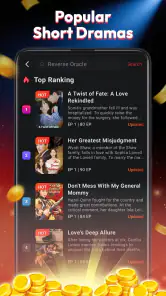
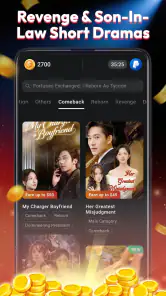
Lucky Drama - Shorts & Rewards is an entertainment app focused on short-form drama videos and serialized stories. After installing it, users can browse brief episodes, discover different genres, and continue watching content designed for quick viewing sessions. The app may also include reward-related features, such as points or bonuses for engagement, although the exact availability and conditions can vary by region, account status, and current promotions.
Is Lucky Drama - Shorts & Rewards free to download and use?
The app is free to download, allowing users to explore its short dramas and basic features without an upfront purchase. However, free access may include advertisements, limits on viewing, optional in-app purchases, or paid content. Before confirming any transaction, check the price, subscription terms, renewal details, and payment method shown in the official Google Play Store or Apple App Store listing.
How do the rewards in Lucky Drama work?
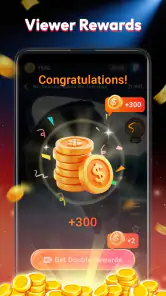
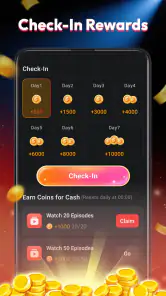
Rewards are usually connected to activities such as watching videos, checking in, completing tasks, or participating in promotional events. The app’s rules should explain how points are earned, whether there is a minimum withdrawal threshold, and which redemption methods are supported. Rewards are not guaranteed income, and eligibility, limits, expiration dates, and availability can change according to location or updated campaigns.
Pros
- Short episodes make it easy to watch during quick breaks.
- Reward system adds extra motivation for regular viewing.
- Large selection of dramatic and romantic mini-series.
- Simple interface is easy for new users to navigate.
- Personalized recommendations help discover similar shows.
Cons
- Some rewards may require watching many ads to unlock.
- Episodes can feel repetitive due to familiar story formulas.
- Content availability may vary by region or account.
- In-app purchases can become costly for faster access.
- Background data use may increase during extended streaming.
- Category
- Entertainment
- Version
- 1.2.2