Jomashop - Shop Luxury Fashion
- 428.00
- 4.7
- Installs
- 100.00K
- Price
- Free

Screenshots

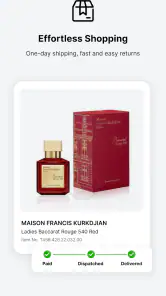
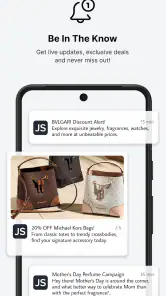
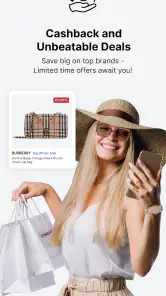
Analysis by Reviewed
I approached Jomashop - Shop Luxury Fashion as a practical shopping app rather than a glossy catalog. Its focus is designer watches, fragrances, sunglasses, clothing, and related fashion items, so the main question is not whether it offers endless browsing, but whether it makes a considered luxury purchase easier to research on a phone. After using it in that way, I found a useful destination for shoppers who already know the kind of product they want, with some natural limitations for anyone expecting a complete department-store experience.
The app is free to download and is suitable for Everyone. It comes from Jomashop Inc., and its current version is 92, running on devices with Android 10 or later. That combination makes it feel like an established shopping tool rather than a tiny experimental storefront. It has passed the early discovery stage too: the app has more than 100K installs, while its average score sits at 4.7 from roughly 2.9K ratings. Those figures do not replace personal testing, but they do suggest that the basic mobile shopping experience is working for a substantial group of people.
How the app feels in everyday shopping
A focused catalog for high-consideration purchases
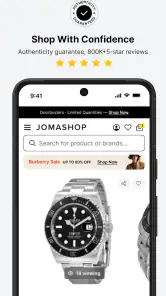
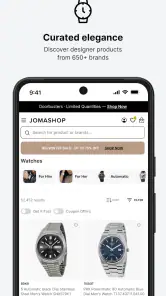
The strongest part of the experience is the clear relationship between the app and the products it sells. When I opened it with a particular category in mind, such as a watch or perfume, I was not pushed into unrelated entertainment or a social feed. The purpose is straightforward: browse recognizable designer goods, compare options, inspect details, and decide whether an item belongs on a shortlist.
That focus matters more with luxury fashion than it does with ordinary household shopping. A pair of sunglasses or a bottle of fragrance can be an impulse purchase, but a watch or designer accessory usually involves checking style, size, color, brand, and value together. I found the app more useful when I treated it as a research workspace. Instead of scrolling without a plan, I would begin with one category, narrow the visual field, and save my attention for products that actually matched the occasion or budget I had in mind.
The catalog also suits people who shop across several fashion categories. Someone looking for a watch may also want a fragrance or sunglasses for a gift, and it is convenient to investigate those choices in the same place. That does not mean every visitor will prefer a broad selection over a specialist retailer. A dedicated watch store can still be better for technical specifications and enthusiast-level comparison, while a fragrance specialist may offer more guidance on scent families. Jomashop’s advantage is the combination of categories under one shopping roof.
Why the mobile format helps before buying
I liked being able to browse away from a desktop. Luxury shopping often happens in small gaps: during a commute, while comparing gift ideas, or after noticing a watch on someone’s wrist. A phone-based catalog makes it easy to build a mental shortlist before committing to a purchase. I could return to a product after thinking about it instead of making a rushed decision during the first browsing session.
There is also a useful psychological benefit to separating research from checkout. When I looked at several similar products on a larger screen, it was easy to mistake visual appeal for suitability. On a phone, the compact format encouraged me to slow down and check the product information rather than relying only on the photograph. That is especially important with watches, where a design can look attractive but still be too large, too formal, or poorly matched to daily clothing.
More From Our News Desk

Clash of Clans Is Won Between the Battles

Android Auto Makes the Case for Quieter Car Software

MobiOffice: Transforming Mobile Productivity with Seamless Integration

EA SPORTS FC™ Mobile Soccer: Redefining Mobile Sports Gaming

How Microsoft OneDrive Became a Mobile Productivity Giant

How Google Translate Breaks Language Barriers Effortlessly
My practical advice is to use the app in two passes. First, browse broadly and note the styles that catch your eye. Then return with a narrower decision: a particular type of watch, a fragrance for a certain kind of recipient, or sunglasses that fit a specific wardrobe. This avoids the common problem of turning a premium purchase into an endless scroll through similar-looking products.
Useful scenarios beyond casual browsing
A realistic use case is a birthday gift for someone whose taste you know but whose exact choice you do not. I would start with the person’s usual style, examine watches and fragrances separately, and compare how formal or versatile each option appears. The app is helpful here because it lets me explore a gift category without visiting several unrelated retailers. I would still confirm the product details and purchase conditions before paying, but the discovery stage is much less scattered.
Another good scenario is preparing for a new job or a formal event. Rather than searching for “something luxury,” I would use the catalog to decide whether a restrained watch, a pair of sunglasses, or a fragrance better supports the occasion. This approach makes the app more valuable than a simple bargain hunt: it becomes a way to compare personal style choices in one place.
For collectors, the value is different. The app can help spot a model or brand worth investigating, but I would not treat a product page as the entire research process. Collectors often need measurements, movement information, reference-number confirmation, and a detailed understanding of condition or warranty arrangements. When those details determine the purchase, a specialist source may remain the better final checkpoint.
What the current release tells me
The current version, 92, is the clearest sign that the app has gone through ongoing maintenance rather than being left at its launch state. It was released on December 28, 2023, and the present build indicates continued product evolution after that starting point. I would read this as a positive sign for compatibility and upkeep, although a version number alone cannot tell me which individual screens or shopping tools changed.
For existing users, the practical effect is simple: keeping the app updated is sensible, especially on a shopping app where catalog presentation and account behavior can change over time. New users do not need to understand the release history to begin browsing, but returning shoppers should expect the interface to develop rather than remain frozen. I prefer that situation to an app that appears unchanged for years, provided updates continue to preserve a quick path from category browsing to product inspection.
The store history also helps frame expectations. This is not an old-fashioned mobile wrapper that exists only to display a company name. It is a relatively recent app with a current build and a visible user base. At the same time, I would avoid assuming that a newer release automatically means a perfect experience. Shopping quality still depends on accurate product information, smooth account handling, and how efficiently the app answers questions before checkout.
Where the experience requires patience
The biggest friction comes from the nature of luxury shopping itself. A polished product image can make several items feel interchangeable, but the meaningful differences may be hidden in details such as dimensions, materials, color tone, or the intended occasion. I found that the app works best when I am willing to read and compare, not when I want an instant recommendation.
That means the app is not ideal for someone who wants a personal stylist to narrow everything down. It presents a shopping environment, but I would still expect to bring my own judgment. If I were unsure about fragrance notes, watch proportions, or how a pair of sunglasses would suit my face, I would want additional research or an in-person try-on. A phone catalog cannot remove those physical uncertainties.
There is also a trade-off between breadth and depth. Having watches, perfumes, sunglasses, apparel, and more in one app is convenient, but a broad fashion catalog may not satisfy a specialist who wants the deepest possible treatment of one product type. I would choose this app for cross-category discovery and convenient comparison. I would choose a specialist retailer when technical expertise, fitting support, or highly detailed product education mattered more than a unified catalog.
How I would verify a purchase before checkout
My recommendation is to make a short checklist before placing an order. First, confirm the exact brand and model rather than relying on the main photograph. Second, check the color and size details, particularly for watches and apparel. Third, review the purchase information shown in the app carefully, including delivery and return conditions. Finally, make sure the item suits the recipient or use case, because a lower price is not a saving if the product is wrong for the occasion.
This workflow is more important for gifts. A buyer may focus on appearance and overlook sizing or fragrance preference. I would save the product name, compare it with the recipient’s existing style, and only then move toward checkout. The app can make discovery convenient, but it cannot know whether someone prefers a compact watch, a bold scent, or understated sunglasses unless I do that work myself.
For a watch, I would pay special attention to how the case appears relative to the wearer’s wrist and wardrobe. For sunglasses, I would think about frame shape and whether the recipient normally wears similar styles. For perfume, I would treat the product as a personal preference purchase rather than assuming that a famous designer name guarantees a universally appealing scent. These small checks are where the app becomes more useful than simple browsing.
Who should use it, and who should skip it?
I would recommend the app to shoppers who enjoy comparing designer goods across categories and want a free mobile way to investigate purchases before deciding. It is particularly suitable for people buying gifts, building a personal shortlist, or checking several types of fashion item without moving between unrelated apps. The Everyone age rating also makes it accessible as a general shopping tool, although the products themselves are naturally aimed at different tastes and budgets.
I would be more cautious about recommending it to someone who needs extensive expert consultation. If the purchase depends on trying on a frame, smelling a fragrance first, or receiving detailed watch advice, a physical store or specialist retailer may be a better choice. The same applies to shoppers who want a marketplace with many independent sellers and highly varied listings; this app’s value is its focused Jomashop shopping environment, not the unpredictability of a huge peer-to-peer market.
It is also not the right tool for a person who wants to buy immediately with no comparison. The catalog encourages browsing, and premium products deserve a little verification. If I only wanted the fastest possible purchase of a familiar everyday item, a general retailer might involve fewer decisions. I come back to this app when the choice itself matters.
What existing users should expect from continued development
For people who already use the app, the most meaningful improvements would be the ones that reduce uncertainty rather than simply adding more visual polish. Better comparison support, clearer product distinctions, and an easy way to revisit serious candidates would directly help with watches, fragrances, and accessories. Those are the areas I would watch as the app continues to evolve.
I would also look for improvements that make gift shopping less stressful. A shopper often knows the recipient but not the exact product, so organization and clarity matter more than an overwhelming number of choices. If future updates make it easier to move from a broad category to a confident shortlist, they will improve the app’s real value without changing its basic identity.
Existing users should keep their own records for important purchases, especially when buying a gift or a higher-value item. I do not mean that the app is difficult to use; I mean that careful shoppers benefit from saving the exact model, color, and relevant order information independently. That habit protects against confusion when comparing similar products later.
My final view after using it
Jomashop - Shop Luxury Fashion succeeds because it gives mobile shoppers a focused place to explore designer watches, perfumes, sunglasses, apparel, and related goods. I found it most convincing as a research and comparison companion: it helps me gather ideas, narrow choices, and return to products when I am ready to make a more thoughtful decision.
Its limitations are tied to what a phone catalog cannot do. It cannot replace trying on sunglasses, testing a fragrance, or receiving specialist watch advice. The broad selection may also feel less satisfying to experts who want one category explored in exceptional depth. Those are not reasons to dismiss it; they simply define the situations where another shopping method is better.
With a 4.7 average from around 2.9K ratings and an active current version, the app has earned a place on my shortlist for designer shopping on mobile. I would use it for gift research, cross-category browsing, and carefully comparing fashion purchases from home. My strongest advice is to slow down at the product-details stage. The app is most valuable when it helps you make a deliberate choice, not when it encourages you to buy the first attractive item you see.
Jomashop - Shop Luxury Fashion Frequently Asked Questions
Is Jomashop - Shop Luxury Fashion free to download, and what devices can run it?
Jomashop is a free shopping app from Jomashop Inc. It is available for Android and iOS, and the Android version requires Android 10 or later. The app is rated for Everyone, making its content suitable for a broad audience. Before installing, check that your device’s operating system is compatible and that you are downloading the official Jomashop app.
What can I shop for in the Jomashop app?
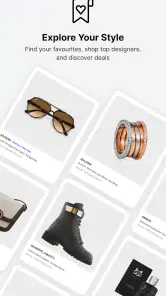
The app focuses on authentic designer brand-name products, with categories that include watches, perfumes, sunglasses, apparel, and more. You can browse merchandise on a mobile device and explore product listings before deciding what to buy. Its shopping focus is luxury and designer goods, so it is best suited to people looking for branded items rather than everyday general merchandise.
What is Jomashop - Shop Luxury Fashion?
Jomashop is an online shopping app focused on luxury and designer products, including watches, handbags, jewelry, accessories, fragrances, and fashion items. The app lets you browse product categories, compare prices, read descriptions, and place orders from a mobile device. It is designed for shoppers looking for discounted brand-name merchandise rather than a traditional marketplace for independent sellers.
Are the products sold through Jomashop authentic?
Jomashop states that it sells authentic merchandise sourced through its retail and distribution channels. However, many products are offered through the gray market, which means they may not come directly from the brand’s authorized dealer network. Before purchasing, check the listing details, included accessories, warranty information, and return conditions, especially for expensive watches, jewelry, and designer goods.
Does Jomashop provide a manufacturer’s warranty?
Warranty coverage depends on the product and brand. Some items may include a manufacturer’s warranty, while others are covered by Jomashop’s own warranty instead. This distinction is especially important for watches and electronics because authorized-brand service may not apply to gray-market purchases. Always review the specific product page and warranty terms before completing your order.
Pros
- Wide selection of designer watches
- jewelry
- handbags
- and accessories.
- Frequent discounts can make luxury items more affordable.
- Product pages include detailed specifications and brand information.
- The app makes browsing and saving desired items convenient.
- Offers access to brands that may be difficult to find locally.
Cons
- Some items may have limited stock or sell out quickly.
- Shipping times can vary depending on the product and destination.
- Return conditions may differ for certain categories or final-sale items.
- Luxury purchases may still require careful authenticity and warranty checks.
- The app may send frequent promotional notifications unless adjusted.
- Category
- Shopping
- Version
- 92