CaroSnap-Shorts & Dramas
- 17.00
- 1.6
- Installs
- 10.00K
- Price
- Free

Screenshots

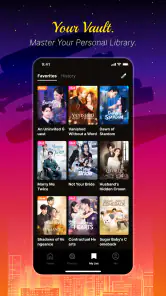
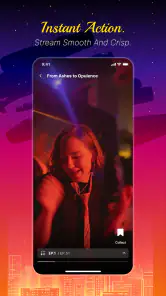
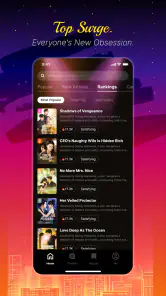
Analysis by Reviewed
I approached CaroSnap-Shorts & Dramas as the kind of entertainment app you open when you have a few spare minutes and do not want to commit to a full film or television episode. Developed by ironblaze, it presents itself as a lightweight way to fill leisure time with short-form viewing. That basic idea is easy to understand, but the more important question is whether it remains useful after the first burst of curiosity disappears.
My experience is that the app has an immediately accessible concept, yet its long-term appeal depends heavily on how much variety and freshness you personally need from an entertainment feed. It is free to install, aimed at Everyone, and compatible with Android 9 and later. That makes the entry barrier low, although the presence of in-app purchases ranging from $7.99 to $299.99 per item means I would still approach the viewing experience with a little spending discipline.
What the first week feels like
The first few sessions are the strongest part of the experience. Short dramas are naturally easy to sample: I can watch a scene, decide whether the tone works for me, and move on without feeling that I have wasted an evening. This format suits moments such as waiting for an appointment, taking a break from work, or winding down before bed when a conventional streaming service feels too demanding.
The app’s entertainment category also sets a clear expectation. I would not install it for deep research, social interaction, or a carefully organized personal media library. Its value is immediate access to quick viewing. That focus is useful because it reduces the decision involved in choosing something to watch, but it can also make the experience feel disposable if the material does not connect with me quickly.
A realistic daily scenario is a short commute or lunch break. I might open the app with ten minutes available, watch part of a drama, and close it when I arrive at my destination. That is a better fit than starting a long episode on a major streaming platform. On the other hand, if I already subscribe to a service with a strong short-form section, I would compare the two before making this a regular habit. Familiar services often offer broader catalogs, more established discovery tools, and a viewing history that is easier to manage.
The first-week appeal also comes from the low commitment. Because the app is free to download, I can test it without paying upfront. I would still avoid treating “free” as the same thing as unlimited value. Once an app includes optional purchases, the sensible approach is to explore its basic experience first and decide whether the available content justifies any later spending.
Who gets the most from the quick format
I think this style is best for people who enjoy compact stories, frequent browsing, and entertainment that can be interrupted without much frustration. It may work particularly well for viewers who find full-length shows too slow to start or who like sampling several dramatic premises in one sitting.
More From Our News Desk

Clash of Clans Is Won Between the Battles

Android Auto Makes the Case for Quieter Car Software

MobiOffice: Transforming Mobile Productivity with Seamless Integration

EA SPORTS FC™ Mobile Soccer: Redefining Mobile Sports Gaming

How Microsoft OneDrive Became a Mobile Productivity Giant

How Google Translate Breaks Language Barriers Effortlessly
It is less suitable for someone who wants a carefully curated prestige catalog, uninterrupted long-form storytelling, or a single place for films, television, and personal downloads. The short-drama format has its own rhythm, and that rhythm is not automatically better simply because it is faster. If your favorite part of watching is settling into a detailed world for an hour, this app may feel more like a snack than a meal.
One practical tip is to judge each title by whether you want to return for the story rather than by whether the first scene is dramatic. Short-form productions often need to create momentum quickly, and that can make opening moments feel exaggerated. I found it more useful to give a promising premise a little time before deciding, while dropping anything that relied only on constant cliffhangers.
Does it have month-to-month value?
The answer depends less on the novelty of the interface and more on whether the catalog continues to provide reasons to come back. During the first week, discovery itself can carry the experience. After that, I start noticing repetition: similar emotional setups, familiar pacing, or stories that seem designed mainly to push me toward the next installment. This is the point where a short-video app must prove that it offers more than an easy opening.
I would measure recurring value in three ways. First, can I find something appropriate for the amount of time I have? Second, do the stories offer enough variation in mood and subject to prevent the feed from becoming predictable? Third, can I stop and resume without losing track of what I was watching? These are simple questions, but they matter more than a polished first impression.
CaroSnap-Shorts & Dramas may become a convenient part of a casual entertainment routine if I enjoy browsing without a fixed plan. It is easier to return to an app when I can open it for a quick session instead of needing to remember a specific evening for a full program. That convenience is the strongest argument for keeping it installed.
However, convenience alone does not guarantee lasting value. If I repeatedly open the app and see choices that do not match my mood, I will naturally return to a platform with a larger or more familiar selection. A useful personal workflow is to decide in advance what role the app has: quick breaks, bedtime viewing, or short story discovery. Without that boundary, it can become another feed I scroll through without actually enjoying.
How it compares with ordinary alternatives
Compared with a general video platform, this app is more focused on short entertainment rather than mixing dramas with tutorials, news, music, and unrelated clips. That narrower purpose can make it easier to stay in the right mood. The trade-off is that a general platform may offer more control over creators, topics, and viewing styles.
Compared with a conventional streaming service, the main difference is commitment. Traditional services are better when I want polished long-form viewing, dependable continuity, and a broad library organized around established genres. This app is better when I want something compact and easy to abandon. Neither format replaces the other, so I would see it as a possible companion rather than a full substitute.
Compared with social short-video feeds, the drama focus may provide more narrative direction. Social feeds are often stronger for humor, commentary, live reactions, and creator personality, while a short-drama app is more appealing when I want fictional storytelling. The downside is that a story-driven feed can feel repetitive faster if many titles use similar structures.
The app’s public reception is a warning I would not ignore. It has an average rating of 1.6 from around 54 ratings, with roughly 17 written reviews, while its install count is over 10 thousand. Those figures do not tell me exactly why every person reacted positively or negatively, but they do suggest that I should test the experience carefully instead of assuming the concept will suit me. I would pay particular attention to loading behavior, content quality, and whether the viewing flow feels comfortable on my device.
The maintenance burden of keeping it installed
Maintenance is not only about storage or updates. For an entertainment app, it also means managing attention, resisting unnecessary purchases, and deciding whether the content still earns a place on the home screen. The current version is 1.0.3, and the app was released on March 18, 2026, so I would treat it as a relatively early product and keep my expectations measured. Early versions can improve quickly, but they can also feel less settled than mature alternatives.
My first maintenance rule would be simple: do not let the app become an automatic reflex. If I open it every time I have a spare minute, the experience can shift from entertainment to passive scrolling. A better habit is to use it for a defined break and close it when the break ends. This preserves the novelty of short viewing instead of turning it into background noise.
The second rule concerns purchases. Individual in-app items can cost from $7.99 up to $299.99, which is a very wide range. I would never make a purchase merely because a story ends on a cliffhanger. I would first decide whether I genuinely want to continue, check the amount carefully, and consider whether the same money would provide better value through another entertainment option. The free entry point is helpful, but it should not encourage impulsive spending.
A third useful habit is to remove the app if I have stopped opening it for several weeks. This sounds obvious, yet entertainment apps often remain installed because they might be useful someday. If the app is not serving a clear purpose, keeping it available can add clutter without adding enjoyment. Reinstalling later is a reasonable choice if the format becomes appealing again.
For families, the Everyone rating makes the app broadly accessible from an age-classification perspective, but I would still decide whether its actual stories fit the people using the device. An age label is not a substitute for personal judgment about themes, emotional intensity, or purchasing access. I would also avoid handing over a device without explaining that optional purchases exist.
Where fatigue begins
The biggest fatigue risk is repetition. Short dramas need quick hooks, and repeated reliance on dramatic reveals can make those reveals less effective. After several sessions, I may start recognizing the structure before I care about the characters. That is not a problem unique to this app, but it is especially noticeable when the viewing format encourages rapid consumption.
Another source of fatigue is unfinished momentum. A short installment can be satisfying when it delivers a meaningful beat, but frustrating when it feels like a small fragment whose only purpose is to make me continue. I am willing to follow an ongoing story when the characters are interesting; I am less patient when the app uses interruption as a substitute for development.
There is also a decision-fatigue problem. A large entertainment feed can look generous while making it harder to choose. If I spend more time browsing than watching, the app is no longer helping me use a spare moment well. My workaround would be to choose a title quickly, give it a fair trial, and leave rather than repeatedly refreshing the selection.
Notifications, if used too aggressively, could also affect whether I keep the app. I would prefer to control reminders and avoid allowing a leisure app to dictate when I should return. Since the lasting value of this product depends on voluntary use, any feeling of pressure would make a competing service more attractive.
The purchase model adds a separate kind of fatigue. A story can be enjoyable while the payment decisions around it become distracting. The safest approach is to set a personal limit before viewing and never treat a cliffhanger as a reason to spend immediately. This is especially important because the upper end of the listed purchase range is substantial for a casual entertainment habit.
Small strategies that improve the experience
I found three practical strategies more useful than simply watching continuously. First, I would use the app when I have a clearly limited window, because the short format feels purposeful rather than endless. Second, I would alternate it with a longer program or another hobby, which helps prevent the dramatic pacing from becoming monotonous. Third, I would stop following a title when the story no longer interests me instead of continuing only because I have already invested time.
A less obvious trade-off is that short viewing can be easier to fit into a busy day but harder to remember later. If I care about a particular story, I would note its title or keep track of where I stopped rather than assuming I will recall it after several days. This matters when an app contains many similar premises and I return after a gap.
I would also test the app under the conditions in which I actually plan to use it. A quick break at home is different from a commute, and a phone held in one hand is different from a larger screen. If the app feels good only when I have plenty of time and a stable connection, it may not fulfill the reason I installed a short-form service in the first place. I would make that judgment before paying for anything.
My long-term verdict
My honest view is that CaroSnap-Shorts & Dramas is easiest to recommend as a trial, not as an automatic permanent installation. Its strongest quality is the low-commitment entertainment format: I can sample dramatic stories during small gaps in the day without reserving a full evening. That is a real use case, and it separates the app from conventional streaming services.
Its weaker side is the uncertainty of lasting variety. The early appeal of quick episodes can fade if the stories begin to feel structurally similar, if browsing becomes more tiring than watching, or if purchases interrupt the casual nature of the experience. The low average rating also gives me reason to be cautious and to evaluate the actual app on my device rather than relying on the concept alone.
I would keep it installed if I regularly enjoy short dramas, appreciate browsing without a strict viewing plan, and can use the free experience without feeling pushed toward expensive items. I would skip it if I want a mature, broad streaming library, dislike cliffhanger-driven storytelling, or prefer entertainment that I can own or organize independently.
In the end, its place in my routine would depend on maintenance. I would give it a short, deliberate test, choose a few viewing occasions, and then ask whether I am returning because I am genuinely entertained or simply because the app is available. The lasting test is not whether it fills ten minutes once, but whether it keeps making those ten minutes feel worthwhile. For the right viewer, it can be a handy short-drama companion; for everyone else, a conventional streaming service or a broader video platform may offer better value over time.
CaroSnap-Shorts & Dramas Frequently Asked Questions
What device requirements should I check before downloading CaroSnap-Shorts & Dramas?
CaroSnap-Shorts & Dramas requires Android 9 or later, so check your device’s operating system before installing it. The app is listed as version 1.0.3, and compatibility can depend on the device and the platform’s current requirements. If your phone or tablet is older, updating its operating system may be necessary before you can use the app.
Who develops CaroSnap-Shorts & Dramas, and how has it been received by users?
CaroSnap-Shorts & Dramas is developed by ironblaze and is listed in the Entertainment category. It has an average rating of 1.6 from 54 ratings, with 17 written reviews, so user feedback is notably mixed. Reading recent comments before downloading can help you decide whether the app’s experience sounds right for you, while remembering that individual experiences may differ.
What is CaroSnap-Shorts & Dramas, and what kind of content does it offer?
CaroSnap-Shorts & Dramas is a mobile entertainment app focused on short-form video stories and dramatic series designed for quick viewing sessions. Its catalog may include romance, mystery, family conflict, comedy, and other popular drama themes. Episodes are generally presented in a vertical, mobile-friendly format, making them convenient to watch during breaks or while traveling. Available titles and categories can change over time.
Is CaroSnap-Shorts & Dramas free to download and use?
The app is free to download, but free access may not include every episode or feature. Some stories may require users to watch advertisements, collect in-app rewards, subscribe, or purchase virtual coins to continue viewing. In-app purchases range from $7.99 to $299.99 per item. Before confirming any payment, review the displayed price, billing terms, renewal information, and refund conditions in the app store or within the application.
Does CaroSnap-Shorts & Dramas require an internet connection?
An internet connection is normally needed to browse the catalog, load video episodes, synchronize account information, display advertisements, and process subscriptions or in-app purchases. Depending on the version and the specific title, some content might support temporary offline viewing, but this should not be assumed for every episode. Using Wi-Fi is recommended when streaming frequently because short dramas can consume substantial mobile data.
Pros
- Quick access to short dramas and snackable episodes.
- Easy-to-browse catalog suited to short breaks.
- Vertical video format works well for one-handed viewing.
- Frequent cliffhangers keep episodes engaging.
- Convenient entertainment for users with limited free time.
Cons
- Some stories may feel rushed because episodes are very short.
- The best content may require in-app purchases or subscriptions.
- Video streaming can consume significant mobile data.
- Content availability may vary by region or language.
- Frequent ads may interrupt viewing for free users.
- Category
- Entertainment
- Version
- 1.0.3