Bitcoin Cloud Mining
- 88.00
- 4.2
- Installs
- 10.00K
- Price
- Free

Screenshots
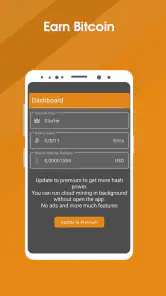
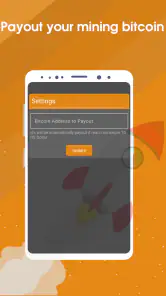
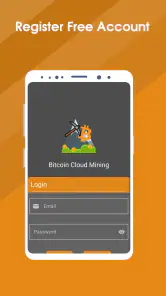
Analysis by Reviewed
Bitcoin Cloud Mining is aimed at people who want to explore bitcoin mining from a phone rather than setting up specialized hardware at home. I approached it as a small, practical experiment: start with no mining equipment, look at what the app presents, follow the available cloud-mining path, and consider whether the result feels useful enough to justify continued attention. My overall impression is that it is easy to approach, but it should be treated as a learning and monitoring tool rather than a guaranteed income source.
The app sits in the finance category and is published by Music Tools Pro. It is free to install, with optional in-app purchases ranging from $4.99 to $35.99 per item. That combination matters because the first step is inexpensive, while the point where a user may consider spending money requires much more caution. I would not install it expecting a predictable return. I would install it only if I wanted to understand how a mobile cloud-mining service presents the process and was comfortable treating any outcome as uncertain.
Following the mining workflow from phone to outcome
Starting with the right expectation
The most important preparation happens before opening the app. Bitcoin mining is not the same as buying bitcoin, holding bitcoin, or earning interest on a balance. Mining involves computational work, and a cloud-mining app presents that activity through a remote service rather than asking the phone to perform the full workload itself. That distinction prevents a common misunderstanding: installing the app does not turn an ordinary smartphone into a powerful mining rig.
I also recommend deciding in advance whether you are willing to spend anything. The free entry point makes it tempting to move quickly through the interface, but optional purchases can change the experience from simple exploration into a financial decision. I would begin without paying, record what the app shows, and only continue if the terms, displayed progress, and withdrawal conditions are clear enough for my own comfort.
The age rating is Everyone, which makes the presentation approachable for a broad audience. That does not make the financial subject risk-free. A younger or inexperienced user may understand the buttons without understanding bitcoin price volatility, service risk, or the difference between a displayed balance and money that has actually reached a personal wallet. Adult guidance is sensible whenever purchases or cryptocurrency transfers are involved.
What the first session is good for
My first session would be an orientation rather than a commitment. I would look for the mining start control, the balance area, any progress information, and the route used for a payout. I would also check whether the app explains the unit being accumulated and what action is required before anything can be withdrawn. These details are more important than an attractive balance counter because they determine whether the workflow is understandable from beginning to end.
A useful habit is to take notes outside the app. Write down the starting balance, the time you began, and the exact wording around any purchase or withdrawal step. This is not busywork. It gives you a way to distinguish genuine progress from a changing display and helps you notice whether the app expects regular check-ins, an activation step, or a minimum amount before a transfer can happen.
More From Our News Desk

Clash of Clans Is Won Between the Battles

Android Auto Makes the Case for Quieter Car Software

MobiOffice: Transforming Mobile Productivity with Seamless Integration

EA SPORTS FC™ Mobile Soccer: Redefining Mobile Sports Gaming

How Microsoft OneDrive Became a Mobile Productivity Giant

How Google Translate Breaks Language Barriers Effortlessly
Because the app is free to install, this observation phase carries less commitment than buying mining equipment. It is also much less technically demanding. You do not need to manage heat, noise, electricity use, or hardware maintenance on your own phone. The trade-off is that you are relying on the app and its remote mining arrangement, so you have less direct control over the underlying operation.
Moving through the in-app process
Once the basic screens make sense, I would start with the no-cost route and watch how the balance changes over time. The key question is not whether a number appears quickly; it is whether the app gives enough context to understand what that number represents. A good personal test is to return at different times, compare the progress with your notes, and avoid interpreting a small increase as proof of profitability.
This is where the app can be useful for a beginner. It puts the idea of cloud mining into a more concrete workflow than a general cryptocurrency article does. You can see that there is an input, a period of activity, an accumulating result, and eventually a handoff to a wallet or another destination. Even if you decide not to continue, that sequence can clarify how different mining is from simply purchasing coins through an exchange.
I would keep notifications and check-ins under control. If the design encourages frequent returns, it is easy to confuse activity with progress. A practical routine is to review the account at a fixed interval instead of opening it repeatedly throughout the day. That makes the result easier to judge and reduces the chance of making an impulsive purchase simply because you have been watching a counter.
Understanding the handoff to a wallet
The most consequential part of the workflow is the handoff from the app to the user’s cryptocurrency wallet. Before attempting it, I would confirm the destination address character by character and check which network or asset format the receiving wallet expects. A mining balance is not useful if it cannot be transferred correctly, and cryptocurrency transactions are generally not the place to guess.
I would also look for the app’s stated withdrawal threshold, processing conditions, and any identity or account requirements shown during the process. These are practical questions a prospective user should answer before spending money. If the app makes the accumulation process easy but the transfer rules difficult to understand, that imbalance is a serious warning sign for my decision, even if the interface itself feels smooth.
For a first transfer, I would prefer the smallest permitted amount rather than attempting to move everything at once. That approach reduces the cost of a mistake and tests whether the complete path works: balance, request, processing, wallet receipt, and confirmation. It is one of the most useful precautions for any cloud-mining service because the visible in-app result is only one part of the experience.
What counts as a meaningful result
The result should be judged in two ways. The first is the amount of bitcoin that can actually be transferred and received. The second is the quality of the process: how clearly the app explains progress, how predictable the handoff feels, and whether the user can understand what they are paying for if they choose an optional upgrade.
For me, a small displayed balance would not be enough to call the app successful. The meaningful outcome is a completed, correctly addressed transfer that I can verify in the receiving wallet. If the balance remains inside the app, the workflow is still unfinished. This is an important distinction for newcomers who may assume that an on-screen total has the same status as funds under their own control.
The app has a 4.2 average from around 2.8 thousand ratings, and it has passed 10 thousand installs. Those figures suggest that it has attracted a real user base and that many people find the basic experience acceptable. They do not establish a particular return, payout speed, or level of financial reliability, so I would use them as signs of interest rather than as evidence that mining will be profitable for me.
Where the workflow becomes uncomfortable
The first friction point is the gap between simple access and complicated economics. A phone makes the activity look effortless, but bitcoin mining depends on factors that a clean mobile interface may not make obvious, including the cost of the service, the value of the coin, and the conditions attached to any payout. This can make a small numerical increase feel more important than it really is.
The second friction point is the temptation to buy access or acceleration before understanding the free experience. With purchases priced between $4.99 and $35.99 per item, I would not treat them as harmless add-ons. I would compare the purchase cost with the amount that could realistically be withdrawn, account for bitcoin price movement, and ask whether the purchase changes the underlying outcome or only changes the presentation of progress.
The third issue is control. Traditional mining hardware gives the owner direct responsibility for the machine, power, cooling, and software. An exchange gives a user a more direct way to buy or sell bitcoin. This app occupies a different middle ground: it is more convenient than owning equipment, but it asks the user to trust a remote arrangement and the app’s accounting until a transfer reaches an external wallet.
Who will get the most from it
I think the best audience is a curious beginner who wants a gentle introduction to the vocabulary and sequence of cloud mining. It can also suit someone who wants to monitor a small experiment without buying hardware or learning how to configure a mining computer. The free installation makes it possible to inspect the workflow before making a financial commitment, which is its strongest practical advantage.
A realistic everyday scenario would be a user who has ten minutes on a weekend to review the account, compare the balance with a note taken the previous week, and decide whether the activity is worth continuing. That person is using the app as a controlled observation rather than as a daily income plan. The workflow remains manageable because the user has defined a limit, avoids constant checking, and treats the wallet transfer as the real test.
It is less suitable for someone who needs dependable income, immediate liquidity, or transparent control over mining hardware. It is also a poor match for anyone who cannot afford to lose an optional purchase, does not understand wallet addresses, or feels pressured by changing balances and upgrade prompts. In those cases, a regulated exchange for straightforward buying and selling, or an educational resource for learning the basics, may be a better starting point.
How it compares with familiar alternatives
Compared with buying bitcoin through an exchange, this app is more indirect. An exchange normally focuses on acquiring or selling an asset at a quoted market price, while this app frames the experience around mining and accumulation over time. If my goal were simply to own a known amount of bitcoin, I would prefer the clearer transaction path of an exchange. If my goal were to explore the mining concept without hardware, the app would be more relevant.
Compared with running a miner on personal hardware, it is far easier to begin and far less demanding to maintain. I would not need to think about a machine running continuously in my home. However, I also would not have the same visibility into the equipment, power costs, or technical operation. The convenience is therefore purchased with reduced control and a greater need to inspect the service’s rules before paying.
Compared with a standard budgeting or investment-tracking app, it is not designed primarily to organize household finances or provide a broad view of a portfolio. Its narrow focus can be helpful if I want to examine cloud mining specifically, but it means I should not use it as my only place for tracking cryptocurrency value, tax records, or overall financial risk.
Practical safeguards before spending
I would begin by setting a firm personal limit of zero until I understood the complete free workflow. Then I would identify what the optional purchase provides, whether it changes the mining arrangement, and how long it would take to recover the cost under several bitcoin price scenarios. If those answers are not easy to find inside the app, I would skip the purchase rather than fill in the gaps with assumptions.
I would never share a wallet seed phrase or private key with the app or with anyone claiming to help. A receiving address may be needed for a transfer, but the secret credentials that control a wallet should remain private. I would also avoid sending funds to an address copied from an unfamiliar message and would verify the destination using the wallet application itself.
Another useful safeguard is separating experimentation from essential money. The app’s Everyone rating and free entry can make it feel harmless, but cryptocurrency outcomes can still be uncertain. I would use only an amount I could lose without affecting rent, bills, savings, or debt payments. That rule is especially important before considering the higher-priced purchase options.
My final assessment after tracing the full path
After following the workflow from a phone-based starting point through monitoring and the possible wallet handoff, I see Bitcoin Cloud Mining as an accessible introduction to a complicated subject. Its best quality is the low barrier to exploring cloud mining without buying equipment. The version in use is 2.7, and the app has been available since November 17, 2023, giving it a reasonably established presence for someone deciding whether to try the basic experience.
My recommendation is conditional: try the free path if you are curious, keep careful notes, and treat a successful external transfer—not a rising in-app number—as the meaningful outcome. I would not recommend paying immediately, relying on it for income, or assuming that a simple interface removes the financial and operational risks of cryptocurrency.
The app is most useful when you control the experiment instead of letting the balance control you. For a patient learner, that makes it a reasonable way to investigate cloud mining. For someone seeking a predictable investment or a direct route to buying bitcoin, a different finance tool will probably be clearer, easier to evaluate, and better aligned with the actual goal.
Bitcoin Cloud Mining Frequently Asked Questions
Is Bitcoin Cloud Mining available for my phone?
Bitcoin Cloud Mining is a finance app for Android, with a minimum operating-system requirement of 7.0. Before downloading, check that your device meets this requirement and that the app is available for your device through a trusted app store. It is listed as free to install and has an Everyone content rating, though some features may involve in-app purchases.
What does Bitcoin Cloud Mining cost to use?
The app is free to download, but it offers in-app purchases priced from $4.99 to $35.99 per item. These purchases may relate to mining features or added capacity, so review each option carefully before paying. Consider the full cost alongside any contract terms, fees, and withdrawal conditions; an in-app purchase should not be treated as a promise of Bitcoin earnings.
What is Bitcoin Cloud Mining, and how does it work?
Bitcoin Cloud Mining allows users to participate in cryptocurrency mining without purchasing or operating their own specialized hardware. Instead, you typically rent a portion of computing power from a remote provider through the app. The provider manages the equipment, electricity, cooling, and maintenance, while the app displays estimated earnings, contract details, mining activity, and possible payouts.
Can I really earn Bitcoin with this app?
The app may show potential Bitcoin earnings based on the amount of rented or assigned mining power, the Bitcoin network difficulty, electricity costs, service fees, and current market conditions. However, earnings are not guaranteed. Mining returns can change significantly, and some contracts may produce less Bitcoin than the amount paid to start them. Treat projected profits as estimates rather than confirmed income.
Does Bitcoin Cloud Mining require an upfront payment?
Many cloud-mining services offer free demonstrations or limited trial features, but meaningful mining capacity commonly requires a paid contract, subscription, upgrade, or purchase of additional hash power. Before paying, review the total cost, contract duration, maintenance fees, withdrawal requirements, and refund policy. Avoid assuming that a free plan will generate substantial or withdrawable Bitcoin.
Pros
- Easy way to learn about Bitcoin mining concepts
- No specialized mining hardware is required
- Simple interface suitable for beginners
- Can monitor mining activity from a mobile device
- Low entry barrier compared with buying mining equipment
Cons
- Cloud-mining returns can be small or difficult to predict
- Fees may significantly reduce potential earnings
- Mining contracts may have restrictive terms
- Requires careful research to avoid fraudulent providers
- Bitcoin price changes can quickly affect profitability
- Category
- Finance
- Version
- 2.7