Ava Finance
- 1.69K
- 4.7
- Installs
- 500.00K
- Price
- Free

Screenshots


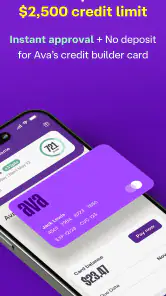
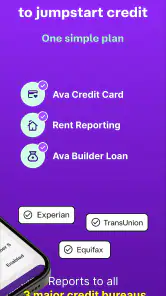
Analysis by Reviewed
I approached Ava Finance as a practical finance app rather than a general budgeting tool. Its focus is credit building, so the important question is not whether it can replace every money app on your phone, but whether its particular approach fits the way you manage borrowing and repayments. After spending time with it, I found the experience most useful for someone who wants a more structured path toward establishing or improving credit, while still needing to understand the limits of what a credit-focused service can do.
The app is free to install, aimed at Everyone, and developed by Ava Finance, Inc. It has reached over 500 thousand installs and holds a 4.7 average from around 17 thousand ratings, which suggests that many users find the central idea easy to understand. That popularity should not be mistaken for a guarantee of identical results, though. Credit situations vary widely, and the value of an app like this depends heavily on how consistently you use it and whether its approach matches your financial habits.
How Ava Finance feels in its current state
The first thing I noticed is that the app presents credit building as an ongoing routine rather than a one-time fix. That is a sensible approach. A person trying to strengthen their credit usually benefits more from predictable behavior over time than from chasing a quick improvement. Ava Finance is therefore better understood as a guided financial habit than as an instant repair button.
The interface is built around making the next step feel manageable. Instead of asking you to learn every detail of credit scoring before you begin, it keeps attention on the actions connected with responsible use. That makes the app approachable for someone who has avoided credit products because the terminology feels intimidating. I also think it suits users who have tried to improve their credit independently but found it difficult to maintain a clear routine.
At the same time, the app is not a complete personal finance command center. If your main goal is tracking groceries, subscriptions, cash flow, investments, or household categories in one place, a traditional budgeting app may be a better fit. Ava Finance has a narrower purpose, and that focus is one of its strengths only when credit building is genuinely your priority.
A realistic everyday example would be a renter preparing for a future apartment application. They may already pay bills on time but have a limited credit history, making it hard to demonstrate a reliable borrowing record. In that situation, the app can provide a dedicated process to follow instead of leaving the person to guess which actions matter. The benefit is not excitement; it is consistency and a clearer sense of direction.
Who will get the most from it
I would put people with thin or developing credit histories near the top of the audience. Someone new to credit may appreciate the app’s less intimidating tone and its emphasis on building habits. It can also be useful for a person who wants a separate place to think about credit rather than burying that goal inside a broad budgeting dashboard.
It may appeal to users who prefer mobile guidance over spreadsheets. A spreadsheet can be flexible, but it depends entirely on the user remembering what to record and how to interpret it. Ava Finance gives the credit-building task its own space, which can make the goal easier to revisit. That dedicated focus is especially helpful when the user is working toward a practical milestone such as qualifying for housing, improving access to borrowing, or becoming more comfortable with financial products.
I would be more cautious if you already have a strong credit history and simply want advanced analysis. Experienced users may prefer services that provide broader account monitoring, detailed score explanations, or extensive financial planning tools. Ava Finance can still have a role, but its central value is less obvious when you already have a mature system for managing credit.
What the latest version tells me about the product
The current version is 5.1.6626, and seeing the app at this stage gives the impression of a product that has moved beyond a basic concept into an established mobile service. Its release date was May 10, 2021, so it has had time to develop a recognizable identity around credit building rather than presenting itself as a newly launched experiment.
That evolution matters for existing users because a finance app needs to feel stable enough to become part of a routine. People do not want to rebuild their process every time they open the app. The current version appears positioned as a mature iteration of the same core idea: use a focused mobile experience to help users approach credit more deliberately.
I would not read the version number as evidence that every possible feature has been added. A later version can reflect refinement, maintenance, or improvements to the existing workflow rather than a complete expansion into budgeting, investing, or debt counseling. In my view, the most reasonable expectation is continued attention to the core credit experience, not a sudden transformation into an all-purpose financial platform.
For someone already using the service, that continuity is reassuring. You can keep thinking of it as a credit-building companion rather than learning an entirely different product. For a new user, the current version is a good reason to judge the app by its present workflow and clarity, not by assumptions about what future updates might bring.
How I would use it without creating confusion
My first practical tip is to define the goal before treating the app as a daily habit. “Build credit” is too broad on its own. I would connect the app to a specific reason, such as preparing for a rental application or becoming more comfortable with responsible borrowing. That gives you a way to judge whether the routine is helping, even when changes are gradual and not immediately visible.
My second tip is to keep Ava Finance alongside, not instead of, a basic money overview. The app’s credit focus does not remove the need to know what is leaving your bank account each month. I would use a separate budget, banking tool, or simple written plan to make sure any credit-related activity fits comfortably within available cash. The most important trade-off is that convenience can encourage people to focus on the credit goal while overlooking their wider monthly obligations.
A third useful workflow is to review the app at a fixed point in your week rather than opening it repeatedly without a purpose. For example, I would choose a quiet day to check progress, confirm that planned payments remain realistic, and note any questions before making changes. This turns the app into a checkpoint instead of another source of financial noise. It is a small distinction, but it helps prevent impulsive decisions based on a single moment.
I would also avoid treating any progress shown in the app as a promise of a particular score outcome. Credit reporting and scoring involve factors outside one app’s control. The sensible way to use Ava Finance is to follow the process carefully, maintain enough money for obligations, and evaluate the broader state of your credit through appropriate records rather than expecting instant results from one screen.
Where it compares well with familiar alternatives
Compared with a conventional budgeting app, Ava Finance is more specialized. A budgeting app usually helps answer questions such as where your money went, which bills are due, and whether spending is staying within categories. Ava Finance is more relevant when the question is how to build a stronger credit routine. If you already have a budget but no clear credit plan, the two types of apps can complement each other.
Compared with a standard bank app, its advantage is focus. Bank apps are good for viewing balances and moving money, but they are not always designed to teach or organize a credit-building process. Ava Finance can fill that guidance gap for users who need a more intentional structure. The downside is that you may need to move between apps to understand your full financial position.
Compared with a credit-monitoring service, the distinction is equally important. Monitoring tools are often centered on observing credit information, alerts, or score changes. Ava Finance is more action-oriented in its presentation. That can be helpful for someone who feels overwhelmed by reports, but it may be less satisfying for a user who mainly wants detailed analysis and broad visibility.
Compared with handling credit independently, the app’s main benefit is accountability. A person can read articles, set reminders, and manage everything manually, but that approach requires more interpretation and self-discipline. Ava Finance gives the goal a dedicated home. The trade-off is less flexibility than building a completely custom system, especially for users whose financial situation does not fit a straightforward routine.
Friction points I would consider before installing
The biggest limitation is the narrow scope. If you expect one finance app to manage spending, savings, debt strategy, investing, and credit education equally well, this is probably not the right choice. Its usefulness depends on accepting that it is a focused tool. I would rather see that limitation clearly than have the app pretend to solve every financial problem.
Another point of friction is patience. Credit building is not a task where effort always produces an immediate, visible reward. A user who needs a fast solution for an urgent application may feel disappointed if they expect the app to change their situation quickly. The better fit is someone who can follow a plan over time and understands that responsible financial behavior matters beyond the app itself.
There is also a learning curve hidden beneath the simple presentation. The interface may make the process feel approachable, but users still need to understand what they are agreeing to, how payments fit into their budget, and what the app can realistically accomplish. I would read every in-app explanation carefully and avoid proceeding with anything that affects my finances until the terms and timing made sense to me.
Privacy and trust deserve attention with any finance app. Ava Finance, Inc. operates in a sensitive category, so I would personally review the permissions, account connections, and explanations shown during setup before entering information. That is not a criticism unique to this service; it is a sensible standard for any app involved in financial activity. A polished interface should never replace careful reading.
Questions I would answer before making it part of my routine
One natural question is whether the app is free. The app itself is free, which lowers the barrier to trying the experience. I would still distinguish between downloading an app at no cost and understanding any financial arrangements connected with using it. Before committing, I would read the current terms presented inside the app and make sure the overall arrangement fits my circumstances.
Another question is whether it is suitable for beginners. In my opinion, yes, especially for someone who wants a guided credit-building focus and does not know where to start. Beginners should not interpret that friendliness as permission to skip the details. The best results will come from combining the app’s structure with a basic understanding of income, bills, available cash, and payment timing.
Users also often wonder whether it replaces a bank or a budget tracker. I would not use it that way. It is better as one part of a financial setup: Ava Finance for the credit-building objective, a bank app for everyday transactions, and a budget method for seeing the complete monthly picture. Keeping those roles separate makes the experience easier to understand and reduces the risk of overlooking ordinary expenses.
A further concern is whether existing users need to change their habits after an update. With version 5.1.6626, I would first look for any revised instructions or altered screens before assuming the workflow is identical. The product’s direction appears centered on refining its established credit purpose, so existing users can probably approach it as an evolution of the same service rather than a completely new category of tool.
Finally, I would ask whether it is right for someone with urgent debt problems. My answer would be no, not as a sole solution. A credit-building app may help organize a long-term goal, but someone struggling with missed payments, unaffordable bills, or immediate financial pressure needs a broader plan and possibly direct professional guidance. In that situation, reducing essential costs and addressing urgent obligations should come before optimizing a credit routine.
What I would watch as the app continues to evolve
For future updates, I would watch how clearly the app explains changes to its process. In finance, even a small adjustment to timing, instructions, or account handling can affect user confidence. The best evolution would preserve the approachable experience while giving users enough detail to make informed decisions.
I would also look for stronger connections between credit building and the rest of a person’s financial life. That does not mean Ava Finance needs to become a massive financial suite. Even clearer reminders about budgeting around obligations, better explanations of progress, or more useful context around credit decisions could make the focused experience more valuable without weakening its identity.
Another area worth watching is how the service serves different levels of experience. Beginners need plain language and a clear path. More experienced users need transparency and control. Balancing those needs is difficult, but it would determine whether the app remains useful after a user becomes more confident with credit.
My overall view is positive but deliberately measured. Ava Finance is a credible choice for someone who wants a dedicated, mobile-first way to work on credit habits, especially if broad budgeting apps have left that goal feeling vague. Its free entry point, focused purpose, and established current version make it easy to consider. I would recommend it to a friend who is willing to be patient, read the details, and use it alongside a complete view of their finances.
I would not recommend relying on it as a universal money manager or as a fast answer to serious debt problems. The app works best when its role is kept clear: it is a structured companion for credit building, not a replacement for judgment, budgeting, or professional financial help. Used with that understanding, it can turn an unclear ambition into a routine that is easier to follow and evaluate.
Pros
- Simple dashboard for tracking balances
- loans
- and crypto positions
- Supports borrowing and lending across several digital assets
- Useful yield opportunities for users comfortable with DeFi products
- Wallet-based access avoids creating a traditional bank account
- Provides on-chain transparency for many transactions and positions
Cons
- Crypto prices and yields can change quickly
- increasing financial risk
- Network fees may reduce returns
- especially during periods of congestion
- Liquidation is possible if collateral value falls below required levels
- The interface may feel complex for users new to decentralized finance
- Availability and supported features can vary by region and blockchain

- Category
- Finance
- Version
- 5.1.6626