The Game of Life 2
- 2.94K
- 4.6
- Installs
- 500.00K
- Price
- $4.99
Screenshots
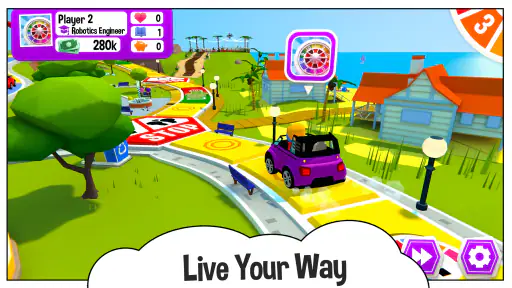
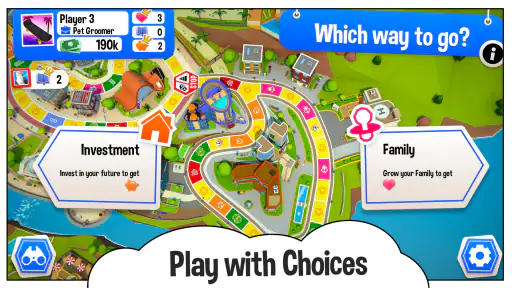
Analysis by Reviewed
I enjoy digital board games most when they turn a few familiar choices into a relaxed evening, and The Game of Life 2 is built for that kind of play. It takes the life-path idea into a colorful, turn-based game where career, education, family, and money shape the story of a round. I find it easiest to enjoy when nobody expects a serious simulation: the appeal is seeing how a handful of choices and chance can send players in different directions.
Who will enjoy this kind of evening?
It suits households and friend groups who like talking through playful decisions as they come up. A parent and child can compare the routes they choose, while friends can turn the finish into a lighthearted contest without needing to know a complicated set of rules. The age rating is Everyone, although I’d still choose a group activity based on the people playing, not the rating alone. Younger players may enjoy the bright presentation and simple life-path premise; adults can add their own running commentary about the absurd turns a game can take.
A realistic use case is a weekend visit when everyone wants to play something together but nobody feels like setting up a full tabletop game. One person can get the session started on a phone or tablet, and the group can follow the turns and react to each other’s choices. It is less suited to a short break when you may need to put the device down at any moment: the fun comes from following a round, not merely opening the app for a few seconds.
Choosing a direction instead of chasing a perfect run
One useful way to keep repeat games fresh is to choose a loose theme before starting. I might decide to favor education in one round, then take a very different approach the next time. This gives each playthrough a simple purpose without turning every decision into a calculation. It also helps when playing with someone who is less competitive: the goal can be to see where a particular path leads rather than to prove that one player made the “correct” choices.
That approach makes the game’s chance element easier to accept. If a turn sends a plan in another direction, I can treat the detour as part of that round’s story, rather than a mistake that needs to be corrected. Players who enjoy planning every move may see that as a limitation, but people who like comparing different outcomes are more likely to find it charming. The game offers a theme to explore, not a dependable way to engineer one ideal ending.
What the purchase gets you
This is a paid board game from Marmalade Game Studio, priced at $4.99, with optional in-app purchases ranging from $0.99 to $34.99 per item. That distinction matters: the initial purchase is not the same thing as a free download with a low-cost entry point, and the optional purchases are a separate spending decision. I’d decide whether the base game suits my group before considering anything extra, rather than treating add-ons as necessary to enjoy a round.
The game is rated for Everyone. It has a 4.6 average from around 18,000 ratings, and has passed 500,000 installs. Those figures suggest it has found a substantial audience, but they don’t tell me whether a particular group will enjoy its pace or the way its choices work. I’d treat them as useful context, not a guarantee of a perfect fit.
More From Our News Desk

Clash of Clans Is Won Between the Battles

Android Auto Makes the Case for Quieter Car Software

MobiOffice: Transforming Mobile Productivity with Seamless Integration

EA SPORTS FC™ Mobile Soccer: Redefining Mobile Sports Gaming

How Microsoft OneDrive Became a Mobile Productivity Giant

How Google Translate Breaks Language Barriers Effortlessly
Setting Out on a New Adventure
From the moment I fired up The Game of Life 2, I was instantly drawn in by its vibrant graphics and playful soundtrack. If you’ve played the original version, you’ll feel a wave of nostalgia, but this time with a modern twist. The game offers a fresh perspective on the classic game, with updated features that make it feel new and exciting.
Choices, Choices, and More Choices
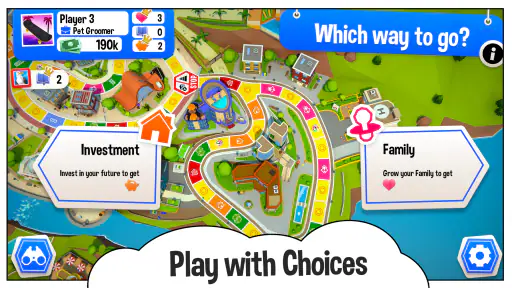
What I love about this game is the multitude of choices you can make. Right from picking your career to choosing to go back to school or start a family, every decision has its own set of consequences. Want to be a brain surgeon or a video blogger? The choice is yours! And let me tell you, each path is as entertaining as the last. The game does a fantastic job of simulating life’s unpredictability in a fun and engaging way.
For me, the most useful way to approach those decisions is to pick a direction for the round instead of trying to optimize every turn. If I want to experiment with a different career or family path, I can use the next game to do that rather than forcing every choice to serve one perfect outcome. That makes replaying feel like a change of plan, not just another attempt to chase the same finish.
Progress, pressure, and who should play
A typical evening use is a casual game with family or friends when there’s time to sit together and follow a full board-game session. The turns give people room to react to one another’s choices, so it works better as a shared activity than as a quick distraction between errands. The solo option is more suitable when I want to explore the choices at my own pace, though it won’t provide the social back-and-forth that makes multiplayer lively.
The game suits players who like light strategy, playful life choices, and a little friendly comparison at the finish. It is less appealing if you want a deep competitive board game where every outcome comes primarily from careful planning. Chance and the game’s built-in structure are part of the experience, so a player who dislikes unpredictable results may find the competition frustrating rather than funny.
Play with Friends or Go Solo
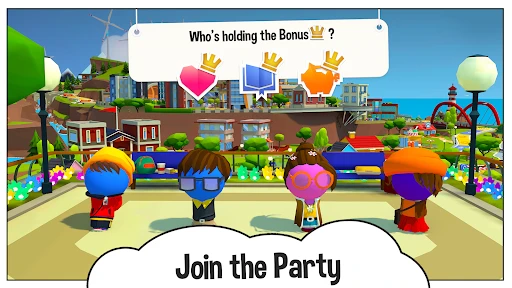
One of the standout features of The Game of Life 2 is its multiplayer mode. You can play with friends or family, which really ramps up the excitement and competition. There’s nothing quite like seeing who ends up with the most wealth or the happiest family by the end of the game. If you prefer a more solitary experience, the solo mode is just as enjoyable, allowing you to take your time and strategize your life choices without any pressure.
Compared with a classic tabletop board game, the digital version avoids setting up and moving physical pieces, which is handy when the group wants to start promptly. A tabletop copy may be a better fit if you enjoy handling pieces, sharing a board in person, or want a game that doesn’t depend on a phone or tablet. Against simpler mobile board games, this one offers a more involved life-path theme, but that also means it asks for more attention than a very short, low-commitment game.
Fairness and the things to weigh
When I’m judging fairness, I separate the shared race through the board from optional spending. The purchase and in-app purchase price ranges are clear, but I can’t establish from those facts whether any paid items affect competitive balance, change available choices, or are purely cosmetic. I wouldn’t assume either way. If spending matters to your group, agree beforehand that nobody needs to buy anything during a shared session; that keeps the conversation focused on the game rather than surprise purchases.
There is also a practical trade-off in the theme itself. The choices make the round feel personal, but the game is still a playful board-game interpretation of life, not a realistic account of how careers, education, or family decisions work. I’d avoid reading its outcomes as advice. Its strength is giving players amusing routes to compare, not modeling real-world success or fairness.
Visuals and User Experience
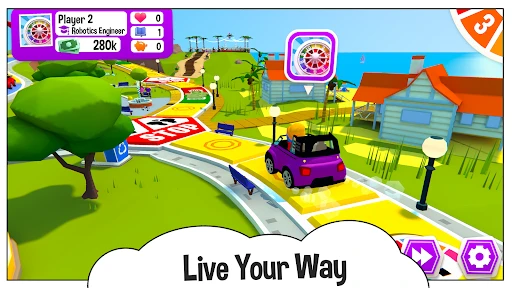
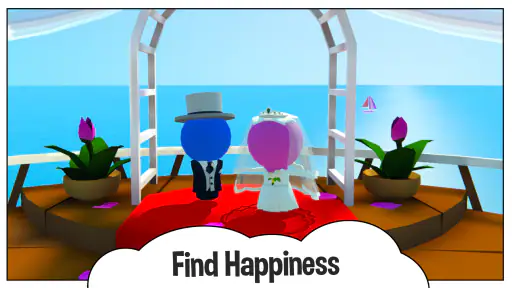
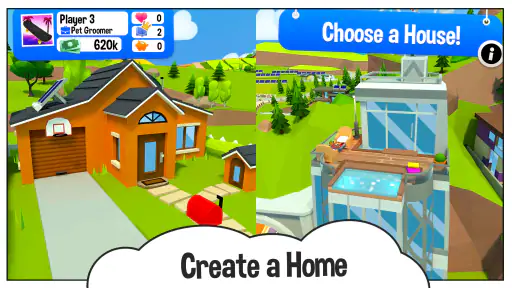
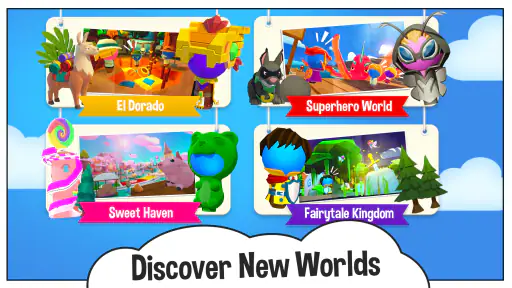
The developers have really outdone themselves with the visual appeal of this game. The board is colorful and detailed, and the animations are smooth, making for a delightful gaming experience. The interface is intuitive, so even if you’re new to the game, you’ll find it easy to navigate through the different options and features.
It is listed at version 0.6.2 and requires Android 6.0 or later, details worth checking against a device before paying. The game was released on July 15, 2020, and has a substantial history as a mobile title, but release age alone does not tell me how it will run on a specific handset. I’d also check that the person hosting a group session is comfortable with the device and setup before everyone gathers; that small bit of planning avoids spending the evening troubleshooting instead of playing.
Replay Value is another aspect where this game shines. With so many different paths to take and outcomes to discover, you’ll find yourself coming back for more, eager to see what new life you can create each time. Whether you’re aiming for a high-powered career or a peaceful family life, the possibilities are endless.
What I’d want to know before playing
If you’re wondering whether it works for a group or for solo play, both are part of the experience described here, but the social version is the stronger choice when conversation and friendly rivalry are the point. If you’re asking whether optional purchases are required, they are separate from the $4.99 purchase; whether particular items influence a match is not something I can establish, so I’d avoid assuming they do or don’t. And if you’re choosing between this and a physical board game, the deciding question is whether convenience and animated presentation matter more to you than handling a shared tabletop set.
My practical tip is to agree on the evening’s expectations first: play for laughs and varied life paths, not as a test of who can outthink everyone else. That makes an unlucky turn easier to shrug off and helps younger or less competitive players stay involved. For a group that wants strategic control above all, I’d pick a different board game; for a family or friends who enjoy the familiar life journey in an easy-to-follow digital format, this one is a more natural fit.
When another game is the better choice
The main decision is not whether the mobile version is better than every board game, but what kind of shared time you want. If your group likes the tactile ritual of laying out a board, passing pieces, and keeping the device away from the table, a physical game will feel more sociable. If you want to avoid setup and prefer the game to handle the board’s presentation, this digital version has the practical edge. A quick card game is a better alternative when people are arriving and leaving at different times, while a more tactical board game is a better match for players who want skill to dominate chance.
It is also worth thinking about who will control the device and how everyone will take part. In a group setting, a shared screen can make the session easy to follow, but it can also make the host responsible for keeping the game moving. I’d settle that before play begins, especially with a mixed-age group: one person can handle the device while everyone else discusses choices and reacts. That small arrangement can keep the social energy on the players rather than on passing a phone around at every turn.
Spending, uncertainty, and trust
The clearest way to manage spending is to treat the purchase as the entry decision and the optional items as a separate matter. The listed in-app purchase range is broad, but price alone does not explain what an item does or whether it changes a match. I wouldn’t claim that purchases make play unfair, nor would I promise that they have no effect. If you are buying for a child or planning a family session, review the purchase options together and set a simple rule about extra spending before opening the game.
There are other practical questions I would answer before a planned group night. Check that the device meets the stated Android requirement, and make sure the person hosting is comfortable navigating the game. If you are deciding whether to buy it for someone else, think about whether they enjoy longer, turn-based play and the life-choice theme; the ratings and install count can show that others have chosen it, but they cannot predict that person’s taste. Those checks are more useful than assuming a popular title will suit every player.
My trust verdict is measured rather than unconditional. The price and optional-purchase range make the spending structure understandable at a glance, and the game’s appeal is easy to explain: it turns life-path choices into a social board-game session. The parts I would not overstate are competitive balance around paid items and performance on a particular device. For a group that wants a light, animated game and accepts chance as part of the fun, it is a sensible pick; for players who need transparent competitive balance or tight strategic control, I’d choose something else.
In conclusion, The Game of Life 2 is an incredible way to experience life’s ups and downs in a fun, interactive format. It’s perfect for those who enjoy strategy games or simply want a light-hearted way to pass the time. So why not give it a spin? You might just discover a new path you’ve never considered before. Trust me, it’s a ride worth taking!
The Game of Life 2 Frequently Asked Questions
Can I play The Game of Life 2 without an internet connection?
The Game of Life 2 is a digital board game, but its multiplayer options involve playing online with other people. If you mainly want to play by yourself, the game also includes a single-player mode against AI. Check the game’s current requirements and options on your platform before downloading if offline play is important to you.
How many players can join a game of The Game of Life 2?
The Game of Life 2 is designed for shared play as well as solo games against AI, making it suitable for a family game session or a match with friends. You can also use its online multiplayer mode to connect with people elsewhere. If you have a particular group size in mind, review the game’s current details on your platform before downloading.
Who develops The Game of Life 2, and what kind of game is it?
The Game of Life 2 is a board game developed by Marmalade Game Studio. It brings Hasbro’s classic family board game to mobile as a digital sequel, combining a familiar board-game format with a modernized take on life choices. If you enjoy turn-based board games with friends, family, or AI opponents, its style may be a good fit.
How much storage space should I have available before downloading The Game of Life 2?
It’s sensible to check that your device has room for the game and its updates before downloading. The Game of Life 2 is a digital board game from Marmalade Game Studio, and keeping some additional free space can help avoid problems during installation. The amount required can vary by device, so check the download page on your platform for its current size.
What operating system does The Game of Life 2 require?
The Game of Life 2 requires Android 6.0 or later on Android devices. Before downloading, check your device’s software version and make sure it meets that minimum requirement. The game is also available for iOS, so iPhone and iPad users should check its listing in the Apple App Store for compatibility with their particular device.
Pros
- Visually stunning graphics enhance gameplay.
- Multiple game modes suit different preferences.
- Interactive tutorials for new players.
- Regular updates keep content fresh.
- Supports multiplayer for social gaming.
Cons
- In-app purchases can be expensive.
- Requires a constant internet connection.
- Limited customization options.
- Some features locked behind paywall.
- Occasional bugs disrupt experience.
- Category
- Board
- Version
- 0.6.2