League of Legends: Wild Rift
- 31.05K
- 3.3
- Installs
- 50.00M
- Price
- Free

Screenshots






Analysis by Reviewed
I approach a mobile MOBA differently from a quick puzzle or an idle game: I want a clear reason to improve, but I also need each match to fit around real life. League of Legends: Wild Rift is a strategy game from Riot Games, Inc that puts team decisions and direct combat at the center. It is free to play, rated Teen, and has drawn more than 50 million installs. Its average rating is 3.3 from around 2.4 million ratings, which gives a useful reminder that a large audience does not mean the game suits everyone.
What gives a new player a reason to return
My first useful goal would not be to master the whole roster. I’d pick one champion whose role makes sense to me, then learn what I can contribute in a match: protecting a teammate, pressuring an opponent, or helping the team take an opening. That small focus makes early games less bewildering. The game’s appeal is not simply choosing a favorite character; it is learning how that choice fits into a five-player plan.
For someone trying it after work or during a quiet evening, I’d treat a match as a deliberate activity rather than something to start while waiting in a queue or doing chores. A match asks for attention from the opening decisions through the final push, and teammates depend on one another. If I only have a few minutes or might need to put my phone down unexpectedly, I’d save the game for later instead of risking a distracted session.
Progress that comes from understanding the match
The most satisfying progress is often a better decision, not a flashy result. I might notice that I keep taking a fight without support, or that I’m leaving a teammate exposed while chasing an opponent. In the next game, changing that one habit gives me a practical goal to work on. Watching how different roles affect the same encounter can also make champion selection feel more meaningful than simply picking whoever looks strongest.
Wild Rift is a better fit for players who enjoy learning through repeated team matches than for anyone seeking a solo campaign with a fixed ending. Compared with a casual action game, it asks for more planning and makes the outcome depend on several people; compared with a slower strategy game, decisions happen amid active combat rather than on a quiet board. That combination is its distinctive draw, but it also means that a losing match can feel frustrating even when I’m trying to improve.
Challenge, spending, and the right expectations
There is a real learning curve in following opponents, understanding what a champion can do, and choosing when to join a fight. I would not judge my ability from one rough match. A more useful habit is to pick a single lesson afterward, such as noticing when a fight started or whether I was in a position to help, then carry that into the next game. This keeps improvement manageable without pretending every setback is avoidable.
The game is free, while in-app purchases range from $0.99 to $99.99 per item. I’d decide what I want from it before spending: if my main interest is tactical play, I can start without treating purchases as a requirement. Skins can add a personal touch, but they do not replace learning how to work with a team. The Teen rating is also worth considering for younger players and families choosing a game together.
More From Our News Desk

Weather by Xiaomi Review: Clear at a Glance, Less Clear Up Close

X Under Pressure: Can It Recover When Posting Goes Wrong?

Clash of Clans Is Won Between the Battles

Android Auto Makes the Case for Quieter Car Software

MobiOffice: Transforming Mobile Productivity with Seamless Integration

EA SPORTS FC™ Mobile Soccer: Redefining Mobile Sports Gaming
Getting Into the Rift
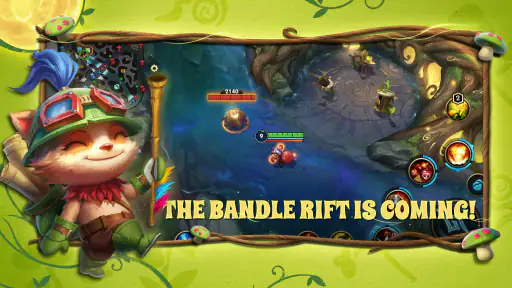
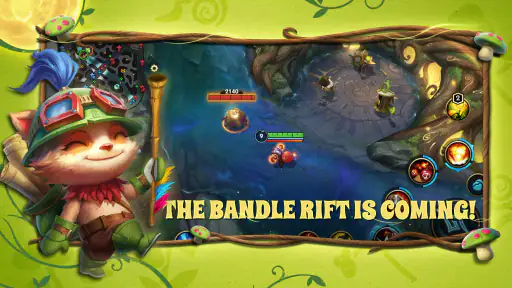
The first thing you’ll notice when you launch League of Legends: Wild Rift is how smooth and vibrant the graphics are. It’s like the PC version but optimized for mobile, which is a win-win situation. The game has been beautifully crafted to fit smartphone screens without losing the rich detail that makes the original game so appealing. The controls are intuitive, making it easy for both seasoned players and newcomers to get the hang of it quickly.
Gameplay and Features
What I love about Wild Rift is its fast-paced gameplay. Each match lasts around 15-20 minutes, which is perfect for a quick gaming session on the go. The champions are well-balanced, and there’s a good mix of roles to choose from, whether you prefer to be a tank, support, or carry your team to victory. The game also offers a variety of modes, including ranked matches for those who thrive on competition and casual modes for a laid-back experience.
One of the standout features is the map, which has been slightly modified to suit mobile devices. It’s still the classic Summoner’s Rift, but with tweaks that enhance the mobile gaming experience. Plus, there’s the added bonus of being able to customize your champion with skins, which, let’s be honest, is one of the fun parts of the game!
The Community and Strategy
Another aspect worth mentioning is the community. Being part of a team and strategizing with other players is at the core of what makes Wild Rift so engaging. Whether you’re coordinating a gank or planning a last-minute push, communication is key, and the built-in chat features make it relatively easy. Of course, like any online game, you’re bound to encounter a few trolls, but hey, it’s all part of the gaming experience, right?
Strategically, the game challenges you to think on your feet. Understanding each champion’s strengths and weaknesses is crucial to mastering the game. Whether you’re a fan of sneaky assassins or powerful mages, there’s a playstyle for everyone. The game encourages you to experiment with different champions and find the one that suits your style best.
Choosing a learning path that fits
If I were helping a friend start, I’d suggest treating early matches as observation practice as much as competition. Rather than trying to memorize every champion at once, I’d watch for what happens when an opponent commits to a fight: who is nearby, which teammate can respond, and whether the team gains anything from chasing. Those questions are useful even before the names and abilities become familiar. They turn a confusing loss into something specific to learn from.
There is also a practical reason to settle on a role before judging the game. A player who likes protecting teammates may find the experience very different from someone who wants to lead the damage, and a champion that feels awkward in one role may not represent the whole game. I’d make a few focused attempts before switching repeatedly. The trade-off is that this can feel slower at first, but it makes it easier to tell whether the strategic loop itself is enjoyable.
For an everyday example, imagine having a free evening and enough time to pay attention, but not enough energy for a long story-driven game. I’d choose one champion I already understand, play a match, then take a short break to think about one turning point. That routine gives the next session a clear purpose without turning leisure into homework. If I’m tired, distracted, or likely to be interrupted, I’d choose something that can be paused; leaving a team match midway is a poor fit for both me and the other players.
What to expect from the controls and pace
Touch controls make the game portable, but they still ask for practice. On a phone, the screen is doing a lot of work: showing the team fight, keeping track of opponents, and letting me choose where to move and act. I wouldn’t assume that familiarity with the PC version translates instantly into comfortable mobile play. A little patience with the controls is a better start than jumping straight into a highly competitive mindset and blaming every mistake on the interface.
The shorter mobile format is appealing when I want a focused session, but it does not make the game casual in the sense of being consequence-free. A match still has a beginning, a developing team plan, and an ending that depends on several players. That is why I see it as a good option for a planned break, not a reliable filler for a moment when I may have to stop at any time. Players looking for independent progress at their own pace may be happier with a solo strategy game.
How I’d fit it into a routine
One practical trade-off is that a phone makes the game easy to carry, but it does not make a match easy to interrupt. I’d play somewhere with a stable connection and enough battery, and I’d avoid starting just before an appointment. If I’m trying it on a smaller screen, I’d give myself time to get comfortable with the touch controls before choosing a high-pressure match; familiarity matters more than rushing into competition.
For a friend who already likes tactical team games, I’d suggest trying a few matches with one role in mind rather than changing champions every time a game goes badly. That makes it easier to tell whether the role suits them and whether a mistake came from positioning, timing, or unfamiliarity. If what they want is a relaxed game that can be paused at any moment, I’d point them toward a different kind of mobile game instead.
How the challenge holds up
Wild Rift’s competition can be motivating because the same basic map and team structure leave room to make different choices from match to match. Still, the social side is a genuine trade-off: coordination can make a good plan click, while silence or unhelpful chat can make teamwork harder. I’d keep communication focused on useful calls and avoid letting one unpleasant exchange define the whole experience.
The game first arrived on March 28, 2021, and its current version is 5.3.0.8296, with Android 6.0 as the minimum operating system. Its large rating count and 31,000 reviews suggest plenty of people have tried it, but I’d use my own first sessions to judge whether its pace, touch controls, and team dependence work for me. A strategy game can be popular and still be the wrong fit for someone who prefers predictable solo progress.
When another kind of game is the better choice
Against other mobile MOBAs, the main appeal here is the familiar champion-and-team structure shaped for phone play; I’d choose it when I want active coordination rather than a self-contained single-player challenge. The same team format is also its largest commitment. A match can be affected by decisions I don’t control, so players who want every result to reflect only their own planning may prefer a turn-based strategy game or a solo campaign instead.
I’d also be selective about when I play with friends. A group can make teamwork more rewarding because people can discuss a plan and respond to one another, but playing together does not guarantee that every match will go smoothly. If a friend is new, I’d agree on a simple shared objective rather than expecting them to know the whole roster. That keeps the first sessions welcoming and gives everyone a way to contribute while they learn.
Keeping progress enjoyable
One useful way to avoid feeling stuck is to separate learning from winning. I can decide that a session is about better positioning or recognizing when a teammate needs help, then treat the result as only one part of the experience. That does not remove the sting of a loss, but it gives me something I can carry forward. It also helps me notice when I’m repeating a habit instead of blaming every setback on a champion choice or a teammate.
There is a limit to that approach: improvement takes attention, and not every evening is the right time to analyze a match. If I’m playing only to unwind, I’d keep expectations modest and avoid turning every outcome into a verdict on my skill. If I find myself frustrated by the team dependency or the need to stay focused for a complete match, taking a break—or choosing a game with a more forgiving pace—is sensible, not a failure to appreciate the genre.
Final Thoughts
In conclusion, if you’re looking for a mobile game that combines strategy, teamwork, and a bit of action, League of Legends: Wild Rift might just be the perfect fit. It captures the essence of the original game while adding its own unique flair. Whether you’re a die-hard LoL fan or new to the MOBA scene, Wild Rift offers something for everyone. So, grab your phone, download the game, and I’ll see you on the Rift!
Happy gaming!
League of Legends: Wild Rift Frequently Asked Questions
Who developed League of Legends: Wild Rift?
League of Legends: Wild Rift is developed by Riot Games, Inc. It brings the League of Legends name to a mobile strategy game centered on team-based 5v5 battles. If you already know the franchise, the mobile version may feel familiar in its champions and competitive format; if you are new to it, expect to learn how its matches and strategic choices work as you play.
How much storage space does League of Legends: Wild Rift require?
Before downloading, make sure your device has enough free storage for the game and any files needed to install and run it. The amount of space an app uses can change as it is updated, so it is sensible to check the available storage on your device before starting the download. Keeping some room free can also help avoid installation interruptions.
What is the current version of League of Legends: Wild Rift?
The current version of League of Legends: Wild Rift is 5.3.0.8296. Checking that your device can run this version is useful before downloading, particularly if you are considering installing the game on an older phone or tablet. The game is updated over time, so the version shown on your device may change as newer releases become available.
Is League of Legends: Wild Rift suitable for someone new to MOBAs?
Wild Rift is a strategy game built around team-based 5v5 battles, so newcomers should be ready to learn its objectives, champions, and match flow as they play. Its mobile controls are designed for touchscreens, but the strategic choices and coordination can take practice. If you enjoy learning a competitive game over time, it can be a rewarding place to start.
What is League of Legends: Wild Rift?
League of Legends: Wild Rift is a mobile adaptation of the popular PC game League of Legends. This multiplayer online battle arena (MOBA) game has been tailored for mobile devices with touch controls, offering a similar 5v5 gameplay experience. It includes familiar champions and fast-paced matches, designed to be completed in around 15 to 20 minutes.
Pros
- Stunning graphics and smooth animations
- Engaging and competitive gameplay
- Wide variety of champions to choose from
- Regular updates and events keep it fresh
- Cross-platform play with friends
Cons
- Matches can last longer than expected
- Requires stable internet connection
- High battery consumption on mobile
- Steep learning curve for new players
- In-app purchases can be costly
- Category
- Strategy
- Version
- 5.3.0.8296