Icebound Secrets: Lost City
- 20.00
- 4.4
- Installs
- 10.00K
- Price
- Free

Screenshots

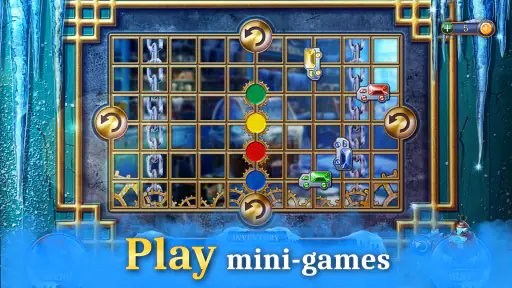
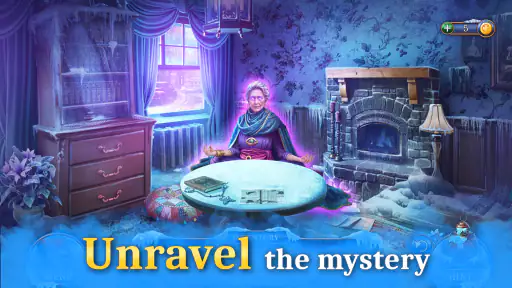
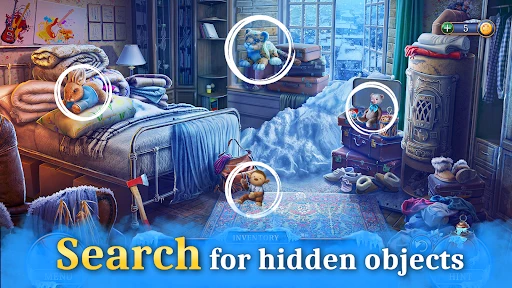
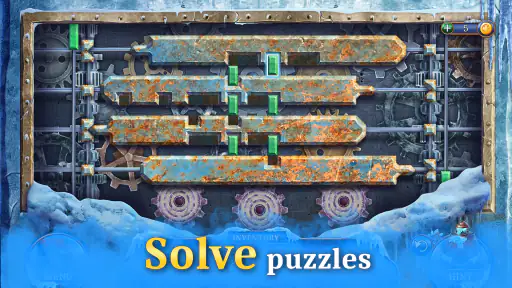

Analysis by Reviewed
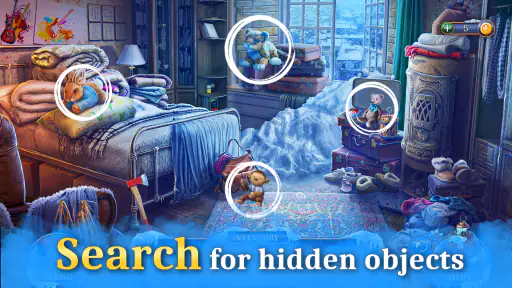
I’d decide whether to try Icebound Secrets: Lost City by asking what I want from a game session. This adventure is about exploring a frozen mystery, searching for objects, and solving puzzles, so it makes the most sense when I’m ready to look closely and think. It is a weaker fit if I want fast action, competitive play, or something I can enjoy without stopping to work things out. The setting may catch my eye, but the real question is whether following clues feels satisfying to me.
Choosing the right kind of play
I can picture opening it after dinner, playing through a stretch, and leaving the next puzzle for another day. The mystery gives me a reason to continue, while the hidden-object format offers a more deliberate change of pace from quick reflex games. If I’m somewhere noisy or have only a few distracted minutes, though, carefully searching a scene may feel like a task rather than a break. I’d save it for a moment when I can give the details my attention.
A useful way to approach each scene is to scan it methodically instead of tapping at random. I start around the edges, then check places where objects overlap or blend into the icy surroundings. If a puzzle stalls me, I take a pause and return with fresh eyes rather than repeating the same guesses. That simple habit matters in this kind of adventure: careful observation is part of the challenge, and rushing can make a manageable scene feel frustrating.
How it compares with other adventures
Compared with action-led adventures, this one puts more emphasis on searching, puzzles, and atmosphere than on quick reactions. Compared with a straightforward hidden-object game, its mystery gives those searches a larger narrative purpose. I’d choose it when I want the satisfaction of uncovering a place piece by piece; I’d choose a faster adventure for constant movement, or a more open-ended game if I wanted to set my own route instead of following a mystery forward.
That focused structure has a trade-off. Players who enjoy examining scenes and working through a sequence of challenges may find the pacing absorbing, but anyone who dislikes getting stuck on a puzzle could lose momentum. The time a scene takes will depend on how quickly its clues stand out to me, so I wouldn’t expect every session to move at the same pace. Treating a difficult moment as a natural stopping point, rather than forcing progress, is a sensible way to keep the experience enjoyable.
A Frozen Mystery to Explore
The premise places me in a mysterious frozen city, where discoveries lead further into an unfolding mystery. The story gives the searches a purpose beyond finding objects for their own sake, and that connection is important to the game’s appeal. I’m more likely to stay curious when each new clue feels like part of a larger question. The wintry setting supports that mood, although the game’s strongest draw for me is the combination of atmosphere and investigation, not simply the cold scenery.
What the puzzle rhythm asks of you
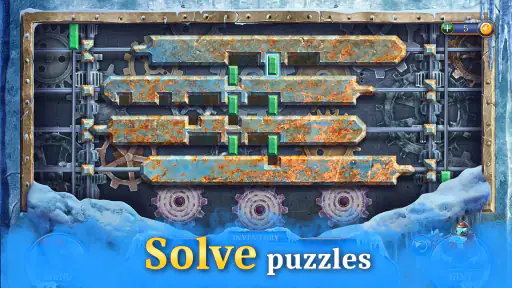
The main commitment is attention. Hidden-object scenes reward a deliberate look around, while the puzzles ask me to shift from spotting details to considering how a clue might fit. I’d avoid playing while multitasking if I wanted the story and challenges to land; missing a visual detail can turn a short pause into an unnecessarily long search. A comfortable routine is to finish one scene or puzzle at a time, then stop rather than opening the game out of habit when I can’t focus.
More From Our News Desk

Weather by Xiaomi Review: Clear at a Glance, Less Clear Up Close

X Under Pressure: Can It Recover When Posting Goes Wrong?

Clash of Clans Is Won Between the Battles

Android Auto Makes the Case for Quieter Car Software

MobiOffice: Transforming Mobile Productivity with Seamless Integration

EA SPORTS FC™ Mobile Soccer: Redefining Mobile Sports Gaming
There is a practical difference between being briefly stuck and being in the wrong mood for this game. If I can’t see a clue, stepping away may help; if I simply don’t enjoy looking carefully in the first place, more time is unlikely to change that. I’d use the opening stretch as a test of the core activity, not just the story. The key question is whether I enjoy the process of observing and reasoning, even when the answer isn’t immediate.
Making a session feel less frustrating
When I revisit a scene, I try to change my search pattern rather than staring at the same center area. I check the margins, look for shapes that interrupt a repeated texture, and give crowded sections a slower pass. This is not a shortcut that guarantees an answer; it is a way to make searching more systematic. It also helps me tell whether I overlooked something or whether I’m simply ready for a break.
I’d also resist turning every puzzle into a test of persistence. If I’m making the same guesses without learning anything, a short pause is more useful than tapping faster. That approach suits a story-led game especially well, because frustration can make the atmosphere feel like an obstacle instead of part of the appeal. For a brief commute or waiting room visit, I’d only start if I’m comfortable leaving a challenge unfinished when my time runs out.
Who is likely to enjoy the setting
This is a good candidate for players who like atmospheric mysteries and prefer observation to reflex tests. It may also suit someone who wants a solo activity that can be enjoyed in measured sessions, without needing to compete with other players. I’d be less likely to recommend it to a friend who mainly plays for combat, rapid movement, or a large world to roam freely. The frozen-city premise sets a mood, but it doesn’t change the fact that the central activity is careful searching and puzzle-solving.
It is also worth considering how you respond to a guided mystery. Some players enjoy having a clear narrative thread that gives each discovery context; others want the freedom to choose what to explore and when. I’d put this game in the first group. If I want to invent my own goals or wander without a defined sequence, a sandbox-style adventure would be a better match. If I want a reason to inspect each scene, the mystery provides one.
Where other game styles may fit better
Among the usual alternatives, an action adventure is a better choice when I want movement and quick decisions to carry most of the session. A casual hidden-object title may suit me if I only want to scan scenes and don’t care about following a larger mystery. A story-focused puzzle game may work better if I prefer reasoning challenges over visual searches. These are differences in emphasis rather than a verdict that one style is better: the right choice depends on whether I want to look, solve, explore, or react.
The trade-off here is that the same focused design that makes the game easy to understand can feel limiting if I want variety from one moment to the next. I shouldn’t expect the appeal to come from competitive systems or free-form exploration. Instead, I’d judge it by how well its scenes and puzzles keep me interested in the mystery. If that loop isn’t enjoyable, switching to a game built around a different activity makes more sense than trying to force a fit.
Keeping the experience comfortable
A practical tip is to play when I can concentrate on the screen rather than treating it as background entertainment. Hidden-object games can be easy to underestimate: they may look relaxing, but finding small details takes active attention. I’d use a short, quiet break to complete a clear stretch, and avoid starting a tricky puzzle when I know I’ll need to stop almost immediately. That makes it easier to return later without feeling that the game has turned a spare moment into a chore.
Another useful decision is to set a personal stopping point before I begin. I might aim to finish the current scene, rather than telling myself I’ll keep playing until I reach a particular story moment. That keeps a session flexible and reduces the temptation to spend extra time when I’m no longer enjoying the search. It’s especially helpful for anyone who wants a casual game but tends to push through a challenge simply because they have already started it.
The Chilling Premise
Imagine being thrown into a mysterious frozen city, where every corner holds a new secret and each discovery leads you further into the unknown. That's the premise of Icebound Secrets: Lost City. The game kicks off with you, the protagonist, on a mission to uncover the hidden truths buried beneath layers of ice. The narrative is rich and engaging, with enough twists and turns to keep you on your toes. Trust me, you won't want to put it down.
Gameplay and Features
Now, let’s talk gameplay. The controls are smooth and intuitive, allowing even the most casual gamers to dive right in. You navigate through beautifully designed landscapes, solving puzzles that range from easy-peasy to downright mind-boggling. The level of thought put into each puzzle is impressive, and the satisfaction of cracking them is unparalleled.
One of the coolest features is the game's dynamic weather system. The changing weather not only adds to the realism but also affects gameplay, forcing you to adapt your strategies. It's not just about surviving the elements; it's about mastering them.
Visuals That Captivate
Visually, the game is a masterpiece. The developers have done an incredible job in crafting a world that's as beautiful as it is eerie. The graphics are crisp, with attention to detail that makes every scene pop. Whether it's the shimmering ice or the haunting shadows, the visual storytelling is top-notch.
Soundtrack and Audio
Let’s not forget the audio aspect. The soundtrack is hauntingly beautiful, perfectly complementing the game's atmosphere. Each sound, from the crunch of footsteps on snow to the distant howl of the wind, is meticulously crafted to enhance the immersive experience.
Practical details before you start
The game is free to download, though optional in-app purchases range from $2.49 to $19.99 per item. I’d begin without spending: first see whether the searching and puzzle rhythm suits you, then decide if any purchase feels worthwhile. The Teen age rating is also worth checking if you’re choosing a game for a younger player. It’s developed by Elephant Games AR LLC, and the current version is 6.11.3; the minimum OS requirement is 7.1, so I’d check device compatibility before setting aside time to play.
Its average rating is 4.4 from around 519 ratings, with 20 reviews and over 10K installs. Those figures suggest it has found an audience, but they can’t tell me whether its particular mix of mystery and puzzle-solving matches my taste. It was released on November 18, 2024, which gives a little context for the version history without changing the basic decision: the best test is whether I enjoy the opening stretch and its pace.
Who should choose it—and who should pass
I’d recommend giving it a try if you like atmospheric settings, hidden-object searches, and puzzles that reward patience. It’s also a reasonable pick when you want a story-led game that doesn’t depend on competitive skill. I’d pass if I’m looking for a high-speed challenge, free-form exploration, or a game that never asks me to stop and inspect a scene. If I usually abandon puzzle games when progress slows, I’d keep my expectations modest and treat it as an occasional change of pace rather than a new daily habit.
For me, the decision comes down to whether the frozen-city mystery is enough to make careful searching feel rewarding. The free entry point makes it easy to test that fit, while the optional purchases are a reason to avoid spending until I know I want more. Icebound Secrets: Lost City is best approached as a measured, atmospheric puzzle adventure: a good companion for a calm evening, but not the right choice when I want speed, open-ended freedom, or uninterrupted action.
Icebound Secrets: Lost City Frequently Asked Questions
What kind of game is Icebound Secrets: Lost City?
Icebound Secrets: Lost City is an adventure game built around searching for hidden objects and solving puzzles. Its mystery takes players to Frostwood, where exploration and clue-finding help drive the story forward. The game’s focus makes it a fit for players who enjoy taking their time with a puzzle adventure rather than relying on fast-paced action.
Is Icebound Secrets: Lost City free to download, and what does it cost to play?
Icebound Secrets: Lost City is free to download, so you can start playing without an upfront purchase. It also offers optional in-app purchases, with items priced from $2.49 to $19.99. Those purchases are worth keeping in mind before downloading, especially if you prefer to avoid extra spending; the game can still be tried without buying them.
What is the main storyline of Icebound Secrets: Lost City?
Icebound Secrets: Lost City immerses players in a captivating narrative where they must explore a mysterious frozen city lost in time. As players navigate through icy landscapes, they uncover ancient secrets, solve challenging puzzles, and piece together the history that led to the city's demise. The game combines adventure, mystery, and strategy to keep players engaged.
What platforms is Icebound Secrets: Lost City available on?
Icebound Secrets: Lost City is available on both Android and iOS platforms. Users can download the game from the Google Play Store or the Apple App Store. The game is optimized for mobile devices, ensuring smooth gameplay and stunning graphics on a variety of smartphones and tablets.
Are there in-app purchases in Icebound Secrets: Lost City?
Yes, Icebound Secrets: Lost City offers in-app purchases. While the game is free to download and play, players have the option to purchase additional items, hints, or unlock certain levels. These purchases can enhance the gaming experience but are not necessary to complete the game. Players can enjoy the full storyline without spending money.
Pros
- Stunning graphics and immersive environment
- Engaging storyline with unexpected twists
- Challenging puzzles and quests
- User-friendly interface and controls
- Regular updates with new content
Cons
- Requires constant internet connection
- High battery consumption
- In-app purchases can be expensive
- Limited offline gameplay features
- Occasional glitches and bugs
- Category
- Adventure
- Version
- 6.11.3