Honkai: Star Rail
- 10.28K
- 4.1
- Installs
- 10.00M
- Price
- Free

Screenshots
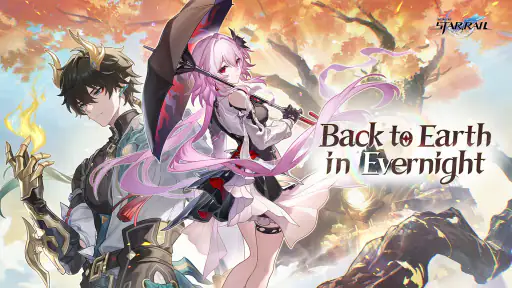
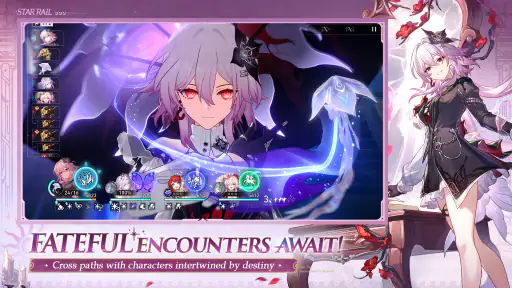
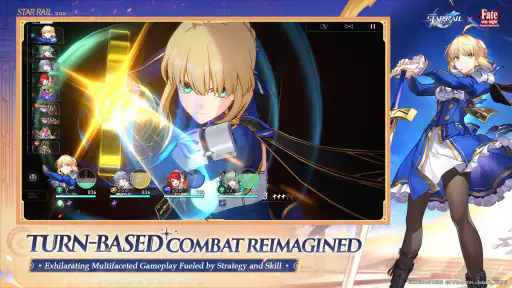
Analysis by Reviewed
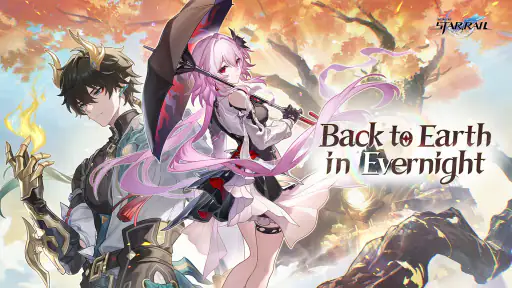
I recently got my hands on Honkai: Star Rail, and let me tell you, it's been a cosmic journey like no other! If you're into RPGs and crave the thrill of interstellar adventures, this game is definitely worth checking out. Developed by miHoYo, the same creative minds behind Genshin Impact, this game promises an epic experience, and boy, does it deliver!
Cost and what you can try for free
The game is free to download, so you can try its story, exploration, and turn-based battles without paying an upfront price. That makes it easier to see whether the pacing and style suit you before deciding whether to spend anything. Optional in-app purchases range from $0.99 to $99.99 per item, so I’d treat spending as a personal choice rather than a requirement for giving the game a fair try.
It’s worth separating access from value: free access does not automatically mean every optional purchase is worthwhile for every player. I recommend starting without buying anything, learning how the team-building and combat feel, and setting a spending limit if you later decide to make a purchase. If you prefer games with one clear purchase price and no in-app store, this model may be a reason to choose a different RPG.
How the free-to-play model shapes value
For me, the sensible way to judge the game is to ask whether its story, battles, and exploration hold my attention before I consider spending. The free entry point lowers the risk of trying it, but it does not make every later purchase automatically good value. I would only pay if I knew what I wanted from the purchase and was comfortable with the cost; otherwise, I’d keep playing without treating payment as a milestone.
That distinction matters especially for anyone who tends to spend impulsively in games. A useful personal rule is to pause before buying, decide on a limit in advance, and avoid letting a difficult battle or a favorite character turn into pressure to spend. The purchase range is broad, so I would check the exact item and amount each time rather than assume all optional spending is small or comparable.
If you want to avoid in-app purchases entirely, you can still assess whether the experience suits you at no upfront cost. If your main requirement is a single payment that unlocks a complete game, though, this is a different kind of deal. I’d compare it with a paid, self-contained RPG instead of assuming the free download is equivalent to owning a finished package with no further store decisions.
Embarking on a Starry Journey
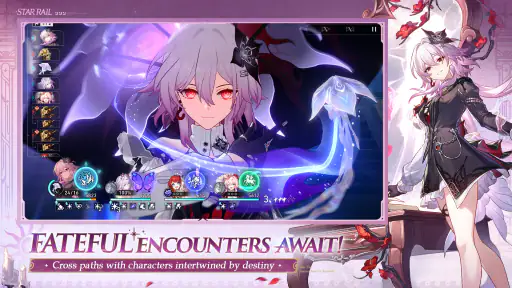
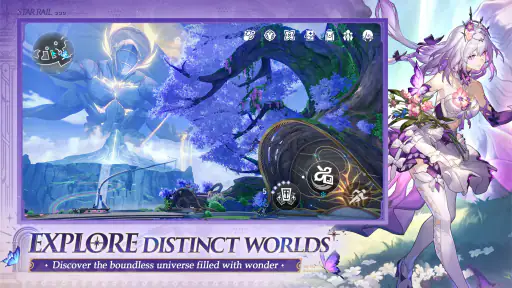
From the moment you boot up Honkai: Star Rail, you're greeted with stunning graphics that are simply out of this world. The game takes you on a ride through the galaxy aboard the Astral Express, a magical train that’s your ticket to exploring different worlds. The graphics are vibrant, with visually captivating environments that make each planet feel unique.
More From Our News Desk

Weather by Xiaomi Review: Clear at a Glance, Less Clear Up Close

X Under Pressure: Can It Recover When Posting Goes Wrong?

Clash of Clans Is Won Between the Battles

Android Auto Makes the Case for Quieter Car Software

MobiOffice: Transforming Mobile Productivity with Seamless Integration

EA SPORTS FC™ Mobile Soccer: Redefining Mobile Sports Gaming
Characters and Storyline
The storyline is rich and engaging, centering around a group of heroes known as the Trailblazers. Each character comes with their own backstory and skills, adding depth to the gameplay. You’ll find yourself getting attached to these characters, thanks to the well-crafted dialogues and interactions. The game skillfully blends humor and drama, keeping you invested in the narrative.
That story-first approach is a useful distinction from many adventure games that put most of their emphasis on free movement or real-time action. Here, I’d choose a short session when I want dialogue and a focused stretch of plot, rather than expecting every login to offer uninterrupted exploration. If you enjoy following a cast across a continuing sci-fi tale, that rhythm can be a strength; if lengthy scenes are something you often skip, the narrative may feel like a hurdle.
What a session can feel like
A realistic way I’d fit it into an ordinary day is to check in during a quiet break, see what I feel like doing, and avoid starting a major story scene if I know I’ll have to stop abruptly. A short visit can be about one manageable objective; a longer evening session gives more room to follow dialogue and explore without rushing. The point is not to turn play into a checklist, but to match the activity to the time and attention I actually have.
When I’m interrupted easily, turn-based battles are a practical advantage over action RPGs that demand constant movement and precise timing. I can consider a choice instead of relying on quick reactions, which makes the combat easier to approach in a relaxed setting. That does not make every encounter effortless: a tougher fight still asks me to pay attention, and I would not start one when I have only a moment to spare.
The game is less suitable for someone who wants every session to be instantly self-contained. Its ongoing story and character-focused scenes reward returning with some continuity in mind. If I had forgotten where I was in the plot, I’d take time to reorient myself rather than skip through everything just to reach a battle. Players who prefer a short game with a clear finish may find a standalone adventure more satisfying.
Gameplay Mechanics
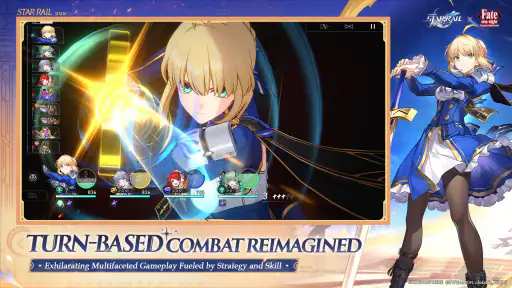
The gameplay is a delightful mix of exploration and strategic combat. You’ll need to assemble a team of characters, each with unique abilities, to tackle various challenges. The turn-based combat system is intuitive, yet offers enough complexity to keep things interesting. You’ll have to think ahead and strategize, especially during tougher battles where enemy weaknesses must be exploited for victory.
One practical tip is to pay attention to enemy weaknesses before committing to a fight: team choices matter more than simply picking favorite characters, especially when a battle becomes demanding. I also find it helpful to treat team-building as gradual experimentation instead of trying to perfect every setup immediately. That keeps the strategy approachable while still giving you room to make smarter decisions as you learn what works.
A second useful habit is to notice which parts of a team are doing distinct jobs rather than changing everything after a setback. If a fight goes poorly, I’d first consider whether the current lineup can handle the enemies’ weaknesses and whether I’m using the available abilities thoughtfully. That makes experimentation more informative: I can learn from one adjustment instead of treating every loss as proof that I need a completely different roster.
This turn-based structure is a better fit for players who like considering their next move than for someone seeking constant hands-on action. Compared with action-focused adventure RPGs, battles here give you space to plan, but the trade-off is less immediacy. If I had only a few minutes during a break, I’d choose a manageable activity rather than begin a difficult encounter that might need more attention.
That difference is worth thinking about before choosing between this and a more conventional action adventure. In a real-time game, the appeal often comes from movement and moment-to-moment execution; here, the satisfaction comes more from reading a situation and making a considered choice. Neither approach is inherently better, but if you play mainly for reflex-driven combat, the deliberate pace may feel passive. If you like tactical decisions without needing to react instantly, it is a genuine strength.
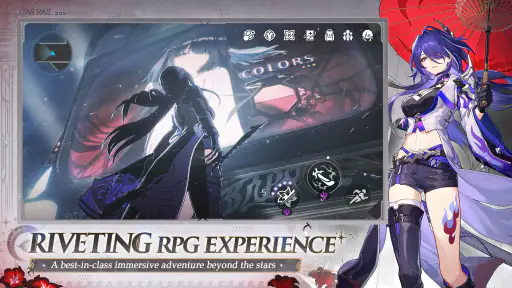
What I love most is the freedom to explore different worlds at your own pace. There are plenty of side quests and hidden treasures that make exploration rewarding. Plus, the game cleverly integrates puzzles into the exploration, which adds an extra layer of fun.
For an everyday routine, I can imagine opening it after work, finishing a story beat or puzzle, then leaving the longer exploration for a quieter evening. That split suits a game with both narrative scenes and optional diversions, and it helps avoid rushing through the worlds just to make progress. If you mainly want a quick, self-contained arcade session, a simpler pick-up-and-play game may serve you better.
Exploration without rushing
I would treat side paths as part of the pleasure rather than as chores to clear all at once. If I have time to look around, I can follow a small diversion or puzzle; if not, I can keep the main objective in view and come back to exploring when I’m in the mood. That choice helps the worlds feel like places to visit instead of a list of tasks I must finish before I’m allowed to enjoy the story.
One trade-off is that open-ended wandering is not the main attraction for every player. Someone who wants a large, uninterrupted action sandbox may find the adventure more structured than they hoped. I’d choose it for the combination of guided story, tactical battles, and optional exploration, not as a substitute for a game built primarily around free-form movement.
Soundtrack and Audio
The soundtrack deserves a special mention. It perfectly complements the game’s atmosphere, with epic scores that elevate your gaming experience. The voice acting is top-notch, bringing the characters to life in a way that feels authentic and immersive.
In terms of audio, every sound effect is crisp and adds to the overall immersion. Whether it’s the background chatter of a bustling space station or the intense sounds of battle, everything is spot on.
Audio also changes how I’d choose to play. When I can listen, the score and character performances make story scenes more engaging, so I would use headphones in a quiet setting if I wanted to focus on them. In a noisy commute or a shared room, I might play with the sound low or off, but that makes the presentation less distinctive. If voice and music are a major part of what you enjoy in a role-playing game, this is one of the stronger reasons to give it a try.
Who is likely to get the most from it?
I’d recommend it to players who enjoy a continuing cast, science-fiction worlds, story-led adventure, and tactical encounters. The audience appears substantial: it has more than ten million installs, a 4.1 average from around 414,000 ratings, and roughly ten thousand written reviews. It is rated Teen, which is worth keeping in mind when deciding whether it suits a younger player.
That audience size is reassuring if you like choosing a game with a broad player base, but popularity alone cannot tell me whether its particular pace will suit you. I’d weigh the story, tactical combat, and free-to-start format more heavily than the rating. A player who wants quick action, a fixed ending, or a purchase with no optional store may reasonably prefer something else even if this game is widely played.
COGNOSPHERE PTE. LTD. develops the game, and the Android release arrived on April 6, 2023. The current version is 2.7.0, and Android 6.0 is the minimum requirement. It is a sizeable commitment in attention even when you spend nothing: following the story and making thoughtful team choices are more rewarding if you can return regularly. If your preference is a compact adventure with a definite endpoint, or you dislike ongoing optional purchases, you may be happier with a smaller, one-time-purchase RPG.
Choosing it for your own routine
If I were recommending it to a friend, I’d ask what they want from an adventure game before pointing them toward it. Someone who likes to follow characters, think through battles, and dip into optional exploration has several ways to enjoy a session. A player who has little patience for dialogue or wants every play period to be action-heavy may feel that the game’s best parts are not the parts they came for.
It can also suit someone who wants to sample a substantial role-playing experience before committing money, because the initial download costs nothing. That makes it easy to test the tone and combat style for yourself rather than relying on someone else’s preference. I would still keep the purchase model in mind as I play, especially if optional spending tends to become part of how I approach games.
For a younger player, the Teen rating is a practical consideration for a parent or caregiver, not a substitute for deciding whether the themes and play habits fit that person. I’d look at how the individual responds to the story and how they handle optional purchases. The same advice applies to adults: knowing your own spending habits makes it easier to enjoy the free portions without feeling nudged into buying.
Honkai: Star Rail has managed to combine stunning visuals, a captivating storyline, and engaging gameplay into a package that’s hard to resist. It’s a game that invites you to lose yourself in its universe and doesn’t let go easily. Whether you’re a fan of RPGs or just looking for something new to sink your teeth into, this game is a stellar choice. Trust me, you won’t be disappointed!
My recommendation comes with a clear qualification: try it if a continuing science-fiction story and thoughtful turn-based fights sound appealing, and let the free access help you decide at your own pace. I would skip it if I wanted a compact, fully self-contained adventure, constant real-time action, or a purchase model with no optional in-app spending. For the right player, the value is in returning to its cast and worlds; the best reason to spend is never simply that the option is there.
Honkai: Star Rail Frequently Asked Questions
Can I play Honkai: Star Rail on a device running Android 6.0?
Honkai: Star Rail supports Android 6.0 and later, so a device on that version meets the stated minimum operating-system requirement. Compatibility can also depend on the device itself, so check that the game is available for your phone or tablet before downloading. It is an adventure RPG with ongoing content, so make sure your device has room for the installation and future updates.
Is Honkai: Star Rail appropriate for younger players?
Honkai: Star Rail has a Teen content rating. Its story and turn-based battles are set in a fantasy science-fiction adventure, which parents may want to consider when deciding whether it suits a younger player. The rating is a useful starting point, but it is still worth reviewing the game’s themes together and using your device’s parental controls if needed.
How large is Honkai: Star Rail’s player community?
Honkai: Star Rail is a widely played adventure RPG, with over 10 million installs and an average rating of 4.1 from around 414,000 ratings. That broad audience makes it easier to find discussion and player-created advice about the game. These figures offer a snapshot of its reach, though they do not determine whether its story, combat, or progression will suit your tastes.
What is the latest version of Honkai: Star Rail, and when was it released?
Honkai: Star Rail’s current version is 2.7.0, and the game was released on April 6, 2023. It is an ongoing cosmic adventure, so updates can bring new content and changes over time. If you are installing it now, check that your device has enough room and a reliable internet connection to download the game and keep it updated.
How much storage space should I have available before downloading Honkai: Star Rail?
It is sensible to make room for the game and its updates before installing, as Honkai: Star Rail is an ongoing adventure that receives new content. The amount of space it needs can change over time, so check your device’s available storage during installation and keep some extra room free. Clearing space beforehand can help avoid interruptions while downloading or updating.
Pros
- Stunning graphics and animations
- Engaging and immersive storyline
- Wide variety of characters
- Regular updates and events
- Cross-platform compatibility
Cons
- High battery consumption
- Large file size
- Requires constant internet connection
- Occasional bugs and glitches
- In-app purchases can be expensive
- Category
- Adventure
- Version
- 2.7.0