Dragon Craft Building Game
- 2.08K
- 4.4
- Installs
- 10.00M
- Price
- Free

Screenshots


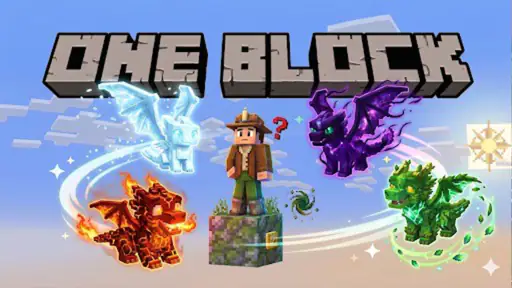
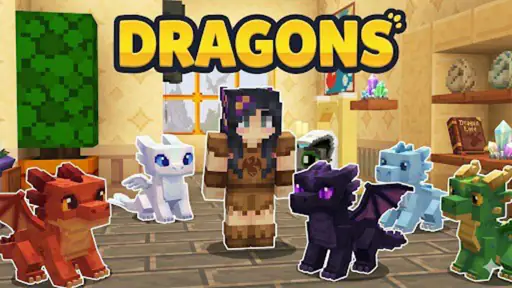
Analysis by Reviewed
I spent time with Dragon Craft Building Game to understand whether its central idea—building and managing your own dragon island—holds up beyond the first few minutes. It is a free simulation game from Ace Viral, aimed at Everyone, and its appeal is easy to understand: instead of simply controlling a character through fixed stages, you gradually shape a place that feels like your own. That change in focus makes the game calmer and more personal than many action-focused dragon titles.
The important thing is that the island is not just a background for dragon-themed decoration. Building is the main reason to return. Every placement decision changes how the island looks and how I think about the next step, so the experience sits somewhere between a light management game and a creative sandbox. I would recommend it most to players who enjoy steady progress, visual organization, and short sessions that slowly add up to a larger project.
Why the island-building idea matters
Many simulation games give me a list of tasks and ask me to complete them in a particular order. Dragon Craft Building Game feels more satisfying when I treat the island as a personal layout problem. I am not only asking what I can unlock next; I am also deciding where things should go, how much space to leave, and what kind of island I want to see when I zoom out.
That sounds simple, but it changes the rhythm. A dragon-themed game could have focused entirely on collecting creatures or tapping through rewards. Here, the building angle gives progress a visible result. When I return after a break, I can see the difference immediately rather than relying only on a number or a completed checklist.
The strongest part of this capability is the sense of ownership. Even if two players begin with similar resources, their islands can develop differently because they make different layout choices. I tend to place important objects where they are easy to reach and keep decorative areas grouped together. Another player may prefer a dense, busy island that feels full from the beginning. The game leaves room for that personal approach.
It is also a useful distinction from traditional city-building games. Those games often put heavy pressure on roads, production chains, population needs, or detailed economic planning. Dragon Craft Building Game is lighter. I can enjoy arranging a dragon island without needing to study a complicated spreadsheet first. That makes it more approachable, though players looking for deep simulation may eventually find the systems less demanding than those in a full city builder.
The store presentation describes it as a dragon island game, and that theme gives the building work its personality. A generic island editor might still be enjoyable, but the dragon setting makes the long-term project feel more playful. The visual goal is not to construct an efficient industrial district; it is to create a place that feels suited to magical creatures.
Building feels more meaningful than simply collecting
In my experience, collecting alone can lose its spark when every new item feels like another entry in a list. Construction gives those items a context. I can think about how a new addition changes the island rather than viewing it as an isolated reward. That is the subtle strength of the game: the island becomes a record of my decisions.
This also creates a practical reason to avoid placing everything as soon as it becomes available. I found it more enjoyable to pause and consider the shape of the area first. Leaving open space can be useful because an island that looks complete too early may become awkward when I want to reorganize it later. My best results came from treating early placements as a rough plan rather than a permanent final design.
The most useful mindset is to build for future flexibility, not just immediate completion. That advice is easy to overlook because placing something now feels rewarding. However, a little empty space can make later changes less frustrating, especially for anyone who cares about keeping the island visually tidy.
How the building experience works in practice
The basic loop is easy to understand. I enter the island, check what progress is available, make building decisions, and then return later to continue developing the space. That structure suits mobile play because I do not need to reserve a long uninterrupted evening. A few minutes can be enough to make a meaningful adjustment or prepare the next part of the island.
Short sessions are particularly comfortable when I have a small goal in mind. I might open the game intending to improve one corner, tidy the arrangement, or see what the next stage of development requires. Without a clear goal, it is possible to drift between menus and placements without feeling that I accomplished much. The game rewards a little self-direction from the player.
I recommend taking screenshots mentally—or simply remembering the layout—before making major changes. Once the island begins to fill, moving things around can become a creative exercise, but it can also turn into unnecessary fiddling. I got better results by changing one area at a time instead of repeatedly rebuilding the whole island.
The simulation category is a good fit because the pleasure comes from gradual development rather than reflexes. I do not approach it expecting fast combat or a demanding challenge. Instead, I use it as a low-pressure game for moments when I want to make progress without concentrating on a complex control scheme.
That makes the game suitable for a commute, a quiet break, or a few minutes before bed. In a realistic everyday scenario, I might open it after finishing a short task, make two or three island decisions, and close it without feeling that I abandoned a long mission. The progress remains easy to understand when I return, which is important for a mobile game designed around repeated visits.
A practical routine that keeps the island manageable
My preferred routine is to begin by looking at the island as a whole instead of immediately tapping the first available option. I check which areas already look crowded, identify a space that can grow, and then decide whether the next placement supports that plan. This takes only a moment, but it prevents the island from becoming a collection of unrelated objects.
I also find it helpful to separate functional decisions from visual ones. First, I decide where something needs to be placed to support progress. After that, I consider whether the surrounding area looks balanced. Mixing both questions at once can make a simple choice feel more complicated than it needs to be.
Another useful habit is to postpone impulse spending. The game is free to download, but it includes in-app purchases ranging from $2.49 to $7.49 per item. I would not make a purchase simply because I was impatient during one session. I would first decide whether the item improves the island in a lasting way or only solves a temporary annoyance. That distinction matters in any progression-based mobile game.
The game runs on devices using Android 6.0 or later, which makes it accessible to many older Android users. Still, the experience can feel different depending on the phone or tablet. On a smaller screen, careful placement may feel less comfortable than on a larger display. I would choose a device where I can see the island clearly, especially if arranging the space is the part I enjoy most.
The best scenario for playing
Dragon Craft Building Game works best when I want a gentle project rather than a dramatic challenge. It is a good companion for players who enjoy watching a space evolve over time and who like making aesthetic decisions without being forced into a single correct arrangement.
For example, imagine having a short lunch break. I can open the game, inspect the island, make one construction choice, and spend the remaining time adjusting the surrounding layout. There is no need to complete a large mission before closing the app. That makes the game more convenient than simulation titles that punish players for leaving in the middle of a long production cycle.
It is also a good fit for families looking for an Everyone-rated game with a friendly theme. Younger players may enjoy the dragons and the simple idea of making an island, while older players can focus on organizing the space. I would still encourage parents to be aware that optional purchases exist, particularly if a shared device is used by children.
Creative players may get more from it than optimization-focused players. If I care about making an island that looks pleasant, the building capability gives me a reason to keep returning. If I only care about reaching the final progression point as quickly as possible, the slower rhythm may feel less exciting.
The game can also work as a break from competitive mobile titles. There is no need to compare my island with another player’s performance to enjoy the core activity. I can simply develop my own space at my own pace. That makes it a comfortable choice for someone who wants a simulation game without the constant pressure found in competitive alternatives.
When another type of game may be better
I would not choose this game for a player who wants a detailed economy, realistic logistics, or a large strategic campaign. A full city-building alternative will usually offer more complex systems and more demanding decisions. Likewise, a dragon adventure game may be better for someone who wants exploration, battles, or a strong story rather than island arrangement.
It is also not the ideal choice if I want an entirely hands-off experience. Although the pace is relaxed, I still need to make decisions and care about how the island develops. The satisfaction comes from participation. Players who prefer automatic progress may find the building loop too involved, while players who enjoy tinkering will probably see that same involvement as the main attraction.
The comparison with decoration-focused games is more balanced. A pure decorating app may offer more freedom in visual styling, but Dragon Craft Building Game gives the island a clearer purpose through its simulation structure and dragon theme. In return, a dedicated design sandbox may provide more control over appearance. I would pick this game when I want decoration connected to progression, not decoration alone.
Tradeoffs that become clearer over time
The relaxed design is both a strength and a limitation. I appreciate that the game does not demand intense concentration, but there are moments when I wanted a stronger sense of urgency or a more dramatic change in the island. The gradual pace is pleasant for casual play, yet it may feel repetitive to someone who needs constant novelty.
Another tradeoff is the tension between efficient placement and personal style. If I arrange everything for convenience, the island may feel practical but visually plain. If I prioritize appearance, I may leave less room for future development. The game becomes more interesting when I accept that there is no perfect layout and choose which kind of satisfaction matters more during that session.
The purchase system is another point to consider. Free access makes it easy to try the game without committing money at the start, but optional items can create temptation when I want faster progress or a more complete-looking island. My advice is to play long enough to understand the normal rhythm before deciding whether any purchase is worthwhile. That way, I am paying for something I genuinely value rather than reacting to impatience.
The age rating of Everyone makes the theme broadly approachable, but that does not mean every player will enjoy the same aspects. A child may focus on the dragons, an adult may enjoy planning the layout, and a casual player may simply like the soothing routine. The game succeeds when those expectations match its modest, incremental style.
Its average rating of 4.4, supported by around 38 thousand ratings and about 2.1 thousand written reviews, suggests that the basic concept connects with a substantial audience. I treat that as useful context rather than a guarantee. A high rating cannot remove the central question: do I enjoy building slowly and revisiting the same island as it develops?
Three decisions that improve the experience
First, I would keep a deliberate “expansion zone.” Rather than filling every available area, I reserve one section for future changes. This makes the island easier to revise and prevents early enthusiasm from creating a cramped layout. It is a small planning choice, but it has a noticeable effect once the island becomes busier.
Second, I would group related visual elements instead of spreading them evenly. A perfectly uniform arrangement can look artificial, while small themed clusters make the island feel more intentional. This is especially helpful for players who want their creation to look designed rather than merely occupied.
Third, I would use each session to answer one question: am I improving progress, appearance, or flexibility? Choosing one priority keeps the game from becoming aimless. It also helps me judge whether a new item is genuinely useful, because I can compare it with the goal I set before opening the island.
Who gets the most from Dragon Craft Building Game
The best audience is someone who likes simulation games but does not want a complicated management tool. If I enjoy arranging spaces, watching a project grow, and making small decisions during short mobile sessions, this game is easy to recommend. Its dragon theme adds charm without requiring me to learn a dense set of rules before I can have fun.
It is especially suitable for players who want a personal island rather than a fixed sequence of levels. The ability to shape the space gives the experience more staying power than a simple one-time puzzle. I can return because the island is mine, and even a small change can make it feel different.
On the other hand, I would suggest skipping it if I need fast action, a deep strategic economy, or a story-driven adventure. The game’s appeal depends on patience. It is not trying to replace a competitive battle game or a serious city simulator, and judging it by those standards would miss its purpose.
Around 10 million installs show that the concept has reached a wide mobile audience. The current version is 1.28.0, and the game remains free to start, with optional purchases available. Those details make it straightforward to try, but the real decision is personal: whether a slowly evolving dragon island sounds like a project I would enjoy checking on repeatedly.
For me, the building capability is the reason to keep it installed. It turns a simple dragon theme into a small creative routine, and it gives each return visit a visible result. I would not call it the deepest simulation game on mobile, but I would recommend it to a friend who wants something approachable, flexible, and easy to play in short bursts. If the pleasure of making a place your own matters more than speed, Dragon Craft Building Game is a worthwhile free download to try.
Pros
- Simple controls make building easy for younger players.
- Creative mode encourages imaginative construction and experimentation.
- Bright 3D graphics are appealing and easy to understand.
- Dragon-themed elements add charm beyond standard building games.
- Playable offline
- making it useful during travel or without Wi-Fi.
Cons
- Some features may feel repetitive after extended play sessions.
- Limited building depth may disappoint experienced sandbox players.
- Ads can interrupt gameplay in the free version.
- Performance may vary on older phones and tablets.
- In-app purchases could be needed for extra content or items.
- Category
- Simulation
- Version
- 1.28.0