Salams: Halal Muslim Marriage
- 1.15K
- 4.0
- Installs
- 1.00M
- Price
- Free

Screenshots



Analysis by Reviewed
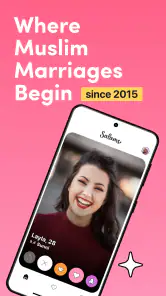
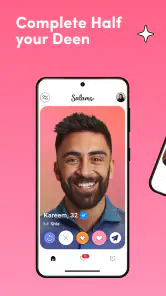
I approached Salams: Halal Muslim Marriage as a social app with a clear purpose: helping Muslims meet people for marriage, friendship, and halal dating while keeping those goals visible from the start. That focus makes it different from a broad dating app where users may be looking for anything from casual conversation to a long-term relationship. Here, the intended audience is much more specific, and that can make the experience feel more comfortable for someone who wants faith and marriage intentions to be part of the conversation rather than something to explain later.
My overall impression is positive but measured. Salams can be useful when you want a Muslim-centered space and are willing to take an active role in checking profiles, setting boundaries, and moving conversations forward carefully. It is not a shortcut to finding a spouse, and the app cannot remove the normal uncertainty of meeting strangers online. Its value depends heavily on how honestly people present themselves and how thoughtfully you use the controls and choices available to you.
What the app is really trying to solve
The main problem Salams addresses is the awkward first step. In everyday life, meeting someone who shares your religious background and also has compatible marriage intentions can be difficult. Friends and family introductions may work well for some people, but they are not available to everyone, and they may not offer much choice. Salams creates a dedicated place to begin that process yourself.
The app is developed by Affinity Apps, LLC and belongs to the social category rather than being presented as a general-purpose matchmaking service. That distinction matters. I found the experience easier to understand when I treated it as a starting point for serious conversations, not as an endless stream of profiles to judge quickly. The marriage focus encourages a different mindset from ordinary swipe-based dating, even though the basic discovery process can still feel familiar.
Its audience is broad within the Muslim community. Some people will be looking specifically for marriage, while others may first want friendship or a respectful introduction. That range is useful, but it also creates a responsibility for each person to communicate clearly. Someone seeking a spouse may become frustrated if another member is only interested in casual social contact. I would make intentions clear early instead of assuming that the app’s overall purpose guarantees identical expectations from every user.
The service is free to install, which makes it easy to try without committing money immediately. It carries a Mature 17+ content rating, so younger users should not treat it as a youth social network. The app has been available since May 24, 2016, and its current version is 12.13.1 for devices running iOS 9 or later. Those details suggest a long-running product with ongoing updates, but they do not change the basic advice: take time to understand the current screens and choices before sharing personal information.
Where it fits compared with ordinary dating apps
Compared with mainstream dating services, Salams gives religious identity and halal intentions more room at the center of the experience. On a general app, you may need to filter through people who have completely different expectations about relationships, family involvement, or the meaning of dating. Here, the starting context is narrower, which can save time and reduce some uncomfortable explanations.
More From Our News Desk

Clash of Clans Is Won Between the Battles

Android Auto Makes the Case for Quieter Car Software

MobiOffice: Transforming Mobile Productivity with Seamless Integration

EA SPORTS FC™ Mobile Soccer: Redefining Mobile Sports Gaming

How Microsoft OneDrive Became a Mobile Productivity Giant

How Google Translate Breaks Language Barriers Effortlessly
That narrower focus is also a limitation. A dedicated Muslim audience does not automatically mean that every profile will match your interpretation of faith, culture, family expectations, or relationship pace. A large general app may offer a wider pool, while a local community introduction may provide more personal accountability. I would choose Salams when shared religious context is a priority, but I would not rely on it as the only possible route to meeting someone.
The app is also not a substitute for trusted people in your life. If you normally involve a family member, friend, or religious adviser when a relationship becomes serious, Salams can be the place where an introduction begins, not where every important decision ends. That distinction helped me keep expectations realistic.
Trust starts with visible choices, not promises
When I review a social app, I pay attention to what the user can actually see and control. A reassuring description is less important than whether the app lets people make deliberate choices about profiles, conversations, and the pace of contact. With Salams, the most sensible approach is to treat every visible account option as part of your personal safety routine rather than clicking through setup automatically.
I would begin by creating a profile that is informative without being overly revealing. Mentioning your general interests, values, and relationship intentions can help attract more suitable conversations. I would avoid putting a workplace address, daily routine, private phone number, or other details that make it easy for a stranger to identify or locate me. A marriage-focused profile does not need to function as a complete biography.
The same principle applies to photographs. Use images that represent you honestly, but think about what else appears in the background. A street sign, school logo, office badge, or family member can reveal more than intended. This is one of the less obvious trade-offs of social matchmaking: a profile that feels personal may also expose information that has nothing to do with compatibility.
I also recommend reading each conversation as evidence of behavior, not simply as proof of attraction. A person who respects a reasonable boundary tells you more than someone who sends polished compliments. If a match pushes for private contact details, financial help, secrecy, or an immediate emotional commitment, I would slow down or end the interaction. Shared faith language can create a feeling of familiarity, but it should never replace ordinary caution.
Controls matter most after a conversation begins
The most important moment for user control is not profile browsing; it is the point where a stranger wants more access to your time or personal life. I would decide in advance what I am comfortable sharing, how quickly I want to move to a voice or video conversation, and when I would involve someone I trust. Having those rules before an exciting conversation starts makes them easier to follow.
A practical workflow is to keep early messages inside the app while checking whether the person answers consistently and respects your stated goals. If the conversation becomes serious, discuss expectations directly: marriage timeline, family involvement, location, work, religious practice, and what each person means by halal dating. These topics may feel heavy during an introduction, but avoiding them can waste more time later.
I would also use any account, conversation, privacy, or reporting choices that are presented in the app rather than assuming that silence is the safest response to unwanted behavior. If someone makes you uncomfortable, you do not owe them an explanation or a second chance. A social platform is more useful when you feel able to leave a conversation cleanly.
Because app interfaces change, I would check the current settings after an update instead of assuming that a familiar control remains in exactly the same place. The current release is 12.13.1, and regular updates can change labels, navigation, or the way choices are presented. This is a small habit, but it matters for any app that handles personal conversations.
Sensitive moments where I would slow down
There are several points in the Salams experience where convenience can compete with privacy. Registration, profile creation, messaging, and optional purchases all deserve a pause. I do not mean that these steps are automatically unsafe; I mean that they involve decisions about identity, attention, money, or personal information, so they should not be handled on autopilot.
During account setup, I would read the permission prompts and privacy explanations shown on my own device and choose only what makes sense for the way I plan to use the app. Permissions are not a minor technical detail. Access to a device function can affect what I share, when I share it, and how comfortable I feel using the service. If a permission is optional, I would wait until I understand why I need it.
Location is a good example of a sensitive area. Someone may want nearby matches, but precise location can reveal more than a broad area. I would prefer the least revealing choice that still lets the app serve its purpose, if the current device settings provide that option. I would also avoid discussing exact home, workplace, or travel details with a new match.
Photos and messages create another data-sensitive moment. Once an image or personal story is sent, control over it becomes limited because the recipient may save or share it. I would keep early conversations appropriate for someone I have not met and avoid sending documents, financial information, intimate images, or anything that could be used to pressure me later.
Payments deserve attention too. Salams is free, but it offers in-app purchases ranging from $0.99 to $249.99 per item. That is a wide range, so I would never tap a purchase button casually or assume that a paid option is necessary for a meaningful first experience. I would check the exact item, the total cost, and the account confirmation screen before approving anything. A paid feature may improve convenience, but it cannot verify a person’s character or guarantee a successful match.
I would also keep purchase decisions separate from emotional decisions. If a conversation makes me feel rushed, lonely, or unusually hopeful, that is precisely when I would avoid spending money. The app can help people meet, but no upgrade can replace patience, questions, and real-world judgment.
How I would handle a normal evening of use
Imagine I have a busy workday and only a short period available after dinner. I would open Salams, review a small number of profiles carefully, and look for signs that the person has explained what they want rather than relying on a photograph alone. I would send a thoughtful message connected to something specific in the profile instead of copying a generic greeting.
If the reply is respectful, I would ask one or two practical questions and see whether the conversation feels balanced. Does the other person show curiosity about me, or do they immediately push the discussion toward private contact? Do they answer directly, or do they avoid basic questions about intentions? These observations are more useful than trying to decide everything from a first exchange.
At the end of the evening, I would close the app rather than allowing the conversation to take over my routine. This may sound simple, but setting a time limit prevents the endless checking behavior common in social apps. It also gives me space to think about whether I genuinely like the person or simply enjoy receiving attention.
If the interaction continues over several days, I would suggest a clear next step that matches my comfort level. That could mean a scheduled call, a public meeting, or involving a trusted person earlier. The best workflow is not the fastest one; it is the one that gives both people enough time to notice inconsistencies.
Who will get the most from Salams
I think Salams is a strong fit for Muslim adults who want a focused way to meet people with marriage or faith-based relationship goals in mind. It is especially useful for someone who has already thought about what they want and is prepared to communicate it clearly. The app is also a reasonable option for people whose social circle is small or whose local community does not offer many natural introductions.
It can work well for someone who values independence but still wants religious context. You can begin conversations yourself instead of waiting for a family member to arrange an introduction. At the same time, you can choose to bring trusted people into the process once a connection becomes meaningful.
I would be more cautious recommending it to someone who is unsure whether they want friendship, dating, or marriage. That uncertainty is normal, but it can cause confusion when other users expect a more defined path. Before joining, I would write down a simple answer to the question, “What am I open to right now?” Even a flexible answer is better than leaving the other person to guess.
The app is less suitable for anyone who wants completely anonymous socializing, instant results, or a platform with no relationship expectations. It is also not the right choice for a person who feels pressured by online conversations or struggles to say no. In that situation, introductions through trusted friends, relatives, or community groups may provide more support and accountability.
What I would not overlook
The first limitation is that a focused audience does not eliminate mismatches. People can share a broad religious identity while differing sharply on culture, geography, family roles, education, lifestyle, and expectations about marriage. I would treat shared identity as a starting point, not a complete compatibility test.
The second is emotional fatigue. Browsing profiles and repeating introductions can become tiring, especially when conversations disappear without explanation. I would use the app in short sessions and take breaks when the process begins to affect my mood. A serious purpose does not make the social mechanics emotionally effortless.
The third is the possibility of overconfidence. A polished profile, familiar vocabulary, or quick agreement about marriage can feel reassuring, but none of those things replaces verification through time and consistent behavior. I would avoid making major decisions based only on in-app chemistry.
Finally, the free entry point can make the service feel low-risk, while the available purchases may encourage spending as the search continues. I would set a personal budget of zero at first and use the basic experience long enough to decide whether the app fits my needs. If I later consider a purchase, I would judge it as a convenience expense, not as an investment in a guaranteed outcome.
My cautious recommendation
Salams is worth trying if you want a Muslim-centered social and matchmaking environment and you are comfortable taking responsibility for your own boundaries. I like that its purpose is more specific than a general dating app, because shared context can make the first conversation easier. The free starting point also lowers the barrier to testing whether the community and style suit you.
My recommendation comes with a clear condition: use it as an introduction tool, not as proof that someone is trustworthy. Keep early details limited, review the choices shown during setup and messaging, be careful with permissions and purchases, and involve trusted people when a connection becomes serious. Those habits protect your agency without preventing genuine conversation.
The app has a 4.0 average from around 29 thousand ratings and more than a million installs, which shows that it has reached a substantial audience. It also has around 1.1 thousand written reviews, giving prospective users a useful reminder that experiences can vary widely. I would read those signals as evidence of active interest, not as a guarantee that every match or interaction will be good.
In the end, I would recommend Salams to a patient, intentional user who wants faith and marriage goals to be part of the starting point. I would skip it if I wanted casual anonymity, instant certainty, or a service that makes personal judgment unnecessary. Used with realistic expectations and careful control over what I share, it can open a worthwhile door. The important work, however, still happens in the questions you ask, the boundaries you keep, and the decisions you make beyond the screen.
Salams: Halal Muslim Marriage Frequently Asked Questions
What kind of information should I expect to share when creating a Salams profile?
Salams uses profiles and preferences to help members explore potential connections. You may be asked to share personal details relevant to your identity, background, lifestyle, faith, and relationship preferences. Think about what you are comfortable displaying before completing your profile, and avoid including sensitive information such as your address or financial details. You can be thoughtful about what you disclose while still explaining what matters to you.
Who is Salams designed for, and what can I use it for?
Salams is a social app for Muslims interested in marriage, Muslim friendships, and halal dating. Its focus is on helping people meet and chat, with profiles and matching tools that let users explore potential connections. Before downloading, consider whether its relationship-focused community fits what you are looking for and whether you are comfortable sharing personal details as part of meeting new people.
What is Salams: Halal Muslim Marriage?
Salams is a Muslim-focused matchmaking app designed to help users meet people interested in marriage and meaningful relationships. It provides profiles, preferences, matching tools, messaging, and discovery features built around Islamic values. The app is intended for people who are serious about finding a compatible spouse, although users should still communicate clearly about their intentions and verify information independently.
Is Salams suitable for people looking for marriage rather than casual dating?
Yes. Salams is primarily marketed toward Muslims seeking marriage and a serious, values-based relationship instead of casual dating. During setup, users can share details such as religious practice, lifestyle, background, and relationship preferences. However, the seriousness of each member can vary, so it is important to discuss expectations early, avoid making assumptions from a profile, and proceed at a comfortable pace.
Is Salams: Halal Muslim Marriage free to download and use?
The app is free to download, and basic account features may be available without payment. Salams also offers optional in-app purchases, with prices ranging from $0.99 to $249.99 per item. Paid features may improve visibility, provide additional discovery controls, or unlock extra interaction options. Review the current in-app terms before starting a trial or recurring payment, and make sure any purchase suits your budget.
Pros
- Focused on Muslim marriage and halal relationship goals.
- Detailed profiles help users share faith
- values
- and intentions.
- Privacy controls offer more confidence when starting conversations.
- Location-based discovery can help find compatible nearby matches.
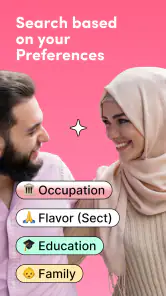
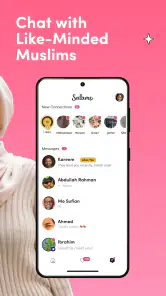
- In-app communication supports getting to know matches respectfully.
Cons
- The user base may be smaller outside major Muslim communities.
- Some useful features require a paid subscription.
- Match quality depends heavily on profile accuracy and activity.
- Users may encounter culturally different expectations about marriage.
- Verification does not completely eliminate fake or unsuitable profiles.

- Category
- Social
- Version
- 12.13.1