NBA Collect by Topps®
- 228.00
- 4.5
- Installs
- 100.00K
- Price
- Free

Screenshots
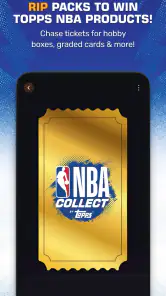
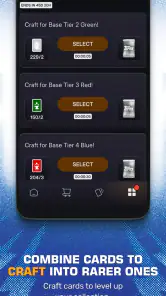
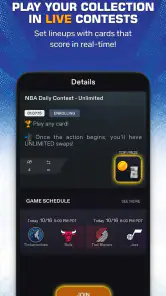
Analysis by Reviewed
Collecting basketball cards on a phone sounds simple until the app has to handle a busy network, a small screen, changing digital inventory, and the temptation to spend. After spending time with NBA Collect by Topps®, I found that its appeal comes from making the hobby feel available whenever I have a spare moment. It is a sports app from The Topps Company, Inc., built around collecting, trading, and interacting with virtual NBA cards rather than replacing the experience of holding physical cards.
The first thing I noticed is how strongly the experience depends on connectivity. Opening the app, browsing available cards, checking collection progress, and taking part in any activity that needs current account or marketplace information all feel tied to a live connection. That is not necessarily a flaw for this type of product, but it changes when and where I enjoy using it. This is best treated as a connected hobby app, not something I would rely on during a flight or in a place with unreliable reception.
It is free to install and suitable for Everyone, although optional purchases range from $0.99 to $99.99 per item. That wide range matters. You can begin without paying, but anyone who enjoys collecting can quickly face decisions about how much the digital side of the hobby is worth. My recommendation is to start slowly, learn the collection and trading rhythm, and set a personal spending boundary before buying anything.
How the connected collecting experience works in everyday use
Live access is part of the appeal
The strongest moments happen when I have a few minutes and a reliable connection. I can check what is happening in my collection, look through cards, and decide whether I want to spend time trading or simply organizing what I already have. That makes the app a natural companion for a commute while waiting for an appointment, provided the connection is stable and I am not trying to use it in a strictly offline situation.
Unlike a traditional binder, a digital collection is not sitting entirely on the device in a form I can casually inspect anywhere. The app feels more like a window into a live hobby environment. Current information matters, and that means a weak signal can interrupt the most interesting parts of the session. I learned to avoid beginning a detailed trading session when I knew I was about to enter a tunnel, switch between crowded networks, or move through an area with inconsistent coverage.
This network dependence also gives the app a sense of movement. A physical collection changes only when I buy, sell, or trade a card. A connected digital collection can feel more active because the app is designed for ongoing interaction. The benefit is freshness and participation; the cost is that the experience is less predictable than opening a physical box or flipping through a binder.
Small sessions work better than long, unfocused ones
I get more from NBA Collect when I give each visit a purpose. One session might be for checking my collection, another for reviewing possible trades, and another for exploring cards I have not paid attention to before. That approach keeps the app from turning into endless scrolling, especially on a phone where every card is displayed in a compact space.
More From Our News Desk

Clash of Clans Is Won Between the Battles

Android Auto Makes the Case for Quieter Car Software

MobiOffice: Transforming Mobile Productivity with Seamless Integration

EA SPORTS FC™ Mobile Soccer: Redefining Mobile Sports Gaming

How Microsoft OneDrive Became a Mobile Productivity Giant

How Google Translate Breaks Language Barriers Effortlessly
A useful habit is to pause before making a trade or purchase and ask what role the card will play in the collection. Am I filling a gap, chasing a player, improving a set, or simply reacting to something that looks attractive? Digital collecting makes impulsive decisions easy because the item appears instantly and the transaction is only a few taps away. Separating browsing from buying gives the hobby more structure.
I also prefer reviewing the details of a potential trade when I am stationary rather than trying to do it while walking or rushing between tasks. The small-screen format is convenient, but convenience can make it easy to approve something without considering what I am giving up. A few extra seconds of checking can prevent a disappointing exchange.
What feels different from physical cards and ordinary sports apps
Compared with physical NBA cards, this app removes storage problems, shipping, damaged corners, and the need to meet another collector in person. That is a real advantage for someone who likes the collecting decision more than the physical object. I can carry the hobby in my pocket, and the collection does not take over a shelf or desk.
At the same time, a digital card does not provide the tactile satisfaction of opening a pack, holding a favorite player’s card, or arranging a binder page. If the physical texture, print quality, and ownership ritual are the main reasons you collect, this will feel like a different hobby rather than a replacement. I see it as complementary for some fans, but not automatically superior.
Compared with general sports news or score apps, NBA Collect is less useful when I simply want to know what happened in a game. Its purpose is participation in a card-focused community, not fast headlines or live statistics. If your main goal is following fixtures, scores, or analysis, a dedicated basketball app will be the better tool. This one makes more sense when the cards themselves are the reason you opened your phone.
Trading rewards attention, but it also asks for patience
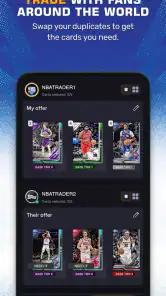
The trading side is where the app can become more engaging than a passive collection. I like the idea of looking at the cards I have, identifying what I value, and considering whether another collector might want something different. However, trading is only satisfying when I take time to understand the exchange rather than treating every offer as automatically worthwhile.
My practical advice is to keep a mental separation between cards you genuinely want to retain and cards you are willing to use as trade material. Without that distinction, it is easy to give away something important simply because a new offer looks exciting. I would also avoid making decisions during a poor connection, since a delayed screen or incomplete refresh can make it harder to understand the current state of an offer.
This is one of the less obvious trade-offs of a connected collection: the app can encourage more interaction than a binder, but that interaction creates more opportunities for rushed decisions. The best experience comes from treating trades as part of the hobby, not as a race to accept every new possibility.
Using the app on mobile data
For people who use a limited mobile plan, I would approach the app thoughtfully. Browsing cards and moving through a connected collection may involve repeated loading, and the exact amount of data used can vary with how often you open the app and how much content you view. I would begin on Wi-Fi, observe how the app fits into my normal routine, and avoid leaving it open while casually scrolling for long periods on mobile data.
That advice is less about assuming a particular technical behavior and more about good digital-hobby discipline. A card collection can invite frequent checking, especially when the phone is already in your hand. If you want to control data use, make Wi-Fi your default for longer sessions and reserve mobile access for short checks. I would also avoid starting a large browsing session when the signal is weak, since repeated attempts to load content are frustrating even when the data cost is not a concern.
Battery awareness matters in the same practical way. A quick check between errands is different from spending a long time browsing and trading. When I am away from a charger, I keep sessions focused and close the app when I am finished rather than treating it as background entertainment. That makes the mobile experience feel intentional instead of wasteful.
What happens when the connection fails
Connectivity problems are the main source of friction I would expect a new user to encounter. A weak signal can make a collection feel slow, prevent current information from appearing promptly, or interrupt the flow of a trade. The important point is not to assume that a stalled screen means a transaction failed or that a card disappeared. I would first wait, check the connection, and reopen the relevant area before trying the same action again.
My recovery routine is simple: stop tapping repeatedly, move to a steadier connection if possible, and then check the collection or activity state before repeating anything. This is especially important around purchases or trades. Repeating an action while the app is still catching up can create confusion, even if the service eventually processes only one attempt.
I would also avoid making a purchase in the middle of a network transition, such as moving from Wi-Fi to mobile data. If the app does not respond clearly, I would give it time and verify what actually happened before attempting another purchase. That small bit of patience is more valuable here than speed.
The same principle applies after an unexpected restart. Rather than judging the collection from the first screen that appears, I would navigate back to the relevant card or activity area and confirm the current state. A connected hobby app may need a moment to refresh, and a calm check is safer than assuming the worst.
Spending needs a plan
The free entry point is helpful because I can understand whether digital NBA collecting suits me before committing money. Still, the optional purchase range deserves serious attention. A low-cost item may feel harmless, but repeated small purchases can change the total quickly, while the highest-priced option is a major commitment for a casual user.
I would decide in advance whether I am using the app as a free collecting pastime or as a paid hobby. Those are different experiences. Someone who enjoys opening, trading, and browsing without chasing every desirable card may be perfectly happy staying cautious. Someone who wants to pursue particular goals may feel pressure to spend more often. Neither approach is wrong, but the app is easier to enjoy when the budget is chosen before the excitement begins.
For families, the Everyone age rating makes the app broadly approachable, but that should not be confused with removing the need for purchase supervision. I would explain that free access and optional spending are separate things, then use the device’s purchase controls where appropriate. The most useful rule is simple: never let a quick card decision become an unplanned household expense.
Who will enjoy it most
I think NBA Collect is a good fit for NBA fans who already enjoy card collecting, trading, or the satisfaction of completing a themed digital collection. It is also appealing to someone who wants a hobby that fits into short mobile sessions rather than requiring a dedicated table, storage box, or physical exchange.
It may be especially suitable for a collector who enjoys organizing and making choices. The app gives that person a reason to return, compare what they have, and think about what belongs in the collection next. The connected format adds a social and changing quality that a private binder cannot provide on its own.
I would skip it if you want a completely offline card game, a conventional basketball game, or a simple score-and-news tool. I would also hesitate if you dislike digital purchases, trading decisions, or apps that are most useful when they can reach current online content. Physical cards are the better choice when tangible ownership is the heart of the hobby, while a standard sports app is better for following the league rather than collecting.
Device expectations and current release
The app is available for Android users running at least Android 7.1, which makes it accessible beyond only the newest phones. Even so, the quality of the experience will depend on more than the operating-system requirement. A small display, limited free storage, an unstable connection, or an older device that struggles with busy screens can make browsing less comfortable.
The current version is 40.2.0, and I would keep the app updated through the normal app-store process. Updates are particularly relevant for a connected product because the app needs to communicate correctly with its online service. If something feels unusually slow or an area does not behave as expected, checking for an available update is a sensible first step before blaming the phone or the network.
The app has an average rating of 4.5 from around one thousand ratings, with over two hundred written reviews and more than one hundred thousand installs. Those figures suggest that it has found a real audience, but they do not remove the need to decide whether its specific collecting style suits you. A popular app can still be the wrong fit for someone who wants physical cards or offline play.
My final view on connectivity and value
After using it as a mobile collecting hobby, I see NBA Collect as a focused sports app rather than a general basketball companion. Its best quality is the way it puts a card-centered activity within reach during small breaks. Its biggest limitation is equally clear: the experience depends on a reliable connection and can become less enjoyable when loading, trading, or purchasing is interrupted.
I would install it free, spend the first several sessions learning how I like to collect, and use Wi-Fi for longer browsing. I would keep trades deliberate, verify the result after any connection problem, and set a firm purchase limit before optional items become part of the routine. Those steps make the experience calmer and protect the hobby from turning into impulsive spending.
My verdict is positive for the right collector: if you want a connected NBA card hobby that fits in your pocket, it is worth trying. If you need offline reliability, physical cards, or live basketball information, choose a different kind of app instead. The free starting point makes that decision easy, while the network dependence and purchase range are the two details I would consider most carefully before making it a daily habit.
NBA Collect by Topps® Frequently Asked Questions
What devices can run NBA Collect by Topps®?
NBA Collect by Topps® is a sports app from The Topps Company, Inc. Before downloading, check that your device’s operating system meets the app’s minimum requirement and that you have enough available storage for the installation and updates. Keeping your device’s software current can also help with compatibility and performance.
What is NBA Collect by Topps®?
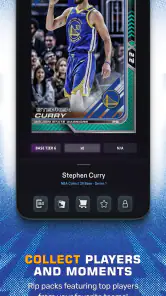
NBA Collect by Topps® is a digital collectibles app centered on officially licensed NBA content. It lets users discover, collect, trade, and manage virtual basketball cards featuring players, teams, highlights, and special releases. The experience is aimed at both casual fans and collectors, although the availability of particular cards, events, and features may vary by region and over time.
Is NBA Collect by Topps® free to download and use?
The app can generally be downloaded without an upfront purchase, but some digital collectibles, packs, promotional items, or premium features may require payment. Before completing a transaction, review the displayed price and purchase terms carefully. Availability and pricing can change, and in-app purchases may be subject to platform restrictions, taxes, parental controls, and the account holder’s payment settings.
Do I need an account or internet connection to use the app?
An account is typically needed to access the full collecting experience, including saving a collection, participating in trading or community features, and receiving promotional content. A stable internet connection is also important because the app relies on online services to load cards, update inventories, process transactions, and synchronize account data. Offline functionality may therefore be limited.
Can I trade or sell my NBA Collect digital cards?
Trading functionality may allow collectors to exchange eligible digital cards with other users, depending on the current app features, marketplace rules, and regional availability. Not every item is necessarily tradable, and some cards may have restrictions or special conditions. Users should also distinguish between exchanging collectibles inside the app and selling them for real money, which may not be supported.
Pros
- Official NBA-licensed cards featuring current stars and classic players.
- Simple interface makes collecting and browsing cards easy for newcomers.
- Regular card releases keep the collection feeling fresh and active.
- Trading features can make completing sets more engaging.
- Digital cards avoid physical storage
- shipping
- and handling concerns.
Cons
- Some cards and packs may require significant spending to obtain.
- Collection value depends heavily on the game's ongoing support.
- Duplicate cards can accumulate quickly without useful exchange options.
- Online features require a stable connection to access the collection.
- Limited-time drops may pressure players to check the app frequently.
- Category
- Sports
- Version
- 40.2.0