My Exchange
- 95.00
- 3.4
- Installs
- 50.00K
- Price
- Free

Screenshots

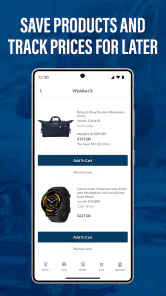
Analysis by Reviewed
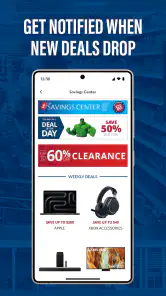
Shopping through a military exchange is a very different experience from browsing a general marketplace, and that is the point of My Exchange. I approached it as a practical shopping app rather than a broad retail replacement. Its purpose is to put exchange-related shopping in one place for people who are eligible to use those benefits, with the Army & Air Force Exchange Service behind it.
The app is free to install and is listed for everyone, while the actual shopping benefit is aimed at the military community. That distinction matters: downloading it costs nothing, but its usefulness depends heavily on whether you can use the exchange services connected with it. In my experience, that makes eligibility and personal shopping habits more important than the app’s headline rating.
How My Exchange fits into military shopping
My first impression is that this is a focused companion for exchange shopping, not an all-purpose marketplace. That focus can be a strength. Instead of forcing military shoppers to begin with a huge catalog built for everyone, the app is designed around the relationship between the customer and the exchange.
The developer, Army & Air Force Exchange Service, gives the app a clear identity. I would be more inclined to try it if I already used exchange stores or wanted a dedicated way to keep exchange shopping separate from ordinary retail orders. Someone looking only for the lowest price across every retailer, however, will still need another shopping tool for comparison.
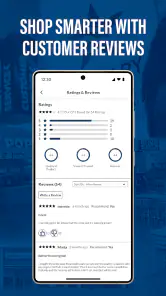
The current release is version 1.0.7, and the app has reached over fifty thousand installs. Its average rating is 3.4 from around one hundred fifty ratings, with roughly ninety-five written reviews. I read that combination as a sign to keep expectations practical: there is enough adoption to show real interest, but the score does not suggest a universally smooth experience.
Free access does not mean universal usefulness
The cost question is straightforward at the installation level. My Exchange is free, so there is no purchase price standing between an interested user and the app. That makes it easy to test without committing money, which is especially useful if you are unsure whether it fits your exchange-shopping routine.
Still, “free” should not be confused with a guaranteed saving on every item. The app’s value comes from access to exchange shopping and its related military benefit, not from an automatic promise that every product will beat every outside retailer. I would use it to check exchange availability and convenience first, then compare important purchases when the final price matters.
More From Our News Desk

Clash of Clans Is Won Between the Battles

Android Auto Makes the Case for Quieter Car Software

MobiOffice: Transforming Mobile Productivity with Seamless Integration

EA SPORTS FC™ Mobile Soccer: Redefining Mobile Sports Gaming

How Microsoft OneDrive Became a Mobile Productivity Giant

How Google Translate Breaks Language Barriers Effortlessly
That is one of the most important trade-offs. A free app can save time when it brings a relevant shopping channel closer to hand, but it cannot by itself make an expensive item a good deal. For small or routine purchases, convenience may be enough. For a large purchase, shipping, availability, and the price at other retailers deserve a separate check.
What the app is useful for in daily life
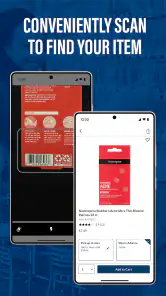
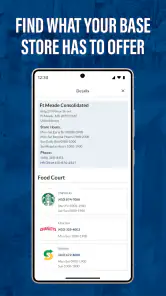
A realistic use case would be a service member or military family member preparing for a busy week and wanting to handle exchange shopping without making a separate trip. I would open the app before leaving home, look for the item I need, and use the result to decide whether it is worth visiting an exchange location or continuing with the available digital shopping path.
That workflow is more useful than casually browsing. The app becomes a planning tool: check first, make a short list, and avoid spending time traveling for something that may not be available in the way you expect. I would also use it when comparing a familiar exchange purchase with a general online retailer, especially when the exchange benefit is the reason I am considering the purchase in the first place.
A less obvious benefit is keeping exchange shopping distinct from personal shopping accounts and wish lists elsewhere. If you already use several retail apps, separating this activity can make it easier to remember where a military-related purchase was researched. That will not matter to everyone, but it can be helpful for households that manage shopping across multiple people and locations.
A better way to test it during the first session
I would not judge My Exchange by opening it once and scrolling through a few products. Instead, I would test it with three different needs: a routine item, something I would want to compare by price, and a purchase where availability matters more than browsing. This exposes whether the app fits your actual habits rather than whether the interface looks appealing for five minutes.
For the first test, choose an item you already know how to buy through an exchange. Note how quickly you can find it and whether the path from search to purchase feels clear. Then try a higher-consideration item and compare the complete cost with your usual retailer. Finally, search for something time-sensitive. That last check tells you whether the app is useful for planning or whether you still need to confirm details elsewhere.
I also recommend deciding in advance what information you need before opening the app. If you only want inspiration, ordinary retail apps may offer broader discovery. If you want to confirm whether exchange shopping is a sensible option for a specific purchase, My Exchange has a more purposeful role.
Where it differs from ordinary shopping apps
General shopping apps win on breadth. They usually make it easy to compare many sellers, browse unrelated categories, and find user-generated alternatives. My Exchange is more specialized. Its reason to exist is not to replace every retailer; it is to serve exchange shoppers who care about the military benefit and the exchange relationship.
That specialization changes how I would compare it with the usual alternatives. I would use a general marketplace for wide price discovery, unfamiliar brands, and broad product research. I would use My Exchange when the exchange channel itself is important. Keeping both kinds of app available is more sensible than expecting one to do both jobs equally well.
The trade-off is extra checking. If you want the absolute cheapest option, you may need to leave My Exchange and compare elsewhere. If you want a military-focused shopping route, starting with a general marketplace can create noise and make the relevant option harder to identify. The better choice depends on whether your priority is maximum selection or exchange-specific convenience.
Small workflow choices that improve its value
One useful habit is to separate “research” from “decision.” Use the app to see whether the exchange is a realistic source, but do not treat the first result as the final answer for a costly purchase. I would write down the item, the total shown at checkout, and any practical delivery detail before comparing it with an outside option.
Another is to use it before a shopping trip rather than after arriving at the store. That gives you a chance to change your plan if the item is unavailable or if another retailer makes more sense. It also prevents the app from becoming merely a digital catalog that you browse without acting on.
A third tip is to test it with the account and shopping situation you actually expect to use. A family member deciding whether the app is useful should not rely only on another person’s experience. Exchange access, shopping needs, and preferred purchasing methods can differ, so the free installation makes a personal trial worthwhile.
Friction and limitations I would consider first
The rating of 3.4 suggests that the experience may not satisfy everyone, and I would take that seriously without treating it as a final verdict. A shopping app can be useful in principle yet frustrating if search, account access, product details, or checkout do not match a person’s expectations. Since this is a relatively focused app, any rough edge may feel more noticeable when the user opens it with one specific task in mind.
The audience is another limitation. Someone outside the intended military exchange community may install it successfully but gain little practical value from it. Even though the content rating is Everyone, that describes age suitability rather than guaranteeing that every shopper can use the underlying benefit.
I would also avoid assuming that a dedicated exchange app eliminates the need for ordinary retail tools. It does not replace broad comparison shopping, independent product research, or a retailer’s own app when those are better suited to the task. The most realistic setup is complementary: My Exchange for exchange-focused shopping, and another service for the rest.
Version 1.0.7 also makes me view the app as a product that may still be developing. I would be patient with a focused utility if it solves my main problem, but I would not install it expecting the maturity or polish of a long-established general marketplace. That is a fair distinction when deciding whether a free trial is worth the small amount of setup time.
Who is most likely to benefit
I think My Exchange is best for active-duty personnel, military families, and other eligible shoppers who already use Army & Air Force Exchange Service or want a convenient digital entry point to it. It is especially suitable for people who prefer to check shopping options before traveling, keep exchange purchases organized, or make routine buying decisions around their military benefit.
It can also suit a shopper who does not want to begin every purchase with a huge general marketplace. A focused app can reduce distraction when the goal is simply to find an exchange option and decide what to do next. The free price makes that experiment low-risk.
I would skip it, or at least postpone installing it, if you are not eligible to use the relevant exchange services, if you only shop through general retailers, or if your main goal is aggressive price comparison across many sellers. In those cases, the app’s specialization is more likely to feel restrictive than helpful.
What I would watch as it develops
The app was released on January 23, 2026, and its current version is 1.0.7. Those details place it at an early point in its release history, but they do not tell me what will change next. I would judge future progress by whether everyday shopping tasks become clearer and more dependable, rather than by assuming that a newer version automatically means a better experience.
For someone already using it, the practical question is whether it becomes a reliable step in the routine: can you return to it when you need an exchange option, and does it help you make a decision without unnecessary extra work? For a new user, I would start with one straightforward purchase and keep expectations measured. That gives you a fair way to evaluate the app on usefulness rather than promise.
My final recommendation
My Exchange is worth trying when its military exchange focus matches the way you shop. I like the fact that it is free to access and has a clear purpose instead of pretending to be every kind of shopping service at once. For eligible users, it can be a sensible first stop for planning exchange purchases and deciding whether a trip or online order is worthwhile.
I would not call it an automatic replacement for a general marketplace. The moderate 3.4 average rating and focused audience suggest that expectations should stay grounded. Use it for the exchange-specific value, verify important purchase details, and compare elsewhere when price or selection is the deciding factor.
My verdict is a cautious recommendation: install it if you are an eligible exchange shopper and want a dedicated tool, because the free access makes testing easy. Skip it if you need universal retail coverage or have no practical connection to exchange shopping. The real value is not in downloading another shopping app; it is in having the right shopping channel ready when the military benefit matters.
My Exchange Frequently Asked Questions
Who is My Exchange intended for?
My Exchange is published by the Army & Air Force Exchange Service and is intended for people interested in its shopping app and the exclusive military benefit highlighted in its store summary. Its content rating is Everyone, but that rating does not explain who qualifies for any particular benefit. If eligibility matters to you, check the app’s current details before downloading.
Is My Exchange free, and what should I know before installing it?
My Exchange is free to download and is listed in the Shopping category. Before installing, make sure you select the app published by the Army & Air Force Exchange Service, rather than another app with a similar name. Its age rating is Everyone, so the store categorizes its content as suitable for a general audience.
What is My Exchange and what can I use it for?
My Exchange is an app designed to help users manage currency exchange information and related calculations from a mobile device. Depending on the version and region, it may provide exchange-rate monitoring, currency conversion, saved currencies, and market updates. Before downloading, check the app’s current description carefully, because available tools and supported currencies can vary between Android and iOS releases.
Does My Exchange provide live exchange rates?
My Exchange may offer current or frequently updated exchange rates, but the exact update frequency depends on the app’s data provider and your internet connection. Rates shown inside the app should be treated as estimates rather than guaranteed transaction prices. Banks, card providers, exchange offices, and payment services can apply their own rates, commissions, spreads, or additional charges.
Can I use My Exchange without an internet connection?
Some features of My Exchange may continue working offline if the app has previously stored currency rates or settings on your device. However, current exchange-rate updates, market information, synchronization, and certain online tools generally require an internet connection. If you are traveling, open the app before going offline and remember that cached rates may become outdated.
Pros
- Clear interface makes checking exchange rates quick and convenient.
- Supports comparing multiple currencies in one place.
- Useful for planning travel budgets and international purchases.
- Currency conversion results are easy to understand at a glance.
- Practical tool for users who regularly monitor foreign exchange values.
Cons
- Rates may differ from those offered by banks or card providers.
- Some features may require an internet connection to update data.
- Exchange-rate updates may not be instant during volatile markets.
- Limited usefulness for users who only handle one currency.
- Ads or promotional elements may distract from the conversion tools.
- Category
- Shopping
- Version
- 1.0.7