MOTORMIA: Tune & Mod Your Ride
- 182.00
- 4.6
- Installs
- 50.00K
- Price
- Free

Screenshots
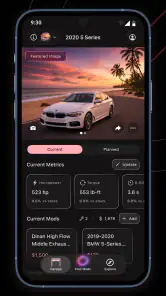
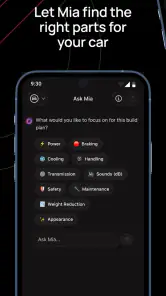
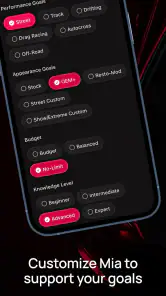
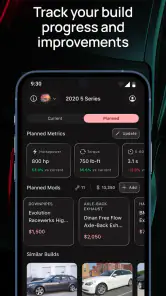
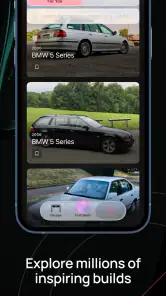

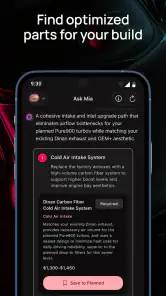
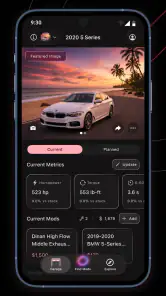
Analysis by Reviewed
I approached MOTORMIA: Tune & Mod Your Ride as the kind of app you open when you want to improve a car but do not want to spend an evening jumping between forums, parts catalogs, and performance calculators. It belongs to the Auto & Vehicles category, is free to use, and comes from MOTORMIA. Its central idea is straightforward: use AI to help narrow down modification and upgrade ideas around a particular vehicle and a particular goal.
That sounds immediately useful, especially for someone who knows a car feels unfinished but cannot yet explain what should change. After spending time with it, my view is more measured. The app is most valuable as a starting point and planning companion, not as a replacement for a trusted mechanic, a proper fitment check, or careful research before buying anything. Its lasting value depends on whether you treat its suggestions as a decision-making aid rather than an automatic build plan.
From first-week curiosity to a workable upgrade plan
The first-week appeal comes from how quickly the app turns a vague interest in tuning into a more focused conversation. Instead of beginning with a huge list of unrelated products, I could think in terms of outcomes: sharper handling, a more purposeful appearance, stronger performance, or a balanced combination that still works for daily driving. That change in perspective is important because beginners often start with a part they have seen online rather than with the problem they actually want to solve.
The AI angle is most helpful when the request is specific. A broad prompt such as “make my car better” leaves too much room for generic advice. A more useful approach is to describe how the car is used, what feels unsatisfactory, and what compromises are acceptable. Someone commuting every day should explain that comfort, reliability, and easy servicing matter. Someone preparing for occasional track use should identify that priority instead. The more clearly I framed the purpose, the more practical the resulting direction felt.
This makes the app approachable for new enthusiasts who may not know the difference between a cosmetic change and a modification that affects braking, suspension geometry, ride comfort, tire wear, or legal compliance. It can help organize the conversation before a visit to a workshop. I also see value for an experienced owner who already understands cars but wants a second angle on the order of upgrades or alternative ways to reach a target.
Latest News
One useful habit is to separate the project into stages rather than asking for a complete transformation in one go. I would first ask what should be addressed for safety and drivability, then what improves the driving experience, and only afterward what adds visual character. That sequence reduces the temptation to spend the budget on visible parts while leaving less exciting but more important work untouched.
The app also suits the early research stage because it encourages comparison. A modification rarely has only one effect. A lower suspension setup may improve stance and cornering feel while reducing ground clearance and comfort. Wider wheels may change the appearance and available tire choices but can introduce clearance concerns. A performance upgrade may create extra heat, noise, or maintenance needs. Asking MOTORMIA to describe those trade-offs is more useful than asking it to name the most aggressive option.
Still, I would not use an AI recommendation as proof that a part fits a specific vehicle. Exact fitment can depend on trim, engine, transmission, factory options, wheel offset, brake clearance, regional specifications, and previous modifications. Those details are easy to overlook in a conversational tool. Before ordering anything, I would confirm the vehicle identification, measurements, compatibility information, and installation requirements with the manufacturer or a qualified shop.
What makes the first sessions worthwhile
The strongest early workflow is to treat the app like a planning notebook with a knowledgeable conversation layer. I would keep one request focused on handling, another on appearance, and another on power or efficiency instead of mixing every ambition together. This makes it easier to notice contradictions. For example, a setup optimized for a comfortable commute may not match a very firm suspension recommendation, even if both ideas sound attractive in isolation.
A second practical tip is to ask for a “why” behind every suggested direction. If the app recommends a change, the useful follow-up is not simply “what brand should I buy?” It is “what problem does this solve, what does it worsen, and what must be checked before installation?” That turns a quick suggestion into a more responsible checklist.
I also found that the app is better at helping define priorities than at ending the research process. It can help a new owner understand which questions to ask at a parts counter or workshop. It can help an experienced owner challenge an initial idea. But the final decision still needs real-world verification, particularly for components related to steering, braking, suspension, engine management, or structural changes.
For a first week, that is enough to make the app feel fresh and useful. It gives a project shape, reduces random browsing, and makes modification discussions easier to understand. The more difficult question is whether that usefulness survives after the initial excitement of imagining a different car wears off.
Where the month-to-month value comes from
An app like this earns a permanent place on a phone only if it remains useful after the first build idea. In my experience, the recurring value is not endless novelty. It comes from revisiting decisions as the car, budget, and priorities change. A modification project is rarely completed in one purchase. It develops through maintenance, seasonal changes, new problems, and a better understanding of what the owner actually enjoys.
One month, the goal may be improving daily comfort. Later, the owner may care more about tire choice, braking confidence, storage, lighting, or a cleaner exterior. MOTORMIA can be useful when the question changes from “what can I install?” to “what should I do next?” That is a more realistic long-term role, because responsible car ownership involves sequencing rather than constant upgrading.
I would use it before a service appointment to prepare a short list of questions. If the car has developed uneven tire wear, unusual noise, or a change in handling, I would ask about possible areas to inspect rather than immediately requesting a modification. That distinction matters. A tuning app should not encourage people to cover up a mechanical issue with a new part.
It can also help with budget discipline. Instead of treating the project as a collection of exciting purchases, I would ask the app to compare a low-cost improvement with a more ambitious route and explain what supporting work each path could require. The answer may reveal that the visible upgrade is not the most sensible next step. Even without exact shopping decisions, that kind of comparison helps prevent a common mistake: buying a part before accounting for installation, alignment, supporting components, or future servicing.
Another recurring use is reviewing the car after each change. I would note what improved, what became less pleasant, and whether the modification still suits normal driving. This is particularly important for owners who use the same vehicle for commuting, errands, passengers, and weekend enjoyment. A setup that feels exciting for a short drive can become tiring when it adds noise, harshness, poor visibility, or constant concern about scraping.
The app’s usefulness is therefore strongest for people who enjoy an ongoing project but want some structure. It is less compelling for someone who wants a single definitive answer and then plans never to revisit the subject. The AI can keep the conversation moving, but it cannot create a reason to modify a car that already meets the owner’s needs.
Keeping recommendations tied to real ownership
The best long-term questions are grounded in routine. I would ask how a change affects cold starts, traffic, parking, long journeys, wet weather, passengers, tire replacement, and access to ordinary service. These are not glamorous topics, but they determine whether a modification remains enjoyable after the first month.
A realistic example would be a driver who wants a sportier feel but still commutes through uneven streets. Rather than asking for the lowest possible ride height, I would ask for ways to improve steering response while preserving usable clearance and reasonable comfort. That may lead to a less dramatic build, but it is more likely to remain satisfying every day. The app is most helpful when it supports that kind of compromise instead of rewarding the most extreme interpretation of a goal.
For enthusiasts who already have a detailed build plan, the recurring benefit may be smaller. They may prefer specialist forums, workshop manuals, manufacturer documentation, or direct advice from a technician because those sources can provide more exact vehicle-specific detail. MOTORMIA still has a place as a brainstorming tool, but it should not be the only reference for a complex project.
The maintenance burden behind the convenience
The app itself is easy to revisit, but the recommendations it inspires can create a much larger maintenance burden. This is where I think new owners need to be especially careful. A modification is not finished when the part is installed. It may change inspection needs, alignment, tire wear, fluid temperatures, noise, fastener checks, or the frequency with which a problem becomes noticeable.
That does not make tuning a bad idea. It simply means the cost of ownership is broader than the purchase price. A responsible workflow is to ask what new checks a proposed modification introduces. For suspension or wheel changes, I would want to know how to monitor wear and alignment. For performance-oriented changes, I would ask about heat management and service intervals. For exterior changes, I would consider visibility, durability, and whether the part remains practical in ordinary parking and weather.
This is also the point where the app’s convenience has a limit. AI can organize questions and explain concepts in accessible language, but it cannot physically inspect a vehicle. It cannot hear a developing bearing noise, measure clearance under load, verify the condition of a mounting point, or confirm that an installation was completed correctly. Those tasks belong to a qualified person with the car in front of them.
I would also avoid copying a recommendation directly into a shopping cart. First, save the idea as a possible route. Then check the exact vehicle specification, the part documentation, local requirements, warranty implications, and the installer’s advice. If any of those conflict with the original suggestion, the real-world evidence should win.
One of the more useful advanced habits is to ask the app for a maintenance checklist after discussing a modification. That checklist should then be reviewed by a professional, but it can prevent the owner from forgetting secondary effects. For example, an upgrade that changes wheel and tire dimensions may affect more than appearance; it can influence steering feel, clearance, and the way wear becomes visible. The value lies in remembering to ask, not in assuming the AI has completed the inspection.
Owners should also think about reversibility. A reversible change is easier to live with if priorities shift, the car is sold, or daily use becomes more demanding. Permanent or complex changes deserve a higher standard of evidence. I would use MOTORMIA to compare the reversible and irreversible paths and to identify what could make returning the car to its original condition difficult.
What becomes tiring after the novelty fades
The first source of fatigue is repetition. If every session produces another list of upgrades, the experience can quietly turn into a shopping loop. That is not the same as making the car better. I found the app more valuable when I used it to narrow choices, reject unnecessary work, and define stopping points. A good build needs an endpoint, even if that endpoint is simply “the car now does what I need.”
The second source is uncertainty. AI recommendations can sound confident even when the question contains missing vehicle details. That tone can encourage overconfidence, especially for a beginner who cannot yet recognize which information is essential. I would treat confident wording as a reason to verify, not as a substitute for verification.
The third is the gap between an attractive idea and an enjoyable daily result. Online car culture often celebrates dramatic visual changes, louder exhausts, very low ride heights, and aggressive specifications. Those choices may suit a particular owner and use case, but they can also bring harshness, reduced practicality, extra attention, or more frequent repairs. MOTORMIA is more useful when asked to explore those downsides openly.
There is also a practical limit to how much detail a general app can replace. Specialist alternatives are better when the task requires exact torque settings, wiring diagrams, model-specific fault diagnosis, legal interpretation, or a verified part number. A workshop is better for assessing condition and installation. A dedicated enthusiast community may be better for long-term ownership notes on a particular platform. The app’s advantage is convenience and broad planning, not authority in every technical situation.
Some users may also lose interest if they are not actively modifying a vehicle. The app is not likely to become a daily habit for someone who only wants occasional transport and has no interest in upgrades. That is not a flaw so much as a question of fit. Its audience is the owner who enjoys thinking about how a car could work or feel differently, even when the next modification is still months away.
To keep the experience from becoming exhausting, I would maintain a simple three-part list: ideas, questions to verify, and changes already completed. This prevents the same suggestion from returning as if it were a new discovery. It also makes the app part of a considered process rather than the source of an endless stream of impulses.
Who should keep it installed
I think MOTORMIA is a good match for a new enthusiast who wants help finding a sensible direction. It can make unfamiliar tuning language easier to approach and can turn a broad wish into a series of manageable decisions. It is also useful for a hands-on owner who wants to compare priorities before speaking with a shop, especially when the project involves balancing appearance, performance, comfort, and budget.
The free price makes experimenting with that planning role easy, and the Everyone age rating keeps it broadly accessible. The app has built a visible user base, with more than fifty thousand installs, and its average rating is 4.6 from just over nine hundred ratings. Those figures suggest that many users find the concept worthwhile, although they do not remove the need to judge recommendations carefully for a specific vehicle.
The current version is 3.6.2, and the app runs on Android 7.0 or later. That makes compatibility practical for people using older Android phones, though the quality of the experience will still depend on the device and on how clearly the user describes the car and intended use.
I would skip it as a primary tool if I needed exact engineering instructions, confirmed fitment, professional diagnosis, or a legally definitive answer. I would also skip it if I had no interest in changing or planning changes to a vehicle. In those cases, a workshop, official technical documentation, or a specialist source is the better choice.
For everyone else, the key is to define its job clearly. Let it help with ideas, comparisons, sequencing, and questions. Do not let it make the final call on safety-critical work or compatibility. That boundary keeps the convenience while reducing the risk of turning a plausible suggestion into an expensive mistake.
My long-term verdict on MOTORMIA
After the initial excitement, I do think the app can earn lasting space on the phone, but only for the right kind of owner. Its strongest quality is not that it makes modification decisions automatic. It makes them easier to discuss, organize, and revisit. That is genuinely useful because good car projects are built around trade-offs, maintenance, and real routines rather than isolated purchases.
I especially like the way it can support a staged approach: define the goal, compare the compromises, verify the vehicle details, consult a professional where needed, and then review the result after living with it. That workflow gives the app recurring value without pretending that AI can replace hands-on expertise.
Its limitations are equally important. Recommendations may need more vehicle-specific context than a casual prompt provides, and an appealing upgrade can create ongoing work that is easy to underestimate. The app will not stop a user from chasing novelty unless the user asks practical questions and is willing to reject an exciting but unsuitable idea.
My recommendation is therefore positive but conditional. If you enjoy improving your car and want a friendly place to shape ideas before spending money, MOTORMIA is worth trying. Keep it installed if its suggestions continue to help you prioritize maintenance, plan sensible stages, and ask better questions. If it becomes only an endless catalog of tempting upgrades, remove the noise and return to the fundamentals: a healthy vehicle, a clear purpose, and changes that make everyday driving better.
MOTORMIA: Tune & Mod Your Ride Frequently Asked Questions
What devices and operating systems can run MOTORMIA: Tune & Mod Your Ride?
Before downloading, check that your device meets the app’s operating-system requirement. The Android version supports devices running Android 7.0 or later, which covers a broad range of phones and tablets. As with most vehicle-focused apps, how smoothly it runs can still depend on your device, so keeping your operating system updated and closing unused apps may help.
Who develops MOTORMIA, and how established is it?
MOTORMIA: Tune & Mod Your Ride is developed by MOTORMIA. It has attracted more than 50,000 installs, with an average rating of 4.6 from around 900 ratings. Those figures suggest a growing audience of people interested in car customization, though individual experiences can differ. If you are deciding whether it suits you, the app’s focus on personalized modifications is a useful starting point.
What is MOTORMIA: Tune & Mod Your Ride?
MOTORMIA: Tune & Mod Your Ride is a vehicle customization and car-building game focused on modifying, tuning, and styling different rides. Players can personalize vehicles with visual upgrades, performance parts, wheels, paint, and other modifications, then use their creations in gameplay. It is aimed at car enthusiasts who enjoy experimenting with builds rather than simply driving standard vehicles.
Can I customize cars extensively in MOTORMIA?
Yes, customization is the main attraction of MOTORMIA. The game offers various ways to change a vehicle’s appearance and setup, including body components, colors, wheels, accessories, and performance-related upgrades. The exact selection may depend on the vehicle, progression, or available in-game resources, but players generally have plenty of room to create distinctive builds and compare different styles.
Is MOTORMIA: Tune & Mod Your Ride free to download?
MOTORMIA is free to download, although the game may include optional in-app purchases. These purchases can potentially provide currency, upgrades, cosmetic items, or faster progression. Before downloading, it is worth checking the current store listing and reviewing the payment settings on your device, especially if children may access the game.
Pros
- Wide selection of parts for creating highly personalized car builds.
- Easy-to-use customization tools make experimenting with designs enjoyable.
- Visual upgrades help users preview how modifications change the overall look.
- Suitable for casual players and car enthusiasts alike.
- Regular challenges can add goals beyond simply styling vehicles.
Cons
- Some premium parts or features may require in-app purchases.
- Detailed customization can feel overwhelming for new players.
- Performance may vary on older or less powerful devices.
- Progress may depend on completing repetitive tasks or challenges.
- The game may appeal less to players seeking realistic driving mechanics.

- Category
- Auto & Vehicles
- Version
- 3.6.2