MECH.AI: Diagnostic & Repair
- 162.00
- 4.3
- Installs
- 100.00K
- Price
- Free

Screenshots





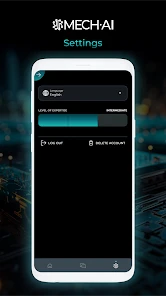


Analysis by Reviewed
I approach MECH.AI: Diagnostic & Repair as a way to make sense of a vehicle problem before deciding what to do next. It is an automotive assistant from MECH.AI LLC, and its AI focus makes it most useful as a starting point for questions and troubleshooting—not as a replacement for a mechanic or a proper inspection. If a warning light appears or the car behaves differently, having a place to organize the symptoms can help me avoid guessing.
What I would want from an automotive helper
For this kind of app, my first decision is whether I need plain-language guidance or a definitive diagnosis. A digital assistant can help me describe a symptom, consider possible causes, and prepare better questions for a repair shop. It cannot make a risky vehicle safe to drive, and I would not treat an AI suggestion as proof that a particular part has failed. That distinction matters most when braking, steering, overheating, or other safety-critical behavior is involved.
The practical test is whether the advice helps me take a sensible next step. I would note when the issue happens, what the vehicle is doing, and any warning shown, then use that description to ask for guidance. Keeping those details together is more useful than entering a vague “car won’t work” prompt and acting on the first possibility. Use AI to narrow the conversation, not to skip a qualified inspection.
The All-in-One Diagnostic Tool
When I first downloaded MECH.AI: Diagnostic & Repair, I was immediately struck by its sleek and intuitive interface. It’s like having a tech-savvy friend in your pocket, ready to diagnose issues with a wide range of devices—from smartphones to laptops, and even some household appliances. The app claims to identify problems in mere seconds, and honestly, it’s not an exaggeration.
Quick Setup and Easy Navigation
Setting up the app was a breeze. After installation, I was guided through a simple tutorial that showcased the app’s main features. Navigation is straightforward, with a clean layout that makes it easy to jump between diagnostic tools and repair guides. It’s designed for everyone, whether you’re a tech newbie or a seasoned pro.
MECH.AI is free to download, with optional in-app purchases ranging from $3.99 to $749.99 per item, so I would check the purchase details carefully before paying for anything. The app is rated for Everyone, has a 4.3 average from around 500 ratings, and has passed 100,000 installs. It was released on April 21, 2024; version 1.1.6 requires Android 7.0 or later. Those figures offer a sense of its reach, but they don’t tell me whether a particular answer will fit my vehicle, so I’d still judge each recommendation on its reasoning.
Diagnose Before You Panic
One of the standout features is its diagnostic capability. I tested it on my slightly aging laptop that had been running slower than molasses. After running a quick diagnostic, the app suggested a few tweaks and optimizations. Lo and behold, my laptop was back to its zippy self! It’s like having a mechanic who can tell you what’s wrong without the technical jargon.
For an everyday automotive use case, imagine a warning light coming on during a routine trip. I would pull over somewhere safe if the car seemed unsafe, record the exact warning and any change in how it drives, then consult the app once stopped. That detail can help me decide whether the next step is to arrange service promptly or ask a more focused question. I would not keep driving simply because an app offers a plausible explanation; warning lights and symptoms can have several causes, and a remote tool cannot inspect the car.
Repair Guides that Make Sense
What’s more impressive is the variety of repair guides available. These guides are detailed yet easy to follow, complete with step-by-step instructions and visual aids. I tried fixing a pesky Wi-Fi issue on my tablet using one of the guides, and to my surprise, I managed to resolve it in no time. The app empowers you to tackle repairs you might have otherwise paid someone else to do.
That kind of guidance is most valuable when the suggested task is low-risk and within my ability. Before starting, I would read the whole procedure, check whether it calls for tools or expertise I lack, and stop if the instructions do not match the vehicle or symptoms. A useful trade-off is that self-guided troubleshooting can save a wasted trip for a simple issue, but a mistaken repair can cost time or make matters worse. For major mechanical work, I would rather use a service manual or a qualified technician than improvise from general advice.
Community Driven Support
Another feature worth mentioning is the community support. Users can share their experiences and tips, making it a collaborative platform. I found the community forums to be a goldmine of information, especially for troubleshooting uncommon issues.
Community posts can add context that a short diagnostic exchange misses, particularly when another owner describes a similar symptom. I would treat those accounts as leads, not instructions guaranteed to apply: two cars can behave alike for different reasons. Compared with searching the web, an automotive assistant can make it easier to frame a question around the problem; compared with a repair manual, it is less suited to exact procedures that depend on a specific model. I’d use each for what it does best rather than expect one tool to cover every case.
Who should keep it handy
I can see this being useful for drivers who want help translating a confusing symptom into clear questions, or who are comfortable doing basic checks and want a guided place to begin. It is less suitable for someone expecting a guaranteed fault code reading, a complete vehicle-specific service manual, or a substitute for roadside assistance. If the car is unsafe to operate, or the repair involves safety-critical systems, calling a professional is the better choice.
To get more useful guidance, I would describe what changed, when it started, and whether the symptom is constant or intermittent. I would avoid sharing unnecessary personal details in a community post and would compare any repair suggestion with the vehicle’s manual or a trusted professional before buying parts. Those small habits make an AI assistant more helpful while reducing the chance of treating a guess as a diagnosis.
Make the advice useful before spending money
There is a practical way to use an assistant like this without letting it steer the whole repair. I would first write down the symptom in plain terms, then ask one focused question at a time. If the answer suggests several possible causes, I would keep that list as a set of possibilities rather than jump straight to buying the part named first. This is especially helpful when a symptom appears only under particular conditions, such as after the car has been parked overnight or during a certain kind of trip.
I would also separate observation from interpretation. “The engine feels rough when stopped” is more useful than “the engine mount is broken,” because the second statement assumes a cause before anyone has checked it. A short note about whether the problem changes with temperature, speed, or another repeatable condition can make the next conversation with a mechanic more productive. The app can help me organize that conversation, but the quality of the result still depends on the details I provide.
Before following a repair suggestion, I would check whether it involves lifting the vehicle, working near moving parts, handling fluids, or disconnecting anything important. If it does, I would consider whether I have a safe workspace and the right experience, not just whether the instructions sound manageable. A guide that reads clearly is not automatically a safe job for a beginner. When the risk or uncertainty is high, stopping at diagnosis and taking the notes to a professional is a sensible outcome, not a failure to use the app.
How it fits beside other repair resources
The usual alternatives serve different needs. A search engine is useful when I already know the terminology and want to compare many explanations, but results can be scattered and may mix vehicle-specific advice with unrelated cases. An owner’s manual is better for official controls, warning indicators, and routine checks, while a service manual is the stronger choice for precise procedures tied to a particular vehicle. A mechanic remains the right option when inspection, testing, or safe repair is required.
MECH.AI sits most naturally between those choices: it can help turn a vague worry into a clearer question and point me toward a next step. That is a worthwhile role, but it is not the same as reading live diagnostic data or examining a component. I would not choose it as my only resource for an urgent breakdown, and I would not assume that a general answer applies to every make, model, and year. Its value is strongest before a shop visit or during low-risk troubleshooting, when I need help thinking through what I know and what I still need to ask.
There is also a difference between getting an explanation and getting a verified repair outcome. If a suggestion seems plausible, I would check it against the vehicle manual or ask a technician to confirm it before spending heavily on parts. The app’s free download makes it easy to try as a first step, while its in-app purchases mean I would review the exact purchase screen and terms before committing to anything. I would not pay simply because a problem feels urgent; in an emergency, direct roadside or professional help matters more than exploring optional app content.
Who is likely to benefit—and who should pass
I would keep this app in mind if I drive regularly, like understanding what is happening before calling a repair shop, and can distinguish a possible explanation from a confirmed fault. It may be especially useful for someone who feels intimidated by automotive vocabulary: a clear description of symptoms and a few focused follow-up questions can make a service appointment less stressful. It can also help a careful owner decide whether a minor issue is worth monitoring or needs prompt attention, provided safety is not in doubt.
I would skip it as a primary solution if I need emergency roadside assistance, exact vehicle-specific repair instructions, or a guaranteed diagnosis from a warning light alone. It is also a poor fit for anyone likely to treat confident-sounding AI output as certainty or to attempt work beyond their skill level. Drivers who already have a trusted mechanic and need only a hands-on inspection may gain little from inserting another step. The best reason to use it is not to avoid experts, but to arrive at that expert conversation better prepared.
For a driver deciding whether to install it, the key question is what kind of help they expect. If the goal is to learn how to describe a problem, compare possible next steps, and avoid an uninformed guess, the app has a useful place in an automotive toolkit. If the goal is to know exactly which component has failed or to repair a safety-critical system without inspection, I would choose a qualified technician instead.
A clear recommendation for cautious drivers
In conclusion, MECH.AI: Diagnostic & Repair is a must-have for anyone who has ever felt overwhelmed by tech problems. It’s user-friendly, efficient, and incredibly helpful. Whether you need a quick diagnostic or a detailed repair guide, this app has got you covered. Give it a try, and you might just find yourself saying goodbye to those frustrating tech woes for good!
MECH.AI: Diagnostic & Repair Frequently Asked Questions
What is MECH.AI: Diagnostic & Repair, and how does it work?
MECH.AI: Diagnostic & Repair is a cutting-edge application designed to help users diagnose and fix mechanical issues in vehicles using AI technology. The app provides step-by-step guidance for troubleshooting and repairing common mechanical problems in cars and other vehicles. By utilizing machine learning algorithms, it can accurately identify issues based on user inputs and suggest appropriate solutions, making it a valuable tool for both amateur and professional mechanics.
Is MECH.AI: Diagnostic & Repair suitable for all types of vehicles?
MECH.AI: Diagnostic & Repair is designed to cater to a wide range of vehicles, including cars, trucks, and motorcycles. The app's database is continuously updated with information on various makes and models, ensuring compatibility with most vehicles on the road. However, for highly specialized or rare vehicles, users might find some limitations in the app's capabilities. It's always recommended to check the app's supported vehicle list before proceeding.
Does MECH.AI: Diagnostic & Repair require an internet connection to function?
While MECH.AI: Diagnostic & Repair can perform basic diagnostic functions offline, an internet connection is recommended for accessing the full range of features. The app frequently updates its database and algorithms to provide the most accurate and up-to-date information, which requires connectivity. Additionally, connecting to the internet allows users to access customer support and community forums for additional assistance.
Are there any costs associated with using MECH.AI: Diagnostic & Repair?
MECH.AI: Diagnostic & Repair offers a free version with limited features, suitable for basic diagnostics. For more advanced features and in-depth analysis, users can opt for a premium subscription model. The subscription provides access to an expanded range of diagnostics, priority support, and regular updates. Pricing information can be found within the app or on the official website, allowing users to choose the plan that best suits their needs.
How user-friendly is MECH.AI: Diagnostic & Repair for beginners?
MECH.AI: Diagnostic & Repair is designed with user-friendliness in mind, offering an intuitive interface that guides users through each step of the diagnostic and repair process. The app includes detailed instructions and visual aids to assist users, even those with minimal mechanical knowledge. It also features a help section and tutorials to further support users in understanding and utilizing the app effectively, making it accessible for beginners and experienced individuals alike.
Pros
- Easy to navigate interface
- Comprehensive diagnostic tools
- Real-time repair suggestions
- Supports multiple vehicle models
- Regular updates with new features
Cons
- Requires stable internet connection
- Limited free version features
- May be complex for beginners
- Occasional in-app ads
- Heavy on battery usage

- Category
- Auto & Vehicles
- Version
- 1.1.6