kungfu city fighting game
- 45.00
- 3.2
- Installs
- 500.00K
- Price
- Free

Screenshots
Analysis by Reviewed
When I try a martial-arts game on a phone, I care as much about the first few minutes as the fights themselves: can I get into a match without fuss, and does the action feel readable on a small screen? Kungfu City Fighting aims for quick, energetic combat in a city setting. It is a free comics-category app from Pygmies Games Studios, though the fighting-game framing is what matters most to someone deciding whether to play. I’d treat it as a casual action pick rather than assume it will offer the depth or polish of a well-established competitive fighter.
Where players can get stuck
The main practical question is whether the controls feel comfortable on your particular phone. Touch controls can be easy to understand yet awkward to use precisely, especially when your thumbs cover part of the action. I’d begin with a short session, pay attention to whether attacks respond when expected, and avoid judging the game from a single hurried fight. A screen that feels crowded or inputs that seem inconsistent can make timing-heavy combat frustrating.
It also helps to keep expectations grounded. The game’s average is 3.2 from around a thousand ratings, with about 45 written reviews, so reactions are mixed rather than uniformly enthusiastic. That is a useful signal to weigh alongside your own experience, not a verdict on whether it will suit you. The app has passed 500,000 installs, but popularity alone does not tell me how it will run on a specific device.
Simple checks before a session
The listed minimum system requirement is Android 4.4, and the current version is 1.10. If installation or launch is troublesome, I’d first check that the device meets that Android requirement and that the download has finished properly. Then I’d close and reopen the app and try again. These are ordinary first steps, not a promise that they solve every issue.
Because this is rated Teen, I’d also make the usual age-appropriateness check before handing a phone to a younger player. The game is free, which lowers the barrier to trying it, but “free” does not tell me whether every part of the experience will match my preferences. I’d take a moment to look over the screens presented in the app and decide whether I’m comfortable continuing before settling into a longer session.
Playing, troubleshooting, and deciding
For a practical test, I’d play a brief round when I have a few uninterrupted minutes rather than start while rushing between tasks. That makes it easier to notice whether the controls, pace, and presentation work for me. If a screen seems unresponsive, I’d pause, check whether the app itself is still active, and restart it before repeating the same input rapidly. Repeated tapping can make it harder to tell whether the problem is a missed touch or a delayed response.
When the cause may be elsewhere
A rough session does not automatically mean the game is broken. A phone that is busy with other tasks, an accidental touch near the screen edge, or simply unfamiliarity with the controls can all affect how a fight feels. I’d close other apps if the device seems sluggish, make sure the screen is clean and unobstructed, and try the same basic actions again. If the problem keeps returning, I’d stop rather than assume that reinstalling or changing settings will fix it.
More From Our News Desk

Clash of Clans Is Won Between the Battles

Android Auto Makes the Case for Quieter Car Software

MobiOffice: Transforming Mobile Productivity with Seamless Integration

EA SPORTS FC™ Mobile Soccer: Redefining Mobile Sports Gaming

How Microsoft OneDrive Became a Mobile Productivity Giant

How Google Translate Breaks Language Barriers Effortlessly
Who should give it a try?
I’d recommend a cautious try to someone who wants a free, straightforward martial-arts diversion and is happy to judge it on their own device. It may be a reasonable choice for a short break when the goal is to sample action rather than commit to a long learning curve. On the other hand, players who need a highly dependable competitive experience, precise controls, or a clearly documented range of modes should compare it with better-established fighting games before investing much time.
How it fits among fighting games
Compared with the usual options in the genre, a phone-based fighter has an obvious convenience advantage: it is close at hand for a spare moment. That convenience is only useful if the touch response works for you. Dedicated fighting games can be a better fit when you want a more familiar competitive scene or greater confidence in control design; a casual action game may suit you better if you mainly want an easy session. I would use the first few rounds to decide which side of that trade-off matters more.
For example, if I had a few minutes waiting for a ride, I’d launch it only when I could give the screen my attention, play a short session, then leave it rather than trying to squeeze in a match while walking or juggling other tasks. That small habit makes it easier to tell whether I enjoy the combat instead of blaming the game for distracted inputs. If the controls still feel uncomfortable after a fair try, I’d move on to another fighter rather than forcing the fit.
Gameplay and Mechanics
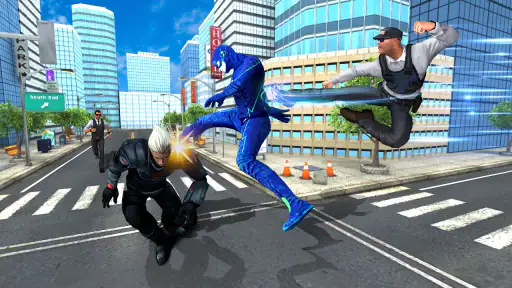
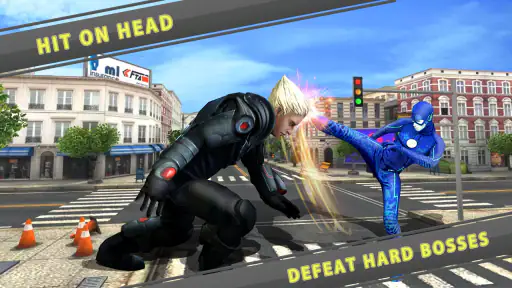
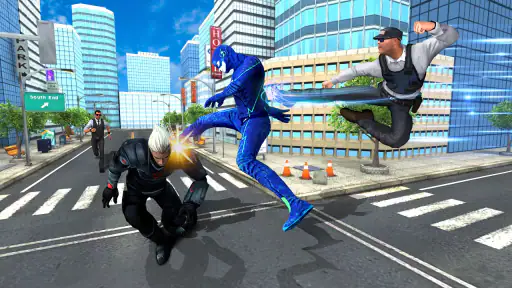
Getting started with Kungfu City Fighting is like stepping into an action movie. The controls are intuitive, making it easy for even a novice to throw punches and kicks like a pro. But don't be fooled; mastering the game requires skill and timing. It's not just about mashing buttons — you need to think like a true martial artist.
What sets this game apart is its attention to detail in combat mechanics. Each character has unique abilities and combos, encouraging you to strategize your moves. Whether you're a fan of swift attacks or prefer powerful, calculated strikes, there's a character for you. And trust me, finding your favorite fighter is half the fun.
Graphics and Sound
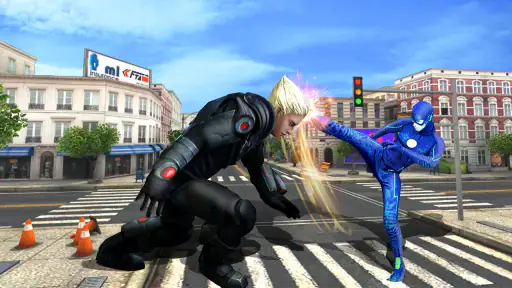
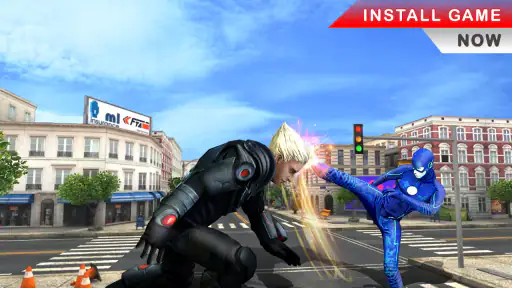
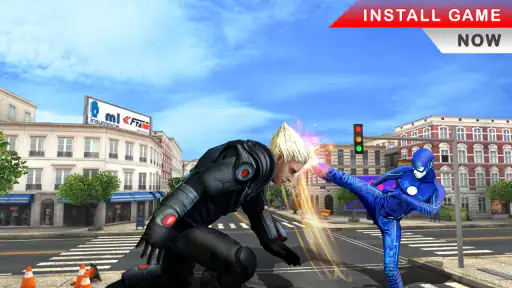
The visuals are a feast for the eyes. The cityscape serves as a vibrant backdrop to your epic battles, with every kick and punch rendered in stunning detail. The animation is smooth, and the character designs are both modern and nostalgic, paying homage to classic kungfu films.
And let's talk about the sound for a moment. The soundtrack is a perfect mix of high-energy beats and traditional Asian tunes, immersing you in the atmosphere of a bustling martial arts arena. The sound effects add to the thrill, with each hit resonating like a drumbeat of victory.
Features and Customization
Customization is a big deal here, allowing you to personalize your fighters with a variety of outfits and gear. It's a neat way to express your style and intimidate your opponents before the fight even begins. The game also offers several modes, including solo missions, multiplayer challenges, and tournament battles, ensuring there's always something new to tackle.
Another standout feature is the game's storyline. It’s engaging and full of twists, keeping you on the edge of your seat. You'll feel like a part of an epic saga, each win bringing you closer to becoming the ultimate martial arts master.
Making a fair first impression
I wouldn’t decide whether this is worth keeping based on one opening encounter. A better test is to play long enough to get past the initial novelty, then ask whether the basic rhythm remains enjoyable: can I see what is happening, understand why an exchange went well or badly, and make a different choice next time? That simple check is more useful than trying to rush through several fights. It separates a control problem from the ordinary learning curve of a new action game.
There’s also a practical difference between playing for a quick distraction and looking for something to master. If I only want a burst of comic-book-style action during a quiet break, I can accept some rough edges. If I want to practise exact inputs, build a reliable routine, or compare performance with other players, I need stronger confidence in consistency. I’d let my intended use decide how much friction I’m willing to tolerate.
A low-pressure way to test the fit
Since it costs nothing to try, I’d treat the first session as a compatibility check rather than a commitment. Notice whether the app launches comfortably, whether the display is easy to follow, and whether the controls make sense without constant guesswork. If the first minutes feel busy, take a pause and try again when you can focus. If it remains uncomfortable in a calm setting, that is a clear reason to choose another game, not a challenge to overcome by spending more time.
The Teen age rating is worth considering in the same practical way. I’d preview the experience myself before passing the device to a younger family member, then decide whether its fighting presentation feels suitable for that person. A rating is a useful starting point, but an adult who knows the child’s sensitivities can make the better call. This is especially sensible when a game is being introduced on a shared phone, where someone else’s usual settings or habits may affect the session.
Choosing it for the right kind of break
A realistic use case is a short wait at home while dinner is in the oven: I can sit down, give the screen my attention, and see whether a round provides an enjoyable diversion. That is a better setting than trying to play while walking, commuting through a crowded space, or switching repeatedly between messages and the game. Those interruptions make touch input harder to judge and can turn a potentially fun session into a frustrating one.
I’d also avoid treating it as a dependable way to fill a long stretch of time until I know which parts hold my interest. The game’s fighting setup may appeal to someone who likes quick action, while its comics-category placement could make a reader curious about the presentation. But I’d choose it for the combat experience, not assume that its category means it works like a comic reader. If I want a long narrative or a focused reading session, a dedicated comics app is the more sensible choice.
What to compare before settling in
When I compare it with other mobile fighters, I look beyond the promise of action and ask how much precision the game demands from a touchscreen. A title built around careful timing can be a poor match for a small display or for someone who plays one-handed. A simpler action game is often a better choice when I want a forgiving, low-effort break; a more established fighting title is preferable when dependable control and competitive depth matter more than convenience.
That comparison doesn’t make one style universally better. Kungfu City Fighting may be appealing if I want to sample martial-arts action without paying up front and can accept that my own phone will determine how comfortable it feels. I’d keep expectations modest about how far the experience will go, especially if I usually play games with extensive tutorials, carefully tuned controls, or a large competitive community. Those are different priorities, and another fighter may serve them better.
Small habits that make troubleshooting clearer
If an input seems to fail, I’d change just one thing at a time. First, I’d check whether my thumb is covering the area I mean to tap; next, I’d try the same action again after the screen is clear and the phone is responsive. If the issue appears only when other apps are active, closing them gives me a cleaner comparison. This is a useful way to avoid confusing a one-off missed touch with a repeated problem.
I’d also keep a simple mental note of when trouble happens: during launch, in a particular screen, or only once combat starts. That distinction helps me choose a reasonable next step. A launch problem points me back to the Android requirement and a clean restart; a sluggish phone calls for closing background tasks; repeated discomfort with the controls may simply mean this is not the right design for me. I wouldn’t jump to drastic fixes without a clear reason.
How much confidence to place in reactions
The average score of 3.2 and the volume of ratings tell me to approach with curiosity rather than certainty. A mixed reception is not proof that the game will be poor on my device, just as a large install count cannot guarantee a smooth experience. I’d use other players’ reactions as context, then give my own first session more weight. The useful question is not whether everyone likes it, but whether its particular control feel and pace suit the way I play.
That is also why I would not spend time trying to make the game fit a use case it does not serve. If I want a casual martial-arts distraction, a short personal trial is fair. If I need a polished, consistently responsive competitive game, I’d compare alternatives before investing effort. Knowing that distinction in advance saves time and makes the decision feel straightforward rather than disappointing.
Final Thoughts
In a nutshell, Kungfu City Fighting is a must-try for any fighting game enthusiast. It combines the thrill of martial arts with engaging gameplay and stunning visuals. Whether you're in it for the competitive edge or just looking to blow off some steam, this game delivers on all fronts. So grab your virtual black belt and dive into the action — you won't regret it!
kungfu city fighting game Frequently Asked Questions
What kind of app is Kungfu City Fighting Game?
Kungfu City Fighting Game is a free app in the comics category, built around a crime-city hero adventure with action and kung fu combat. Its short description is simply “kungfu city,” while its summary presents it as a super flash hero adventure packed with action. If you enjoy comic-style action themes, this gives you a sense of the app’s general appeal before downloading.
Who develops Kungfu City Fighting Game, and what should I know about its release?
Kungfu City Fighting Game is developed by Pygmies Games Studios. It was released on February 22, 2020, and its current version is 1.10. These details can help you identify the app and check that you are looking at the intended release when browsing for it. The game is free to download, so you can try it without an upfront purchase.
What is the objective of Kungfu City Fighting Game?
Kungfu City Fighting Game is designed to provide a thrilling martial arts experience, allowing players to engage in intense combat scenarios. The main objective is to progress through various levels by defeating opponents using a combination of kung fu techniques, strategy, and quick reflexes. Players earn rewards and unlock new characters and skills as they advance.
What platforms is Kungfu City Fighting Game available on?
Kungfu City Fighting Game is available for both Android and iOS devices. Users can download the game from the Google Play Store or the Apple App Store. The game supports a range of devices and offers an optimized experience on smartphones and tablets, making it accessible to a wide audience.
Does Kungfu City Fighting Game require an internet connection?
Kungfu City Fighting Game can be played offline, allowing users to enjoy the game without an active internet connection. However, certain features such as updates, in-game purchases, and leaderboards may require internet access. Playing online also enhances the experience by allowing players to compete with others globally.
Pros
- Engaging gameplay with smooth controls
- Variety of characters to choose from
- Stunning graphics and animations
- Offline mode available
- Regular updates with new features
Cons
- Contains in-app purchases
- Limited storyline depth
- Can be repetitive over time
- Requires frequent internet connection
- Ads can be intrusive
- Category
- Comics
- Version
- 1.10