Flexcar
- 121.00
- 3.6
- Installs
- 50.00K
- Price
- Free

Screenshots
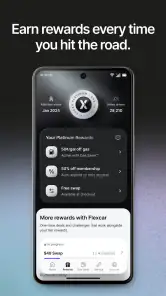
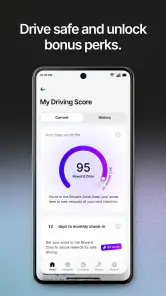
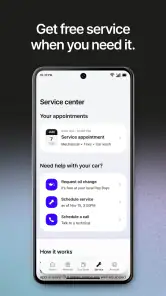

Analysis by Reviewed
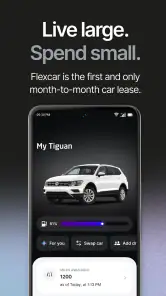
Getting a car can be awkward when your needs do not fit neatly into buying or signing a long traditional lease. That is the situation where I found Flexcar most interesting. This free Auto & Vehicles app from Flexcar, LLC is built around a month-to-month car lease, so I approached it less like a normal vehicle marketplace and more like a tool for arranging flexible access to a car. The distinction matters: it may suit someone who needs a vehicle for an uncertain period, but it is not automatically the cheapest or simplest answer for every driver.
My overall impression is positive but measured. The app makes the idea of flexible leasing easier to explore from a phone, and its purpose is much clearer than the usual mix of dealership listings, loan calculators, and rental apps. At the same time, a flexible lease still involves a serious financial and practical commitment. I would use Flexcar to investigate whether this model fits my circumstances, not as an excuse to skip the careful questions I would ask before accepting any vehicle arrangement.
From an uncertain car need to a workable monthly plan
When Flexcar makes sense as the starting point
I would begin with Flexcar if my starting condition looked something like this: I need a car soon, I do not know how long I will keep it, and I want to avoid committing immediately to ownership or a conventional multi-year lease. A temporary work assignment, a move to a new area, or a period when public transportation is no longer practical can create exactly that kind of uncertainty.
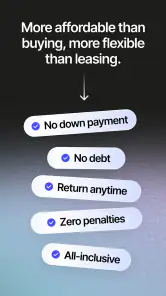
The app’s central appeal is the month-to-month structure. That gives it a different role from a standard car-buying app, where the main outcome is usually a purchase inquiry, and from a rental app, where the relationship is commonly designed around short stays. Flexcar sits between those familiar choices. It is intended for someone who wants ongoing access to a vehicle while retaining more flexibility than a typical long lease.
That flexibility should not be confused with complete freedom. A car still brings fuel, parking, insurance considerations, maintenance expectations, and the daily responsibility of keeping it usable. The app can help me investigate the arrangement, but it cannot remove the real-world cost of having a vehicle. I would therefore start by writing down how long I realistically expect to need the car, how much driving I do, and whether my situation is stable enough for a monthly commitment.
Latest News
This preparation is one of the most useful steps because it prevents the app from becoming a browsing exercise. If I only need transportation for a weekend or a short holiday, a conventional rental is likely a better match. If I expect to keep the same car for years and can handle financing, buying may offer a clearer long-term path. Flexcar becomes more compelling when the time horizon is open-ended but ownership feels premature.
What I look for before choosing a vehicle
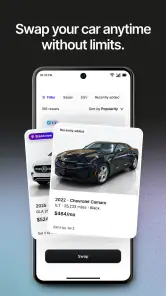
Inside a flexible-car workflow, I would not judge an option only by its monthly figure or by how attractive the vehicle looks on screen. I would first consider whether the car fits my routine. A compact model can be easier to park and more economical for city errands, while a larger vehicle may be more useful for family trips or equipment. The right choice depends on the handoff between the app’s offer and my actual week.
I would also think about the less visible parts of the decision. Where will the car spend most nights? Will I use it for a daily commute, occasional appointments, or long journeys? Do I need room for passengers? Is my driving likely to change next month? These questions are especially important with a month-to-month arrangement because flexibility is valuable only when it matches a changing need.
A practical tip is to compare the app’s possible monthly commitment with the total cost of the alternatives I would genuinely use, not with an imaginary ideal. For example, compare it with public transport plus occasional rides, a normal rental for the period you expect to need a car, or the complete monthly burden of owning one. Looking only at the headline lease amount can make a flexible option appear simpler than it is.
The first step-by-step pass through the app
My first pass would be deliberately slow. I would open Flexcar, identify what vehicles or arrangements are available to me, and read each piece of information as part of a decision rather than treating the screen like a shopping catalog. The important outcome is not merely finding a car; it is understanding whether the proposed arrangement matches my time frame and daily use.
I would keep a short comparison note while browsing. For each promising option, I would record the vehicle type, the apparent monthly obligation, the practical fit for my routine, and the questions that still need answers. This small workflow is more valuable than relying on memory, especially if several vehicles look similar. It also gives me something concrete to review before moving from exploration to commitment.
The app is free to install, which lowers the barrier to researching the service. It carries an Everyone content rating, so its presentation is intended for a broad audience. It supports Android devices beginning with version 7.0, making it accessible on a wide range of phones. Those details make initial exploration easy, although the ease of opening the app should not be mistaken for proof that every later step will be equally frictionless.
Where the handoffs begin
The first important handoff is between my personal need and the vehicle information shown in the app. A screen can present an appealing option, but I still have to translate it into a real decision: Can I use this car for my commute? Does it suit my passengers? Is the arrangement sensible if my plans change? Flexcar is most useful when I treat it as the front end of that conversation rather than the entire conversation.
The next handoff is from digital browsing to whatever verification or arrangement process follows. This is where I would slow down and read carefully. Before agreeing to anything, I would want a clear understanding of the ongoing obligation, what is expected from me, and how changes to my situation are handled. A month-to-month label is attractive, but the exact practical meaning of that flexibility is what determines its value.
I would also prepare the information I may need before beginning the application or checkout process. Having identification, driver details, and relevant payment information ready can make the transition smoother, but I would not rush simply because the form is convenient. If a question affects eligibility, cost, vehicle access, or the ability to end the arrangement, I would resolve it before proceeding.
A realistic everyday scenario
Imagine I have moved to a suburb for a temporary work assignment. The train does not reach my workplace reliably, but I am not sure whether the assignment will last long enough to justify buying a car. I open Flexcar at home, browse for a vehicle that fits my commute, and compare the expected monthly commitment with the cost of combining public transportation and occasional rides.
At this point, the app helps me turn a vague problem into a concrete choice. I can think about the car I need, the period I expect to use it, and the practical handoff from selecting an option to arranging access. If the flexible structure matches my uncertain schedule, it may save me from entering a longer agreement before I know where I will be in a few months.
The workflow does not end when I find a suitable listing. I would still check how the vehicle reaches me, what condition I should expect, what I need to do at pickup or delivery, and how support works if something is unclear. Those details belong to the outcome even if the first decision happens inside the app. A smooth digital beginning is helpful, but the quality of the handoff determines whether the experience remains smooth after the screen disappears.
What makes the result different from a rental or purchase
The result I am looking for with Flexcar is not simply a temporary set of keys. It is a more continuous transportation solution without immediately treating the vehicle as a permanent purchase. That can be valuable when my need is measured in months but my future is not settled.
Compared with an ordinary rental, the flexible lease concept may feel more suitable for everyday life because it is aimed at an ongoing arrangement rather than repeated short bookings. I would not have to approach every day as a separate rental decision. Compared with buying, it can reduce the psychological weight of making a long-term ownership decision before I understand my future needs.
There is a trade-off, though. Ownership can eventually provide more control and may make sense for someone who expects to keep a car for a long time. A conventional lease may also be preferable for a driver who wants a clearly defined term and predictable structure. Flexcar is strongest in the middle ground: I want a car now, I expect to use it regularly, and I value the option to avoid a rigid long-term commitment.
One non-obvious benefit of this middle ground is decision timing. I can separate the question “Do I need a car right now?” from the much larger question “What car should I own for the next several years?” That separation can prevent an emotional purchase after a sudden change in work or housing. The trade-off is that flexibility has to be worth paying for in my particular situation; otherwise, the middle ground may simply cost more than a well-planned alternative.
Where the workflow breaks down
The biggest friction appears when digital convenience encourages me to overlook the obligations behind the arrangement. I may be able to browse quickly, but a car is not a lightweight subscription in the way a media service is. I would want to understand every relevant condition before treating the monthly format as a low-risk choice.
Another possible break occurs when my needs are too specialized. If I need a particular body style, unusual equipment, a very specific budget, or a vehicle for a demanding driving pattern, the available selection may not line up with my priorities. In that case, a broader marketplace or a traditional dealer could give me more control, even if the process takes longer.
The model is also less convincing for very short use. Someone visiting a city for a few days or needing a car only for an isolated trip should probably compare normal rental options first. At the other extreme, a driver who knows they will keep one vehicle for many years may be better served by researching ownership costs and financing. Flexcar’s value depends heavily on the gap between those situations.
Support and handoffs deserve attention too. If the app leaves me with a question about the vehicle, the arrangement, or the next action, I need a clear path to resolve it before committing. A polished browsing experience cannot compensate for uncertainty at the point where money, documents, and physical vehicle access meet. This is why I would save important confirmation details and review the final terms rather than relying on a quick tap through the process.
How the app feels as a product
Flexcar has a focused identity, which I appreciate. It is not trying to be a general driving assistant, a navigation tool, or a repair tracker. Its purpose is to help me explore a flexible car-leasing route, and that focus makes it easier to decide whether the service belongs in my shortlist.
The app has an average rating of 3.6 from around 500 ratings, with over 100 written reviews, and it has passed 50 thousand installs. I read those figures as signs of a product with real usage but also a reason to keep expectations realistic. The rating is not a reason to dismiss it, yet it is not strong enough for me to assume that every user will have a flawless journey. I would pay particular attention to recent user comments about the parts of the process that matter most to me.
The current version is 4.0.108, so I would keep the app updated before beginning an important application or vehicle handoff. That is a simple practical step: an outdated installation can create avoidable confusion when screens or workflows change. I would also use a stable connection and avoid starting the process when I am distracted, because the consequences of misunderstanding a vehicle arrangement are much greater than the inconvenience of taking a few extra minutes.
Who should use it and who should skip it
I would recommend trying Flexcar to someone whose transportation need is real and ongoing but whose long-term plans are unsettled. It is particularly worth investigating for a person between housing situations, working on a temporary assignment, or testing whether a car fits a new routine before moving toward ownership. The app’s free entry point makes that investigation easy.
I would be more cautious for a driver with a tightly controlled budget. The most flexible option is not always the lowest-cost option, and the total burden of driving extends beyond the central monthly arrangement. Anyone comparing choices should include their actual travel habits and other car expenses rather than assuming flexibility automatically equals savings.
I would also suggest skipping it if the need is only occasional, if the user wants to own a specific vehicle for many years, or if they need a highly specialized car that may not fit a flexible inventory. In those cases, a normal rental, public transportation mix, purchase, or conventional lease may offer a better match. The right question is not whether Flexcar is good in isolation; it is whether its month-to-month approach solves my particular timing problem.
My final take after following the full workflow
Flexcar is most convincing when I follow the complete path from uncertainty to outcome: define why I need a car, browse with a realistic routine in mind, compare the arrangement with genuine alternatives, verify the handoffs, and only then decide whether to proceed. That process reveals both the app’s strength and its limit. It makes a flexible leasing idea easier to investigate, but it cannot make an unsuitable commitment suitable.
My practical recommendation is to use Flexcar as a careful decision tool, not as a shortcut around car ownership questions. If I need regular access for an uncertain period, the month-to-month concept gives me a useful alternative to buying or entering a traditional long lease. If my need is very brief, highly specialized, or clearly long-term, I would look elsewhere first.
After reviewing the app’s role, audience, and real-world handoffs, I see it as a sensible option for a specific kind of driver rather than a universal replacement for rentals, dealerships, or public transportation. The people who benefit most are those who value flexibility enough to examine its full cost and responsibilities. For them, Flexcar offers a practical starting point for turning an uncertain car need into a more manageable monthly plan.
Flexcar Frequently Asked Questions
Is Flexcar available where I live?
Flexcar is a car-subscription app, but the vehicles and plans you can choose from depend on the service area. Before creating plans around a particular car, check the app for availability in your location and review which vehicles are offered nearby. Availability can affect your options, so it is sensible to confirm it before moving on to an application or subscription.
What should I check before installing the Flexcar app on my phone?
Flexcar is a free Auto & Vehicles app from Flexcar, LLC, intended for people exploring the company’s month-to-month car lease service. It is rated for Everyone and requires Android 7.0 or later on Android devices. The app has a 3.6 average from around 500 ratings, which offers a useful snapshot of user feedback but does not guarantee that every person’s experience will be the same.
What is Flexcar, and how does the service work?
Flexcar is a car-subscription service designed for people who want access to a vehicle without committing to a traditional long-term lease or purchasing a car. Through the app, you can browse available vehicles, review pricing and subscription terms, choose a car, and manage your account. Depending on your location and plan, the subscription may include insurance, maintenance, roadside assistance, and a set mileage allowance.
What documents and requirements are needed to use Flexcar?
Before subscribing, users generally need a valid driver’s license, proof of identity, an acceptable driving record, and a payment method that supports recurring charges. Flexcar may also perform an eligibility or background check, and minimum age requirements can apply. Requirements, vehicle availability, credit policies, and accepted documents may vary by state or service area, so check the current conditions in the app before applying.
How much does a Flexcar subscription cost, and what is included?
The total cost depends on the vehicle, subscription duration, mileage allowance, location, taxes, and any selected protection or service options. A monthly payment may cover more than the vehicle itself, such as scheduled maintenance, roadside assistance, or insurance-related benefits, but not every charge is necessarily included. Review the complete price breakdown, deposit requirements, mileage limits, and possible fees before confirming your subscription.
Pros
- Flexible access to cars without long-term ownership commitments.
- Useful option for occasional drivers and short-term transportation needs.
- App-based booking and vehicle access streamline the rental process.
- May include maintenance and roadside assistance in the membership cost.
- Vehicle choices can suit different trip lengths and passenger needs.
Cons
- Availability may be limited in smaller cities or during busy periods.
- Membership
- usage
- and mileage fees can make costs hard to predict.
- Returning the car on time may be difficult when plans change unexpectedly.
- Users may face extra charges for damage
- fuel
- cleaning
- or late returns.
- The service may be less economical than owning a car for frequent drivers.

- Category
- Auto & Vehicles
- Version
- 4.0.108