Comfrt
- 150.00
- 4.9
- Installs
- 50.00K
- Price
- Free

Screenshots


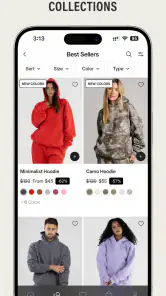
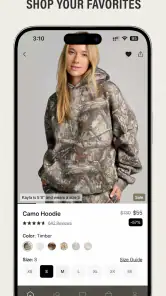
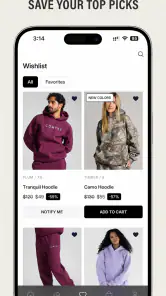
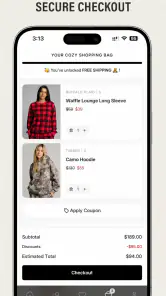
Analysis by Reviewed
I approached Comfrt as a practical shopping app rather than as a simple catalog. Its focus is narrow and easy to understand: cozy hoodies, blankets, and loungewear from Comfrt, the developer behind the app. That focus is useful when I already know I want relaxed clothing or a soft home item, because I can browse without sorting through unrelated products. It is less useful when I am comparing many brands, hunting for the lowest price, or looking for a broad marketplace.
The app is free to install, is suitable for Everyone, and belongs to the shopping category. Its average rating is 4.9 from around 700 ratings, with roughly 150 written reviews, while the install count has passed 50 thousand. Those numbers suggest that the app has found a clear audience, although I would still treat the rating as a starting point rather than a guarantee that every product or order experience will suit me.
How I use Comfrt from browsing to a more deliberate purchase
The baseline workflow is pleasantly focused
My normal starting point is to decide what I am actually shopping for before opening the app. If I want a hoodie for daily wear, a blanket for the sofa, or a small loungewear refresh, the focused catalog makes sense. I browse the relevant product group, open items that match the intended use, and slow down before treating a comfortable-looking image as enough reason to buy.
That last step matters. Cozy clothing is unusually easy to buy impulsively because softness and relaxed styling are emotional selling points. I find it more useful to ask whether the item fills a real gap in my wardrobe: a layer for cool mornings, a dependable travel piece, or something comfortable for working from home. This simple habit keeps the app from becoming a scrolling exercise.
Product pages should be read as decision points, not just image galleries. I pay attention to the available size and color choices, the shape shown in the photographs, and whether the item seems intended for layering or for wearing on its own. For a hoodie, the difference between a neat everyday layer and an oversized lounging piece can affect whether I will wear it often. For a blanket, the important question is where it will live and how often it will be used, not merely whether the photograph looks warm.
The strongest baseline habit is to match the product to a specific routine before checking out. A hoodie chosen for commuting has different requirements from one chosen for evenings at home. A blanket for a guest room has a different purpose from one that will be washed frequently on a busy sofa. The app makes browsing straightforward; the quality of the purchase still depends on that bit of personal planning.
What the app is good at for everyday shopping
I can see the appeal for someone who wants a coordinated comfort-focused wardrobe rather than a random selection of apparel. The limited scope reduces the mental work of jumping between unrelated categories. Someone replacing an old favorite hoodie, preparing a relaxed travel outfit, or choosing a comfort-oriented gift can move through the catalog with a clear intention.
More From Our News Desk

Clash of Clans Is Won Between the Battles

Android Auto Makes the Case for Quieter Car Software

MobiOffice: Transforming Mobile Productivity with Seamless Integration

EA SPORTS FC™ Mobile Soccer: Redefining Mobile Sports Gaming

How Microsoft OneDrive Became a Mobile Productivity Giant

How Google Translate Breaks Language Barriers Effortlessly
A realistic use case is a Sunday evening wardrobe check. I might notice that my dependable sweatshirt is worn out, open Comfrt, compare a few suitable options, and save myself the distraction of browsing an entire department store app. Another is preparing for a long flight: I can think about a soft layer, a practical color, and whether the cut will work while seated for hours. In both cases, the app is most helpful when I arrive with a purpose.
The same focus can be a drawback. If I want jeans, shoes, accessories, or several competing brands in one basket, a general retailer is more efficient. A marketplace also makes it easier to compare materials, cuts, and prices across labels. Comfrt is better understood as a direct, brand-centered shopping destination than as a universal clothing search tool.
Settings and small checks worth making
There are no settings I would treat as a reason to install the app by themselves. Instead, I check the practical parts of the shopping experience before committing: account details, delivery information, notification preferences if they are offered on the device, and the current app version. The application is currently at version 1.0.392 and supports Android 7.0 or later, so compatibility is broad for many Android users.
I also recommend checking the device’s notification controls after installation. Shopping apps can become noisy when every promotion is allowed through. I prefer to keep only notifications that help me complete an order or notice something I genuinely want to revisit. If I am only researching a hoodie, I do not need my phone interrupting me throughout the day with every possible reminder.
Before buying clothing, I make the size information part of the workflow rather than an afterthought. I compare the listed guidance with a garment I already own and like, especially for relaxed silhouettes. Measuring a favorite hoodie across the chest and checking its length gives me a more useful reference than guessing from a familiar letter size. This is particularly important when I am between sizes or deciding whether I want a close fit or extra room.
For blankets, I think about dimensions, storage, and washing practicality together. A large, soft blanket may be ideal for a bed or shared sofa but awkward in a small apartment with limited laundry space. That is a non-obvious trade-off that product photography does not solve. I would rather decide where the blanket will be folded and cleaned before ordering than discover later that comfort has created a storage problem.
Faster patterns for experienced shoppers
Once I know the type of item I want, I avoid repeatedly reopening every product. I make a short comparison in my head using three filters: intended use, fit, and color versatility. If an item fails one of those filters, I move on. This keeps a focused catalog from turning into endless browsing.
For a hoodie, my repeatable pattern is to choose the use first, then compare fit, then consider color. For example, a daily layer usually benefits from a color that works with several trousers or leggings, while a home-only piece can be chosen more freely. For loungewear, I consider whether the top and bottom will be worn together or separately. That distinction helps me avoid buying a matching look that is less useful than two pieces that combine with the rest of my wardrobe.
Another useful shortcut is to separate “replacement” purchases from “addition” purchases. If I am replacing a worn-out favorite, I look for a similar role and fit. If I am adding something new, I ask what existing outfits it will improve. This prevents the common problem of owning several nearly identical cozy items while still lacking a versatile layer for outside the home.
I also use a pause before checkout. I leave the product page, review the cart, and imagine wearing each item during a normal week rather than during an idealized weekend. Would I reach for it on a rushed morning? Would the color show lint easily? Would the fabric or shape make it practical for the season I am shopping in? These questions are more valuable than another few minutes of swiping.
For gifting, I would use the app when I know the recipient’s taste and approximate size. A cozy item can be a thoughtful present, but clothing is not automatically a safe gift. If I do not know whether the person prefers oversized or standard fits, or whether they already own similar pieces, a non-sized blanket may be the less risky choice. That is where the product range can support a thoughtful decision rather than merely encouraging a quick purchase.
Where the focused approach reaches its limits
The app’s biggest limitation is also its identity: it centers one brand and a small comfort-oriented selection. That is convenient for a clear need, but it does not replace a broad shopping service. If I care primarily about price comparison, technical outdoor clothing, formal wear, or a large range of independent labels, I would choose a different shopping app first.
I would also avoid using it as my only source for fit research if I am uncertain about sizing. A brand-focused app can show its own products clearly, but it cannot provide the cross-brand comparison that a large retailer offers. I would use measurements, inspect the product details carefully, and make sure I understand the available purchase and return information before placing an order.
Another limitation is the temptation created by a simple, visually consistent catalog. When every item belongs to the same comfort story, the differences between products can feel smaller than they really are. A hoodie that looks ideal for lounging may not be the best choice for active errands, and a blanket that looks luxurious may be less suitable for frequent washing or limited storage. I find that the app works best when I bring my own criteria instead of letting the presentation make the decision for me.
It is also worth separating the shopping interface from the delivery experience. A smooth browsing session does not by itself tell me whether an item will suit my body, home, climate, or routine. I would keep expectations practical: the app can make selection easier, but it cannot remove the normal uncertainty involved in buying clothing online. For a first purchase, choosing one carefully considered item is a more sensible test than filling a cart with several similar pieces.
Who should use it, and who should skip it
I would recommend Comfrt to shoppers who already like relaxed basics and want a direct way to explore hoodies, blankets, and loungewear in one comfort-led environment. It is especially suitable for someone replacing a favorite casual layer, building a homewear rotation, or looking for a straightforward gift within this product theme. The free app and Everyone age rating also make it easy to approach as a general shopping tool rather than a specialist service.
I would skip it as a primary shopping destination if I need extensive brand comparison, formal clothing, performance fabrics, or a full household marketplace. I would also hesitate if I am highly sensitive to fit and prefer trying garments on before buying. In that situation, a physical store or a retailer with a particularly strong comparison and return workflow may be a better match.
For Android users, the minimum operating-system requirement of 7.0 keeps the technical barrier relatively low. I still recommend keeping the app updated and using a stable connection while browsing, particularly when product images or account pages need to load. Those are ordinary habits, but they reduce the chance of making a decision from an incomplete page or an outdated session.
My verdict after building a repeatable routine
Comfrt succeeds because it does not try to be everything. Its value comes from narrowing shopping to soft, casual products and presenting them in a way that suits a shopper with a specific comfort-related goal. I like it more when I use it deliberately: decide the purpose, compare fit and versatility, check the practical details, and pause before ordering.
The high average rating and growing install base make it worth considering, but they do not change the basic trade-off. This is a focused brand app, not a substitute for a broad marketplace or an in-person fitting room. Its best users will appreciate that focus; its worst users will feel constrained by it.
My final recommendation is simple: install it if you are actively looking for a hoodie, blanket, or loungewear item and prefer a dedicated brand experience. Start with one product, use measurements rather than guesses, and judge it by how naturally the item fits your real week. For comfort-led shopping with a clear purpose, Comfrt is a convenient choice; for comparison-heavy shopping, another retailer will serve you better.
Comfrt Frequently Asked Questions
What is Comfrt and what can I use it for?
Comfrt is a wellness-focused app designed to help users create a calmer, more comfortable daily routine. Depending on the version and available features, it may provide guided exercises, relaxation content, mood or habit tracking, and personalized recommendations. Before downloading, check the current store description because the exact tools, supported regions, and subscription options can change over time.
Is Comfrt free to download and use?
Comfrt can generally be downloaded without an upfront charge, but some features may require a subscription, one-time purchase, or in-app payment. It is important to review the pricing page during setup and read the renewal terms carefully. If a free trial is offered, confirm its duration and cancel before it ends if you do not want to be charged.
Does Comfrt require an account or personal information?
The amount of information required depends on how you use the app. Comfrt may ask for an account, email address, preferences, or wellness-related responses to personalize content and save progress across devices. Review the privacy policy before registering, especially if you plan to enter sensitive information, and avoid sharing details that are not necessary for the app’s core features.
Is Comfrt suitable for mental-health or medical concerns?
Comfrt may be useful as a general wellness and relaxation tool, but it should not be considered a replacement for a doctor, therapist, or emergency service. Its exercises and recommendations are intended for everyday support rather than diagnosis or treatment. If you are experiencing severe distress, persistent symptoms, or a crisis, contact a qualified professional or an appropriate emergency service.
What devices and permissions does Comfrt support?
Before installing Comfrt, check whether your Android or iPhone meets the app’s minimum operating-system requirements. The app may request permissions such as notifications, internet access, or health and activity data, depending on the features available in your version. Grant only permissions you are comfortable with, and review them later through your device’s privacy settings.
Pros
- Simple interface makes browsing comfort-focused products quick and intuitive.
- Product categories are easy to explore on a mobile screen.
- Useful for discovering comfort items in one dedicated shopping app.
- Clean visual presentation keeps product browsing pleasant.
- Convenient access to product details while shopping on the go.
Cons
- Product availability may vary depending on your location.
- Some items can be priced higher than comparable alternatives.
- The app may require an account for certain shopping features.
- Limited product information could make comparisons more difficult.
- Shipping times and costs may differ by destination.
- Category
- Shopping
- Version
- 1.0.392