CircleUp - Live Video Chat
- 0.00
- 0.0
- Installs
- 10.00K
- Price
- Free

Screenshots

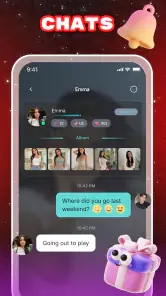



Analysis by Reviewed
CircleUp is a social app built around live video chat, and my first impression is that it is aimed at people who want a more immediate way to meet and talk than ordinary text messaging provides. The idea is simple: open a live conversation, see the person on the other side, and decide quickly whether the interaction feels comfortable and worthwhile. That simplicity is appealing, but it also means your experience depends heavily on the people you encounter and on how carefully you manage your privacy.
I would describe it as a casual social space rather than a replacement for a private messenger, a work meeting tool, or a carefully moderated community. It is free to install, developed by moroccan organica, and listed for mature users aged 17 and over. The app has passed the early discovery stage with over ten thousand installs, which suggests that it has found an audience without making it feel like an overcrowded mainstream network.
Before you begin, it is worth setting the right expectation. A live video app can create a stronger sense of connection than a profile and a few messages, but it can also feel more unpredictable. You may find an easy conversation quickly, or you may need to leave several interactions before finding one that suits you. The best way to approach CircleUp is as a controlled experiment in social discovery, not as a guaranteed stream of perfect conversations.
Getting comfortable with the first session
On a compatible device, the starting point is straightforward: install the app, open it, and take a moment to understand the flow before rushing into a conversation. CircleUp supports devices running Android 8.0 or later, so people using older phones should check compatibility before planning around it. The current release is version 1.4.1, which is useful to know when comparing the behavior of the app across devices or deciding whether an update is available.
I recommend beginning in a quiet place with a stable connection. Live video is less forgiving than text, and a distracting background or unreliable network can make a first conversation uncomfortable before either person has had a fair chance. Headphones can also help if you are in a shared room, especially because hearing the other person clearly is just as important as being seen clearly.
The app is free to download, but it includes in-app purchases ranging from $0.99 to $599.99 per item. That is a very wide range, so I would not treat the free entry point as the whole financial picture. A first-time user should avoid buying anything impulsively during the first session. Spend time learning what the normal free experience feels like, then decide whether any optional purchase has a clear purpose for you.
That advice is especially important in a live social environment. The pressure to continue a conversation, unlock something, or respond quickly can make a purchase feel more urgent than it really is. I prefer to keep the first visit focused on basic navigation, personal comfort, and finding out whether the social style suits me. If you are testing the app for a younger family member, the mature 17+ rating should be treated as a firm boundary rather than a casual suggestion.
More From Our News Desk
Weather by Xiaomi Review: Clear at a Glance, Less Clear Up Close

X Under Pressure: Can It Recover When Posting Goes Wrong?

Clash of Clans Is Won Between the Battles

Android Auto Makes the Case for Quieter Car Software

MobiOffice: Transforming Mobile Productivity with Seamless Integration

EA SPORTS FC™ Mobile Soccer: Redefining Mobile Sports Gaming
Preparing for a useful first interaction
A successful first session does not need to mean making a new close friend. A better first goal is smaller: complete one comfortable conversation, learn how to leave it, and understand what kind of interaction the app makes possible. This removes a lot of pressure. You are not trying to prove that every chat will be memorable; you are checking whether the format works for you.
I also suggest deciding in advance what information you will not share. Keep your full name, home address, workplace details, personal phone number, financial information, and private social accounts out of an early conversation. Video reveals more than text does, including your surroundings and daily habits, so look at what appears behind you before starting. A neutral background is not just tidier; it gives away less about your routine.
Another useful habit is to keep your first conversation short enough that you can end it comfortably. If the exchange goes well, you can always continue later. If it does not, a planned stopping point prevents the awkward feeling that you owe a stranger more time simply because the conversation has started. This is one of the biggest differences between trying a live video app thoughtfully and treating it like an endless scrolling feed.
For a realistic everyday scenario, imagine using CircleUp after dinner when you want a little human contact but do not want to commit to a long night out. I would set up in a private corner, check the camera view, enter with a simple opening question, and give the conversation a few minutes. If the other person is friendly and the discussion is natural, I can stay. If the tone becomes uncomfortable, I can leave without turning the evening into a major event.
Finding the first meaningful success
The first meaningful action is not merely opening a video window. It is creating a conversation with a clear, low-pressure beginning. I have found that ordinary questions work better than trying to sound impressive. Asking what brought someone to the app, what kind of conversations they enjoy, or how their day has been gives the other person room to answer without demanding anything personal.
Keep your own introduction equally simple. Mention a broad interest or the kind of conversation you are hoping to have, but avoid presenting a detailed personal profile immediately. This gives you an easy way to notice whether the other person listens and responds respectfully. A good early signal is not that someone talks constantly; it is that the exchange feels balanced and you can change the subject without resistance.
If the first attempt is quiet or awkward, do not assume the app has failed. Live social platforms are affected by timing, mood, language, and personality. One unproductive interaction tells you very little. I would try again only if I still felt comfortable, and I would judge CircleUp after several ordinary attempts rather than after one unusually good or bad moment.
There is also a practical reason to keep your first successful chat modest. When people expect an instant friendship, they may overlook warning signs because they want the conversation to work. A short, respectful exchange is a better foundation than an intense interaction that moves too quickly. Comfort and control are more valuable first milestones than attention or popularity.
What can feel confusing at first
The biggest source of confusion is the difference between a live video service and a traditional social network. In a text-based app, you can edit your message, pause before replying, and inspect a profile over time. Live video removes much of that distance. The conversation happens in real time, so you have less opportunity to prepare and less control over what the other person says or does.
That does not make the format bad, but it changes the skills needed to use it well. You need to be comfortable ending an interaction quickly, ignoring pressure, and accepting that not every person will be a match. If you prefer carefully written conversations, asynchronous replies, or communities organized around a shared hobby, a conventional messaging service or interest-based network may suit you better.
Another point to understand is that a free app with optional purchases can still present decisions that feel commercial. Because the available purchase range extends from $0.99 to $599.99 per item, I would read every purchase prompt carefully and keep device-level spending controls in place. Do not assume that a button is simply part of navigation. If a feature or interaction appears to require payment, pause and decide whether it genuinely improves your experience.
Privacy is another area where first-time users should be proactive. I would not rely on the live nature of a conversation to make it private or trustworthy. Treat every new contact as unknown until their behavior gives you a reason to feel safer, and remember that a friendly appearance is not proof of identity. If someone asks for money, pushes you to move immediately to another service, demands personal details, or reacts badly to a boundary, ending the conversation is the correct response.
It is also normal to wonder whether you need to be visible on camera all the time. My practical answer is to use only the level of exposure you are comfortable with and to check the app’s on-screen controls before starting an interaction. If you cannot confidently tell how to stop a conversation or change your visibility, spend a few minutes learning the interface before engaging with strangers. A first session should teach you the controls, not force you to discover them under pressure.
Small habits that improve the experience
One non-obvious advantage of live video is that it helps you evaluate conversational chemistry quickly. Text can make a person seem interesting because you have time to compose responses, while video reveals pacing, listening, and tone. I use that information carefully: not to judge someone’s appearance, but to notice whether the exchange feels reciprocal and respectful. This can save time compared with maintaining a long text conversation that never becomes comfortable.
A second useful trade-off is the value of a deliberately narrow first topic. Broad questions can produce empty small talk, while intensely personal questions create pressure. A middle ground works better: talk about a general interest, a recent activity, or the reason you enjoy live conversation. This gives the other person a way to participate without requiring them to reveal private details.
A third insight is that leaving well is part of using the app successfully. I would prepare a neutral closing line such as saying that I need to go or that I enjoyed the conversation but want to stop for now. If the other person accepts that normally, it is a positive sign. If they argue, guilt-trip you, or keep pushing after you have ended the exchange, that tells you something important and justifies disconnecting immediately.
For users who want to return regularly, I would keep a simple mental record of what worked: the time of day, the kind of opening question, and the type of conversation that felt natural. This is not about tracking people. It is about learning your own preferences. You may discover that you enjoy brief casual chats more than long conversations, or that you prefer meeting people who share a particular interest even when the app itself is not organized around that interest.
It is also wise to separate curiosity from commitment. You can enjoy the novelty of live video without making CircleUp your main social outlet. Keep existing friendships and offline activities in your routine, and use the app as one option among several. That balance reduces the chance that an exciting conversation will lead you to overlook poor boundaries or spend more money than intended.
Who CircleUp suits, and who should choose something else
I think CircleUp is most suitable for adults and older teens who genuinely enjoy spontaneous conversation and are comfortable making quick judgments about social comfort. It may appeal to someone who finds text chat too distant, wants to practice speaking with unfamiliar people, or simply likes the immediacy of seeing another person rather than exchanging delayed messages.
It can also work for a person who is tired of highly polished social profiles. A live exchange gives you a faster sense of personality than a carefully selected photo and a short biography. That immediacy is the app’s clearest reason to exist, and it is where I see the strongest difference from ordinary social feeds.
On the other hand, I would skip it if you need guaranteed topic-based matching, extensive profile research, or a strongly structured community. Someone looking for professional meetings should use a dedicated conferencing product. Someone seeking long-term, carefully filtered connections may prefer a conventional dating or friendship service with more detailed discovery tools. Someone who dislikes being on camera will probably find the central format tiring rather than liberating.
I would also advise caution if you are easily pressured by strangers or by optional spending prompts. The mature rating and the live format both point to a need for personal judgment. CircleUp is not the right first social app for a child, and it is not ideal for anyone who expects the platform itself to remove every uncomfortable interaction.
How it compares with familiar alternatives
Compared with text messaging, CircleUp offers faster emotional feedback but less control. You can hear tone and see reactions, which may make a friendly conversation feel more natural. The cost is that you cannot carefully edit every response, and you may encounter awkwardness immediately. Text remains better for private, deliberate communication with people you already know.
Compared with large social networks, CircleUp appears more focused on the conversation itself than on maintaining a public feed. That can feel refreshing if you are tired of scrolling through posts, but it may feel limited if you want news, photos, groups, and a persistent identity in one place. A live chat app is a different kind of social tool, not a smaller version of a full network.
Compared with video meeting software, it is better suited to casual discovery than to organized calls. Work platforms are built around invitations, schedules, and known participants. CircleUp is more spontaneous, which is exactly why it can be interesting and exactly why you should be more careful about boundaries. The right choice depends on whether you already know who you want to speak with.
Finally, compared with a voice-only service, video can create stronger connection but exposes more of your environment and appearance. If you want the immediacy of live conversation without showing your surroundings, voice communication may be the more comfortable alternative. I would choose CircleUp when visual presence adds value, not simply because video is available.
My recommendation after trying the format
My overall view is cautiously positive. CircleUp makes sense for someone who wants live video chat and is prepared to take responsibility for the social side of that experience. The free starting point makes it easy to explore, while the current version gives the app a clear point of reference for new users. Still, the optional purchase range is broad enough that I would approach spending slowly and deliberately.
My recommended path is simple: install it on a supported device, check your camera view, choose a private setting, learn how to exit a conversation, and aim for one short, respectful exchange. Do not share sensitive information, do not let an unfamiliar person rush you, and do not buy anything until you understand what you are paying for. Those steps make the first visit calmer and give you a fair test of the service.
If that first conversation leaves you feeling curious rather than drained, try another session with a slightly clearer idea of what you want to discuss. If you repeatedly feel exposed, pressured, or bored, there is no reason to force a fit. CircleUp’s strength is immediacy, and its weakness is the same thing: live interaction gives you genuine connection quickly, but it also brings uncertainty quickly.
For me, that makes it worth exploring in the right circumstances, especially for people who prefer seeing and hearing someone over exchanging endless messages. I would recommend it as a casual social experiment with firm boundaries, not as a complete answer to loneliness or a substitute for trusted relationships. Used that way, it can provide a direct, human-feeling conversation while leaving you in control of how far the experience goes.
CircleUp - Live Video Chat Frequently Asked Questions
What age group is CircleUp - Live Video Chat intended for?
CircleUp - Live Video Chat has a Mature 17+ content rating, so it is intended for adults and older teens rather than younger children. Because the app centers on live conversations with other people, the content and behavior encountered may vary from one interaction to another. Before downloading, consider whether that environment is appropriate for you and, for younger users, involve a parent or guardian in the decision.
Which devices and operating systems can run CircleUp - Live Video Chat?
CircleUp - Live Video Chat is available for Android and iOS devices that meet its operating-system requirements. On Android, the minimum requirement is version 8.0, so check your device’s software version before installing. Keeping your operating system and the app updated can also help with compatibility and performance. If your device cannot install or update the app, its available features may not work as intended.
What is CircleUp - Live Video Chat, and how does it work?
CircleUp - Live Video Chat is designed for meeting and communicating with people through live video conversations. After creating or accessing an account, users can browse available profiles or chat options, connect with other members, and use video, voice, or messaging features depending on what the app offers in their region. The experience generally depends on internet quality, user availability, and the permissions granted on your device.
Is CircleUp - Live Video Chat free to download and use?
CircleUp - Live Video Chat is free to download, but some communication features, virtual items, premium tools, or extended access can require in-app purchases. Individual purchases can range from $0.99 to $599.99, so review the pricing shown in the application before buying anything. Availability and costs can vary by country, operating system, promotional offer, and account type, so confirm the final price through Google Play or the App Store.
Is CircleUp safe for meeting and chatting with strangers?
As with any live video chat service, users should be careful when interacting with people they do not know. Avoid sharing your address, financial information, passwords, private documents, or other sensitive details. Use blocking and reporting tools whenever available, and end conversations that feel uncomfortable. Parents should also supervise younger users, review privacy settings, and remember that live conversations may involve content or behavior that cannot be fully predicted.
Pros
- Quick way to meet new people through live video conversations.
- Video-based interactions feel more personal than text-only chats.
- Simple interface makes starting or joining conversations easy.
- Useful for practicing communication skills with people worldwide.
- Live format can create spontaneous and entertaining interactions.
Cons
- Video chat may consume significant mobile data and battery.
- Availability of interesting conversations can vary by time and region.
- Some users may encounter awkward or low-quality interactions.
- Privacy depends on how carefully you share personal information.
- Live video features may perform poorly on weak internet connections.
- Category
- Social
- Version
- 1.4.1